The first time your dishwasher stops mid-cycle with a tub full of cloudy water, it can feel like your whole evening has been derailed. Dishes pile up in the sink, dinner pans sit crusted on the counter, and you find yourself wondering if you’re about to spend a weekend hand-washing for the whole family. For many homeowners in McKinney, TX, that’s the moment they start searching the internet for expert tips that actually help them fix the problem without making it worse.
DIY dishwasher repair doesn’t have to be guesswork or a risky experiment. With the right guidance, a basic tool set, and a methodical approach, you can safely handle many of the most common issues on your own. The key is understanding how the appliance works, recognizing early warning signs, and knowing when to stop and call a professional like Texas True Appliance Repair before a small problem turns into a major repair bill.
In this guide, we’ll walk through expert-level tips that experienced technicians rely on every day, translated into practical steps you can follow at home. You’ll learn how to troubleshoot efficiently, avoid damaging sensitive parts, and make smart decisions about when DIY is enough and when it is time to bring in a pro. If you’re aiming for DIY dishwasher repair success, think of this as your roadmap.
Start With Smart Diagnostics
Before you grab a screwdriver or start ordering parts online, the most valuable thing you can do is diagnose the problem correctly. Many dishwasher symptoms can be caused by more than one issue. For example, dirty dishes at the end of a cycle might mean low water temperature, a clogged spray arm, a failing pump, or simply overloading. Jumping straight to replacing parts without a clear diagnosis is one of the fastest ways DIY repairs go wrong.
Begin by observing exactly what the dishwasher is doing. Does it fill with water? Do you hear the spray arms swishing? Is there draining noise at the end of the cycle? Does it stop and flash an error code? Write down what you notice, including any blinking lights or strange sounds. Many modern dishwashers use error codes that can be looked up in the user manual or online to narrow down the cause. This simple step can save hours of trial and error.
Next, rule out the easy, non-mechanical issues. Check that the door is closing and latching fully, since many units will not start if the latch sensor is not engaged. Make sure the water supply valve under the sink is turned fully on. Inspect your home’s breaker panel to confirm that the dishwasher’s breaker is not tripped. In McKinney’s newer homes, it’s common for dishwashers to share a circuit with the disposal or other outlets, so a tripped breaker may not be obvious until you look.
Finally, consult the owner’s manual or the manufacturer’s online resources. These often contain troubleshooting charts for symptoms like “does not drain” or “does not clean well.” If you no longer have your manual, a quick search by brand and model number can usually locate a digital copy. Even professional technicians at Texas True Appliance Repair rely on these resources to ensure they are following the correct diagnostic path for each specific machine.
Safety First, Tools Second
Any expert will tell you: safe repair habits are just as important as technical know-how. Dishwashers combine water, electricity, and sharp components like blades and metal brackets. Before removing panels or reaching inside the unit, you should always eliminate the risk of electrical shock and water leaks.
Turn off power to the dishwasher at the breaker, not just at the control panel. Dishwashers are often hard-wired, so simply pressing the off button does not cut power to the internal components. Verify that the power is off by attempting to start a cycle or by using a non-contact voltage tester if you have one. Only when you are sure the machine is fully de-energized should you begin opening panels or handling wiring connections.
Next, turn off the water supply valve under the sink that feeds the dishwasher. While many DIY repairs don’t require disconnecting the water line, a stuck or damaged hose can surprise you with a sudden spray. Having the valve off gives you a safety margin in case something is looser than it looks. Also, lay towels around the base of the dishwasher and keep a shallow pan handy to catch any residual water that may drain when you remove hoses or filters.
As for tools, gather a basic but complete kit before you start: a Phillips and flat-head screwdriver, nut drivers or a socket set, adjustable wrench, pliers, flashlight, and possibly a Torx driver set for newer models. Having everything within reach helps you work carefully instead of rushing or improvising with the wrong tool. Professionals in McKinney use specialized tools, but for many DIY-friendly repairs, these basic items are enough, provided you use them carefully and patiently.
Master Cleaning And Maintenance Fixes
A surprising number of dishwasher “failures” are actually maintenance issues. Over time, food particles, hard water minerals, and soap residue build up in critical areas, limiting performance. Before you assume you need a new pump or motor, it’s wise to give the appliance a thorough cleaning based on expert techniques.
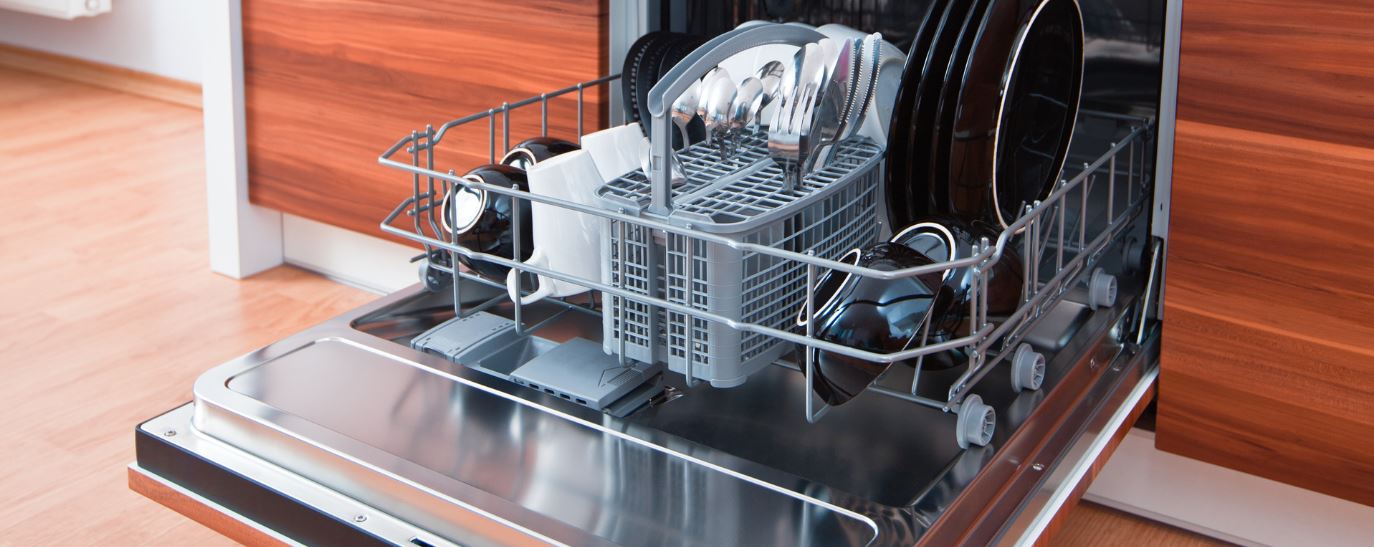
Start with the filter system at the bottom of the tub. Most modern dishwashers have a removable filter and screen assembly. Take it out, rinse it under warm water, and use a soft brush to remove trapped debris. Be sure to check the area underneath the filter as well; small bones, glass, or food chunks often accumulate there and can restrict water flow or damage the pump. Keeping this area clean is one of the simplest ways to restore cleaning power.
Next, inspect and clean the spray arms. These arms have small holes that can clog with mineral deposits and food particles, especially in areas with hard water like North Texas. Remove the spray arms if your model allows it, and use a toothpick or small brush to gently clear each nozzle. Run water through the arm to confirm it flows freely before reinstalling. When the spray arms can spin and spray properly, dishes get cleaner and cycles are more efficient.
Finally, address interior buildup. Run an empty cycle with a dishwasher-safe cup of white vinegar placed on the top rack to dissolve grease and mineral deposits. Follow that with a baking soda rinse sprinkled on the bottom of the tub if odors are a problem. These cleaning steps are not just cosmetic; they can improve drainage, prevent sensor confusion, and reduce strain on components. Texas True Appliance Repair often sees dishwashers in McKinney whose “problems” vanish after a deep, methodical cleaning like this.
Tackle Common DIY-Friendly Repairs
Once you’ve cleaned and checked the basics, you may still face specific issues that require minor repairs. Some of the most common problems are well within the skill range of a careful homeowner, as long as you follow instructions and don’t rush.
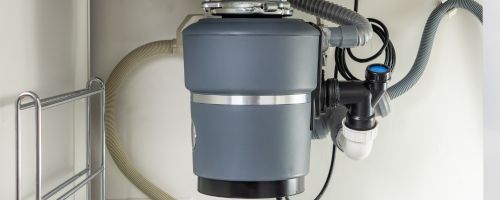
If your dishwasher is not draining, start by checking the drain hose under the sink. Make sure it is not kinked or crushed behind the cabinet. Inspect where it connects to the garbage disposal or sink drain; this fitting can clog with food debris. If your disposal was recently installed or replaced and the dishwasher never drained afterward, the knockout plug inside the disposal inlet may not have been removed, a classic and easily fixable issue. Loosen the clamp, disconnect the hose, and check for obstructions.
Door latch and door seal problems are another DIY-friendly category. A dishwasher that will not start may have a worn or misaligned latch. In many cases, simply tightening the screws on the latch assembly or strike plate can restore proper engagement. If the rubber door gasket is cracked, hardened, or torn, replacing it is usually straightforward: pull the old gasket out of the channel, clean the groove, and press the new gasket in firmly all the way around. This can stop leaks and improve drying by keeping steam inside the tub.
Water not filling properly can sometimes be traced to the inlet valve or float assembly. Check the float inside the tub (often a small dome or mushroom-shaped piece) to make sure it moves freely up and down. If it is stuck in the raised position, the dishwasher may think it is already full and refuse to add water. Cleaning around the float and ensuring it is not jammed by debris can solve the issue. Replacing a water inlet valve is more advanced but still feasible for some DIYers who are comfortable shutting off water, disconnecting hoses, and working carefully with wiring connections.
Avoid Costly DIY Mistakes
While many repairs are doable at home, there are also common pitfalls that even handy homeowners in McKinney run into. Knowing what not to do is part of achieving real DIY dishwasher repair success. One of the biggest mistakes is forcing parts that do not want to move. Panels, clips, and connectors are often designed to release in a specific direction or sequence. If something feels stuck, stop and look for hidden screws, tabs, or online diagrams rather than prying harder.
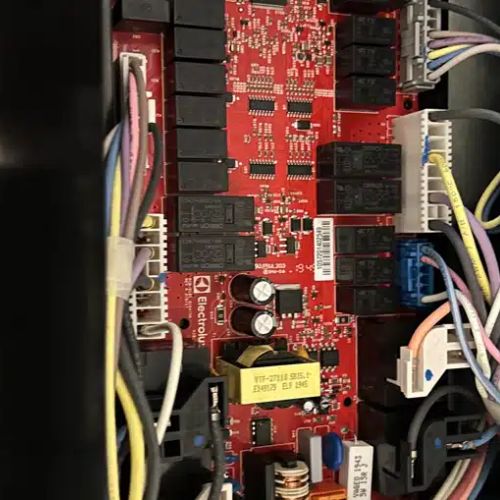
Another frequent issue is misdiagnosing an electrical or control board problem. Replacing control boards, wiring harnesses, or sensors without proper testing can get expensive quickly. These components are not usually returnable once installed, and one wrong connection can damage a new part. If your dishwasher has intermittent power, random beeping, or complex error codes that do not match simple issues, it may be time to call in a professional like Texas True Appliance Repair instead of guessing.
Water leaks are also an area where caution is critical. Even a small drip under the dishwasher can damage cabinets and flooring over time. After completing any DIY repair, run a short cycle while watching underneath and around the door for signs of moisture. Use a flashlight to inspect hose connections and the area near the pump and motor. If you see persistent leaking that you cannot quickly trace and resolve, shut the unit off and seek expert help rather than hoping it will “seal itself” over time.
Finally, avoid ordering parts solely based on appearance. Two valves or pumps may look similar but have different specifications or connectors. Always match parts using the full model number of your dishwasher and, when possible, the part number from the old component. This approach mirrors how technicians in McKinney source parts and helps ensure you are installing exactly what your machine requires.
Know When To Call The Pros
One of the most expert-level “DIY tips” is recognizing when you have reached the point where professional service is the smarter choice. Doing so does not mean you have failed; it means you are protecting your home, your time, and potentially your warranty. Texas True Appliance Repair serves McKinney, TX homeowners who often start with basic troubleshooting and then call when they encounter more complex or risky issues.
Electrical faults, repeated tripped breakers, burning smells, or visible scorching on wiring are clear signs to step back. Dishwashers draw significant current, and electrical work should be done only by those trained and equipped for it. Similarly, if your unit is leaking from internal areas you cannot access without fully removing the dishwasher and disassembling major components, the risk of causing more damage is high.
Age and overall condition matter as well. If your dishwasher is more than 10–12 years old and has multiple failing parts, it is wise to talk with a professional about whether repair or replacement is the better investment. An expert technician can evaluate the machine, estimate its remaining life, and help you decide if it is worth putting more money into. Sometimes a strategic repair can buy you several more years; other times, replacement is more economical.
For many McKinney homeowners, the ideal approach is a hybrid one: handle cleaning, filter maintenance, hose checks, and simple latch or gasket issues yourself, and bring in Texas True Appliance Repair for anything involving motors, pumps, control boards, or persistent leaks. This balance gives you the satisfaction and savings of DIY while keeping your kitchen safe and your dishwasher running reliably.
Frequently Asked Questions
How do I know if my dishwasher problem is DIY-friendly? Start by assessing the symptoms and complexity. Issues like dirty dishes, mild odors, slow draining, or a door that does not close tightly are often related to cleaning, filters, spray arms, or gaskets and are usually safe for DIY. If the problem involves electrical smells, repeated tripping of breakers, visible sparks, significant leaks under the unit, or confusing error codes, those are red flags that point toward professional service. When in doubt, you can attempt basic cleaning and visual checks, and if the issue persists, contact a local expert in McKinney for guidance.
Why does my dishwasher smell bad even after cleaning the filter? Persistent odors usually mean there is buildup in multiple areas, not just the filter. Food particles can hide under the filter assembly, in the sump area, along the door gasket, and inside the drain hose. Mineral deposits from hard water can also trap odors. Remove and clean the filter thoroughly, inspect the sump for debris, wipe the door gasket and edges, and run an empty hot cycle with a cup of white vinegar on the top rack. If the smell returns quickly, there may be a partial drain blockage or standing water in hidden areas, which a professional like Texas True Appliance Repair can help locate and correct.
Is it safe to pull my dishwasher out from under the counter? It can be, but only if done carefully. Before moving the dishwasher, turn off power at the breaker and shut off the water supply valve. Remove the lower access panel and look for mounting brackets that secure the dishwasher to the countertop; these must be unscrewed first. Gently slide the unit forward while watching that the electrical line and water and drain hoses are not being stretched or kinked. If the hoses or wiring are too short to allow movement, forcing the unit can cause damage. In that case, it is wiser to have a technician handle the pull-out and any internal repairs.
How often should I perform maintenance on my dishwasher? For most households in McKinney, a good routine is to clean the filter and check for debris in the sump once a month, especially if you cook frequently. Every three to six months, clean the spray arms, wipe the door gasket, and run a vinegar cleaning cycle to tackle mineral buildup. Also, periodically inspect the area under the sink where the drain and water lines connect for any signs of moisture or corrosion. Regular maintenance like this not only improves cleaning performance but also helps catch small problems early, often preventing major repairs later.
When should I call Texas True Appliance Repair instead of continuing DIY? You should reach out for professional help when you encounter electrical issues, significant or recurring leaks, repeated error codes that do not respond to basic troubleshooting, or when a repair requires deep disassembly of the pump, motor, or control systems. Also, if you have already invested several hours into a repair without progress, it may be more cost-effective to have an expert complete the job. A trained technician can quickly pinpoint the problem, source the correct parts, and restore your dishwasher, saving you time and reducing the risk of accidental damage. For local homeowners, scheduling expert Dishwasher Repair is often the final step that turns a frustrating situation into a lasting solution.