The first hint that something was wrong came from the smell. It was a warm afternoon in McKinney, TX, and the dryer had been running for only ten minutes when a faint burning odor drifted through the hallway. The clothes were still damp, the drum sounded louder than usual, and the control panel felt hotter than it should. A quick glance at the lint trap showed it was clean, so the homeowner did what many people do: turned the dryer off, waited a while, then tried again. The smell came back, a little stronger this time. That moment – the second time something felt “off” – was the point when professional appliance repair was no longer optional. It was necessary.
Situations like this happen every day in homes across McKinney. A refrigerator that cycles constantly but never really gets cold, a dishwasher that leaves greasy film on dishes, or a washing machine that suddenly sounds like a jet engine during spin – these are not just annoyances. They’re warning lights on the dashboard of your home. Recognizing the signs that you need professional appliance repair right now can save you from higher energy bills, food waste, water damage, or even safety hazards. The key is knowing when DIY troubleshooting has reached its limit and when it’s time to call a local specialist like Texas True Appliance Repair before a small issue turns into an expensive emergency.
Appliances are designed to be reliable workhorses, but they are still complex machines packed with sensors, motors, wiring, and electronic boards. When they start sending signals – unusual noises, inconsistent performance, strange smells, leaks, or error codes – they are effectively asking for help. Ignoring those signs doesn’t make them go away; it usually makes the problem more complicated, more expensive, and more disruptive to your daily routine. Understanding the early indicators that professional repair is needed right now gives you the chance to act quickly, protect your home, and extend the life of your appliances.
When Performance Drops Suddenly
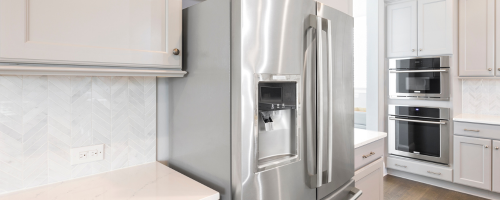
One of the first and most obvious signs that you need professional appliance repair is a sudden drop in performance. Think about your refrigerator in the middle of a Texas summer. If it has always kept food chilled at a consistent temperature and suddenly you notice milk spoiling faster, vegetables wilting, or ice cream turning soft, something inside that system is failing. You might turn the thermostat colder, but if the underlying issue is a failing compressor, blocked evaporator fan, or refrigerant problem, no amount of knob-twisting will fix it. At that point, a professional technician in McKinney should check it before you lose a fridge full of groceries.
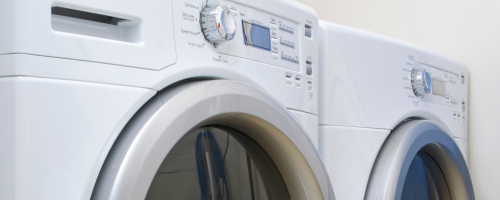
The same principle applies to washers and dryers. If your washing machine used to clean a full load in one cycle and now leaves stains or detergent residue, that’s not just “aging.” It might be a failing water inlet valve, malfunctioning sensor, or clogged drain system. A dryer that suddenly needs two or three cycles to dry what used to take one is another red flag. Many homeowners assume the vent is the only culprit and clean the lint trap, but if the heating element is weak, the thermostat is faulty, or the blower is partially obstructed, you’re wasting time, energy, and money every time you run it. Texas True Appliance Repair often sees this pattern: people wait months, then call only after their electric bill spikes.
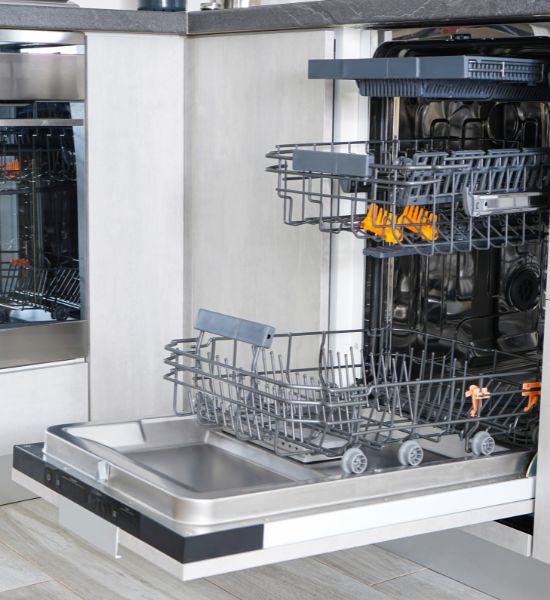
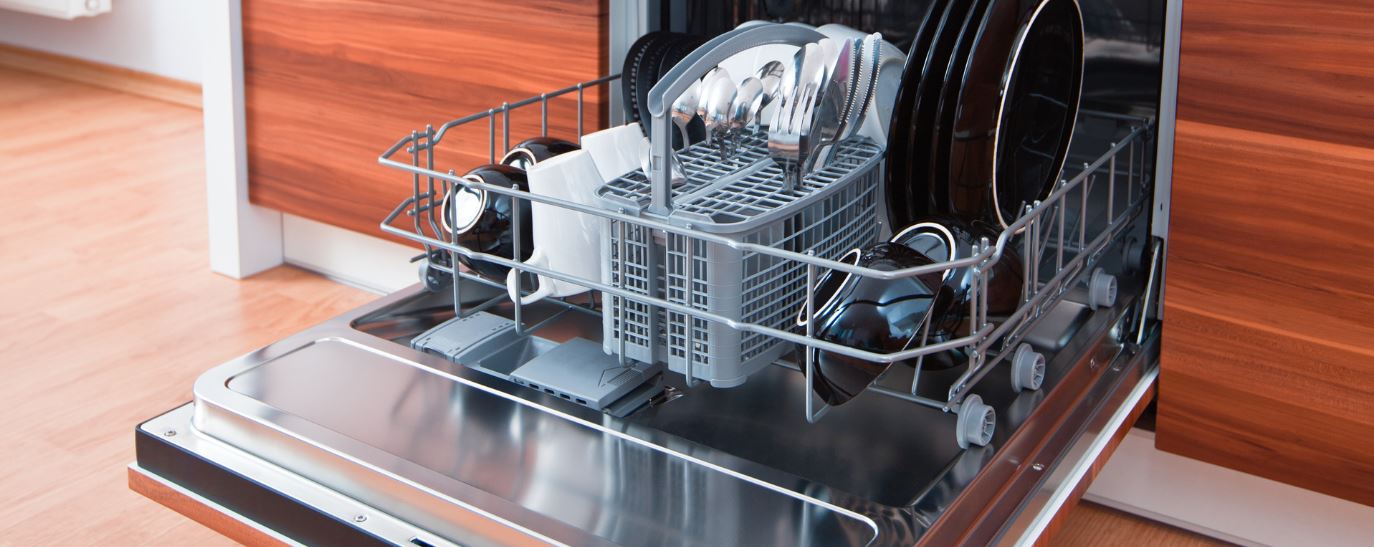
Dishwashers provide another clear example. When they stop cleaning effectively, you might try different detergents, rinse agents, or loading patterns. But if dishes come out cloudy, gritty, or with food still baked on, especially after you’ve already tried basic maintenance, that’s a sign of a deeper problem. Clogged spray arms, a failing circulation pump, or temperature issues in the heating element can all reduce cleaning performance. If your unit is running full cycles and still not doing its job, that’s a strong indicator that professional diagnosis is needed right now, not “someday.”
Unusual Noises And Vibrations
Most appliances make noise, but you become familiar with the normal rhythm over time. When that sound changes, it’s your first clue that something mechanical is going wrong. A refrigerator that suddenly starts buzzing, clicking repeatedly, or making a loud humming sound may have a failing fan motor, compressor issue, or relay problem. These components are not “wait and see” items. If they fail completely, you can end up with a dead fridge and hundreds of dollars of food lost in just a few hours, especially in McKinney’s heat.
Washing machines are notorious for signaling trouble through noise and vibration. A washer that thumps, bangs, or “walks” across the floor during spin is not just inconvenient; it can also damage flooring and nearby cabinets. While an unbalanced load can cause some shaking, persistent loud banging or grinding often points to worn suspension rods, a failing drum bearing, or problems with the drive system. These are repairs that require specialized tools and knowledge. Continuing to run a washer in this condition can turn a repairable part failure into a complete machine replacement.
Dryers and dishwashers also speak through sound. A dryer that squeals, screeches, or makes a rhythmic thumping typically has worn rollers, a damaged belt, or issues with the drum glides. Ignoring these sounds can lead to the belt snapping or the drum seizing. Dishwashers that start grinding or rattling may have broken pieces of glass or debris in the pump, or a failing motor. In all these cases, calling a local company like Texas True Appliance Repair promptly can prevent secondary damage. Noise is often the earliest and most merciful warning sign your appliance will give you – listening to it and acting quickly is critical.
Burning Smells, Smoke, Or Heat
Few signs are more urgent than strange smells, smoke, or excessive heat coming from an appliance. A faint electrical or burning odor from a dryer, oven, or even a dishwasher is not something to monitor casually; it’s a sign to stop using the unit and call a professional right away. In dryers, burning smells can be caused by lint buildup in hidden areas, worn belts rubbing, or overheating elements. Even if the dryer still runs, it can pose a fire hazard. In McKinney homes, where dryers may run often for large families, this risk only increases with frequent use.
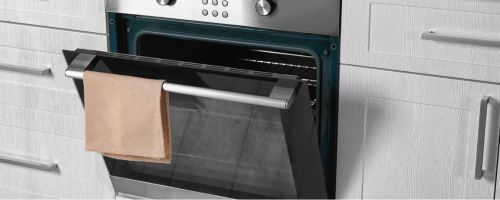
Ovens and cooktops can also develop dangerous issues. If you notice smoke that isn’t from spilled food, a persistent burning plastic smell, or hotspots on the control panel, internal wiring or components may be overheating. Gas ranges with unusual odors, delayed ignition, or flames that change color (yellow or orange instead of blue) need immediate attention. These can indicate gas flow problems or incomplete combustion, which may lead to carbon monoxide or fire hazards. This is not a time for DIY experiments; it’s a time to shut the appliance off and contact a qualified technician.
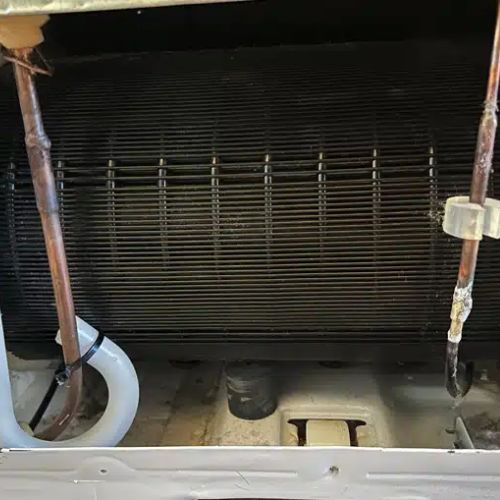
Even appliances you don’t typically associate with heat can show these signs. A refrigerator with a hot exterior wall or a control panel that feels unusually warm can be struggling with its condenser system or internal electronics. A dishwasher that emits a hot, acrid smell during the drying cycle might have a failing heating element or wiring issue. Any time heat, smoke, or strong burning odors appear, it’s a clear sign you need professional appliance repair now, not after the weekend or “when you have time.” Safety should always override convenience.
Leaks, Moisture, And Water Damage
Water is unforgiving when it gets where it doesn’t belong. A small drip from under the dishwasher, a puddle by the refrigerator, or dampness around the washing machine may look minor, but over days and weeks it can soak into subfloors, warp cabinets, and invite mold growth. Many McKinney homeowners first notice a leak as a faint musty smell or discoloration on baseboards near their appliances. By the time visible damage appears, the problem has often been happening for a while.
Refrigerators with ice makers or water dispensers are common culprits. A slow leak from a cracked water line or faulty inlet valve can run behind the unit unnoticed. Similarly, a clogged defrost drain can cause water to pool inside the fridge and eventually spill onto the floor. Washing machines can leak from hoses, pumps, door gaskets, or internal seals. Dishwashers might drip from the door, the bottom of the unit, or connections at the back. While tightening a loose hose clamp is simple, identifying the true source of a leak often requires pulling the appliance out, removing panels, and inspecting multiple components.
When you see any unexplained moisture around an appliance, that’s a strong signal to schedule professional repair right away. Texas True Appliance Repair frequently responds to calls where a “tiny” leak was ignored until it soaked drywall or caused floors to buckle. The cost of early repair is almost always less than the cost of repairing water damage. If your appliance is leaving puddles, dripping, or showing mold or rust around seals and gaskets, treating it as urgent will protect both your home and your equipment.
Electrical Issues, Error Codes, And Power Problems
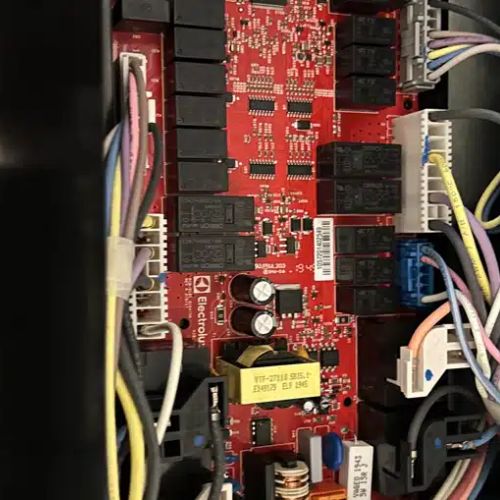
Modern appliances are as much about electronics as they are about motors and pumps. When the control systems start misbehaving, it’s a clear sign that professional help is needed. If your oven randomly shuts off, your dishwasher won’t start even though the door is closed, or your washer freezes mid-cycle, there may be issues with control boards, sensors, or wiring. These are not areas where guesswork is safe. Trying to “reset” an appliance by unplugging it is fine as a first step, but if the same problem returns, it’s time for a technician.
Error codes are another common indicator. Many newer appliances display combinations of letters and numbers when something is wrong. While you can look up the code in the manual or online, understanding what to do about it is another matter. Some codes point to minor issues like a door not fully closed; others indicate serious faults such as overheating, motor failure, or communication errors between components. If you see recurring codes on your dishwasher, washer, dryer, or refrigerator, and basic troubleshooting doesn’t clear them, professional diagnosis is the next step.
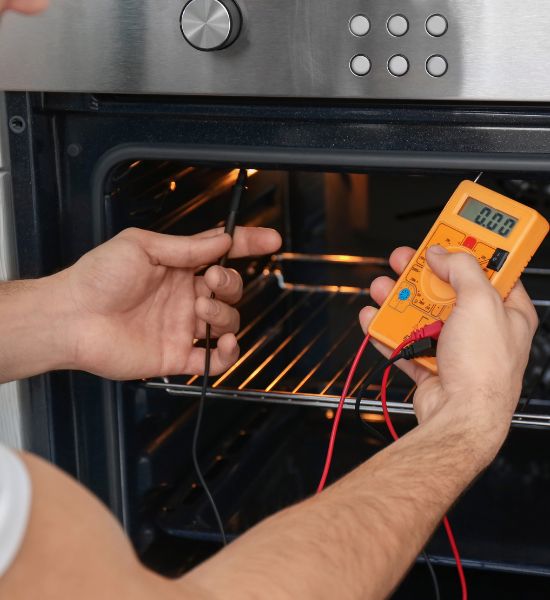
Flickering lights on the control panel, buttons that don’t respond, or appliances that trip breakers repeatedly are all signs of electrical trouble. In McKinney homes, older wiring combined with modern high-demand appliances can sometimes expose weak points. However, if only one appliance is causing the issue, the problem is likely inside the unit. Texas True Appliance Repair technicians use specialized tools to safely test circuits, boards, and connections. If you notice anything that suggests electrical instability, do not keep forcing the appliance to run. That’s the moment when “I’ll deal with it later” can turn into complete failure or even a hazard.
When DIY Stops Making Sense
It’s natural to want to fix small issues yourself. Cleaning filters, checking vents, or resetting breakers are all reasonable first steps. But there is a clear line where DIY stops making sense and professional repair becomes the smartest move. If you find yourself repeatedly watching online tutorials, buying random parts “just to see if this works,” or taking panels off without really knowing what you’re looking at, you’ve already crossed that line. Appliances are interconnected systems; replacing the wrong part or installing something incorrectly can cause new problems or void warranties.
Another sign that it’s time for professional help is repetition. If the same problem keeps coming back – the fridge warms up every few weeks, the washer stops mid-cycle every few loads, the dryer trips the breaker occasionally – the root cause hasn’t been resolved. Temporary fixes can mask symptoms, but they don’t restore the appliance to reliable, safe operation. In many cases, Texas True Appliance Repair technicians in McKinney arrive to find that what could have been a single-part replacement has turned into a multi-part repair because earlier attempts created additional wear or damage.
Finally, consider the value of your time, safety, and peace of mind. Struggling with a half-functioning appliance for weeks is stressful and disruptive. Professional repair offers a clear diagnosis, a targeted solution, and the confidence that the work is done correctly. If you’re hesitating because you’re not sure whether it’s “bad enough” to call, use this rule of thumb: if the appliance is leaking, smelling, smoking, making new loud noises, underperforming consistently, or showing error codes you can’t resolve, it’s already time to involve a professional.
Frequently Asked Questions
How do I know if I should repair or replace an appliance? The decision often comes down to age, cost of repair, and overall condition. If the appliance is under 8–10 years old and the repair cost is less than about half the price of a new unit, repair usually makes sense. In McKinney, where appliances work hard in hot weather, well-maintained units can last many years beyond their basic warranty. A technician from Texas True Appliance Repair can evaluate the specific model, its common failure points, and its current condition to help you make an informed decision instead of guessing.
Are strange noises really an emergency? Not every noise is an emergency, but new, loud, or worsening sounds should never be ignored. Grinding, banging, screeching, or rattling often indicate parts that are wearing out or coming loose. If you continue using the appliance, those parts can break completely and damage surrounding components. Addressing noise early usually keeps the repair smaller and less expensive. If you’re unsure, it’s wise to stop using the appliance and schedule an inspection rather than risk a major failure.
What should I do first if my appliance starts leaking? The first step is to stop the cycle or turn the appliance off and, if safe, shut off the water supply to that unit. Mop up any standing water to protect floors and nearby cabinets. Avoid running the appliance again “just to see what happens,” as that can worsen the leak or spread water further. Take note of where you first saw the water (front, back, under, or inside) and share that information when you call Texas True Appliance Repair. That detail can help the technician narrow down likely causes before arriving.
Can I keep using an appliance that shows an error code if it still runs? It’s not recommended. An error code is the appliance’s way of telling you that something is wrong, even if it seems to function for the moment. Continuing to run it can increase stress on failing components and may lead to more expensive damage. Consult your manual to identify the code, but if it returns after a basic reset, schedule professional service. Technicians have diagnostic tools that read deeper data than what the display shows, allowing them to correct the underlying issue.
Why choose a local McKinney repair company instead of a big national service? Working with a local company like Texas True Appliance Repair means you’re dealing with technicians who understand how Texas climate, water quality, and typical home construction affect appliance performance. Response times are often faster, communication is more personal, and you’re supporting a business that is directly invested in the McKinney community. Local technicians also become familiar with the brands and models most common in area homes, which can speed up both diagnosis and repair. Whether you need refrigerator service, oven help, or Dishwasher Repair, a nearby specialist can provide targeted, efficient support when the signs say you need professional appliance repair now.