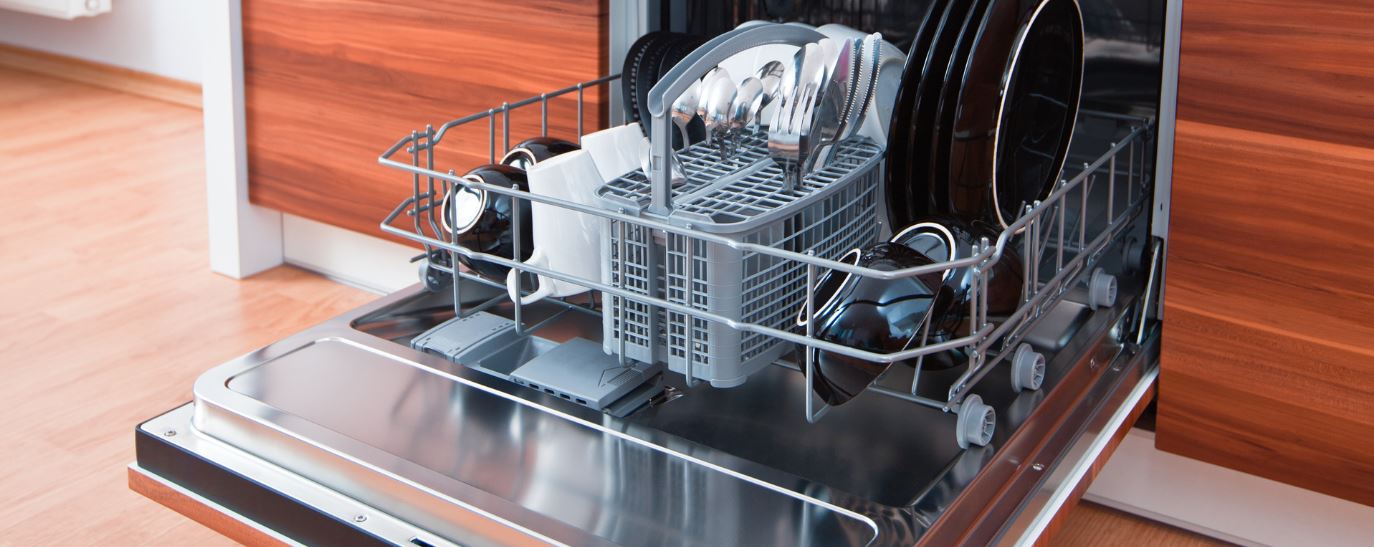
The first hint is often subtle: the dishwasher finishes its cycle, you open the door, and a wave of warm, damp air hits you—but the dishes are still speckled with food or film. Maybe you notice a small puddle creeping out from under the door, or hear a grinding noise that wasn’t there last month. In the rush of everyday life in McKinney, TX, it’s easy to shut the door and hope it works better next time. But these early signs are exactly when understanding a bit about dishwasher repair can save you money, time, and a lot of frustration.
Dishwashers are no longer simple boxes that spray water; they’re a mix of electronics, sensors, valves, and motors working together in a tight space under your counter. When something goes wrong, the issue might be as small as a clogged filter or as serious as a failing circulation pump or control board. Homeowners often find themselves stuck between two questions: “Is this something I can fix myself?” and “Is it time to call a professional like Texas True Appliance Repair?” Knowing what to look for, what’s safe to attempt, and when to bring in expert help is the core of smart dishwasher ownership.
Whether your dishwasher has suddenly stopped mid-cycle, is leaving dishes dirty, or has become alarmingly loud, a basic understanding of common problems and repair considerations can keep a minor inconvenience from turning into a kitchen disaster. For homeowners in McKinney and the surrounding North Texas communities, having a clear picture of how dishwashers fail, how they’re diagnosed, and what repair options exist will help you make informed, confident decisions the next time your trusty appliance starts acting up.
How Dishwashers Really Work
To understand dishwasher repair, it helps to know what’s happening behind that door during a normal cycle. After you press start, the machine doesn’t immediately begin blasting water. Instead, it begins by draining any residual water from the previous cycle, then opens an inlet valve to let fresh water into the tub. That water level is monitored by sensors or a float assembly to prevent overfilling. Once the correct level is reached, a pump forces water through spray arms, which rotate and distribute hot, pressurized water around the interior, loosening food and rinsing detergent from the dishes.
Heating is another critical element. Many dishwashers in McKinney rely on your home’s hot water supply, but they also often have a heating element or heater assembly to boost water temperature or dry dishes at the end. If your water heater is set too low, or the dishwasher’s internal heater is failing, you may see cloudy glasses, stuck-on food, or poor drying. Understanding this relationship between home plumbing, electrical components, and the dishwasher’s internal systems is important when you start troubleshooting performance issues.
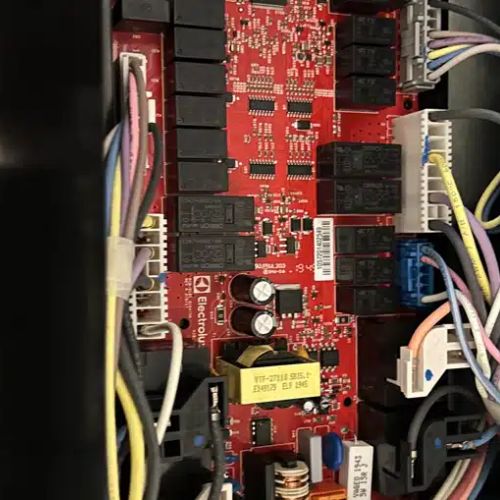
Modern dishwashers also depend heavily on electronics. Control boards, sensors, and door latches all communicate to determine when to fill, when to drain, how hot to heat, and when to stop. A failure in a simple door latch switch can prevent the machine from starting at all, while a faulty sensor can cause cycles to run too long, stop too soon, or throw confusing error codes. When Texas True Appliance Repair technicians diagnose dishwashers in McKinney homes, they often start by confirming that each of these basic systems—water in, water out, circulation, heating, and control—is behaving as it should.
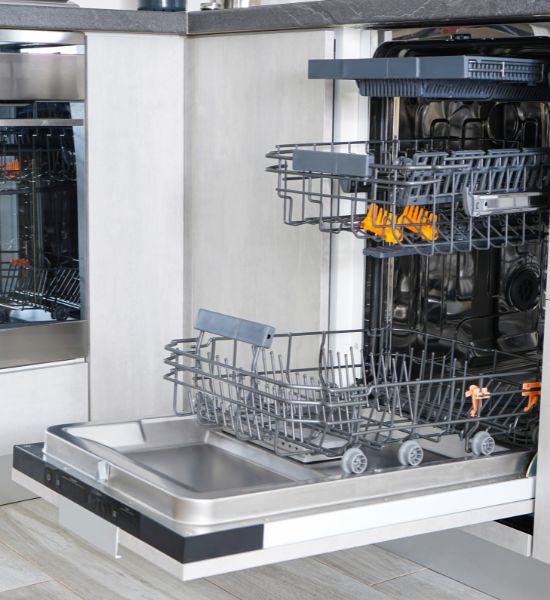
The physical layout of the dishwasher also matters. Spray arms must spin freely, racks must slide correctly, and filters must remain clear. Over time, hard water (common in many parts of North Texas) can leave mineral deposits on spray arm holes and interior surfaces. Food debris, labels from jars, and broken glass can accumulate in the sump area at the bottom of the tub. These small physical obstructions can mimic more serious failures, so a good repair strategy always includes a close look at the inside of the machine before moving on to more complex components.
Common Symptoms And What They Mean
Certain dishwasher symptoms tend to point toward specific problem areas, and recognizing them can help you decide what to do next. For instance, if your dishwasher runs but dishes come out dirty, the issue may involve clogged spray arms, a dirty filter, low water temperature, or a weak circulation pump. Homeowners sometimes blame detergent first, but in many McKinney service calls, Texas True Appliance Repair finds that basic maintenance has been neglected, causing reduced water flow and poor cleaning results.
Standing water in the bottom of the tub after a cycle is another frequent complaint. While a small amount of water around the filter is normal, a deep pool covering the bottom generally indicates a drainage problem. This can stem from a clogged drain filter, a kinked drain hose, or a failing drain pump. Sometimes the issue is as simple as food debris or a bone lodged in the pump area. In other cases, the pump motor itself has worn out. If you hear the drain pump humming but see no movement of water, that’s a strong hint that internal parts are jammed or failing.
Leaks can be especially stressful, because water on the floor threatens cabinets, flooring, and nearby walls. A leak at the front of the door can be related to a worn door gasket, overloading the racks, or using too much detergent that causes excessive suds. Leaks underneath the unit are more serious and may relate to the inlet valve, circulation pump seals, or cracked hoses. In McKinney’s many newer homes, dishwashers are often installed in tight cabinetry, making it difficult for homeowners to see where the leak is coming from without pulling the unit out—a task that is often best left to a professional.
Noise is another key symptom. A dishwasher that suddenly becomes louder, starts grinding, or makes a rhythmic thumping sound is trying to tell you something. Hard objects in the pump area, failing bearings in the circulation motor, or loose spray arms can all create new and worrying sounds. If your machine has gone from a gentle whoosh to a harsh growl, continuing to run it may cause more damage. At that point, calling a local expert such as Texas True Appliance Repair can prevent a minor wear issue from turning into a full pump replacement.
DIY Checks Before Calling A Pro
While many dishwasher repairs require specialized tools or experience, there are several smart checks homeowners can perform safely. Start with the basics: confirm that power is reaching the appliance. Check that the breaker hasn’t tripped and that the outlet is working. Make sure the dishwasher door is latching fully, as a misaligned latch can prevent the unit from starting even when the control panel lights appear normal. Gently pressing on the door while trying to start a cycle can reveal if a worn latch is the culprit.
Next, inspect and clean the filter. Most modern dishwashers have a removable filter assembly in the bottom of the tub. If you have never removed it, you might be surprised at how much debris collects there. Carefully take it out, rinse it under warm water, and remove food particles, labels, and any foreign objects. Also check the spray arms; if the small holes are clogged with food or mineral deposits, they will not spray correctly. Use a toothpick or small brush to clear the openings, and spin the arms by hand to confirm they move freely.
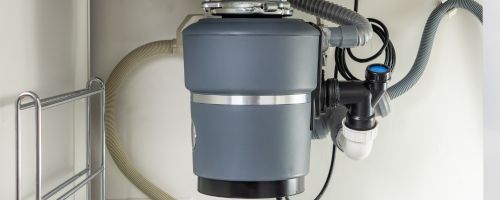
For drainage issues, examine the drain hose under the sink. Make sure it is not kinked or crushed behind the dishwasher. Also check where it connects to the garbage disposal or sink drain. If you recently installed or replaced a garbage disposal, the knockout plug inside the disposal’s dishwasher port may not have been removed, preventing proper drainage. This is a surprisingly common oversight that can mimic a serious dishwasher failure while being very simple to correct.
Water temperature is another area homeowners often overlook. Run the hot water at the kitchen sink for a minute before starting the dishwasher to ensure hot water reaches the appliance quickly. If your home’s water heater is set very low, your dishwasher may never reach the optimal cleaning temperature. Raising the water heater setting slightly (within safe limits) can improve performance. However, if you’ve gone through these steps and the dishwasher still behaves poorly, it’s time to involve a professional who can safely test electrical components, pumps, and valves.
When Professional Repair Is The Smart Choice
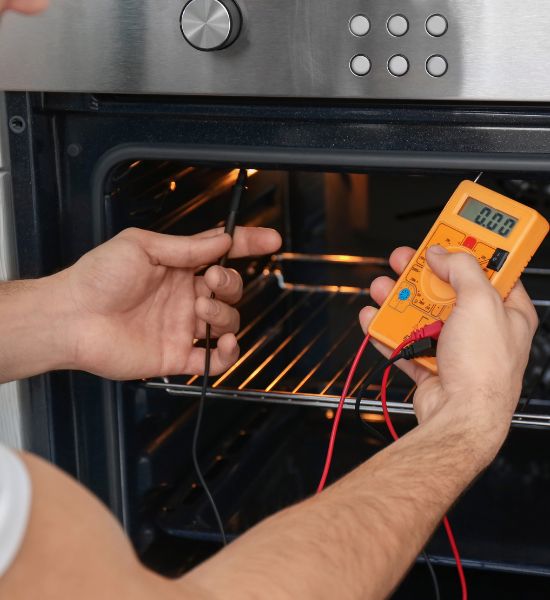
There’s a clear line between simple maintenance and true repair work. Any time you are dealing with live electrical circuits, internal wiring, or sealed components, professional service is strongly recommended. Dishwashers combine water and electricity in close quarters, and an incorrect repair attempt can create shock hazards, leaks, or even fire risk. Technicians from Texas True Appliance Repair are trained to diagnose safely, using proper tools and following manufacturer guidelines to avoid damage and ensure your appliance is restored to reliable operation.
Another factor is cost effectiveness. Homeowners in McKinney often ask whether it’s worth repairing an older dishwasher or if replacement makes more sense. A professional can evaluate the age, brand, model, and condition of your unit and give you an honest assessment. For example, replacing a simple part like a door latch, inlet valve, or drain pump can be relatively affordable and extend the life of your dishwasher by several years. On the other hand, if the control board and circulation pump have both failed in a machine that’s already more than 10 years old, repair costs may approach the price of a new unit.
Professional technicians also have access to technical information and genuine parts that homeowners typically do not. Many modern dishwashers use diagnostic modes or error codes that require specific procedures to access. A trained repair specialist can quickly interpret these codes, test relevant components, and avoid guesswork. This efficiency often means you spend less overall than if you purchase multiple parts on speculation, only to discover the real issue lies elsewhere in the system.
Finally, a reputable local company understands regional conditions. In McKinney, TX, hard water, power fluctuations, and the way homes are plumbed and wired can all influence how dishwashers behave over time. Texas True Appliance Repair technicians see patterns across many brands and models in the area, allowing them to recognize common failures quickly. This local experience can mean faster repairs, fewer return visits, and better advice tailored to your home’s specific situation.
Extending The Life Of Your Dishwasher
Repair is only part of the story; smart maintenance can delay or prevent many common failures. One of the simplest habits is to scrape, not rinse, your dishes. Removing large food particles before loading reduces the chance of clogs without wasting water by fully pre-washing. Over-rinsing can actually interfere with some modern detergents, which are designed to interact with a small amount of soil. Load dishes so that spray arms can reach all surfaces, avoiding nesting bowls or stacking utensils tightly together.
Regular cleaning is equally important. Make it a routine to clean the filter every few weeks, depending on how heavily you use the dishwasher. Run an empty cycle with a dishwasher cleaner or a cup of white vinegar placed on the top rack to help break down mineral deposits and detergent buildup. In areas of North Texas with harder water, this simple step can significantly improve performance and reduce wear on internal components like spray arms and pumps.
Pay attention to the detergent you use and how much you use. Many homeowners continue to fill soap cups to the brim out of habit, even though modern, high-efficiency dishwashers and concentrated detergents require less. Too much detergent can leave residue on dishes, clog internal parts, and stress the pump and heater. If you notice a chalky film on your glassware, try using less detergent or switching to a product designed for hard water. Also ensure that rinse aid is filled; it helps water sheet off dishes and improves drying.
Lastly, listen and observe. Small changes in sound, cycle length, or cleaning quality are often early warnings. Addressing them promptly—either with basic checks or a call to Texas True Appliance Repair—can keep a minor issue from turning into a major failure. Just as you wouldn’t ignore a new noise in your car, treating your dishwasher with the same attention can add years to its service life and keep your kitchen running smoothly.
Choosing A Local Repair Partner
When you decide it’s time for professional help, who you call matters. A local company that regularly serves McKinney, TX, will understand the brands most common in area homes, typical installation practices, and common water and electrical conditions. Texas True Appliance Repair focuses on building long-term relationships with homeowners, which often translates into more transparent communication, honest recommendations, and a commitment to getting the job done correctly rather than just quickly.
Look for technicians who are familiar with a broad range of brands and models, from budget-friendly units to high-end dishwashers with advanced features. Ask about warranty on parts and labor, and make sure you understand what is covered. A trustworthy repair service will be clear about pricing, explain what failed and why, and offer tips to help prevent the same problem from recurring. This kind of education is a sign that the company values your long-term satisfaction, not just the immediate repair ticket.
Availability and responsiveness are also important. A dishwasher breakdown can disrupt daily life, especially in busy households. A local McKinney-based service provider can often respond more quickly than a distant or national operation. They can also coordinate with your schedule more easily and return for follow-up if needed. When a technician is just a short drive away, you benefit from faster diagnosis and resolution.
If you run a business that relies on dishwashers or other equipment, having a trusted service relationship is even more critical. For those situations, you can explore options like Commercial Appliance Repair to keep operations running smoothly. For home dishwashers, though, the key is finding a repair partner you feel comfortable inviting into your kitchen, who explains the problem clearly, and who helps you make the best decision for your budget and your appliance.
Frequently Asked Questions
How do I know if my dishwasher is worth repairing or should be replaced? The decision depends on the age of the unit, the cost of the repair, and the overall condition of the appliance. As a general guideline, if your dishwasher is under 8–10 years old and the repair is less than half the cost of a new machine, repairing often makes good sense. However, if multiple major components have failed—such as the control board and circulation pump—or if the tub itself is damaged, replacement may be more cost-effective. A technician from Texas True Appliance Repair can inspect your dishwasher, estimate repair costs, and help you compare those costs to suitable replacement options available in McKinney.
Why are my dishes still dirty after a full cycle? Poor cleaning can stem from several causes. Clogged filters or spray arms restrict water flow and reduce cleaning power, so those should be checked and cleaned first. Overloading the racks, nesting bowls, and blocking the detergent dispenser can also lead to poor results. Water temperature is another factor; if your home’s hot water is too cool or takes too long to reach the dishwasher, detergent may not fully activate. Finally, components such as the circulation pump or diverter may be failing, which typically requires professional diagnosis. If basic cleaning and loading adjustments don’t help, a service visit is usually the next step.
What should I do if my dishwasher is leaking? First, turn off the dishwasher and carefully dry any water on the floor to prevent slipping or damage. Check for obvious issues like overfilling the racks, using the wrong type of detergent (such as regular dish soap instead of dishwasher detergent), or a door that isn’t closing properly. Inspect the door gasket for tears or buildup that could prevent a good seal. If the leak seems to come from underneath the machine, do not continue running it, as you may worsen the problem or damage nearby cabinets and flooring. At that point, contact a professional like Texas True Appliance Repair to locate the exact source of the leak and repair it safely.
Is it safe to attempt dishwasher repairs on my own? Simple maintenance tasks—such as cleaning filters, clearing spray arms, checking the drain hose for kinks, or verifying that the breaker isn’t tripped—are generally safe for most homeowners. However, internal repairs involving electrical components, pumps, heaters, and wiring should be left to trained technicians. Dishwashers combine high-voltage electricity with water, and incorrect repairs can create serious hazards. If you are unsure at any point, it is safer and often more cost-effective to have a professional in McKinney evaluate and repair the appliance correctly the first time.
How often should I have my dishwasher serviced?There is no strict schedule, but regular attention helps. Cleaning the filter and checking the spray arms every month or two is a good habit for most households. Running a cleaning cycle with dishwasher cleaner or vinegar every 1–3 months can help control mineral buildup, especially in areas with hard water. If your dishwasher begins showing signs of trouble—such as unusual noise, longer cycle times, persistent odors, or repeated error codes—it’s wise to schedule a service visit rather than waiting for a complete breakdown. Preventive and early-stage repairs almost always cost less than dealing with major failures after prolonged neglect.