Most people do not think twice about their refrigerator, dryer, or dishwasher until the day something stops working and an entire routine is thrown off. A simple issue like a loose connection or clogged filter can turn into a stressful afternoon of melted groceries, piles of laundry, or dishes stacked in the sink. In many homes around McKinney, TX, the difference between a quick fix and a full-blown emergency often comes down to whether you have the right tools on hand and know how to use them safely.
Essential tools for home appliance repair are not just for professional technicians. A thoughtfully assembled toolkit can help homeowners handle minor issues, perform basic troubleshooting, and even prevent damage from getting worse while waiting for a pro. The key is understanding which tools truly matter, why they are used, and how they fit into the way modern appliances are built. Texas True Appliance Repair sees firsthand how a few inexpensive tools can save time, reduce frustration, and make service visits more efficient when a problem really does require expert attention.
Instead of guessing at problems or trying to force parts to move, the right tools let you work smarter and safer. From precision screwdrivers to electrical testers, these items give you a way to see what is happening inside your appliances without creating new issues. Whether you plan to tackle only simple tasks or you want to understand your appliances better before calling Texas True Appliance Repair, building a basic tool collection is a practical step every McKinney homeowner can take.
Why Tools Matter At Home
Modern home appliances are more advanced than ever, combining electronics, sensors, and moving parts in compact spaces. This complexity means that guesswork and improvisation with the wrong tools can cause more harm than good. A stripped screw, cracked plastic panel, or bent connector can quickly turn a minor repair into a costly replacement. Proper tools protect both the appliance and the person working on it, allowing controlled access and precise manipulation of components.
Another important reason tools matter is safety. Many appliances in your McKinney home operate with high voltage, heating elements, moving motors, and pressurized water. Without the correct tools to test for live power, secure components, and safely reach tight spaces, you increase the risk of electrical shock, leaks, or mechanical injury. Professionals at Texas True Appliance Repair rely on specific tools not because they like fancy gear, but because safety standards and experience have proven that certain tools prevent accidents.
Good tools also improve the quality of troubleshooting. Instead of assuming a part has failed, you can use diagnostic tools to measure voltage, continuity, or temperature. This targeted approach avoids unnecessary part replacements and helps you identify simple issues like tripped safety switches, clogged filters, or loose wiring. Even if you ultimately decide to call a professional, having already checked a few basics with the proper tools can speed up the visit and give the technician a clearer starting point.
Core Hand Tools Every Home Needs
The foundation of any appliance repair toolkit is a solid set of hand tools. While you do not need an entire garage full of equipment, a carefully chosen group of screwdrivers, pliers, and wrenches will handle a surprising number of common tasks. These tools make it possible to remove panels, access internal parts, and secure connections without damaging surfaces or components.
Start with a high-quality screwdriver set that includes both Phillips and flathead tips in multiple sizes. Many appliance screws are smaller than typical household hardware, and using the wrong size driver can quickly strip the head. Precision screwdrivers are especially useful for control boards, display panels, and small brackets. In McKinney homes, where newer energy-efficient models are common, compact fasteners are the norm, making a detailed driver set essential.
Pliers are another must-have. Needle-nose pliers help you grip small connectors, bend wires, and retrieve dropped screws in tight spaces. Slip-joint and tongue-and-groove pliers are ideal for hose clamps, nuts, and other fittings found on washing machines and dishwashers. Adjustable wrenches and a basic socket set will help you tackle mounting bolts, leveling legs, and motor brackets. Technicians at Texas True Appliance Repair rely on these same basic tools every day because they provide control and leverage without brute force.
Do not overlook simple but critical extras like a good-quality flashlight or headlamp and a small mirror. Many appliance components are tucked away in dark, narrow compartments. Proper lighting and the ability to see around corners can make the difference between guessing and clearly identifying a loose wire, leak, or obstruction.
Electrical Testing And Safety Tools
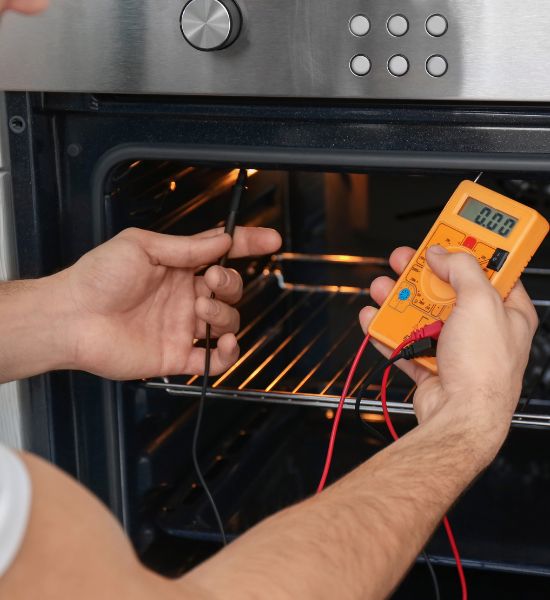
Because most home appliances are powered by electricity, having tools that let you safely interact with electrical systems is essential. One of the most important items is a digital multimeter. This tool allows you to measure voltage, resistance, and continuity, which are key to diagnosing problems like blown fuses, failed heating elements, or broken wiring. With a multimeter, you can confirm whether power is reaching a component before assuming it has failed.
A non-contact voltage tester is another simple but powerful safety device. Before touching any wire or terminal, you can use this tester to verify that the circuit is truly de-energized. This is especially important in older homes in McKinney where labeling on breaker panels may not be completely accurate, or where previous owners have modified circuits. Taking a few seconds to test for live voltage can prevent serious injuries and should become a routine step before every repair attempt.
Insulated screwdrivers and pliers provide an added layer of protection when working near electrical parts. While these tools are not a substitute for turning off power at the breaker, they reduce the risk of accidental contact with live components. Professionals at Texas True Appliance Repair use insulated tools whenever they are around control boards, terminal blocks, and wiring harnesses, because even a brief accidental short can damage sensitive electronics.
In addition, having basic personal protective equipment such as safety glasses and cut-resistant gloves is wise. Appliance interiors often have sharp metal edges, and debris like glass, plastic, or rust can break loose when disassembling components. These simple safety tools are inexpensive compared to the cost of an emergency room visit or permanent eye injury and should be considered just as essential as any wrench or tester.
Specialized Tools For Common Appliances
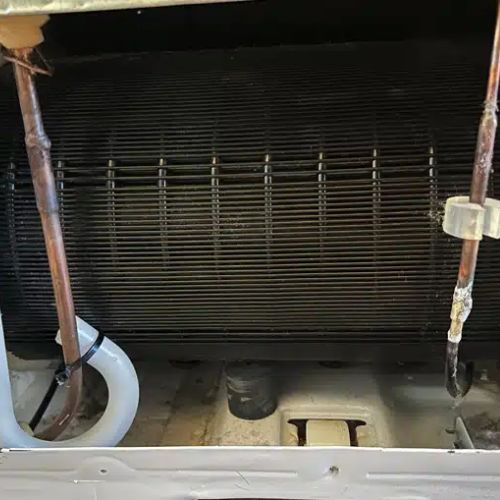
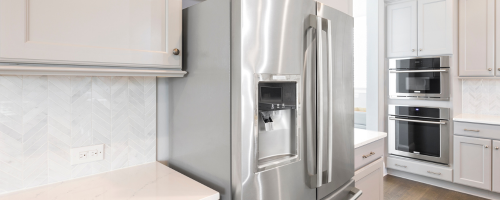
Beyond general-purpose hand tools and electrical testers, certain specialized tools can make specific appliance repairs much easier. For refrigerators and freezers, a set of nut drivers in common sizes is invaluable. Many internal panels, fan shrouds, and compressor covers use hex-head screws that are awkward to remove with standard screwdrivers. A coil cleaning brush and a vacuum with a narrow attachment are also critical for maintaining condenser coils, which directly affect cooling performance and energy efficiency.
For washing machines and dryers, a putty knife or trim tool is often needed to release spring clips that hold top panels or control consoles in place. A dedicated hose clamp tool or sturdy pliers make it easier to manage stubborn hose connections without damaging the hoses themselves. A vent cleaning brush designed for dryer ducts helps remove lint buildup, improving drying times and reducing fire risk. In McKinney, where many homes have longer dryer vent runs, this tool can be especially valuable for safety and performance.
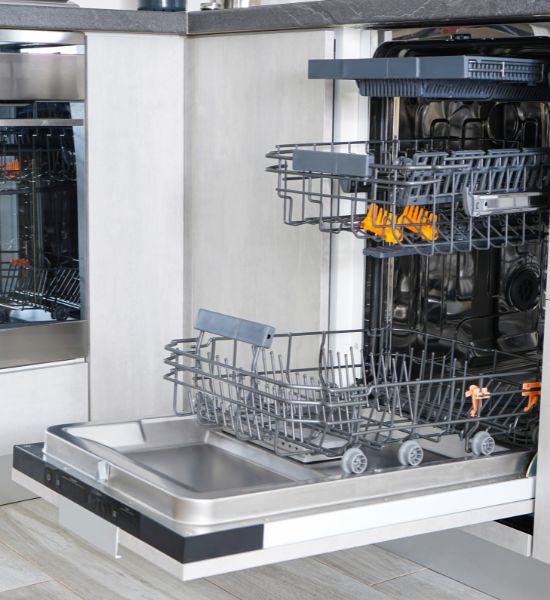
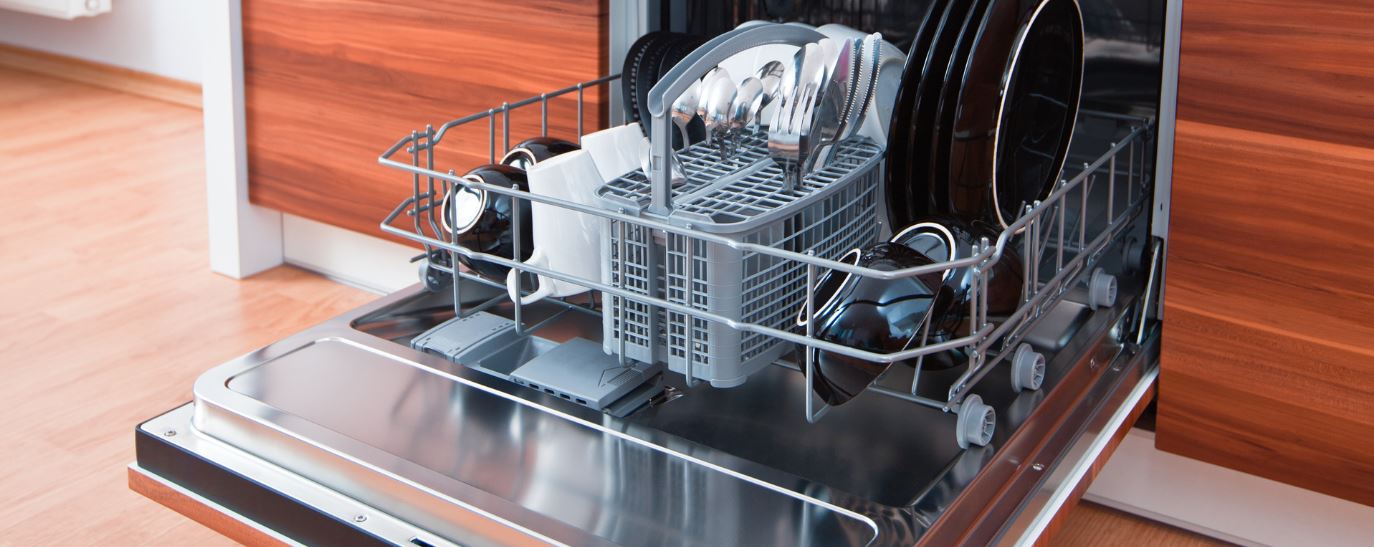
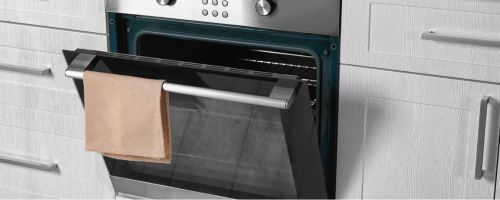
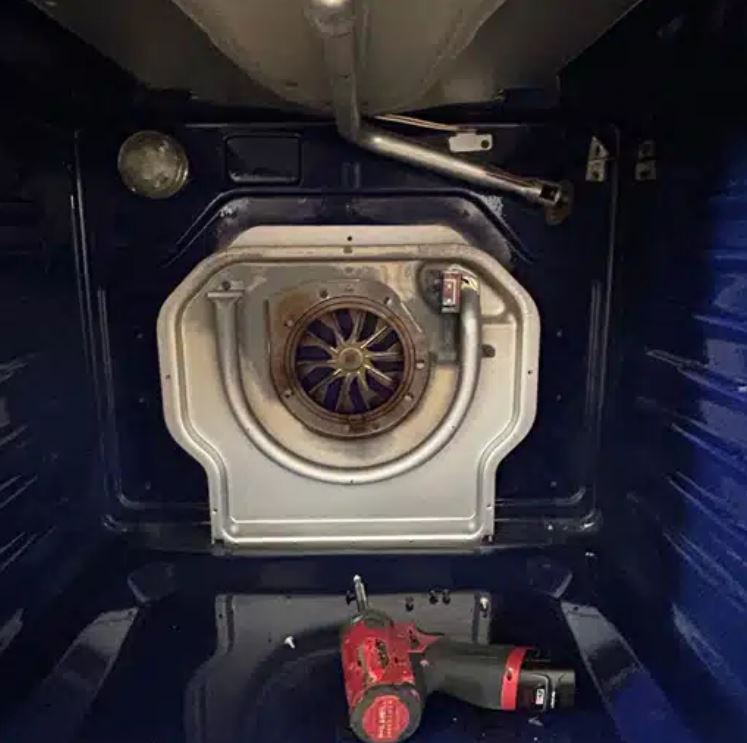
Dishwasher repairs often benefit from a nut driver set, a compact ratchet, and a small level. Many issues trace back to improper leveling, loose mounting brackets, or clogged filters and spray arms. Having tools that allow you to remove kick plates, adjust legs, and disassemble internal parts without force will prevent cracks, leaks, and misalignment. For ovens and ranges, a thermometer that can withstand high temperatures is useful for verifying actual cooking temperatures against the display, helping diagnose thermostat or sensor issues.
While homeowners can use many of these tools for basic maintenance and inspection, more complex repairs still require professional expertise. Texas True Appliance Repair technicians in McKinney bring additional specialty equipment such as manufacturer-specific diagnostic tools, refrigerant gauges, and advanced meters that go beyond what most homeowners need. However, when you already have core and specialized tools at home, you can often pinpoint the issue more accurately before deciding whether to call for service.
Organization, Storage, And Practical Use Tips
Owning the right tools is only part of the equation; keeping them organized and accessible is just as important. A small toolbox or portable organizer dedicated to appliance tools prevents them from being scattered across drawers or mixed in with general household items. Grouping screwdrivers, pliers, testers, and specialty tools in labeled sections saves time when a problem arises and reduces the chance of using the wrong tool because you could not find the right one.
Storing tools in a dry, climate-controlled area helps prevent rust, corrosion, and damage to electronic testers. In McKinney, where humidity and heat can be an issue during much of the year, leaving tools in a garage for long periods can shorten their lifespan. Keeping your toolkit inside a closet, laundry room, or utility area ensures everything is ready to use when needed and that digital tools like multimeters are not exposed to extreme temperatures.
It is also wise to keep a simple log or checklist with your toolkit. This can include breaker locations for major appliances, model and serial numbers, and any past repairs or part replacements. When Texas True Appliance Repair visits your home, having this information readily available can streamline diagnosis and ensure the technician brings or orders the correct parts. Even for your own basic repairs, knowing exactly which appliance model you are dealing with helps you choose the right replacement components and follow accurate instructions.
Finally, take time to learn the basics of each tool before an emergency happens. Practice using your multimeter on known circuits, learn how your non-contact tester behaves, and familiarize yourself with how panels on your own appliances are removed. The moment your refrigerator stops cooling or your washer will not drain is not the best time to read tool manuals for the first time. A little preparation goes a long way toward calm, confident troubleshooting.
When To Call A Professional
Even with a well-stocked toolkit and a solid understanding of basic appliance repair concepts, there are clear limits to what should be attempted at home. Complex electronic control issues, sealed system refrigeration problems, gas line connections, and major wiring repairs are situations where professional training and advanced tools are not optional. Attempting these repairs without the right expertise can be dangerous and may void manufacturer warranties.
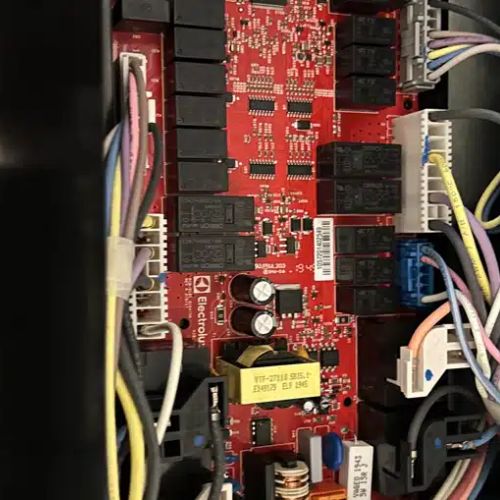
In McKinney, many homes feature built-in appliances, high-end brands, and newer smart models that communicate error codes and require specialized diagnostic equipment. While you can still use your home tools to check power, inspect filters, and verify simple mechanical issues, deeper troubleshooting often demands the experience and resources of a company like Texas True Appliance Repair. Their technicians work with these systems every day and know the subtle differences between a harmless quirk and a serious failure.
Your toolkit is most powerful when you use it to perform safe, basic tasks: checking for tripped breakers, cleaning coils and vents, tightening loose connections, replacing simple parts like water filters or worn hoses, and confirming obvious issues before making a service call. This not only helps you avoid unnecessary appointments but also ensures that, when you do call a professional, the visit is focused and efficient. The combination of informed homeowners and well-equipped technicians leads to faster, more accurate repairs.
Think of your essential tools as a bridge between everyday maintenance and professional service. They give you the ability to understand what is happening in your own home, to protect your appliances from preventable damage, and to communicate clearly with experts when needed. Used wisely, they save time, money, and stress while extending the life of the appliances you rely on every day.
Frequently Asked Questions
Which basic tools should every homeowner have for appliance repair? At a minimum, every homeowner should have a quality set of Phillips and flathead screwdrivers in multiple sizes, needle-nose and slip-joint pliers, an adjustable wrench, a small socket or nut driver set, a digital multimeter, a non-contact voltage tester, and a good flashlight. These tools cover most basic tasks such as removing panels, checking power, tightening loose parts, and performing visual inspections. For McKinney homeowners, adding a coil cleaning brush for refrigerators and a dryer vent brush is also highly recommended.
Is it safe to work on appliances if I am not an electrician? It can be safe to perform simple tasks as long as you respect basic safety rules and limits. Always disconnect power at the breaker or unplug the appliance before removing panels or touching internal components, and verify with a non-contact voltage tester that no power is present. Use insulated tools around electrical parts and avoid any repairs involving gas lines, sealed refrigeration systems, or complex wiring. When in doubt, stop and contact a professional service such as Texas True Appliance Repair rather than taking unnecessary risks.
How do I know when a problem is too big for DIY repair? Warning signs that a repair is beyond typical DIY work include burning smells, visible arcing or sparking, repeated tripping of breakers, error codes you cannot clear, or any issue involving gas, refrigerant, or major structural damage. If your troubleshooting with basic tools does not quickly reveal a simple cause like a clogged filter, loose connection, or tripped safety switch, it is wise to call a professional. In McKinney, scheduling a visit with a local expert can prevent further damage and ensure your appliance is repaired safely and correctly.
Do I need brand-specific tools for my appliances? For most basic maintenance and minor repairs, general-purpose tools are sufficient. Standard screwdriver sets, pliers, wrenches, and multimeters work across most brands and models. Some high-end or specialty appliances may use unique fasteners or require specific diagnostic equipment, but those are typically used by professional technicians. If you run into a fastener you cannot remove with standard tools, it is usually more practical to contact a service company like Texas True Appliance Repair than to invest in rare specialty tools you may only use once.
Can the right tools really save money on appliance repairs? Yes, having and using the right tools can save money in several ways. They allow you to perform simple maintenance that extends appliance life, such as cleaning coils and vents, tightening mounting brackets, and checking for minor leaks. Proper tools also help you avoid damaging parts while investigating problems, which can prevent the need for additional repairs. Finally, by using tools to perform basic troubleshooting before calling a professional, you can sometimes resolve small issues yourself or at least provide clear information that makes a technician’s visit faster and more efficient. For more information or to schedule professional help, you can contact Texas True Appliance Repair, your local experts in Appliance Repair in McKinney, TX.