
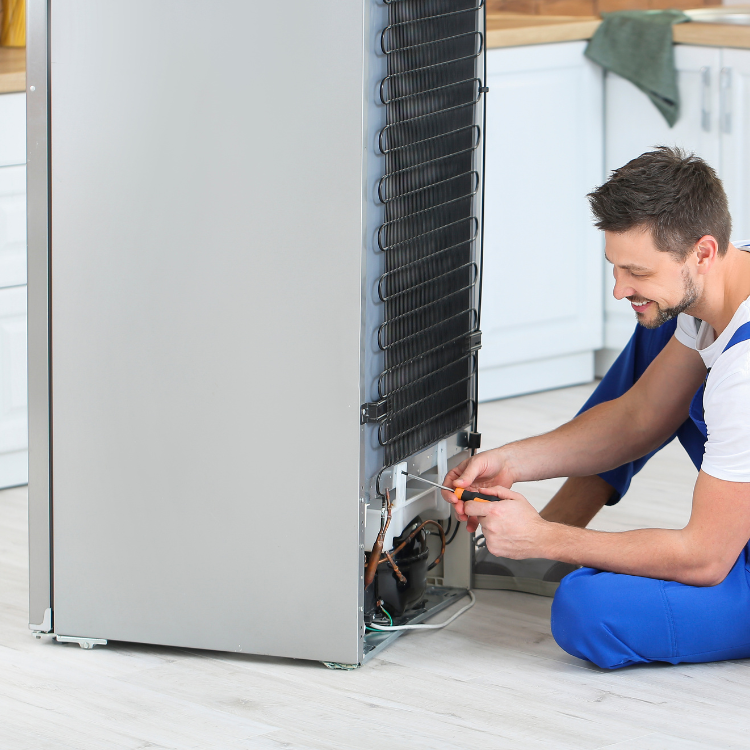
The dishwasher stops mid-cycle the same night you promised yourself you’d start eating at home more. The dryer starts sounding like a gravel mixer the week after the kids’ sports season kicks off. Or your refrigerator in your McKinney, TX home suddenly can’t decide if it wants to be a freezer or a sauna. In moments like these, it’s easy to imagine that the only solution is an expensive replacement or a huge repair bill. But many homeowners are surprised to learn how much money they can save with a little knowledge, a calm approach, and some smart, affordable appliance repair strategies.
Affordable appliance repair doesn’t mean cutting corners or living with half-working machines. It means understanding what you can safely handle yourself, where to find cost-effective parts, how to prevent problems before they start, and when it’s time to call a trusted local company like Texas True Appliance Repair in McKinney, TX. When you combine basic troubleshooting with preventive care and smart decision-making, you can extend the life of your appliances and keep more money in your pocket.
Instead of feeling helpless every time something buzzes, leaks, or refuses to start, you can approach appliance problems with a plan. By learning a few practical tips and adopting some simple habits, you’ll be able to handle minor issues on your own and reserve professional help for the bigger, more complex jobs. Over time, this approach can turn stressful breakdowns into manageable, budget-friendly hiccups.
Start With Safe DIY Troubleshooting
Before calling for help, there are several low-cost or no-cost checks every homeowner should make. Many service calls in places like McKinney end up being simple issues such as a tripped breaker, a clogged filter, or an accidentally changed setting. Taking a few minutes to investigate can save you the cost of a visit, and even when you still need a technician, you’ll be able to describe the problem more clearly, which can make the repair faster and more efficient.
Always begin with safety. Unplug the appliance or shut off power at the breaker before you remove any panels, reach into moving parts, or handle wiring. With gas appliances, turn off the gas supply if you smell gas or suspect a leak, and do not attempt to ignite or test anything yourself. Many homeowners underestimate how much damage static electricity, live wires, or gas leaks can cause; a cautious approach keeps your affordable repair from turning into an expensive emergency.
Next, check the basics: power, settings, and user error. Confirm that plugs are seated firmly, breakers are not tripped, and outlets are functioning by testing with another device. Review the control settings to ensure the appliance isn’t on a delayed start, child lock, or energy-saving mode that changes performance. For example, a dishwasher that “won’t start” may be waiting for the door to fully latch, and a washer that “won’t drain” might be stuck on a paused cycle. These simple checks cost nothing and often resolve the issue immediately.
Finally, listen, look, and smell for clues. Unusual noises, burning smells, or visible leaks can tell you a lot. A grinding noise in a dryer might indicate a worn drum roller, while a humming refrigerator that’s warm inside could point to a problem with the condenser fan or compressor. Take note of when the problem happens (start, mid-cycle, or end), how long it has been occurring, and any recent changes in usage. This information is invaluable to both DIY troubleshooting and professionals like Texas True Appliance Repair when you decide to call for help.
Know When To Spend And When To Save
One of the biggest challenges in keeping appliance repair affordable is deciding whether to repair or replace. A simple rule many homeowners use is the 50% rule: if the repair costs more than 50% of the price of a comparable new appliance, replacement may be the smarter long-term choice. However, this isn’t a rigid law. The age of the appliance, how heavily it’s used, and its overall condition should also factor into your decision.
Consider the typical lifespan of major appliances. Refrigerators often last 10–15 years, washers and dryers 8–12 years, and dishwashers 7–10 years. If your refrigerator in McKinney is only six years old and needs a moderate repair, it often makes financial sense to fix it, especially if it’s been reliable otherwise. On the other hand, if you’re looking at a major repair on a 12-year-old dishwasher that has seen better days, putting that money toward a new, energy-efficient model may reduce headaches and energy costs down the road.
Another factor is how critical the appliance is to your daily life. A broken microwave may be inconvenient but manageable while you shop around or wait for sales. A non-cooling refrigerator is an emergency that can lead to hundreds of dollars in spoiled food. In these time-sensitive situations, homeowners often benefit from a quick, honest assessment from a local company like Texas True Appliance Repair. A technician can tell you whether a small fix will buy you a few more years or if you’re better off investing in a replacement.
Finally, think about total cost of ownership, not just the repair bill. Older appliances may use more water and electricity, driving up your monthly utilities. Sometimes a moderately priced repair on an efficient, higher-quality appliance is more cost-effective than replacing it with a cheaper, less efficient model. The key to keeping repairs affordable is to look at the big picture: repair cost, appliance age, energy use, and how long you expect to stay in your McKinney home.
Simple Maintenance That Prevents Big Repairs
Preventive maintenance is one of the most overlooked ways to keep appliance repair costs low. Many expensive failures start as small, fixable issues that go unnoticed. By building a simple maintenance routine into your household schedule, you can extend the life of your appliances and reduce the frequency of breakdowns that require professional intervention.
Start with your dryer, a common source of both inefficiency and safety hazards. Clean the lint filter after every load, but don’t stop there. At least a few times a year, disconnect the dryer and clean out the vent hose and exterior vent. Lint buildup restricts airflow, forcing the dryer to work harder and longer, which not only raises your energy bill but can also burn out components like heating elements and thermostats. In the Texas heat, where dryers already run warm, keeping vents clear is especially important.
For your refrigerator, simple tasks like vacuuming or brushing the condenser coils every six months can make a big difference. Coils covered in dust and pet hair force the compressor to run longer, shortening its life and driving up electricity costs. Check the door gaskets for cracks or gaps, and clean them with mild soap and water. A poor seal lets cold air escape, making the fridge work overtime. These small steps can help avoid major repairs and keep food at safe temperatures in your McKinney kitchen.
Washers and dishwashers also benefit from routine care. Clean washer filters and run an empty cycle with a washer cleaner or vinegar to reduce buildup and odors. Make sure the machine is level to prevent excessive vibration that can damage internal components. For dishwashers, clean the food trap and spray arms regularly so water can flow freely. When you reduce strain on motors, pumps, and seals, you reduce the likelihood of sudden, costly failures that need professional service.
Smart Parts Shopping And When To Call Pros
Many affordable appliance repairs involve replacing relatively inexpensive parts: door latches, belts, igniters, thermostats, or inlet valves. With the model number from your appliance’s label, you can often find compatible parts through reputable online suppliers or local parts stores. Shopping around for pricing and checking warranties on parts can keep costs down, especially if you’re comfortable doing basic installations yourself.
However, it’s important to know your limits. Some tasks are simple, like replacing a refrigerator door gasket or a dryer belt if you follow a step-by-step guide. Others, such as dealing with sealed refrigeration systems, gas lines, or complex electronic control boards, are better left to professionals. Attempting those repairs without the right tools and training can lead to more damage, voided warranties, or safety risks. In those cases, calling a local, experienced company like Texas True Appliance Repair is not just safer; it’s often cheaper than fixing a DIY mistake.
When you do call a professional, you can still keep the repair affordable by being prepared. Have the make, model, and a clear description of the symptoms ready. Mention any troubleshooting you’ve already done. Ask about diagnostic fees, labor rates, and whether they charge a trip fee. Clear communication helps technicians arrive with the right parts and tools, which can reduce time on-site and total cost.
In some cases, you might consider a service program or scheduled maintenance visit, especially if you have several older appliances. A technician can inspect multiple units in a single trip, perform minor adjustments, and flag parts that are likely to fail soon. This proactive approach can help you plan and budget instead of facing surprise breakdowns at the worst possible moment.
Appliance-Specific Money-Saving Tips
Every appliance in your home has its own quirks and common failure points, and knowing these can help you prevent problems or recognize them early. For refrigerators, watch for frost buildup in the freezer, inconsistent temperatures, or water under the crisper drawers. These may point to defrost system issues, clogged drain lines, or door seal problems. Addressing them quickly often involves simple cleaning or minor part replacements instead of major component failure later.
With ovens and ranges, many homeowners in McKinney encounter issues like uneven baking, burners that won’t ignite, or temperature inaccuracies. Often, a malfunctioning igniter or a worn bake element is to blame. These parts are typically replaceable at a relatively low cost. Before assuming your entire oven is failing, verify the temperature with an inexpensive oven thermometer and check for visible damage to elements or igniters. Keeping the oven clean, especially around burners and igniters, also helps maintain reliable performance.
For washers, common money-saving fixes include checking hoses for bulges or leaks, cleaning inlet screens, and ensuring the drain hose is positioned correctly. Many leaks and drainage problems come from loose connections or blockages rather than major internal failures. Dryers that take too long to dry often suffer from restricted airflow rather than a bad heating element. Before replacing expensive parts, verify that vents and filters are clean and that the dryer is not overloaded.
Dishwashers frequently show symptoms like cloudy dishes, standing water, or poor cleaning. These can often be traced to clogged filters, blocked spray arms, or incorrect detergent use. Using a high-quality detergent, running hot water at the sink before starting a cycle, and regularly cleaning food traps can restore performance without any major repairs. If problems persist after these steps, it may be time for a professional diagnosis to keep costs under control and avoid repeated part replacements.
Planning Ahead To Protect Your Budget
Affordable appliance repair is easier when you’re not reacting in panic. Planning ahead, both financially and practically, turns sudden breakdowns into manageable events. Consider setting aside a small monthly amount in a “home maintenance” fund specifically for repairs. Even a modest cushion can make the difference between choosing a smart, timely repair and being forced into a rushed replacement you didn’t plan for.
Keep a simple log of your major appliances: purchase dates, model numbers, and any repairs or issues over the years. This information helps you track patterns, anticipate when appliances are nearing the end of their typical lifespan, and give accurate details to technicians. When Texas True Appliance Repair comes out to your McKinney home, having this history can speed up diagnosis and prevent repeated work on the same recurring issue.
It also helps to know your warranty coverage. Many homeowners forget they have extended warranties through credit cards or manufacturer promotions. Before paying out of pocket, check paperwork and online accounts for coverage details. Even if the full repair is not covered, parts may be, which can significantly reduce your total cost.
Finally, build a relationship with a trusted local repair company before you face an emergency. Reading reviews, asking neighbors for recommendations, and saving contact information for a company like Texas True Appliance Repair means that when something fails, you already know who to call. A reliable partner who understands your home, your appliances, and your budget is one of the best tools you can have for keeping appliance repair affordable over the long term.
Frequently Asked Questions
How do I know if an appliance problem is safe to fix myself? A good rule is to limit DIY work to non-gas, non-refrigerant, and non-high-voltage tasks. If the repair involves simple parts like knobs, door seals, filters, belts, or visible hoses, and you can access them without dismantling major components, it’s often reasonable to attempt the repair with proper instructions and safety precautions. If you smell gas, see burned wiring, need to open sealed systems, or must work directly with complex electronics, it’s safer and usually more cost-effective in the long run to call a professional such as Texas True Appliance Repair.
What can I do to make my appliances last longer without spending a lot? Consistent cleaning and proper use are the most affordable ways to extend appliance life. Clean dryer vents and lint traps regularly, vacuum refrigerator coils, wipe door gaskets, and keep washer and dishwasher filters clear. Avoid overloading washers and dryers, don’t slam doors, and use the right detergents and settings for each load. These habits reduce strain on motors, pumps, and seals, which delays the need for repairs and keeps performance steady.
Are older appliances always more expensive to repair? Not always. Some older appliances have simpler mechanical parts that are relatively inexpensive to replace. However, as units age, parts can become harder to find, and multiple components may start to fail within a short period. The key is to compare the repair cost to the appliance’s age, condition, and energy efficiency. A straightforward repair on a well-built older machine may still be a smart investment, while a major repair on a very old, inefficient appliance in your McKinney home might not be worth the cost.
Can regular professional maintenance really save me money? Yes, especially if you have several appliances nearing mid-life or older. A technician can spot worn parts, minor leaks, or electrical issues before they become major failures. Replacing a small, inexpensive part during a scheduled visit is almost always cheaper than emergency service after a breakdown. Professional maintenance can also improve efficiency, lowering utility bills, which adds to your savings over time.
Is it worth repairing appliances in a rental or investment property? Often it is, particularly if you choose reliable, cost-conscious service and focus on durable appliances. Tenants expect functional, safe appliances, and quick, affordable repairs can prevent larger property damage, such as water leaks from washers or dishwashers. Building a relationship with a local company like Texas True Appliance Repair gives you a go-to resource for both residential and Commercial Appliance Repair, helping you control costs across all your properties while keeping occupants satisfied.