
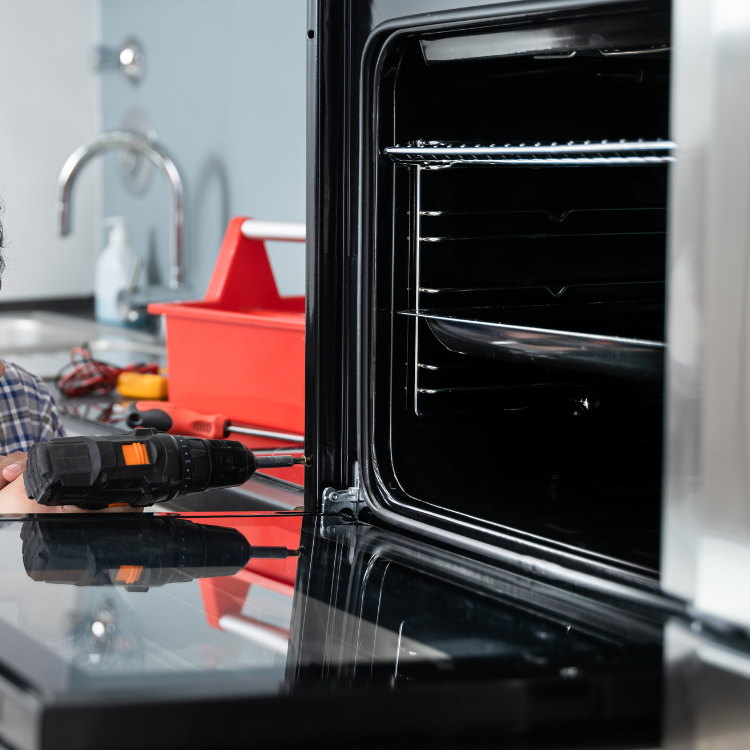
Most people approach dishwasher repair the way they approach a junk drawer: open it, poke around, move a few things, and hope the problem magically fixes itself. The biggest mistake isn’t lack of tools or technical skill; it’s a lack of strategy. Homeowners in McKinney, TX often jump straight into taking panels off, disconnecting hoses, or buying random parts online before they’ve done the most important step: a calm, methodical diagnosis. Successful dishwasher repair is not about guessing which part is bad; it’s about following a clear process that leads you from symptom to solution.
Another common misconception is that every dishwasher issue is either “super simple” or “totally hopeless.” Leaks, strange noises, cloudy dishes, or a dead control panel can look intimidating, but many of these problems follow predictable patterns. Once you understand how a dishwasher is supposed to operate, the symptoms start to make sense. That’s where expert tips come in. Technicians from Texas True Appliance Repair in McKinney, TX don’t rely on luck; they rely on repeatable steps, safety practices, and a deep understanding of how each component behaves under real-world conditions.
Whether you’re a confident DIYer or someone just trying to understand what your appliance technician is talking about, learning a more professional approach can save you time, money, and frustration. The goal isn’t to turn you into a full-time repair tech. It’s to help you think like one: checking simple causes first, ruling out common errors, and knowing exactly when it’s time to call in a trusted local company like Texas True Appliance Repair to protect your home and your investment.
Start With Smart Diagnostics
Expert dishwasher repair always begins before a single screw is removed. The first step is to clearly define the problem. Is the dishwasher not draining? Not filling with water? Leaving dishes dirty? Making new noises? Each symptom points toward a specific part of the system: water supply, circulation, heating, or draining. Write down exactly what you see and hear during a full cycle. Does the problem happen at the beginning, middle, or end of the wash? Precise observations are the foundation of accurate diagnosis.
Next, use the dishwasher’s own built-in clues. Many modern dishwashers display error codes or flash specific lights when something is wrong. Instead of ignoring that blinking light, look up the code in your owner’s manual or on the manufacturer’s website. Even if the code seems vague, it usually narrows your search to a few likely causes. Homeowners in McKinney often skip this step and jump to “it must be the pump” or “I think the control board is dead,” but technicians know that codes and patterns are rarely random.
A professional-style diagnosis also means verifying the basics first. Confirm that the dishwasher has power by checking the breaker panel and any wall switches nearby. Make sure the water supply valve under the sink is fully open. Inspect the drain hose for kinks or clogs where it connects to the garbage disposal or sink drain. Seasoned pros like those at Texas True Appliance Repair start with these simple checks because they solve a surprising number of “mystery” breakdowns without any parts replacement at all.
Safety And Preparation First
Even an experienced technician treats safety as non-negotiable. Dishwashers combine electricity, water, and sharp metal edges in a tight space. Before you touch anything inside, disconnect power by flipping the breaker dedicated to the dishwasher. Don’t rely on just pressing the control panel buttons. After cutting power, test by trying to start a cycle; the machine should stay completely unresponsive. This one step protects you from electric shock and protects sensitive electronics from accidental shorts.
Shutting off the water supply is just as important, especially if you plan to remove the dishwasher from its cavity or disconnect hoses. Locate the shutoff valve under the sink and turn it clockwise until it stops. Place towels or a shallow pan under any connections you plan to loosen. Professional technicians in McKinney carry absorbent pads and small containers for this exact reason: a slow drip can turn into a puddle quickly, especially if a hose or fitting is more worn than it looks.
Once the dishwasher is safe, prepare your work area. Clear out the cabinet under the sink so you have room to access the water line, electrical connection, and drain hose. Lay down a blanket or cardboard in front of the dishwasher to protect your flooring when you slide the unit out. Gather basic tools: a flashlight, screwdriver set, nut drivers, adjustable wrench, and a small container for screws. This kind of preparation might feel tedious, but it’s exactly what separates successful DIY repairs from the frustrating “where did that screw go?” experience.
Master The Common Problems
A key expert tip is to recognize that most dishwasher issues fall into a handful of categories. Instead of treating every problem like a unique crisis, group symptoms by system. For example, if your dishwasher in McKinney is not draining, you’re usually dealing with a clog, a blocked air gap (if you have one), a kinked hose, or a failing drain pump. Start by cleaning the filter and sump area inside the tub. Food debris, glass, and labels from jars can accumulate here and block water flow. Remove and rinse the filter under running water, and check for foreign objects in the sump.
If dishes are coming out dirty or cloudy, think about water quality, spray coverage, and detergent. Hard water is common in many Texas communities and can leave mineral deposits on spray arms and the interior tub. Check the spray arms for clogged holes and clean them with a toothpick or small brush. Make sure the arms spin freely and are not obstructed by tall dishes or utensils. Also verify that you’re using a high-quality detergent and that the rinse aid dispenser is filled. Technicians often see performance problems that are fixed simply by adjusting usage habits rather than replacing parts.
Noisy operation is another frequent complaint. Different sounds point to different issues: a grinding noise may indicate debris in the pump, while a loud humming could signal a failing motor or stuck impeller. Rattling often comes from loose dishes or utensils hitting the spray arms. Before assuming the worst, run a short cycle with the racks empty and listen carefully. If the noise disappears, the issue is likely loading-related. If it remains, then a deeper inspection of the pump and motor assembly may be needed, which is often where a professional from Texas True Appliance Repair can step in with specialized tools and parts.
Know When Parts Really Need Replacing
One of the more expensive mistakes homeowners make is replacing parts based on guesswork. Buying a new control board, pump, or heating element without verifying that the old one has actually failed can quickly add up. Expert repair work relies on testing, not assumptions. For electrical components, this often means using a multimeter to check for continuity and proper voltage. If you’re not comfortable using a multimeter, this is a good moment to pause and consider calling a professional rather than throwing money at random components.
Visual inspection can also tell you a lot. Burn marks, melted plastic connectors, or obvious cracks in a heater element are strong indicators that a part is compromised. Rubber door gaskets that are torn, flattened, or moldy can cause leaks, but minor warping or discoloration might not require immediate replacement. Instead, cleaning the gasket and ensuring the door closes evenly may solve a small leak. In McKinney homes, where dishwashers often run daily, wear is inevitable, but it should be evaluated thoughtfully instead of automatically treated as a failure.
Another expert tip is to consider the age and overall condition of the dishwasher before investing in major parts. If your unit is over 10 years old and already has multiple issues, installing an expensive control board or pump might not be the best financial decision. Local technicians at Texas True Appliance Repair regularly help customers weigh repair versus replacement, factoring in the model, energy efficiency, and the cost of upcoming likely repairs. Sometimes a modest repair extends life by years; other times, it only delays an inevitable replacement by a few months.
Use Professional Habits At Home
Successful repairs are not just about what you fix, but how you work. Professional technicians follow habits that any homeowner in McKinney can copy. One of the most helpful is to take photos before and during disassembly. Snap a picture of wiring connections, hose routing, and how panels are attached. These images become your roadmap when it’s time to reassemble. It’s far easier to double-check a photo than to guess where a wire or bracket was originally placed.
Labeling and organization also make a huge difference. As you remove screws and small parts, place them in separate containers or bags labeled by location: “kick panel,” “door panel,” “control board,” and so on. This prevents the all-too-common scenario where you’re left with extra screws and no idea where they belong. Technicians at Texas True Appliance Repair do this naturally because they know it saves time and avoids callbacks. At home, adopting this simple practice can turn a confusing project into a straightforward one.
Finally, test smart. After reassembly, don’t just start a full, heavily loaded cycle and walk away. Run a short cycle with the dishwasher pulled slightly out from the cabinet, if possible, so you can inspect for leaks underneath and around the sides. Listen closely through the entire cycle: fill, wash, drain, and dry. If everything sounds and looks right, then run a normal cycle with dishes. This staged testing approach mirrors what professionals do in the field and helps you catch issues early, before they cause water damage or new failures.
Prevent Problems Before They Start
Expert repair success isn’t only about fixing what’s broken; it’s also about preventing repeat problems. Many of the calls Texas True Appliance Repair receives in McKinney are for issues that could have been minimized with a few maintenance habits. Regularly cleaning the filter, inspecting the door gasket, and wiping down the interior with a mild cleaner reduces buildup and keeps the dishwasher operating efficiently. Schedule this maintenance every month or two, especially if your household runs the dishwasher daily.
Loading practices also matter more than most people realize. Overloading the racks or blocking the detergent dispenser door can lead to poor cleaning, residue, and even mechanical strain on the spray arms and racks. Make sure large items do not block the path of the spray arms and that glasses are angled to avoid collecting dirty water. Proper loading allows water and detergent to reach every surface, which means the machine doesn’t have to work as hard to achieve clean dishes.
Water quality is another overlooked factor. Hard water, common in many parts of Texas, can cause scale buildup inside the dishwasher, on heating elements, and in spray arms. Using a rinse aid and, if necessary, a dishwasher cleaner designed to remove mineral deposits can extend the life of your appliance. If you notice white film on dishes or a chalky residue inside the tub, consider having your water hardness tested and adjusting your detergent type and amount accordingly. These small adjustments can significantly reduce future repair needs.
Frequently Asked Questions
Why does my dishwasher still leave dishes dirty after I’ve cleaned the filter? If your dishes are still coming out dirty, look beyond the filter. Check that the spray arms are not clogged and can spin freely. Verify that you’re not overloading the racks, which can block water flow to certain areas. Also confirm that you’re using the right amount of detergent for your water hardness. In some McKinney homes, hard water requires a bit more detergent and consistent use of rinse aid for best results.
Is it safe to repair my own dishwasher, or should I always call a professional? Some tasks, like cleaning filters, unclogging spray arms, or checking for obvious hose kinks, are generally safe for careful homeowners. However, anything involving electrical testing, control boards, internal wiring, or major leaks is best handled by a professional. Dishwashers are built into cabinetry and tied into your home’s plumbing and electrical systems, so a mistake can cause water damage or create a safety hazard. When in doubt, contacting a local expert such as Texas True Appliance Repair is the safer choice.
How do I know if my dishwasher is worth repairing or should be replaced? Consider the age, brand, and severity of the problem. If your dishwasher is under 8–10 years old, well-maintained, and the repair cost is less than about half the price of a new unit, repair often makes sense. If it’s older, has multiple recurring issues, or needs an expensive part like a motor or control board, replacement may be more cost-effective. A trained technician can inspect the unit and give you an honest assessment, helping you avoid spending too much on a machine that’s near the end of its useful life.
What can I do to reduce the chances of future breakdowns? Regular maintenance is your best defense. Clean the filter and check the sump for debris every month or two, wipe down the door gasket, and run a dishwasher cleaner periodically to remove mineral buildup. Load dishes according to the manufacturer’s guidelines so spray arms can move freely. Also, address small issues early; a minor leak or unusual noise can often be resolved quickly before it leads to bigger, more expensive damage. Consistent care goes a long way toward keeping your dishwasher running smoothly in a busy McKinney household.
Can using the wrong detergent really damage my dishwasher? Using regular dish soap or an excessive amount of detergent can create too many suds, leading to leaks, poor cleaning, and strain on the pump. Over time, residue can build up inside the machine and affect sensors and moving parts. Always use detergent specifically formulated for automatic dishwashers, follow the recommended amount, and adjust for your water hardness. If you’re unsure about the right products or settings for your appliance, a professional from Texas True Appliance Repair can offer guidance tailored to your specific model and local water conditions. For more information on expert service, visit Appliance Repair.