
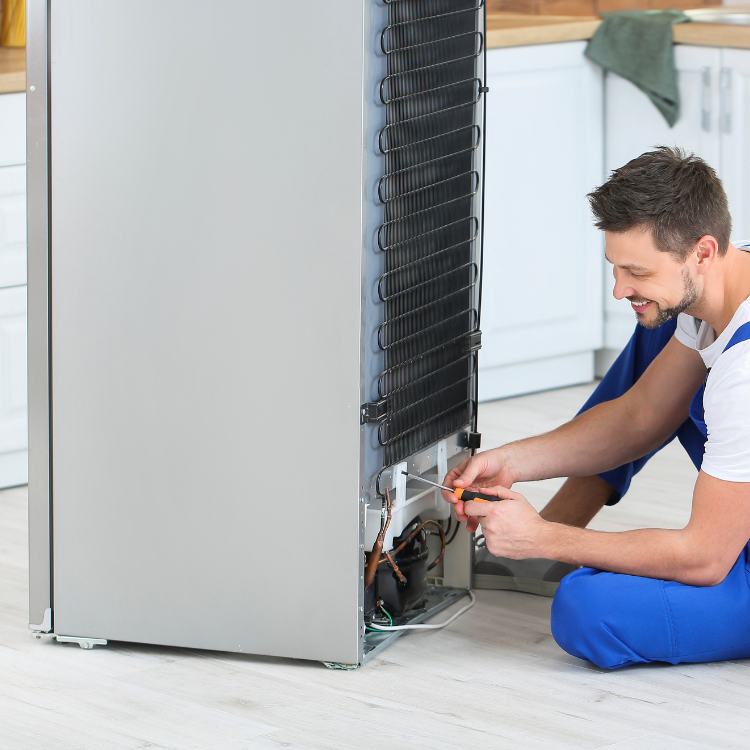
Appliance Repair for Strange Noises, Fix Now
When your washer, fridge, dishwasher, or oven starts making new sounds, it can be hard to tell whether it is a minor issue or something that will get worse. This guide helps you identify what the noise might mean, what you can safely check at home, and when to call a local technician in McKinney, TX.
You load the dishwasher, hit start, and instead of the usual hum, you hear a grinding scrape that sounds wrong. Or the fridge clicks more often than it used to, and now there is a rattling sound when the compressor kicks on. In McKinney, TX, those changes can feel urgent because daily routines depend on appliances running normally.
This guide explains the most common reasons appliances make strange noises, what to check first before you keep using the unit, and how to choose the right type of repair. You will also see a practical decision table to help you match the symptom to the likely problem.
- Quick Answer
- What to Check First
- Main Things Customers Should Understand
- Why This Matters in McKinney, TX
- Common Mistakes to Avoid
- Customer Checklist
- Frequently Asked Questions
Quick Answer
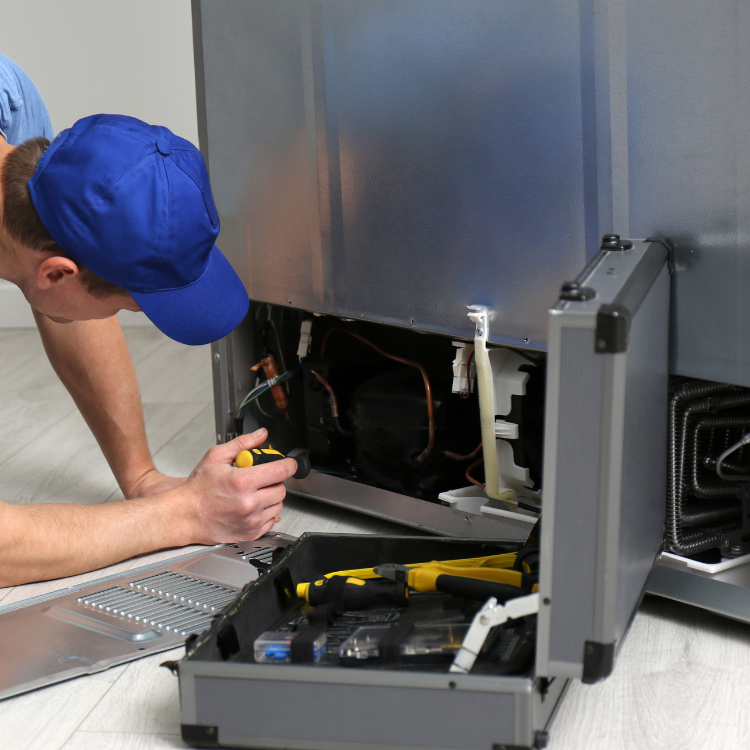
If an appliance suddenly starts making strange noises, pause the cycle, inspect for loose items, and check for visible obstructions or obvious wear. Some sounds are harmless and related to normal operation, but others can signal a failing motor, worn bearings, or a problem with a fan or drain system. The fastest path is to match the noise to the appliance type, then stop using it if you hear grinding, burning smells, or repeated loud rattling. For a clear diagnosis, contact Texas True Appliance Repair and describe the sound, when it happens, and which cycle or setting you were using.
What to Check First
Start with the simplest safety checks and quick observations. These steps help you avoid unnecessary part replacements and can prevent small problems from turning into bigger damage.
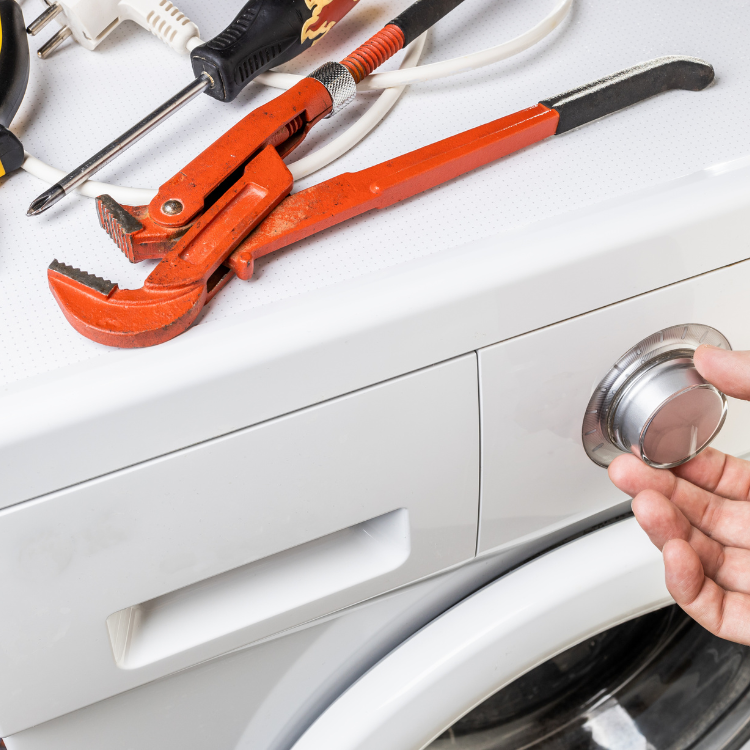
1) Listen and time the noise
Does it happen at startup, during a specific cycle, or only when the unit heats or cools? Notes like “only while draining” or “only when the compressor turns on” help narrow down the cause.
2) Look for loose items
For dishwashers and washers, check for utensils, socks, small toys, or debris that could hit moving parts. For fridges, verify that shelves and drawers are seated correctly.
3) Check basic operation
Make sure the appliance is level, vents are not blocked, and the drain path is clear. If a noise appears with a specific setting, do not keep testing it repeatedly.
Main Things Customers Should Understand
Strange noises usually come from moving parts, airflow, or vibration. The key is connecting the sound type to the system involved: wash/drain, heating, cooling, or spinning. Here are common noise categories and what they often point to.
Professional observation: New noises often show up when a part is already worn. Continuing to run the appliance can make the noise louder and can increase the chance of additional damage to nearby components.
| Noise you hear | Where it typically shows up | What it may indicate |
|---|---|---|
| Rattling or knocking | Dishwashers, washers, dryers | Loose items, worn bearings, or parts not running smoothly |
| Grinding | Dishwashers, garbage disposal units, some drain systems | Debris contacting moving components or a failing motor-related part |
| Clicking repeatedly | Refrigerators and freezers | Cooling cycle changes, fan operation issues, or a component cycling more than usual |
| Whirring or fan-like noise | Fridges, microwaves, some ovens | Airflow movement from fans or heat-related components |
| Buzzing | Dishwashers, garbage disposal repair, some wall ovens | Electrical or motor-related vibration, especially when the unit is trying to start |
| Squealing | Dryers, washers, some oven/range components | Friction from a worn belt-like component or failing moving part |
If you can identify the appliance and the moment the noise starts, you can usually narrow the repair category. For example, if the sound is tied to dishwashing, it may be related to dishwasher repair. If the sound is tied to cooling behavior, it often overlaps with refrigerator repair services. If the noise is happening in heating cycles, you may be looking at oven and range repair.
Why This Matters in McKinney, TX
In McKinney, TX, many homes and apartments experience seasonal temperature swings, which can change how often appliances run. A fridge may cycle differently during cooler evenings, while dishwashers and laundry equipment work under varying household humidity. When you hear a new noise during these changes, it can be tempting to assume it is “just the season.” The better approach is to treat the sound as a clue and confirm whether it happens only when a specific system turns on, like cooling, draining, heating, or spinning.
Local insight: If the noise appears during drain or spin moments, it is often tied to a component working harder. That is a common point where small issues can become bigger ones if the appliance keeps running.
One firsthand-style pattern technicians see frequently: a washer that starts to “thump” slightly can later develop a stronger vibration that shifts the appliance, causing new rubbing noises. Similarly, dishwashers sometimes begin with a light scrape and then progress to louder noises when the drain path or spray system is not operating smoothly. The sound is not random. It is usually the appliance telling you which part is under stress.
Need help identifying a noise?
Texas True Appliance Repair can help you narrow down what is happening and recommend the right repair path for your appliance in McKinney, TX and nearby areas like Allen, Frisco, Plano, and Richardson.
Contact Texas True Appliance RepairCommon Mistakes to Avoid
Some well-intentioned actions make noise problems worse or delay the actual fix. Avoid these common traps when your appliance starts acting unusual.
- Keep running the unit after you hear grinding or repeated loud rattling.
- Ignore burning smells or smoke. That is a stop-using-now situation.
- Assume it is normal if the sound is new. New noises usually mean a change in how parts are moving.
- Overlook leveling and obstructions for washers and dishwashers. A small shift can cause repeated contact sounds.
- Try to diagnose blindly by swapping parts without confirming the source of the noise.
Customer Checklist
Use this quick checklist when you call or message. Having the details ready can make the diagnosis more efficient and help the technician understand what you have already tried.
What to gather before you reach out:
- Which appliance it is (washer, dryer, dishwasher, fridge, oven/range, microwave, garbage disposal).
- The exact sound type (rattle, knock, grinding, clicking, whirring, buzzing, squealing).
- When it happens (startup, during wash, during drain, when heating, when cooling, mid-cycle).
- Any error codes or unusual behavior (not draining, not cooling, not heating, cycle stopping early).
- What you checked already (loose items removed, drain inspected, vents unblocked, appliance leveled).
- Whether anything changed recently (new load size, moving the unit, cleaning, power outage).
Representative scenario: A homeowner in McKinney notices a dishwasher that begins with a normal wash, then makes a scraping noise during the drain portion. They remove a few items from the utensil area and still hear the sound when the unit drains. Instead of running multiple cycles to “test,” they stop the cycle, check again for obstructions, and then schedule service. That approach prevents the drain-related issue from worsening and helps the technician focus on the drain and wash system components.
Frequently Asked Questions
Is a clicking sound from my refrigerator always a problem?
Not always. Refrigerators make sounds as they cycle through cooling stages, and some clicking can be part of normal operation. The more useful question is whether the clicking is new, louder, more frequent, or paired with symptoms like poor cooling, warm spots, or unusual fan sounds. If the noise is accompanied by performance changes, it is a good time to get a professional diagnosis. Texas True Appliance Repair can help identify whether the noise is tied to cooling cycles or to a component that needs attention.
What should I do if my dishwasher makes grinding noises?
Grinding often points to something contacting moving parts or a component that is not turning smoothly. Stop the cycle and carefully inspect the interior for utensils, broken pieces, or debris that could be hitting the spray or drain area. If the noise continues even after removing obvious obstructions, do not keep running it. Continuing to use the dishwasher can add stress to the system. A repair technician can check the parts involved in wash and drain action and confirm what is causing the grinding sound.
Can I fix the noise myself if I only hear rattling?
Sometimes rattling is caused by something simple like a loose item, a utensil that is not secured, or a component that needs to be reseated. If you can find and remove the cause safely, that may resolve the issue. However, if the rattling persists, gets worse over time, or is linked to specific cycle stages (draining, spinning, heating), it usually indicates a mechanical or airflow problem. In that case, professional appliance repair is the safer next step to avoid additional damage.
How do I describe the noise so a technician can diagnose it faster?
Use clear, repeatable details. Say what the noise sounds like (knock, scrape, grinding, clicking), when it happens (startup, mid-cycle, draining, cooling), and whether it occurs every time or only under certain loads or settings. Mention any performance issues you have noticed, such as not draining fully or not heating evenly. Also include what you already checked, like removing debris or confirming the appliance is level. This information helps narrow the likely causes before parts are even considered.
Do you also help with commercial kitchen equipment noises?
Yes. Texas True Appliance Repair provides commercial appliance repair services for businesses that rely on kitchen equipment. If the noise is coming from restaurant appliances or commercial kitchen equipment, describe the appliance type and the stage where the noise appears (heating, cycling, or draining). The right repair approach depends on whether the issue is tied to airflow, heating components, or moving parts. For restaurant and commercial needs, you can review the commercial repair options at commercial repairs.
Get your appliance back to normal
If the noise is new, recurring, or tied to a specific cycle, Texas True Appliance Repair can help you move from guesswork to a clear diagnosis for appliance repair services in McKinney, TX and surrounding communities.
Contact Texas True Appliance RepairPrefer calling? (469) 596-1814

Texas True Appliance Repair
Texas True Appliance Repair serves McKinney, TX and nearby areas including Allen, Carrollton, Celina, Frisco, Little Elm, Melissa, Plano, Prosper, Richardson, and more. The focus is practical appliance repair when customers notice unusual sounds, performance changes, or cycle issues across common household and commercial appliances.
Explore specific services like washer repair, clothes dryer repair, or garbage disposal repair to match the appliance you are dealing with today.