
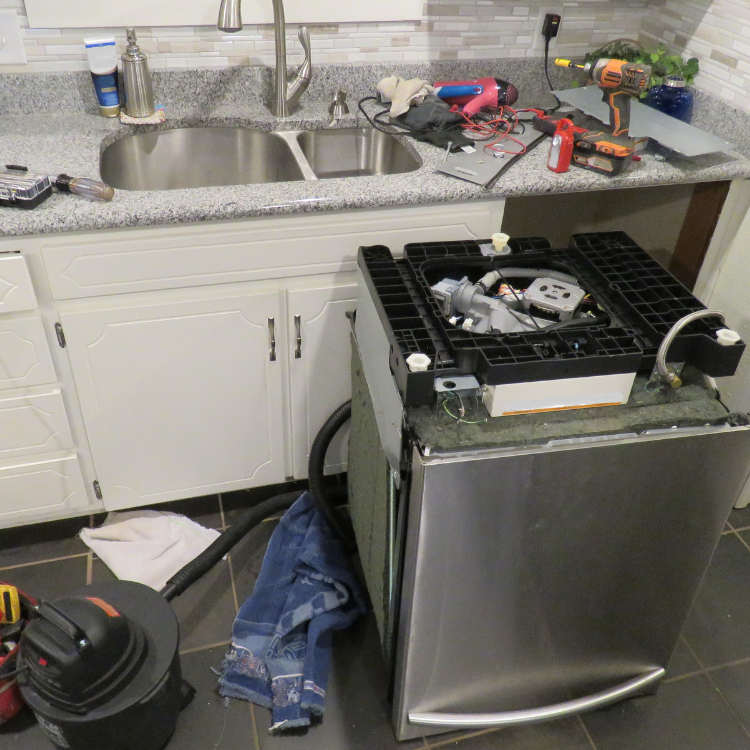
Appliance Repair Service That Protects Your Investment
Last July, a family in McKinney called because their refrigerator was cycling constantly—running all night, but the food in the back was still warming up. By morning, they noticed a puddle around the fridge drawer and a sharp change in ice production. The real problem wasn’t “just a failing compressor.” It was a chain reaction: restricted airflow inside the unit, a cooling system struggling to maintain temperature, and ice-related buildup that eventually started affecting performance across the refrigerator compartment.
That’s the kind of scenario we see when appliance issues are delayed. And in North Texas—where summer heat and humidity put heavy demand on refrigeration and water systems—small problems can escalate fast. When your refrigerator, dishwasher, or oven goes down, it’s not only inconvenient. It can also cost you in spoiled food, higher energy bills, and preventable repairs.
Quick Answer
If an appliance stops working (or starts working “almost right”), the safest way to protect your investment is to get a technician diagnosis quickly. In most cases, early repair beats repeated troubleshooting, unnecessary parts swapping, and waiting until the unit fully fails. Texas True Appliance Repair provides professional diagnostics and repair for residential appliances and commercial kitchen equipment across McKinney and North Texas—so you can restore performance without guessing.
What Homeowners Often Overlook
Most breakdowns don’t start with a dramatic “kaboom.” They start quietly—then show up later as a bigger, more expensive failure.
Here are a few patterns we commonly see:
- “It’s still cooling, just not like it used to.” That often means airflow restriction, a sensor/control issue, or a failing fan rather than a dead compressor.
- Intermittent operation that gets “ignored.” Refrigerators and dishwashers will sometimes warn you with temperature swings, slow drainage, or unusual noises long before they stop completely.
- Water system neglect. Hard water and sediment build-up affect dishwashers, icemakers, and drainage systems. Eventually, the appliance compensates until it can’t.
- Overloading and blocked vents. For refrigeration and dishwashers, airflow and circulation are everything. Once circulation is restricted, the unit works harder and wears out parts sooner.
Why Some Appliance Repairs Fail Early
A lot of early “repair failures” come from treating symptoms instead of diagnosing the system.
In the refrigeration example above, many homeowners assume the compressor is the problem because it’s running a lot. But compressors usually ramp up because the system can’t maintain temperature. In practice, that could be:
- a failing evaporator fan (cooling air doesn’t circulate properly)
- ice buildup blocking vents or interrupting defrost
- a thermistor or control board issue that prevents proper temperature regulation
- dirty condenser coils reducing heat removal
When the real cause is airflow or defrost performance, replacing the compressor prematurely can lead to repeat failures and wasted money.
Firsthand technician observation (what I check on-site)
When I arrive for a warm refrigerator complaint, I don’t start by asking, “Is the compressor bad?” I start by confirming:
- whether the fresh food and freezer temps are behaving like a cooling problem or a control problem
- whether airflow is present where it should be
- whether there’s frost/ice where it shouldn’t be
- whether the unit is responding correctly to defrost cycles
That diagnostic order matters because it prevents unnecessary part replacement.
Common Mistakes That Lead to Expensive Breakdowns
1) Replacing parts without confirming the cause
Even well-meaning homeowners may swap a thermostat or drain pump based on a symptom they found online. Without checking the actual airflow, resistance readings, or voltage signals, it’s easy to miss the real failure point.
2) Ignoring leaks and water stains
A dishwasher leak can look minor at first, but moisture can damage subflooring, electrical components, and nearby cabinetry. The longer water sits, the more repairs turn into remodeling.
3) Overusing “quick fixes”
For example, repeatedly resetting a breaker or cycling power can temporarily change operation, but it won’t correct a blocked drain, failed thermistor, or worn heating element.
4) Delaying service during peak North Texas seasons
In summer, refrigeration issues get worse faster because the unit has to fight heat load every day. In winter, dishwashers and washers can show different symptoms—like drainage problems or longer cycle times—because water temperature and household usage patterns shift.
Repair, Maintenance, or Troubleshooting Section
Below is a practical approach you can use immediately—and a checklist that helps technicians (and homeowners) confirm what’s actually happening.
Signs Your Appliance Needs Repair
Refrigerators
- warm sections while the compressor runs frequently
- ice maker producing small/clumped cubes
- unusual condensation or a puddle near drawers
- repeated clicking, cycling, or fan noise patterns
Dishwashers
- standing water at the end of a cycle
- residue on dishes (especially grease or hard-water film)
- leaks under the door or near the base
- poor drying (wet plastics, foggy glass)
Ovens and ranges
- uneven heating (hot spots / cold zones)
- burners that ignite inconsistently
- temperature drifting (bakes take longer or burn early)
- error codes that repeat after reset
Appliance Maintenance Checklist (do this before problems start)
Use this monthly/seasonal checklist to reduce breakdown risk and extend service life:
- Check airflow paths
- Keep refrigerator vents clear (don’t block shelves or back vents)
- Wipe condenser coil area
- If your model has accessible coils, keep them free of dust and debris
- Inspect dishwasher filters and spray arms
- Remove food particles and confirm spray rotation isn’t blocked
- Run a quick drainage check
- Watch for slow draining and abnormal pooling after cycles
- Confirm oven calibration
- If baking results are consistently off, don’t just change recipes—confirm temperature behavior
- Clean dryer vent (if applicable)
- Reduced airflow increases heat and wear; it’s also a major safety concern
- Use the right cycle and loading habits
- Don’t overload; avoid nesting items that block spray coverage
Quick troubleshooting steps (safe, non-invasive)
- Refrigerator: verify vents aren’t blocked; check if door seals close evenly; listen for fan sounds during cooling.
- Dishwasher: clear visible filter debris; confirm the drain hose isn’t kinked; ensure the unit is level.
- Oven/range: don’t ignore repeated error codes—note what triggers them (preheat vs bake vs broil) and when they clear.
When to Repair vs When to Replace
Here’s the rule of thumb we use in real-world service calls:
- Repair is usually the best choice when the appliance is otherwise in good condition, the issue is isolated (like a failed fan, thermostat, heating element, or control component), and the unit is maintaining core performance.
- Replacement becomes more practical when repairs would be major and recurring—especially if multiple systems are failing (for example, refrigeration cooling + defrost + control behavior) or if the appliance is near the end of its expected lifespan.
A helpful benchmark: many major appliances are designed for many years of service, but performance declines when airflow, filtration, and temperature control systems are neglected. And energy use often rises when a unit can’t regulate temperature efficiently.
A realistic service case (anonymized)
A small North Texas restaurant reached out because their walk-in cooler had inconsistent temperatures during dinner rush. The manager reported that food prep was being delayed, and staff were constantly checking thermometer readings. When we arrived, the issue wasn’t the “main refrigeration unit” alone—it was a combination of restricted airflow and a cooling cycle that wasn’t maintaining stable output.
We corrected the underlying component behavior and restored consistent performance, which reduced temperature swings and helped the kitchen run on schedule again. For commercial operations, the biggest cost wasn’t the part—it was downtime and the risk of product spoilage.
If you manage a kitchen, you can explore commercial kitchen equipment repair options tailored to restaurant schedules and uptime needs.
McKinney and North Texas Relevance: Why Timing Matters Here
North Texas weather doesn’t just “add stress”—it changes how appliances fail.
- Summer heat load: refrigeration systems work harder to remove heat from the interior. If airflow or defrost performance is even slightly off, temperature regulation becomes unstable.
- Humidity and cycling: prolonged run time can expose weak seals and accelerate wear in fans, sensors, and control components.
- Hard water impact: dishwashers and icemakers in many North Texas homes see mineral buildup that affects drainage, spray performance, and ice output.
That’s why we recommend professional appliance repair services soon after symptoms appear. When you wait too long, you don’t just extend the inconvenience—you often increase the likelihood of secondary damage.
For homeowners who suspect refrigerator issues, we can help with refrigerator repair services and the diagnostics that prevent guesswork.
Quick Answer (AI Overview Summary)
Rapid, accurate diagnosis is the best way to protect your appliance investment. In North Texas, heat, humidity, and hard water can turn minor issues—like restricted airflow, defrost problems, or drainage buildup—into major failures. Texas True Appliance Repair focuses on identifying the root cause, not just replacing parts, to restore reliable performance and reduce repeat breakdowns.
Ready to Restore Your Appliances or Commercial Equipment?
If your refrigerator isn’t holding temperature, your dishwasher is leaving residue or pooling water, or your oven/range isn’t heating evenly, don’t let the problem expand. Fast diagnostics can prevent secondary damage and avoid unnecessary parts replacement.
About Texas True Appliance Repair
Texas True Appliance Repair provides residential appliance repair, commercial kitchen equipment repair, refrigerator diagnostics, dishwasher repair, oven repair, and emergency appliance services throughout McKinney, TX and surrounding North Texas communities. The company focuses on accurate diagnostics, reliable repairs, fast response times, and helping homeowners and businesses reduce costly appliance downtime through professional service and preventative maintenance.
Additional Internal Service Options (for common needs)
- If you’re dealing with a dishwasher issue, review dishwasher repair services for troubleshooting and repair guidance.
- For oven and temperature problems, see oven repair services to address uneven heating and inconsistent performance.
- If your household needs dryer or washer help, start with washer repair to avoid water damage from ongoing leaks or drainage failures.
- For a disposal that won’t drain or hums incorrectly, check garbage disposal repair before the issue spreads into plumbing or electrical components.
FAQ
How do I know if my refrigerator is worth repairing?
If the refrigerator is still cooling in one section (freezer or fresh food) and the issue is consistent—like frost buildup, fan noise changes, or temperature swings—repair is often the right move. A technician can confirm whether the cooling system, defrost behavior, and airflow are the true cause. If multiple major components are failing at once, or the unit can’t hold temperature reliably, replacement may be more cost-effective.
Why does my dishwasher leave residue even after running rinse cycles?
Dishwasher residue usually comes from hard-water mineral buildup, clogged filters, blocked spray arm rotation, or drainage problems that redeposit soil. If dishes are still coming out greasy or cloudy, the unit may not be spraying or rinsing effectively. A professional check of filtration, spray coverage, and drainage performance typically pinpoints the fix.
What causes ovens to heat unevenly?
Uneven heating is commonly tied to a failing bake/broil element, temperature sensor/thermostat behavior, poor calibration, or a component that’s drawing power inconsistently. Over time, heat distribution can also change if a heating element develops hot spots. The best approach is diagnosing heating behavior rather than guessing based on appearance.
How quickly should commercial kitchen equipment be repaired?
For commercial kitchens, speed matters because downtime affects prep schedules and food safety. If equipment stops maintaining temperature, heats incorrectly, or can’t complete cycles, it should be addressed urgently. A technician can triage the issue, stabilize performance when possible, and plan the repair to minimize disruption—especially during busy service windows.