
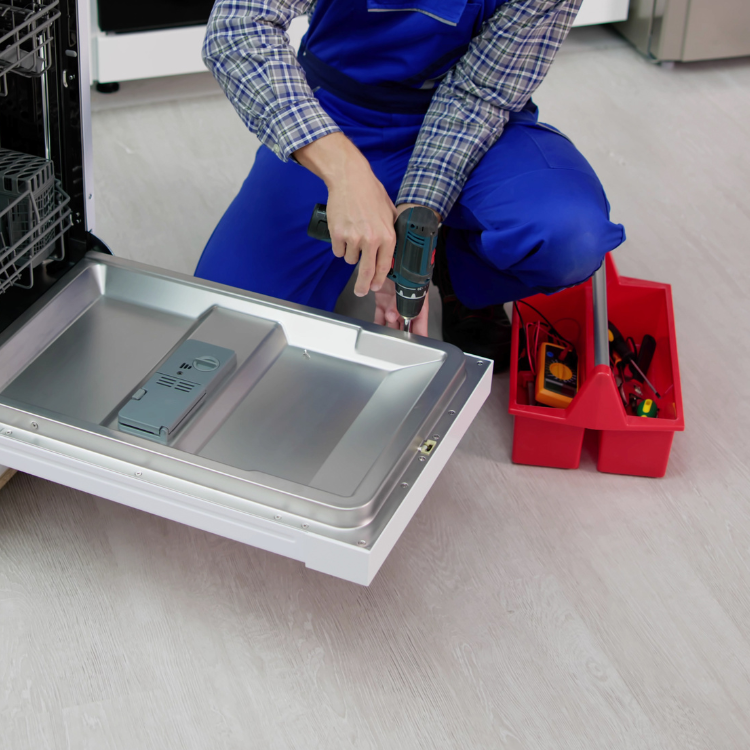
Dishwasher Not Cleaning Properly: Repair Help Nearby
If your dishwasher is leaving spots, film, or food behind, the cause is usually something specific, like clogged spray arms, poor water circulation, or detergent issues. This guide helps you narrow down what to check at home, then explains when it’s time to call Texas True Appliance Repair in McKinney, TX for dishwasher repair services.
Last night’s dinner plates came out of the dishwasher looking… almost clean. There’s a cloudy film on glassware, a few spots on bowls, and a stubborn bit of food stuck near the bottom rack.
In McKinney, TX, that “almost clean” feeling can happen when the dishwasher is not spraying or rinsing correctly. The good news is you can often identify the issue by checking a few common culprits before you schedule dishwasher repair.
In this guide, you’ll learn what to check first, the main factors behind poor cleaning, and the mistakes that keep the problem going. You’ll also get a clear checklist to help you describe the issue to a professional appliance repair technician.
- Quick answer
- What to check first
- Main things customers should understand
- Why this matters in McKinney, TX
- Common mistakes to avoid
- Customer checklist
- Frequently asked questions
Quick Answer
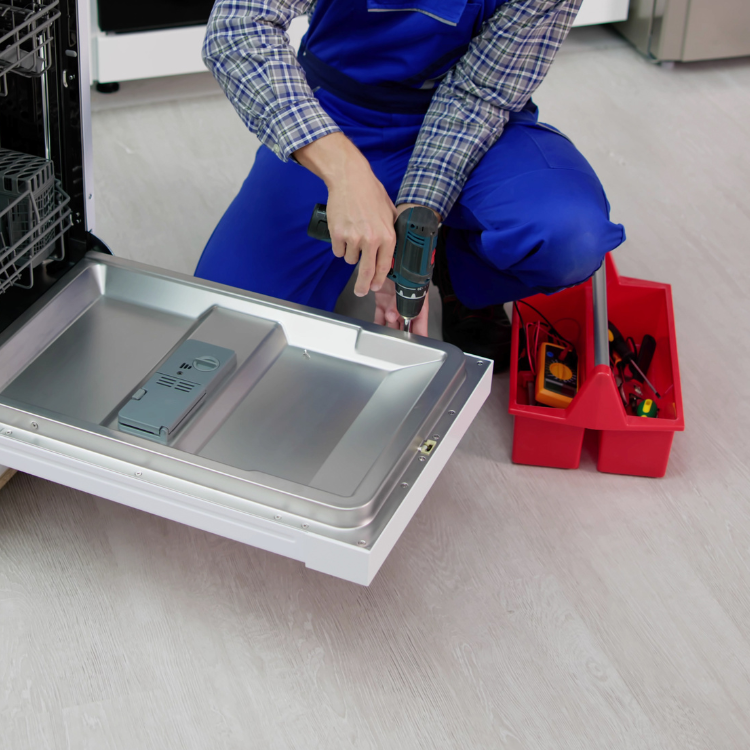
If your dishwasher isn’t cleaning properly, start by checking the filter, spray arms, and detergent routine. Make sure the filter is seated correctly, the spray arms can spin freely, and you are using the right amount/type of detergent (and rinse aid if your machine uses it). If the problem continues after cleaning those parts, the issue is often water flow or circulation related, which is where a professional dishwasher repair technician can help. For local appliance repair services in McKinney, TX, contact Texas True Appliance Repair at (469) 596-1814 or visit dishwasher repair services.
What to Check First
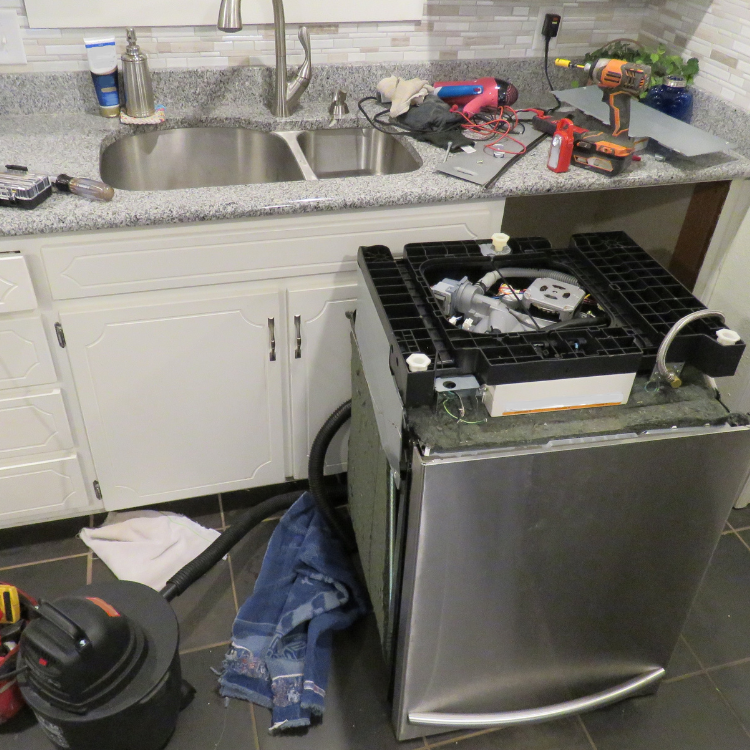
Before you buy anything new, take a quick look at the dishwasher components that control cleaning performance. Start with the filter and spray arms, because clogged parts limit how well water reaches your dishes.
1) Inspect and clean the filter
Food particles and grease buildup can restrict water flow. Remove the filter (as your manual allows), rinse it thoroughly, and reinstall it snugly.
2) Check the spray arms
Look for blocked nozzles or a spray arm that will not spin freely. If you find debris, clear it carefully so water can distribute evenly.
3) Confirm detergent and loading
Use the recommended detergent amount. Also confirm dishes are not blocking the detergent cup or spray coverage, especially on the bottom rack.
Professional observation: When a dishwasher leaves film or partial spots, it often points to water distribution problems rather than “dirty dishes.” If the top rack cleans but the bottom rack doesn’t, or vice versa, that pattern is especially useful for diagnosis.
Main Things Customers Should Understand
Dishwasher cleaning performance depends on water reaching the dishes at the right time, with the right pressure and flow. If anything interrupts that process, you can see symptoms like cloudy glass, greasy residue, or leftover food in corners.
Clogged filter or drain area
When the filter is packed with debris, the dishwasher may recycle dirty water instead of draining and refilling for proper rinsing.
Spray arm blockages
Small clogs in the spray arm nozzles can reduce cleaning coverage. That’s why some dishes come out clean while others keep repeating the same problem.
Water circulation issues
If cleaning has worsened over time, the machine may not be circulating water effectively. This can be caused by internal components that require inspection.
Hard-water residue and rinse aid needs
Cloudy spots on glassware can be linked to mineral deposits. If your dishwasher uses rinse aid, the rinse cycle may perform better when it’s maintained correctly.
Detergent mismatch or incorrect amount
Using too little detergent or the wrong type for your cycle can lead to incomplete cleaning, especially on heavier soil loads.
Cycle selection and soil level
Skipping the right cycle for cookware and stuck-on food can leave residues. If you recently changed what you wash, that can be part of the pattern.
Hand-on industry observation: In real troubleshooting, one of the quickest clues is whether the issue repeats in the same locations. If the same rack corners always have residue, it usually comes back to how water is reaching those areas, not random “dishwasher mood.”
Why This Matters in McKinney, TX
For homeowners and property managers in McKinney, TX, dishwashers tend to run through a mix of everyday loads and occasional heavier use, like family gatherings or meal prep. When the dishwasher starts underperforming, it can turn into a repeated daily hassle, especially if you are washing for multiple households or a rental property.
Texas True Appliance Repair focuses on local appliance repair services and understands how common dishwasher problems show up in real homes, including clogged buildup from regular use and issues that worsen as mineral residue and food particles accumulate. If you are also dealing with other kitchen appliances, you may find it helpful to review related repair options like garbage disposal repair when kitchen drainage problems overlap with dishwashing routines.
| What you notice | Most likely cause to check | Next step |
|---|---|---|
| Cloudy film on glasses | Rinse aid routine, mineral buildup, and rinse performance | Check rinse aid usage and clean the filter and spray arms first |
| Food left on the bottom rack | Spray arm blockages or blocked water coverage | Inspect spray arm nozzles and loading layout, then retest |
| Greasy residue on plates | Detergent amount/type and circulation effectiveness | Verify detergent routine and consider professional inspection if it persists |
| Water pooling or poor drainage | Filter/draind area restriction | Clean the filter and check for debris; schedule repair if drainage stays weak |
Get help diagnosing your dishwasher
If you’ve cleaned the filter and spray arms but the same dishes keep coming out dirty, Texas True Appliance Repair can help pinpoint what’s affecting water flow and cleaning performance.
Call (469) 596-1814Common Mistakes to Avoid
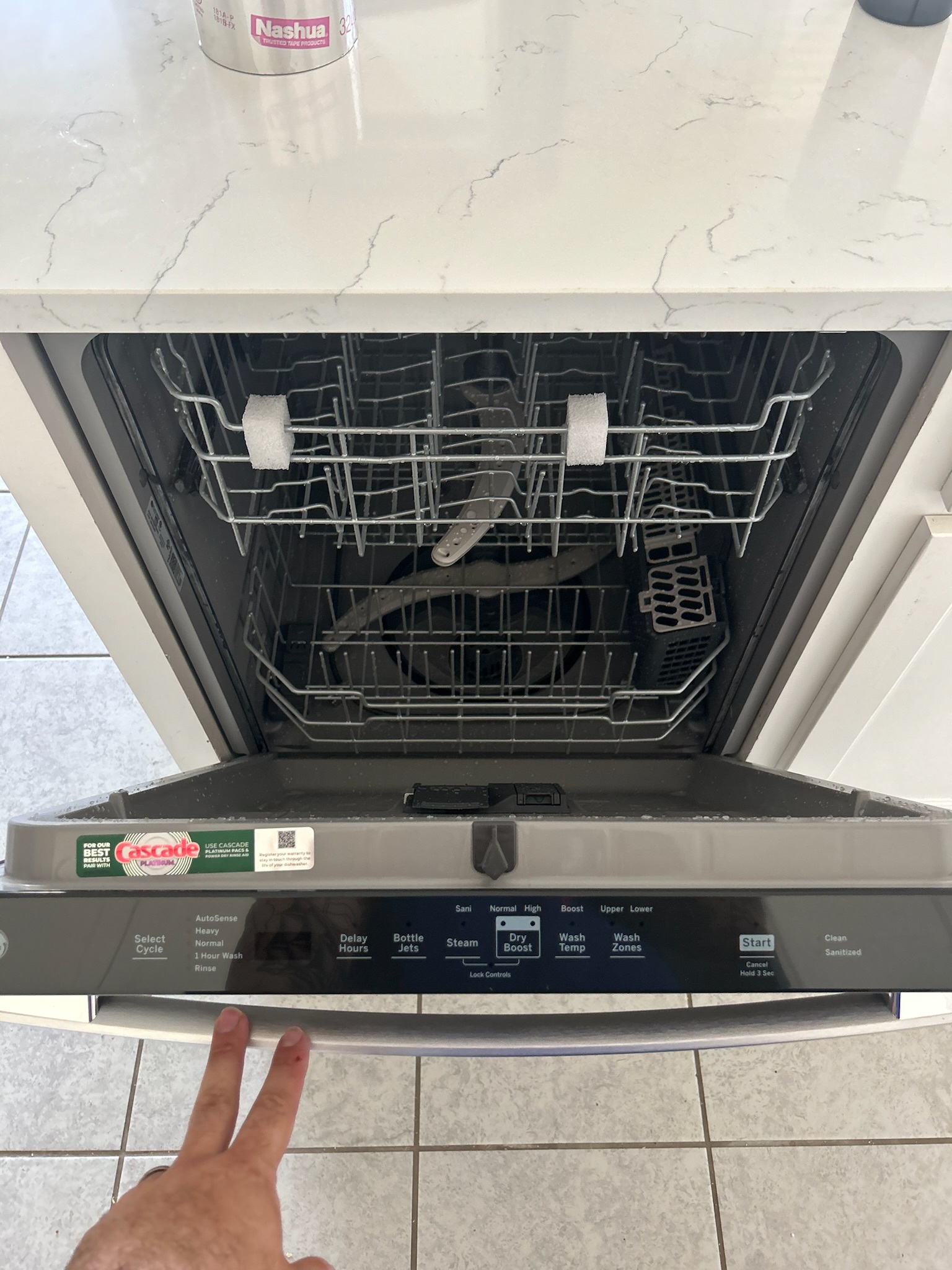
These are the habits that commonly keep dishwasher cleaning problems going, even when you try “fixes” at home. Avoiding them can save time and prevent unnecessary part swaps.
- Overloading the dishwasher so dishes block spray coverage.
- Using too little detergent or changing detergent brands without adjusting the amount.
- Running the wrong cycle for heavily soiled cookware.
- Skipping the filter cleaning or reinstalling it loosely.
- Assuming the detergent cup is the only issue when spray arms are clogged.
- Scrubbing dishes less because the dishwasher “should handle it,” while residues are actually restricting the rinse.
Customer Checklist
Before you contact a professional, gather a few details. This helps a professional appliance repair technician diagnose faster and reduces guesswork.
Practical recommendation: Write down the pattern you’re seeing. For example: “Top rack is mostly clean, bottom rack has spots,” or “Glasses are always cloudy.” That single detail often narrows the likely cause.
- Confirm you cleaned the filter and reinstalled it correctly.
- Check whether spray arms spin freely and whether nozzle holes are blocked.
- Note what type of residue you see (food bits, grease, cloudy film).
- Record which rack and which items repeat the problem.
- Verify detergent type and approximate amount used per cycle.
- Let the technician know if the issue started suddenly or gradually.
- Share whether the dishwasher drains normally or leaves standing water.
Representative scenario (what this often looks like)
A homeowner in McKinney, TX notices that their dishwasher cleans well on some loads but leaves greasy residue on plates after larger family meals. They clean the filter, but the problem keeps returning, and the bottom rack shows the most buildup. After verifying detergent quantity and loading space, they still see the same pattern. In cases like this, a professional diagnosis focuses on water circulation and spray performance rather than just detergent.
Frequently Asked Questions
Here are a few common questions customers ask when their dishwasher is not cleaning properly. Answers are based on typical troubleshooting and what technicians usually check first.
Why does my dishwasher leave cloudy film on glassware?
Cloudy film is often linked to how the dishwasher rinses and whether minerals build up over time. Start by cleaning the filter and making sure spray arms can distribute water across the racks. If your dishwasher uses rinse aid, confirm it’s filled and that you are using the right detergent for your cycle. If the film continues even after those checks, the issue may be tied to rinse performance or circulation, which is a good reason to schedule dishwasher repair services from Texas True Appliance Repair.
Can I fix poor cleaning by changing detergent alone?
Sometimes detergent helps, especially if you are using too little or the wrong type for the cycle. But detergent alone rarely solves problems caused by blocked spray arms, an incorrectly seated filter, or limited water circulation. If you notice a consistent pattern, like the same spots or the same rack not cleaning well, it suggests a water distribution issue. A practical approach is to clean the filter and inspect spray arms first, then adjust detergent if needed.
What should I check if the bottom rack is always dirty?
When the bottom rack is the one that repeatedly comes out dirty, it often points to water reaching those items. Check that you are not blocking the spray coverage with large bowls or tall items. Then inspect the spray arm for clogs in nozzle openings and confirm it can spin freely. If you cleaned these components and the issue persists, the next step is professional inspection because internal water flow or circulation components may be affecting performance.
How do I prevent dishwasher problems from coming back?
Maintenance is mostly about keeping water pathways clear. Clean the filter regularly, avoid overloading, and make sure the detergent cup and spray arms are not obstructed. If you wash items with heavy grease, consider using the cycle that matches the soil level instead of relying on a lighter wash. When you see a repeating residue pattern, address it early rather than waiting for it to worsen.
Could my dishwasher issue be related to another appliance in the kitchen?
Yes, sometimes. If your kitchen drainage system is not behaving normally, it can affect how the dishwasher drains and rinses. If you also notice slow sinks or other symptoms, it can help to coordinate repair attention. Texas True Appliance Repair offers appliance repair services beyond dishwashers, including garbage disposal repair, which can be relevant when drainage and kitchen cleanup routines overlap.
Ready to get your dishwasher back to reliable cleaning?
If the filter and spray arms are clean but your dishwasher still leaves residue, Texas True Appliance Repair can help with professional dishwasher repair services for customers in McKinney, TX and nearby areas like Allen, Frisco, Plano, and Richardson.
Request dishwasher repair helpPrefer to talk first? Call (469) 596-1814.

Texas True Appliance Repair
Texas True Appliance Repair provides local appliance repair services in McKinney, TX and surrounding communities. Whether you need appliance repair services for a household unit or help with kitchen-focused repairs, the goal is the same: restore dependable performance with practical, technician-driven troubleshooting.
If your dishwasher problem is connected to another appliance, you can also explore repair options like refrigerator repair services or oven repair services.