
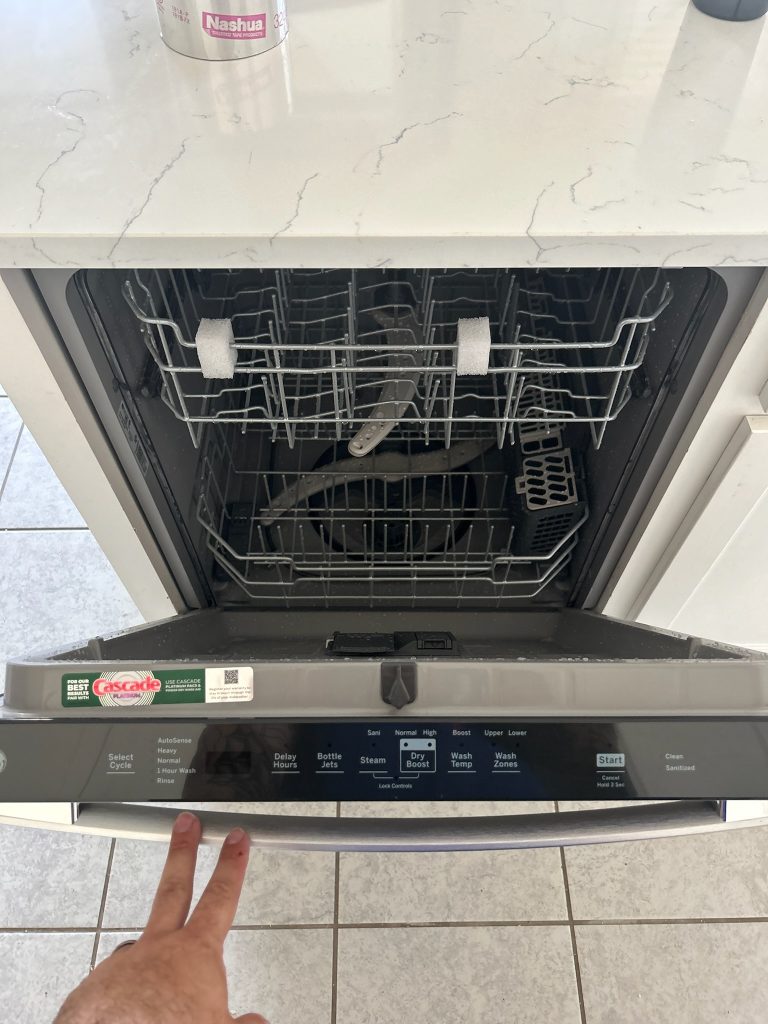
Dishwasher Not Draining? Get Repair Help Today
If your dishwasher leaves standing water after a cycle, it is usually a drainage problem, not a “normal” cleanup issue. This guide walks you through the most common causes, what you can safely check at home, and when it is time to call a professional appliance repair technician in McKinney, TX.
After dinner in McKinney, TX, you load the dishwasher and run a full cycle. When you open the door, there is still water sitting at the bottom, sometimes with food residue and an odor. You can start another cycle, but the water just comes back, and now you are wondering if you need a repair or if there is something simple you missed.
This article will help you understand what typically causes a dishwasher to not drain, what to check first without risking damage, and how to decide between a quick fix and professional dishwasher repair services. You will also see a local perspective on common homeowner challenges in the area.
- Quick answer
- What to check first
- Main things customers should understand
- Why this matters in McKinney, TX
- Common mistakes to avoid
- Customer checklist
- Frequently asked questions

Quick Answer
If your dishwasher is not draining, start by checking the filter and drain area for food buildup, making sure the drain hose is not kinked or blocked, and verifying the unit has proper water flow during the cycle. If the problem persists after you clean the filter and remove visible debris, the cause is often a clogged drain line, a failing drain pump, or an issue with the dishwasher’s drain system components. For reliable troubleshooting and dishwasher repair services, contact Texas True Appliance Repair in McKinney, TX at (469) 596-1814.
What to Check First
Before you call for help, you can narrow down the most common drainage causes safely. These steps are aimed at removing blockages and confirming whether the dishwasher is actually moving water out during the drain portion of the cycle.
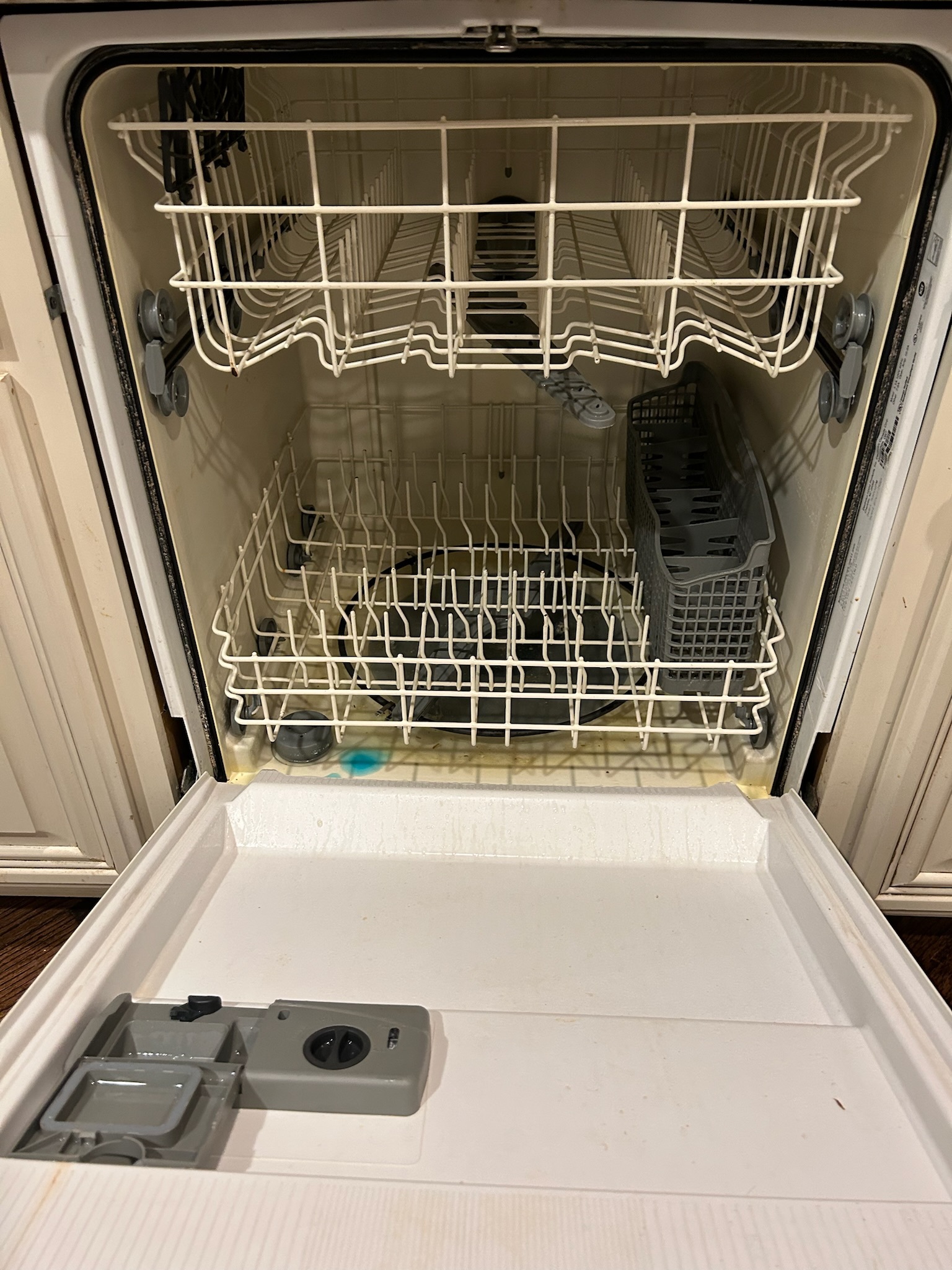
Check the filter and sump area
Remove the bottom rack, locate the dishwasher filter, and rinse it under running water. Wipe the surrounding sump area for grease and food particles that can stop water from draining.
Look for standing water patterns
If water collects only after certain cycles or only when the load is heavy, buildup and pump strain are likely. If it happens every time, the drain system needs closer inspection.
Inspect the drain hose for kinks
If accessible, check whether the drain hose is sharply bent or crushed behind the unit. Even a small restriction can prevent proper draining.
Main Things Customers Should Understand
Dishwashers do not “just stop draining” randomly. A clear pattern usually points to one part of the drainage path failing or becoming blocked. From what we see during appliance repair visits, the most common causes fall into a few buckets.
Professional observation: Standing water is often the result of a partial blockage or a drain pump that cannot move water fast enough. Cleaning the filter helps when debris is the culprit, but persistent pooling usually means the drainage system needs testing.
Clogged filter or food buildup
Grease, starchy residue, and small food bits can collect in the filter and sump. When the dishwasher tries to drain, the restriction slows the process until water remains at the bottom.
Drain line blockage
If the drain hose or the connection point to your home’s drain is restricted, the dishwasher may drain slowly or not at all. This is especially noticeable when multiple loads have the same issue.
Drain pump or motor wear
The drain pump pushes water out. If it is weak or failing, you may hear a change in sound during the cycle, or you may find water left behind even after cleaning the filter and checking the hose.
Improper installation or hose routing
Dishwasher drain hoses must be routed correctly. If the hose is not positioned to allow smooth flow, water can back up. Older installs and adjustments after home maintenance can sometimes contribute to recurring drainage problems.
Why This Matters in McKinney, TX
In McKinney, TX, many homes run dishwashers multiple times a day during busy weeks and weekends. When a dishwasher does not drain, the standing water can lead to ongoing odors and residue, which makes kitchen cleanup harder and can increase the time you spend washing by hand.
Local insight: In North Texas homes, dishwashers in older kitchens and multi-use households often get loaded quickly. That can mean more food particles enter the drain area, so filter cleaning and drainage checks become a practical first step before the issue escalates.
Common Mistakes to Avoid
A few missteps can make the drainage issue worse or lead to unnecessary parts replacements. Use these as a quick reality check before you troubleshoot further.
- Skipping the filter: If the filter is clogged, the drain path stays restricted even if the pump is working.
- Using harsh chemicals repeatedly: Pouring cleaners into the dishwasher can damage components and may not remove the actual blockage in the drain system.
- Ignoring the drain pattern: If water remains every cycle, treat it as a drainage system problem, not a one-time “dirty cycle.”
- Forcing the unit open mid-cycle: Stopping a cycle at the wrong time can splash water and complicate diagnosis.
- Assuming it is only a clog: Even when debris is present, a weak drain pump can still leave water behind.
Customer Checklist
Use this checklist to help you communicate clearly with a professional appliance repair technician. It also helps you avoid repeating the same troubleshooting steps when the real issue is elsewhere in the drainage system.
- Did the dishwasher leave water after every cycle or only certain cycles?
- Have you cleaned the filter and the area around the sump?
- Any changes in sound during the drain portion of the cycle?
- Is the drain hose visibly kinked or restricted (if accessible)?
- Do you notice odor or residue that returns quickly?
- Is this happening in one dishwasher at your home or multiple appliances nearby?
Representative Scenario
A Plano-area homeowner reported that their dishwasher in the middle of a weekend wash left a shallow pool of water at the bottom and food residue on the lower rack. They cleaned the filter and ran another cycle, but the water remained. After inspection, the issue was traced to the drainage path not moving water effectively, requiring professional dishwasher repair services to restore proper draining.
Decision Table: DIY Checks vs. Repair Help
If you want to decide what to handle yourself and what to hand off, this quick comparison can help you choose the safest next step.
| What you notice | Most likely cause | What to do next |
|---|---|---|
| Water only after heavy loads | Filter/sump buildup or partial restriction | Clean the filter and sump area, then re-test with a smaller load |
| Water remains after every cycle | Drain pump weakness or drain line restriction | Schedule professional troubleshooting with Texas True Appliance Repair |
| Odor and residue build quickly | Standing water and incomplete draining | Do not rely on repeated cycles. Get the drainage system checked |
| Drain hose appears kinked or crushed | Improper routing or physical restriction | Correct the routing if accessible, then test. If it recurs, request service |
Get your dishwasher draining correctly again
If you cleaned the filter and checked basic restrictions but the dishwasher still leaves standing water, Texas True Appliance Repair can diagnose the drainage system and recommend the right next step for dishwasher repair services in McKinney, TX.
Request dishwasher repair helpFrequently Asked Questions
Here are common questions homeowners and property managers ask when a dishwasher is not draining. The answers focus on practical next steps and what typically needs inspection.
How do I know if the issue is the filter or the drain pump?
If cleaning the filter and sump area fixes the problem for at least a few cycles, the blockage was likely in the debris path. If water remains after cleaning, the drain pump or drain line is often the next area to test. A technician can confirm whether water is actually being pushed out during the drain portion and whether the drainage path is restricted.
Is it safe to keep running the dishwasher when there is standing water?
Running the dishwasher repeatedly with standing water can leave residue and odors behind, which can make the problem harder to clean up. It can also increase the chance of food debris settling in the drain area. A better approach is to pause and do basic checks like filter cleaning, then re-test once. If it still does not drain, professional troubleshooting is the practical next step.
Could a kitchen garbage disposal affect dishwasher draining?
Yes. If your dishwasher drain connects through the kitchen sink drain system, a clogged or restricted garbage disposal or drain line can affect how well the dishwasher drains. If you suspect a sink-side restriction, you may want to have that checked alongside the dishwasher. Texas True Appliance Repair also supports related service like garbage disposal repair at garbage disposal repair when drainage issues overlap.
What if the dishwasher drains slowly instead of not draining at all?
Slow draining often points to a partial blockage or a drain pump that is not moving water efficiently. Even if the dishwasher eventually drains, the remaining delay can lead to residue and odor. Cleaning the filter is a solid first check, but if it keeps happening, a technician can inspect the drain system components and confirm whether the pump and hose routing are functioning as intended.
Can I troubleshoot drainage problems with other appliances at the same time?
You can troubleshoot carefully, but avoid changing multiple variables at once. If you notice other appliance symptoms, address them separately. For example, if you also have issues with cooling or water heating, that is a different system. If you are dealing with broader kitchen appliance problems, Texas True Appliance Repair offers service for multiple major appliances, including refrigerator repair services and oven repair services.
Call Texas True Appliance Repair in McKinney, TX
If your dishwasher is leaving water behind, the fastest path is usually professional diagnosis of the drainage system. Texas True Appliance Repair serves McKinney and nearby areas including Allen, Frisco, Plano, and Richardson.
Call (469) 596-1814
About Texas True Appliance Repair
Texas True Appliance Repair provides appliance repair services for homeowners and businesses in McKinney, TX and surrounding communities. Whether you need dishwasher repair services or help with other kitchen and home appliances, their team focuses on practical troubleshooting and repair work that gets appliances working reliably again.
You can explore additional services at Texas True Appliance Repair, including dishwasher repair and commercial appliance repair services.