
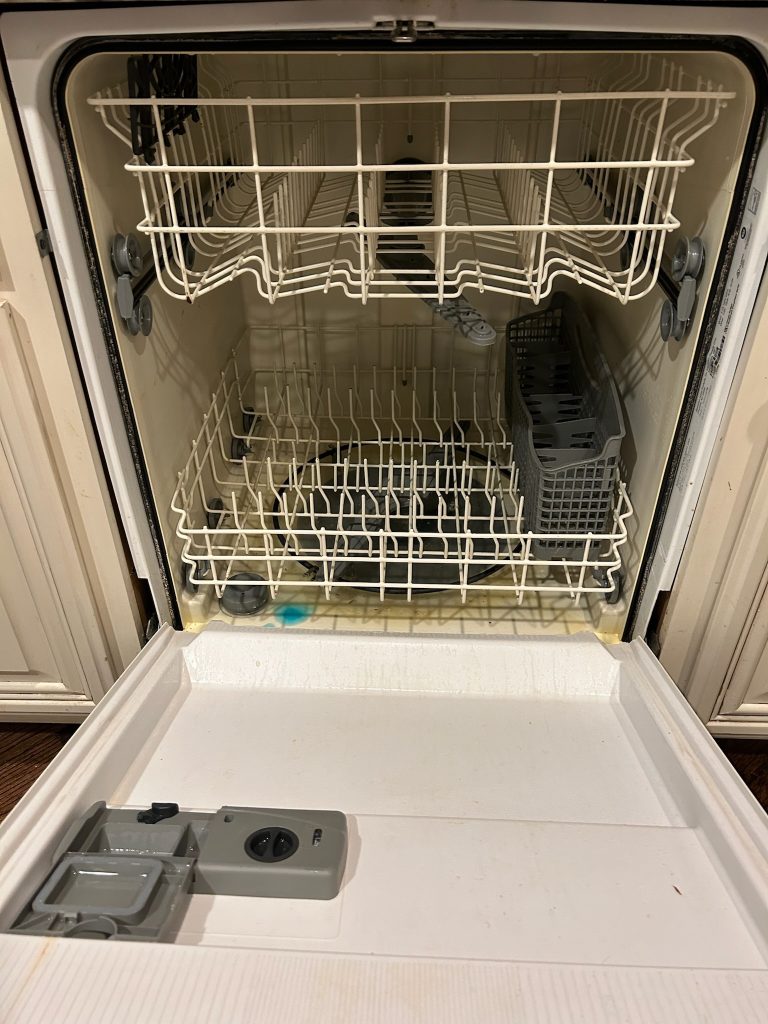
If you notice water pooling around your dishwasher in McKinney, TX, you are not just dealing with a mess. A leak can affect floors, cabinets, and electrical components. This guide helps you identify common leak sources, understand safety risks, and choose the right repair path with a local appliance repair technician.
Last night the dishwasher finished its cycle, and you noticed a wet ring on the kitchen floor. Today, the same area looks damp again, and the cabinet base near the unit feels slightly swollen.
Before you keep running the dishwasher or start moving parts, it helps to know what leak signs usually mean, what is safe to check yourself, and when the issue is more than a simple adjustment. This guide will walk you through the most common causes, what to watch for, and how to talk to a professional about dishwasher repair services in McKinney.
- Quick answer
- What to check first
- Main things customers should understand
- Why this matters in McKinney, TX
- Common mistakes to avoid
- Customer checklist
- Frequently asked questions
Quick Answer
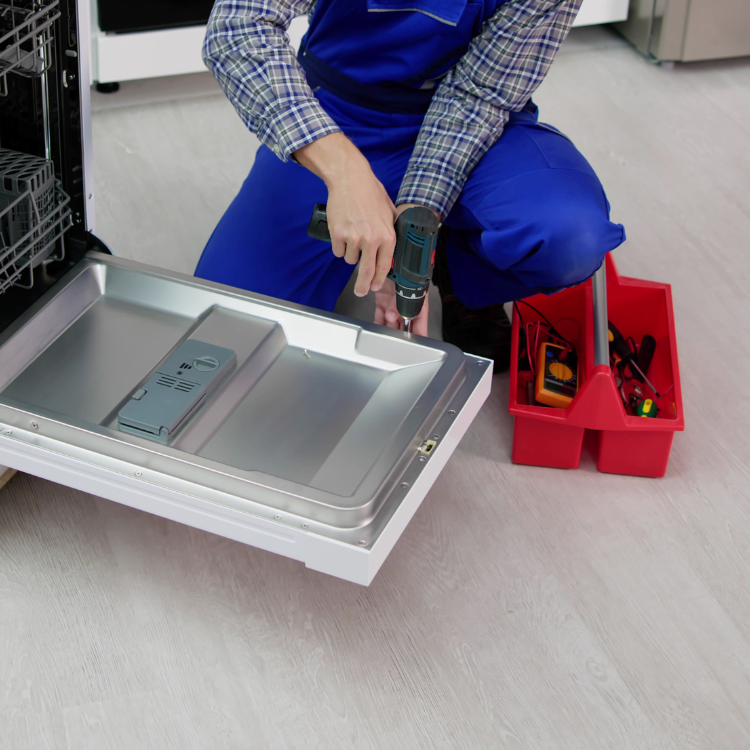
If your dishwasher is leaking, start by turning it off and checking where the water is coming from: the door area, the front corners, the supply line, or the base/pump area. Small puddles after a single cycle can sometimes be caused by over-sudsing, a blocked drain path, or a loose connection. Repeated pooling, wet cabinet material, or water near electrical components means you should stop using the unit and schedule professional evaluation. For reliable dishwasher repair services, contact Texas True Appliance Repair so a professional appliance repair technician can diagnose the leak source and repair the correct part.
What to Check First
Before troubleshooting, treat the leak like a safety issue. Turn off power to the dishwasher at the breaker and do not run cycles while water is actively collecting. Then, inspect calmly and methodically to narrow down the leak path.

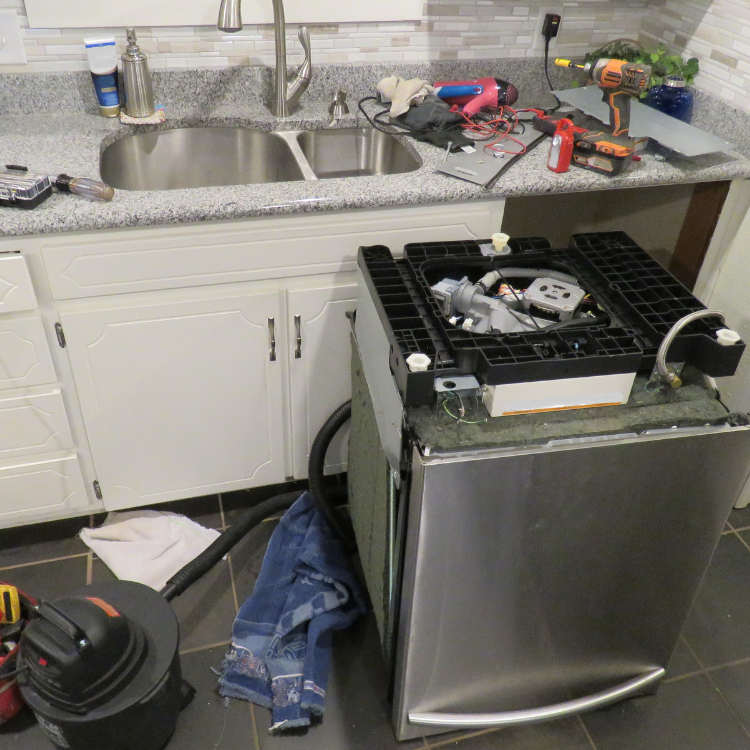
- Look for the water source: door edges, lower front corners, the hose/supply line area, or pooling beneath the unit.
- Check for over-sudsing: use the right detergent type and avoid too much soap that can cause foam to escape.
- Verify the dishwasher is level. A tilted unit can stress seals and cause water to run toward the front.
- Inspect the filter and drain area. Debris buildup can interfere with draining and increase overflow risk.
- Dry the area and monitor. If the leak starts only during wash, it points more toward inlet/spray or a seal issue.
Once you have a rough idea of where the leak appears, you can make better decisions about whether the fix is likely a simple adjustment or a component-level repair. If you are not sure, that is a normal point to pause and get a professional opinion.
Main Things Customers Should Understand
Dishwasher leaks usually fall into a few categories: seal and door issues, drain and filter problems, and water inlet or hose connection faults. Understanding which bucket the leak fits into helps you avoid unnecessary part swaps and spend less time guessing.
Door seal and latch area
If water appears around the door edges or you see moisture inside the door panel, the issue may involve door gasket condition, latch alignment, or improper loading that prevents a full seal.
Drain and pump path
If the leak is more noticeable after the cycle or you find water near the bottom, the problem could be restricted drainage, an obstructed filter, or a failing drain component that cannot move water through as designed.
Hoses and water supply connection
If you see moisture at the supply line, connections, or around the lower back area, it often points to a hose connection, clamp fit, or a component that has worn over time.
Professional observation: Leaks can look “random” until you watch the unit by cycle stage. Water that first shows up during filling and spraying is different from water that shows up during draining or at the very end.
| What you notice | Most likely category | What a technician typically checks | Customer-friendly next step |
|---|---|---|---|
| Water appears near the door edges | Door seal/latch alignment | Gasket condition, latch fit, loading and seal contact | Stop using it and schedule evaluation if it repeats |
| Water pools near the front corners or bottom | Drain/pump path | Filter/drain obstruction, drain performance, base area components | Do not keep running until the drain is verified |
| Moisture at the hose or connection area | Water supply line or fittings | Hose integrity, clamps/fit, connection leak points | Turn off power and arrange repair |
| Sudden leak after using a different detergent | Over-sudsing | Detergent type, foam behavior, rinse aid usage | Switch to recommended detergent and retest safely |
A firsthand-style industry observation
In real homes, I often see leaks that are blamed on “the dishwasher itself,” but the source is actually the path water takes once it escapes. For example, a small leak at a connection can run forward and collect at the lowest point, making it look like the door or drain is the true culprit. That is why professionals focus on tracing the leak during the cycle, not just cleaning up the floor afterward.
Why This Matters in McKinney, TX
McKinney kitchens often have built-in cabinetry and finished floors where moisture can show up quickly. When a dishwasher leak continues, water can seep into cabinet materials and create an ongoing moisture problem that is harder to correct later. Also, Texas homes can see seasonal swings that affect how materials expand and contract, which can stress seals and connections over time. Addressing leaks promptly helps protect the surrounding kitchen components.
Local insight: If you are dealing with a dishwasher leak in McKinney or surrounding areas like Allen, Frisco, Plano, or Richardson, the most efficient path is to have a technician identify the leak source before you re-level, re-seat, or replace parts. A correct diagnosis reduces the chance of chasing the wrong symptom.
Get a practical diagnosis for your dishwasher leak
Texas True Appliance Repair can help you narrow down the leak source and move toward the right repair option for your kitchen.
Dishwasher repair servicesCommon Mistakes to Avoid
People usually try to solve a dishwasher leak quickly. The problem is that some “fixes” make the leak worse or hide the real cause. Here are the most common mistakes homeowners make.
- Keeping the dishwasher running while water is pooling, which can spread moisture and increase the risk of further damage.
- Assuming the leak is always the door. Water can travel along the unit and show up somewhere else on the floor.
- Overfilling or using the wrong detergent, which can create foam and contribute to oversudging-related leaks.
- Cleaning the floor but skipping the inspection. If the leak source is not corrected, the problem typically returns.
- Trying to fix a suspected drain issue by repeatedly running cycles with dirty water still present.
Customer Checklist
Use this checklist to prepare for a call with a local appliance repair company. When you share a few specifics, a professional technician can often narrow down likely causes faster.
- When the leak happens: during filling/spraying or after draining.
- Where the water collects: door edge, front corners, underside/base area, or near the supply line.
- What changed recently: detergent switch, loading changes, recent cleaning, or moving the unit.
- Any signs of water damage: damp cabinet bottoms, staining, or musty smells under/near the dishwasher.
- Whether the leak is repeated every cycle or only sometimes.
Representative scenario (anonymized)
A homeowner in McKinney noticed water after two consecutive cycles. The first time, the floor was only damp near the front, so they wiped it and ran another load. By the third cycle, the cabinet base felt soft to the touch. The technician traced the leak timing to the draining stage and inspected the filter and drain path before checking the base area components. That approach helped focus the repair on the correct part of the dishwasher’s cycle rather than treating it like a door-seal problem.
Frequently Asked Questions
Here are answers to the most common questions we hear from homeowners dealing with dishwasher leaks.
Can a leaking dishwasher be dangerous?
Yes, a leak can be more than a cleanup issue. Water around a dishwasher can damage nearby materials and can also affect components that are not meant to stay wet. If you see recurring pooling, damp cabinet bases, or water near hoses and connections, it is best to stop using the dishwasher and have it checked. Turning off the dishwasher power at the breaker before inspecting is a practical safety step.
What usually causes a dishwasher to leak from the bottom?
Bottom leaks commonly relate to the drain and pump path, filter area, or base components. If the leak is most noticeable after the cycle or during draining, restricted drainage or a failing drain-related component can cause water to build up. Sometimes a small leak elsewhere can run downhill and collect at the lowest point, which is why technicians focus on leak timing during the cycle.
Is over-sudsing a real cause of dishwasher leaks?
It can be. Using too much detergent or a detergent that does not work well with your dishwasher can create excess foam. That foam can escape from areas that should remain sealed during normal operation, especially if the dishwasher’s cycle is trying to drain while foam is present. If you suspect detergent-related over-sudsing, switch to the appropriate product and reassess after the unit is safe and dry, but recurring leaks still deserve a professional diagnosis.
Should I try to fix a leak by tightening connections myself?
Tightening may help only if the leak is truly a loose connection and you can access the fitting safely. However, many dishwasher leaks involve worn hoses, clamp fit, seal condition, or internal drainage performance. If you are not confident about the location or you are seeing repeated pooling, it is usually more reliable to have a professional appliance repair technician inspect the system rather than repeatedly re-tightening without confirming the source.
How do I decide between dishwasher repair and other appliance repair services?
Start with the exact appliance and the exact leak location. If the water is coming from the dishwasher area, dishwasher repair services are the right focus. If you notice a different appliance issue nearby, you may need a separate specialty service. For example, if you also have cooling problems, you might consider refrigerator repair services, while a separate heating issue could point to oven repair services. Texas True Appliance Repair can help route the right repair request.
Stop the leak and protect your kitchen
If your dishwasher leak is repeating, getting worse, or affecting nearby cabinets, Texas True Appliance Repair can help you identify the source and choose the right repair option.
Call (469) 596-1814
Texas True Appliance Repair
Texas True Appliance Repair provides appliance repair services for homeowners and businesses around McKinney, TX and nearby areas including Allen, Carrollton, Celina, Frisco, Little Elm, Melissa, Plano, Prosper, and Richardson. Whether you need dishwasher repair services or help with another appliance, our goal is to help you get back to reliable daily use with professional appliance repair technician support.
If you are also troubleshooting another kitchen appliance, you can explore related repair topics such as refrigerator repair services, garbage disposal repair, or oven repair services.