
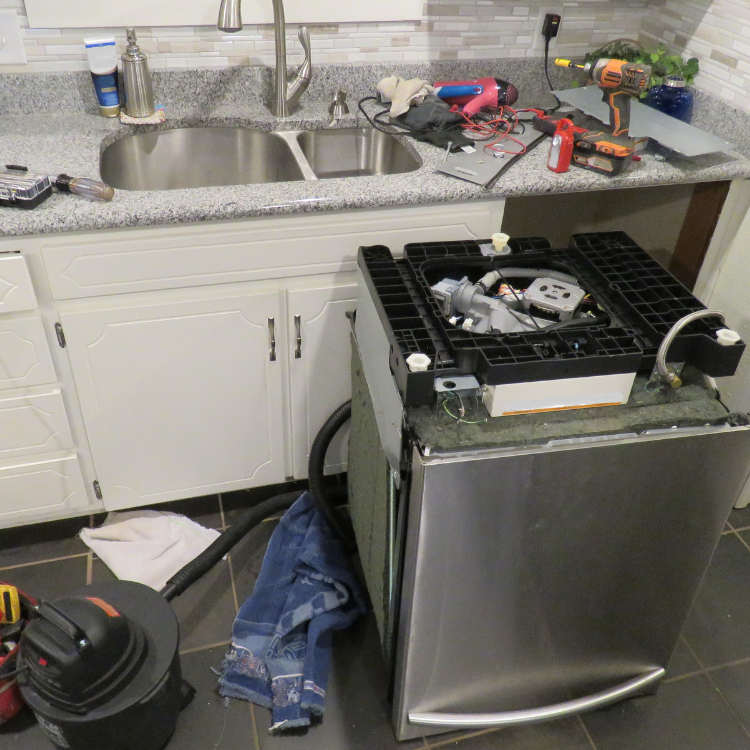
Preventative Dishwasher Maintenance Tips to Avoid Breakdowns
If your dishwasher in McKinney is starting to leave spots, making louder noises, or taking longer to finish, it usually is not “random.” Most issues start with small, fixable habits that affect spray performance, drainage, and parts like filters and pumps. This guide helps you catch early warning signs, keep cycles running efficiently, and know when it is time to call a professional appliance repair technician.
Last week, a homeowner in McKinney told us their dishwasher still ran, but the dishes started coming out with cloudy film and a faint odor. The next load took noticeably longer, and the bottom rack seemed wetter than usual. They were worried it might be a major breakdown, but they did not want to guess and make things worse.
This maintenance guide will help you understand what to check first, what “normal wear” looks like, and which small adjustments can prevent common dishwasher failures. You’ll also get a practical checklist you can use before problems escalate, plus a clear decision table for whether to troubleshoot at home or book professional dishwasher repair services.
- Quick answer
- What to check first
- Main things customers should understand
- Why this matters in McKinney, TX
- Common mistakes to avoid
- Customer checklist
- Frequently asked questions
Quick Answer
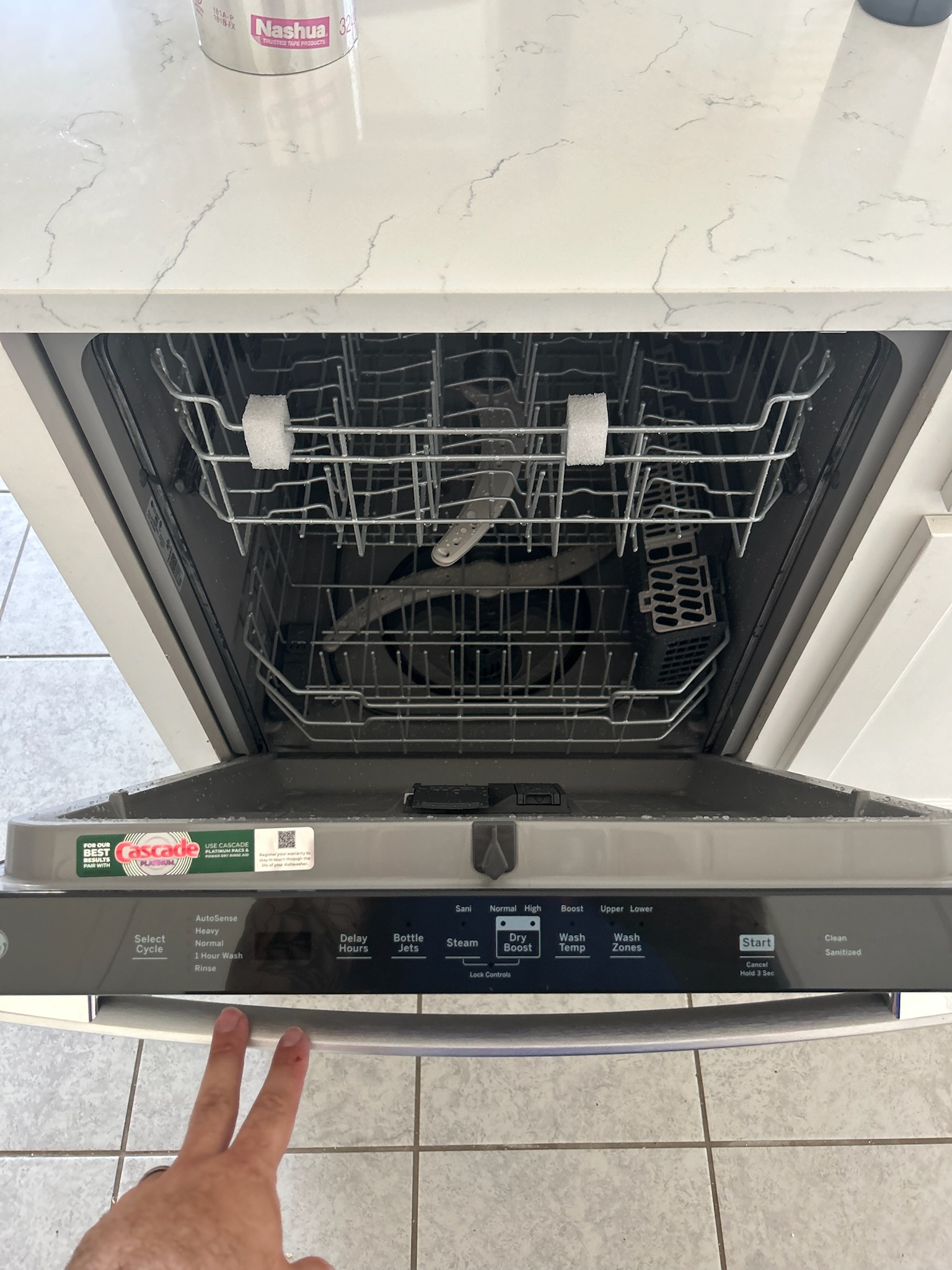
If your dishwasher is underperforming, start with the basics: clean the filter and inspect the spray arms for clogs, verify the drain area is clear, and confirm you are using the right detergent for your water conditions. If you notice persistent pooling water, repeated error behavior, or burning smells, stop troubleshooting and schedule professional dishwasher repair services. For McKinney homeowners, routine checks every month help prevent drainage and wash-pattern problems that often lead to breakdowns.
What to Check First
Begin with the parts that most often get overlooked: the filter, the spray arms, and the drain path. These components control whether water can circulate properly and whether dirty water can leave the tub completely. If either step struggles, you will usually see symptoms like cloudy dishes, poor cleaning, lingering odors, or water left at the bottom.
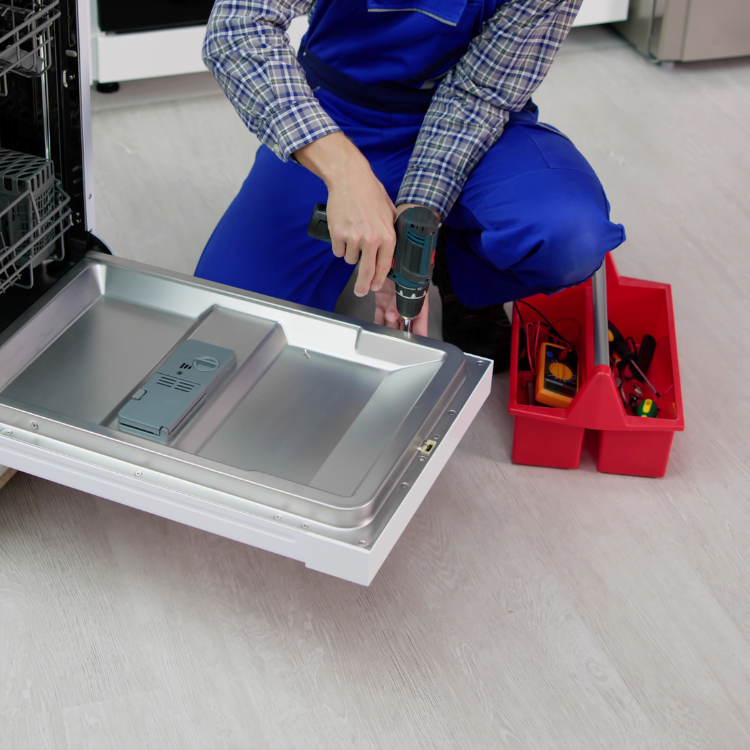
Here is a practical order you can follow without tools beyond basic cleaning supplies. First, remove and rinse the filter (if your model uses one), and check for trapped food particles or grease. Next, inspect the spray arms: look for blocked holes and make sure they spin freely. Finally, check the bottom area around the drain for debris buildup that can cause slow draining. If you find heavy buildup or parts that look damaged, that is a good moment to involve a professional appliance repair technician.
Main Things Customers Should Understand
Dishwashers are not just “wash and rinse.” They rely on a tight balance of water flow, drain performance, and temperature to dissolve detergent and remove residue. Preventative maintenance focuses on keeping that balance stable so you do not end up chasing symptoms that come from the same root cause.
Professional observation: Many dishwasher breakdowns start as wash-pattern issues. When spray arms get partially clogged or the filter is restricted, the system works harder to compensate, which can stress components over time.
Filter and drainage
Clean filters reduce recirculating debris. Clear drainage helps prevent standing water, which can lead to odor and corrosion-related wear.
Spray arms and jets
Clogged jet holes create uneven cleaning. If you see “hot spots” and “missed zones,” inspect spray arm movement and openings.
Detergent habits
Using the wrong amount, mixing products incorrectly, or skipping rinse aid when needed can contribute to film and residue buildup.
Why This Matters in McKinney, TX
In McKinney, dishwashers often get used heavily in homes that run on busy schedules: more loads, more pre-rinse habits, and more variability in what gets loaded. Food residue and grease still make their way into the dishwasher even with quick rinsing, so filters and spray arms can accumulate faster than people expect. That is why monthly checks matter, especially if your household includes children’s meals, frequent takeout, or regular cookware loads.
Local tip: If you notice dishes coming out with a film after the dishwasher has been running longer than usual, focus on filtration and drainage first. Those are the areas most often affected when the unit has to compensate.
| What you notice | Common preventative cause | What to do next |
|---|---|---|
| Dishes feel gritty or look cloudy | Restricted filter, partially clogged spray arm jets, detergent residue | Clean the filter and inspect spray arm holes before running another cycle |
| Odor or lingering smell | Standing water due to slow drainage or debris near the drain area | Clear debris from the bottom area and re-check drainage after a rinse cycle |
| Water pooling at the bottom | Drain path blockage or buildup that prevents proper emptying | Stop repeated tests if pooling continues; schedule professional dishwasher repair services |
| Louder than usual during wash or draining | Debris interfering with water flow or pump strain from poor drainage | Inspect for visible clogs; if noise persists, book service for inspection |
Need help diagnosing dishwasher issues?
If you have checked the filter and spray arms but the symptoms keep coming back, Texas True Appliance Repair can help with professional appliance repair technician support. We serve McKinney and nearby areas including Allen, Frisco, Plano, and Richardson.
Book dishwasher repair servicesCommon Mistakes to Avoid
Dishwasher problems often worsen when homeowners keep running the unit “to see if it improves.” The dishwasher can continue operating with reduced wash performance, which may increase residue buildup and strain parts. A few common mistakes are especially likely to turn a simple maintenance issue into a bigger repair.
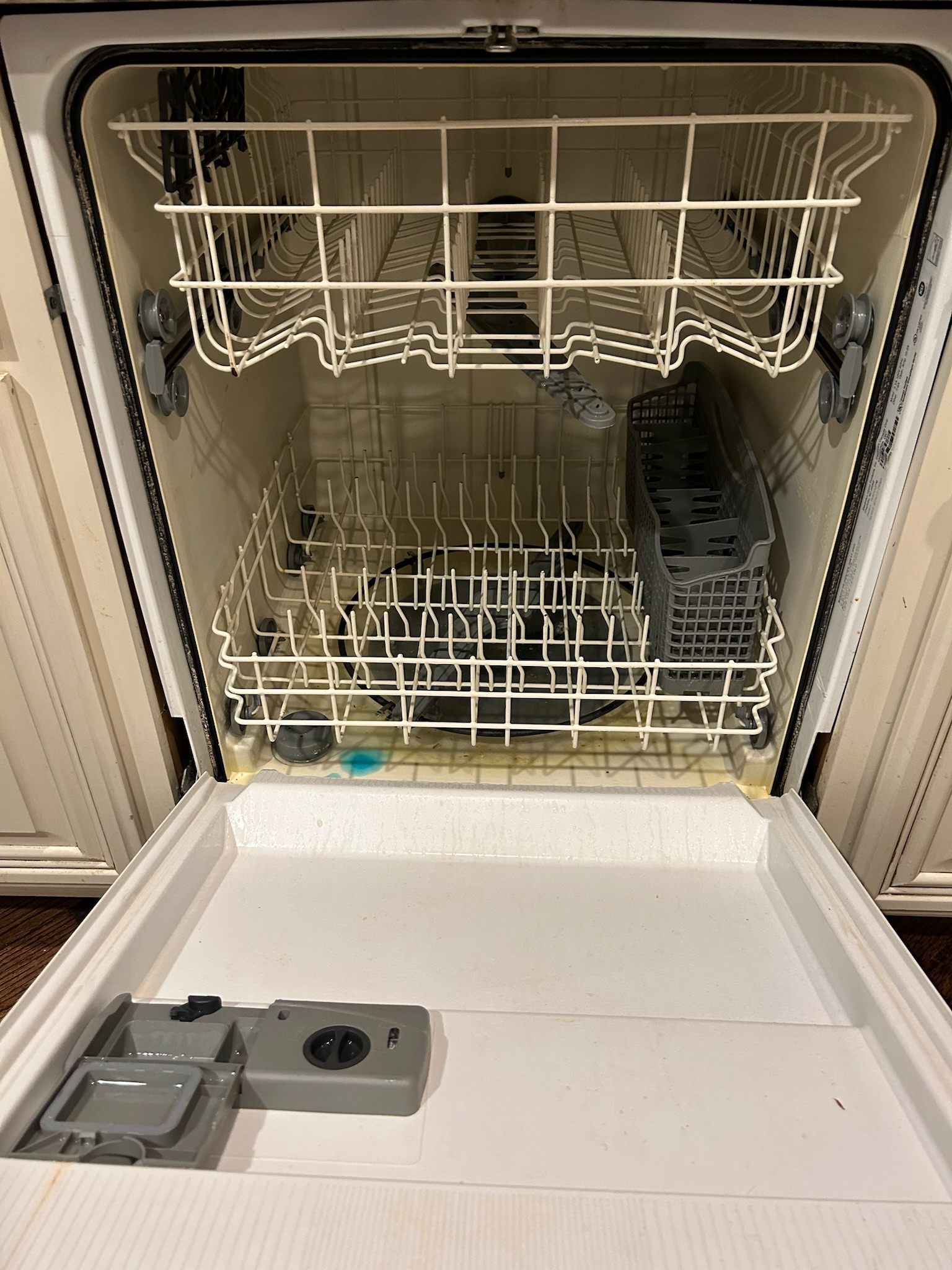
- Skipping filter cleaning. If the filter is clogged, the dishwasher can recirculate debris and create cloudy results.
- Assuming detergent alone will fix residue. Film and spots usually point to wash flow, hard-to-rinse residue, or drainage concerns.
- Overloading racks. Crowded dishes block spray coverage and can trap water, which encourages odor.
- Ignoring pooling water. Repeated cycles with standing water can contribute to ongoing drainage problems.
- Using harsh cleanup methods. If you are unsure what is safe for your dishwasher model, stick to gentle cleaning and avoid risky disassembly.
Customer Checklist
Use this quick checklist monthly in McKinney. It is designed to catch the early warning signs that lead to breakdowns, without turning your dishwasher into a project. If any item reveals damage or persistent failure behavior, stop and move to professional inspection.
- Check the filter: Rinse off debris and confirm it sits correctly in place.
- Inspect spray arms: Look for clogged holes and confirm they spin freely.
- Clear the drain area: Remove trapped food or buildup near the bottom.
- Run a maintenance rinse: After cleaning, run a short cycle to verify drainage and wash performance.
- Review loading habits: Leave space between items so water can reach surfaces.
- Watch for warning symptoms: Persistent odor, pooling water, or repeated poor cleaning are signals to troubleshoot further or schedule service.
Representative scenario
A couple in McKinney noticed their dishwasher started leaving spots and the cycle took longer than before. They cleaned the filter and removed a visible buildup from the bottom drain area, but the next load still pooled slightly at the end. Instead of continuing to run multiple cycles, they scheduled service. A technician focused on the dishwasher’s wash and drain path to identify the underlying issue, which helped prevent the problem from turning into a larger breakdown.
Frequently Asked Questions
How often should I clean my dishwasher filter?
For most households in McKinney, a monthly filter rinse is a solid preventative habit. If you frequently wash heavily soiled cookware or run more loads each week, checking more often can help you avoid residue buildup that affects spray performance and drainage. If you notice cloudy dishes, recurring odors, or slower cycles, inspect the filter sooner rather than waiting for the next month.
What causes a dishwasher to leave dishes cloudy?
Cloudy dishes commonly come from restricted water flow, detergent residue, or incomplete drainage. Start by cleaning the filter and inspecting the spray arms for clogs. Also review loading patterns, since overcrowding can block spray coverage. If you have already cleaned these areas and the problem returns quickly, it can indicate a more persistent issue in the dishwasher’s wash or drain performance that may require professional dishwasher repair services.
Is it safe to keep running the dishwasher if I see water at the bottom?
Running it repeatedly with noticeable pooling water is usually not a good idea. Standing water can contribute to odor and can worsen drainage-related problems over time. If you see pooling after the cycle finishes, clear visible debris near the bottom and test once. If pooling continues, schedule inspection so the technician can evaluate the drain path and related components.
Can preventative maintenance fix dishwasher odors?
Often, yes. Odors typically come from trapped residue, standing water, or buildup in the filter and drain area. Cleaning the filter and clearing the bottom drain area can remove the source of the smell. If the odor persists after cleaning and a maintenance rinse, it can point to a deeper drainage or component issue that needs professional attention.
What is the best next step if troubleshooting does not help?
If you have cleaned the filter, checked spray arms, and addressed visible debris but the symptoms keep returning, it is time to get professional help. A professional appliance repair technician can inspect the wash and drain performance more thoroughly and identify issues that are not obvious during routine cleaning, including problems that affect how water circulates or empties.
Get your dishwasher back to reliable cleaning
If your dishwasher in McKinney is showing repeated symptoms, Texas True Appliance Repair can help you move from guesswork to a clear diagnosis. You can also explore related repairs like garbage disposal repair if your kitchen drainage system is part of the issue.
Call (469) 596-1814
Texas True Appliance Repair
Texas True Appliance Repair provides appliance repair services for homeowners and businesses across McKinney, TX, and nearby areas including Allen, Carrollton, Celina, Frisco, Little Elm, Melissa, Plano, Prosper, Richardson, and McKinney itself.
If you are dealing with dishwasher repair services, they can also support other major appliances. For example, visit refrigerator repair services if your kitchen needs help beyond the dishwasher.
For more information, browse the full service offerings at Texas True Appliance Repair.