
If your business kitchen, office, or utility space runs on appliances, small issues can quickly become downtime. This guide walks you through practical, safety-first steps to reduce risk, spot problems early, and know when to call a professional appliance repair technician in McKinney, TX.
It’s a busy weekday in McKinney: a dishwasher cycle stops mid-run, a refrigerator starts warming, or an oven burner takes longer to ignite. Staff may keep trying to “make it work,” but repeated restarts can turn a fixable fault into a bigger safety concern.
Below, you’ll learn how to handle commercial appliance issues more safely before repair work begins, what to check in minutes, and how to prepare so a professional can diagnose efficiently. You’ll also see common mistakes that lead to unnecessary damage, and a practical checklist you can use for your next maintenance window.
- Quick answer
- What to check first
- Main things customers should understand
- Why this matters in McKinney, TX
- Common mistakes to avoid
- Customer checklist
- Frequently asked questions
Quick Answer
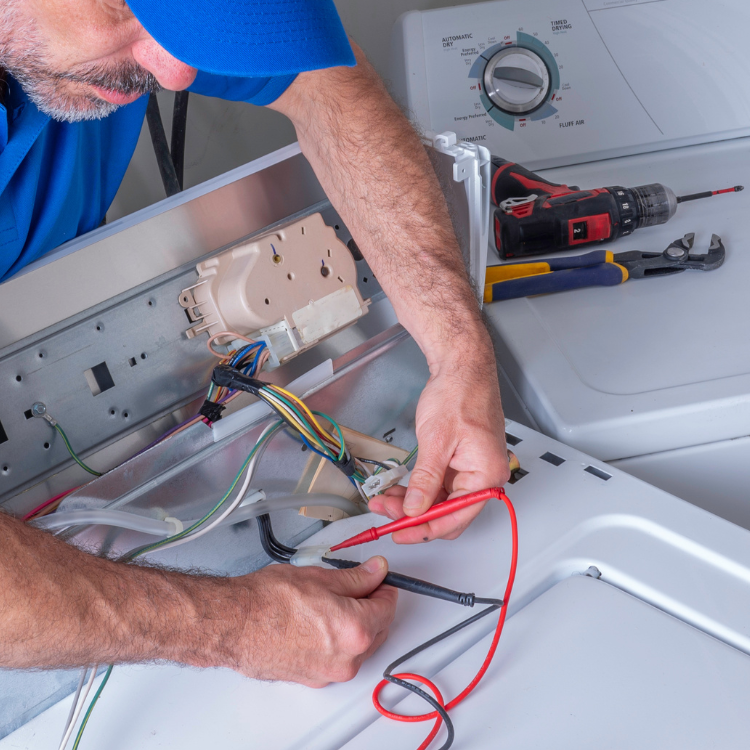
If a commercial appliance shows signs of malfunction, start with basic safety checks: confirm it’s powered down when needed, keep water and power separated, and avoid bypassing controls or forcing doors, knobs, or racks. Then document what you see (error codes, sounds, and when the issue happens) so the technician has a clear picture. For anything involving electrical components, gas combustion, leaking lines, or persistent temperature problems, it’s best to rely on a professional appliance repair technician. Texas True Appliance Repair can help with commercial appliance repair services across McKinney, TX and nearby communities.
What to Check First
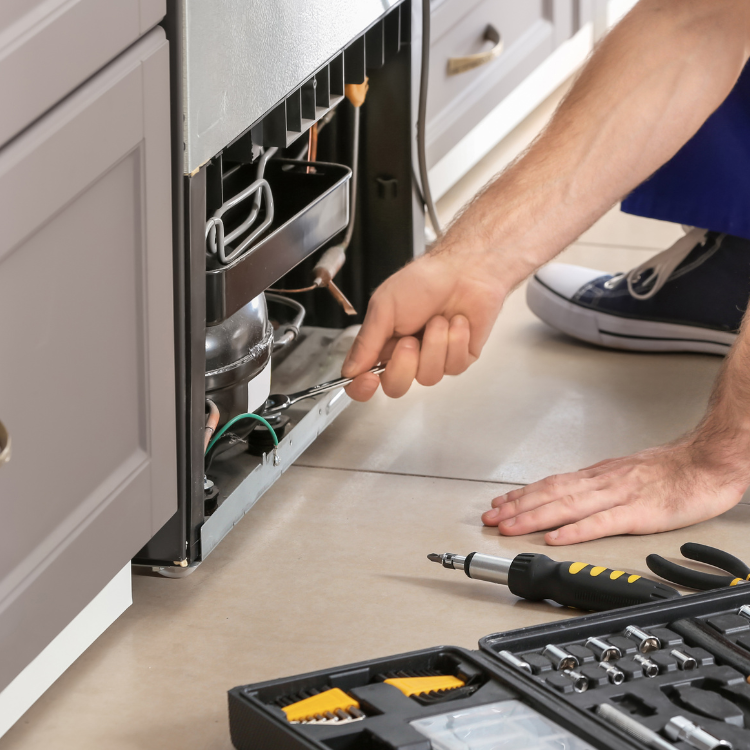
Before you schedule service, do a quick, low-risk review. The goal is to reduce guesswork and prevent unsafe handling. Start with what your staff can observe safely without opening panels or moving heavy equipment.
1) Confirm the symptom pattern
When did it start, and does it happen every cycle or only sometimes? Note whether the issue appears after power fluctuations, heavy use, or staff changes.
2) Look for visible safety red flags
Watch for burning smells, smoke, unusual sparking, water pooling, or loose wiring near the unit. If any appear, stop using the appliance and isolate the area.
3) Record error codes and sounds
Error codes, beeps, grinding sounds, or repeated clicking can narrow down the cause. Write down the exact code or description.
Professional observation: If the appliance is still running, don’t “keep testing” by repeatedly restarting it. Repeated cycles can worsen electrical faults or strain failing components, especially in high-use commercial kitchens.
After basic observation, you can perform a couple of safe, non-invasive checks. For refrigeration, verify the door closes properly and that vents are not blocked by storage. For dishwashers and garbage disposals, check for obvious obstructions only when the unit is safe and powered down. For ovens and ranges, ensure knobs are set correctly and that burners ignite consistently without unusual odors.
Main Things Customers Should Understand
Commercial appliances work harder than typical home units. Your processes, cleaning routines, and daily usage patterns can affect how appliances fail. Understanding a few core factors helps you prevent unsafe repair attempts and speeds up diagnosis when service is needed.
Key idea: Preventive safety starts before repair. The safest approach is to reduce risk, capture details, and leave internal electrical or mechanical work to a professional appliance repair technician.
Electrical safety and water separation
In restaurants and break rooms, leaks can happen around supply lines, drain hoses, or condensation. If you notice water near electrical connections, stop using the appliance until it’s inspected. Water and electricity are a dangerous combination, and attempting DIY repairs can create hidden hazards.
Temperature control in refrigerators and fridges
For commercial refrigerator repair services, temperature issues often involve airflow problems, door seal performance, or component failures. If food safety is at stake, treat warming as urgent and avoid opening doors repeatedly while waiting for inspection.
Dishwasher cycles and sanitation performance
Dishwasher repair isn’t only about getting water to run. Proper heating and cycle progression affect cleaning and sanitation. If cycles stop early, drain slowly, or leave residue, document the behavior and schedule service rather than forcing the unit through repeated cycles.
Ovens, ranges, and burner ignition
With oven repair services, ignition problems can be caused by control issues, sensor readings, or ignition components. If you smell gas or notice abnormal combustion, don’t troubleshoot further. Keep staff away from the equipment and contact a professional for safe assessment.
| Appliance symptom | Likely causes to consider | Safety-first action |
|---|---|---|
| Refrigerator not cooling consistently | Door seal issues, blocked airflow, component faults | Limit door openings and document temperature behavior |
| Dishwasher stops mid-cycle | Cycle control errors, draining problems, sensor faults | Stop restarting and note the stage where it fails |
| Oven or range won’t ignite normally | Ignition/control issues, sensor readings, burner performance | Do not keep cycling ignition; address abnormal odors immediately |
| Garbage disposal won’t run or jams | Obstruction, jammed mechanism, switch or wiring issues | Power down and check only for safe, visible obstructions |
In McKinney, many commercial spaces are built for steady daily throughput. When appliances fail, the repair path is usually faster if you can tell a technician exactly what changed, what the unit does when it fails, and what you already checked. That’s why the “document first” approach matters for safe, efficient commercial kitchen equipment repair.
Firsthand-style industry observation
When I’m called to a restaurant appliance repair situation, the most time is often spent sorting out what changed right before the failure. Error codes, the exact cycle stage, and whether the issue is consistent usually reduce the guesswork and help prevent unsafe trial-and-error.
What “preventive” looks like
Preventive work is less about complicated repairs and more about clean operation, safe handling, and early attention to small warning signs like slow draining, inconsistent cooling, or intermittent ignition.
How techs typically triage
A professional appliance repair technician will check the most likely safety-related areas first, then move toward mechanical or control components based on the symptom pattern you provide.
Why This Matters in McKinney, TX
Commercial spaces in McKinney, TX often balance high traffic with tight schedules. When appliances fail, downtime affects prep, service, and sanitation routines. Preventive safety helps you avoid turning a minor malfunction into a costly shutdown that impacts your day.
Local property types also matter. Many businesses are in multi-tenant buildings or older commercial layouts where equipment may be installed close to walls, with limited access for maintenance. That makes it even more important to keep safety boundaries clear, avoid forcing panels or lines, and call for commercial appliance repair services when you need internal inspections.
Safety tip for teams: Create a simple “stop and report” rule. If an appliance shows burning smells, active sparking, or leaking near electrical parts, stop using it and document what happened before the next shift.
If you’re dealing with a specific appliance issue, Texas True Appliance Repair can route you to the right service area, whether you need commercial repairs or focused help like dishwasher repair services.
Get a clear next step for your commercial appliance
If your unit is failing mid-cycle, not maintaining temperature, or showing unsafe behavior, it’s better to pause and plan the repair than keep testing. A professional assessment helps reduce downtime and prevents avoidable damage.
Call Texas True Appliance Repair at (469) 596-1814Common Mistakes to Avoid
Many commercial appliance problems worsen because someone tries to “work around” the fault. These mistakes are common in offices, restaurants, and shared facilities across McKinney and the surrounding Allen, Frisco, Plano, and Prosper areas.
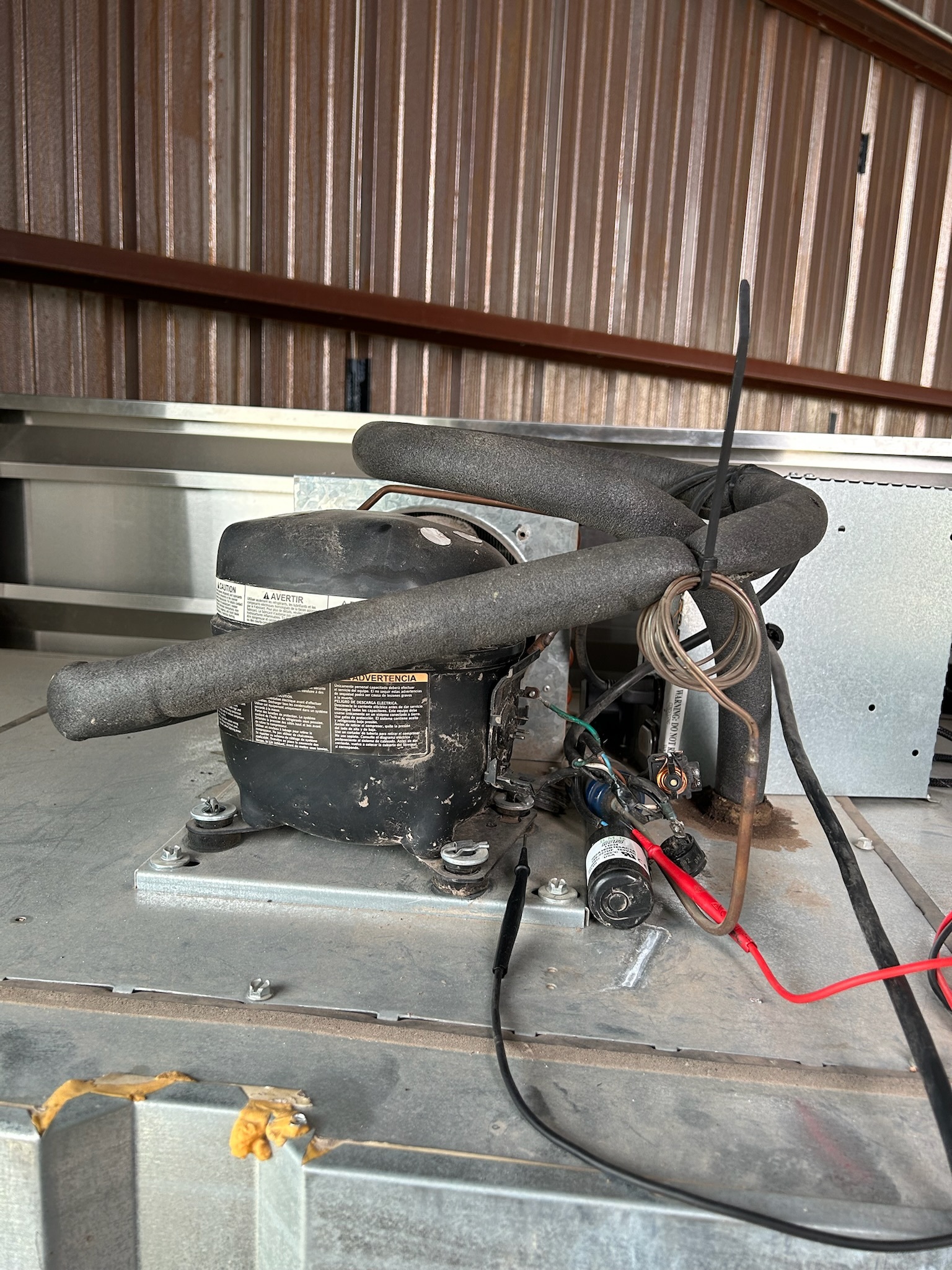
- Restarting repeatedly after an appliance errors out. This can stress failing components and obscure the original cause.
- Forcing doors, knobs, or racks that feel stuck. Mechanical strain can damage latches, rails, or control mechanisms.
- Bypassing safety switches or removing protective covers. That creates risk for staff and complicates diagnosis.
- Ignoring water near electrical areas. If you see leaks, stop using the unit and isolate the area.
- Skipping documentation like error codes, cycle stage, or when the issue occurs. Without details, technicians may spend more time testing.
- Using the wrong cleaning approach for heavy residue. Improper cleaning can affect sensors, airflow paths, and drainage performance.
If you’re troubleshooting a refrigerator problem, for example, focusing only on “temperature set points” can miss airflow or seal issues. For more targeted guidance, you can review refrigerator repair services and plan the safest next step based on what your staff is observing.
Customer Checklist
Use this quick checklist during your next inspection or before you contact a technician. It’s designed to keep your team safe and help a professional appliance repair technician diagnose faster.
- Confirm the appliance is powered off when you inspect around switches, wiring access points, or wet areas.
- Write down the exact symptom: cooling failure, stopped cycles, ignition issues, abnormal noises, or leaks.
- Record any error codes, beeps, or messages shown on the control panel.
- Note when the problem happens (start-up, during heating, mid-cycle, or after a certain time).
- Check for simple external causes: blocked vents, closed door alignment, obvious obstructions in accessible areas.
- Keep a basic log for the last 24 to 72 hours of usage patterns, cleaning changes, or staff adjustments.
- Decide whether to stop use immediately based on safety red flags like burning smells, sparking, or leaking near electrical components.
- Prepare photos or notes for the technician: what the unit does, where you see residue or moisture, and what part appears affected.
A representative commercial scenario (what to do)
A property manager in McKinney receives a call from a restaurant staff member: the dishwasher finishes longer than usual and sometimes stops with water left in the tub. The manager has a team member document the cycle stage where it stops and confirm whether any water is pooling near connections. After the issue repeats, staff avoid repeated restarts and keep the unit out of service to protect sanitation quality. When Texas True Appliance Repair arrives, the notes about how the unit behaves help narrow the diagnosis and keep troubleshooting focused on the most relevant components.
For businesses that need help across multiple kitchen appliances, Texas True Appliance Repair supports commercial kitchen equipment repair with appliance repair services tailored to the equipment you rely on every day. If your issue involves cooking equipment, you can also review oven and range repair for practical, appliance-specific context.
Frequently Asked Questions
What should a staff member do immediately when a commercial appliance fails?
Stop using the appliance if you see burning smells, active sparking, smoke, or leaking near electrical parts. If it’s safe to do so, power down the unit and document what you observed: error codes, the stage where it fails, and any unusual sounds. Avoid repeated restarts because they can worsen a fault and make the pattern less clear. Then contact a professional appliance repair technician with your notes so the diagnosis focuses on the most likely causes.
Are there safe checks I can do before calling for commercial appliance repair services?
Yes. You can check for simple, non-invasive issues like blocked vents, proper door alignment, visible obstructions in accessible areas, and whether the problem happens at a consistent cycle stage. You can also record error codes and write down when the symptom started. What you should avoid is opening panels, moving wiring, bypassing controls, or forcing stuck components. Those steps can create safety risks and often delay repair by causing additional damage.
How do I decide whether it’s a refrigerator repair issue or a larger equipment problem?
Start with the symptom pattern. If the refrigerator or fridge warms inconsistently, the issue may involve airflow, door seal performance, or components related to temperature regulation. Check whether doors close fully and whether vents are blocked by storage. Keep in mind that commercial use adds heat load quickly, so the unit may struggle if staff frequently open doors or load warm items. If the temperature problem persists or affects food safety, schedule professional refrigerator repair services based on your documented observations.
What should I tell the technician to help with faster diagnosis?
Share what you can observe safely: the exact error message or code, what cycle stage fails, and whether the issue is consistent. Mention any changes since the last time it worked, like new cleaning products, different staff routines, or a recent move of equipment. Describe unusual sounds or smells and whether there’s water pooling, slow draining, or inconsistent heating. This helps a professional appliance repair technician triage safely and focus on the most relevant checks.
Can preventive maintenance prevent emergency breakdowns in commercial kitchens?
Preventive maintenance helps reduce the chance of sudden breakdowns by catching early warning signs and keeping operations steady. In practice, prevention often means safe, consistent use: avoid forcing stuck parts, report error codes quickly, keep vents clear, and address small issues like slow drainage or inconsistent cooling before they escalate. While no maintenance plan can eliminate all failures, a safety-first routine lowers risk and can reduce the likelihood of damage from repeated testing.
Need help with commercial appliance repair in McKinney?
When your appliances affect service, sanitation, or daily workflow, you need a practical plan. Texas True Appliance Repair can help you move from “it’s acting up” to a clear repair path.
Contact Texas True Appliance Repair
Texas True Appliance Repair
Texas True Appliance Repair provides appliance repair services for customers in McKinney, TX and nearby areas including Allen, Carrollton, Celina, Frisco, Little Elm, Melissa, Plano, Prosper, and Richardson. Whether you need commercial appliance repair services for restaurant equipment or residential-style repairs for the right appliance, the goal is the same: safe, focused troubleshooting and practical next steps you can act on.
Phone: (469) 596-1814