
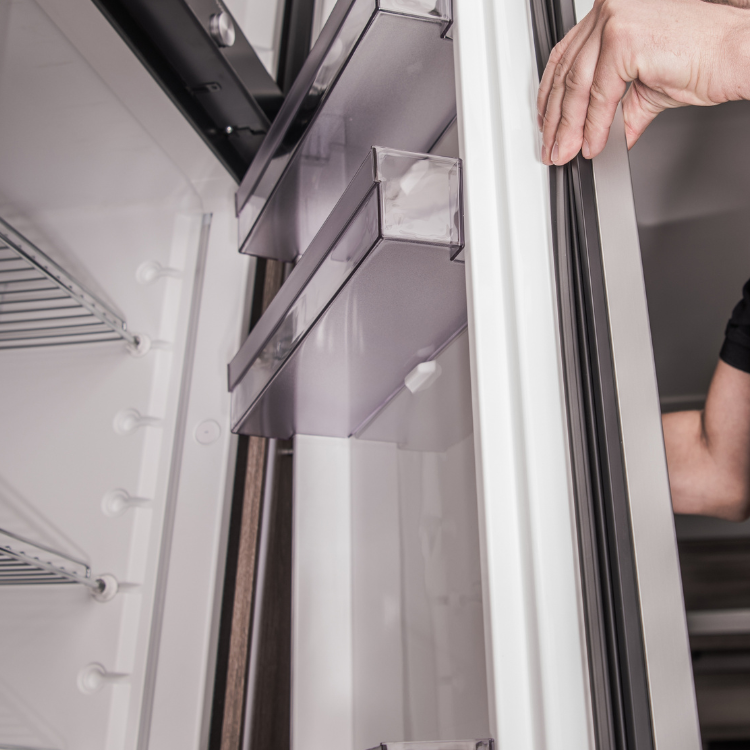
Refrigerator Repair Safety Tips to Prevent Risks
If your fridge is acting up, the safest next step is knowing what you can check at home and what should be handled by a professional appliance repair technician. This guide helps homeowners and property managers in McKinney, TX spot risky conditions, reduce food and electrical hazards, and decide when to call Texas True Appliance Repair.
You open the refrigerator expecting cold air, but instead the temperature feels off, food is warming, or you notice strange sounds. In a household in McKinney, TX, that can turn into a quick decision about whether to keep using the unit, how to protect perishable items, and whether any problem could become an electrical risk.
This guide will help you understand the safest first checks, the common warning signs that should stop DIY troubleshooting, and the practical steps to reduce risk before a professional refrigerator repair technician inspects the system.
- Quick answer
- What to check first
- Main things customers should understand
- Why this matters in McKinney, TX
- Common mistakes to avoid
- Customer checklist
- Frequently asked questions
Quick Answer
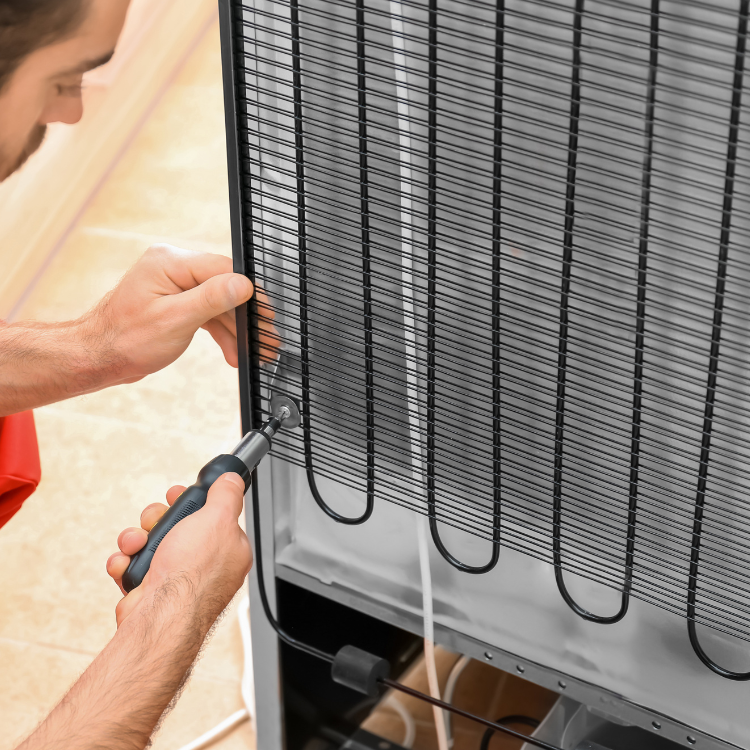
If your refrigerator seems unsafe, start with basic checks only: confirm the unit is getting power, keep the door closed to protect food, and look for obvious hazards like burning smells, sparks, or pooling water. If you see electrical signs, persistent warm temperatures, or damage to wiring or outlets, stop troubleshooting and call a professional appliance repair technician. For most cooling problems, a technician can safely diagnose the refrigeration system components and electrical controls. If you’re unsure, it’s better to pause and get guidance before more components are exposed.
What to Check First
Before you touch internal parts, focus on safety and simple observations. These steps help you protect food, reduce the chance of electrical exposure, and gather useful details for a technician.

Professional observation: When a refrigerator loses cooling, the “safest” fix is often not a button or setting. The safest path is to prevent damage and document what you see so the right part is checked first.
1) Confirm the basics without opening panels
Check that the refrigerator is plugged in securely and that the outlet is not loose. If the plug or cord looks damaged, do not continue using the unit. If your household uses a breaker panel, verify the breaker for the kitchen circuit has not tripped. Avoid moving the unit or removing access covers unless you are trained to do so.
2) Protect food and reduce temperature swings
If the fridge is not staying cold, keep the door closed as much as possible. Try not to rearrange items repeatedly, since each open door event increases warm air infiltration. If you notice rapid warming, treat it as an urgent issue because food safety depends on time and temperature stability.
3) Look for water and airflow clues
Pooling water near the refrigerator, wet floors, or unusual condensation can indicate a defrost drain issue or related cooling system problem. Blocked airflow can also cause uneven temperatures. If you see water where it should not be, pause and address the source rather than wiping it away repeatedly.
4) Stop immediately for electrical warning signs
If you smell burning, see smoke, notice sparks, or find the outlet or cord is hot, stop troubleshooting. Turning off power and keeping the unit unplugged is the safer choice until a professional inspects the condition.
Safe to check
- Power at the outlet and plug condition
- Door seal condition (visible gaps)
- Visible water pooling or leaks
- Unusual noises and odor (note, don’t disassemble)
Use caution
- Resetting controls if the unit has a documented reset method
- Cleaning exterior vent areas if accessible
- Rearranging items to improve airflow without forcing shelves
Don’t DIY
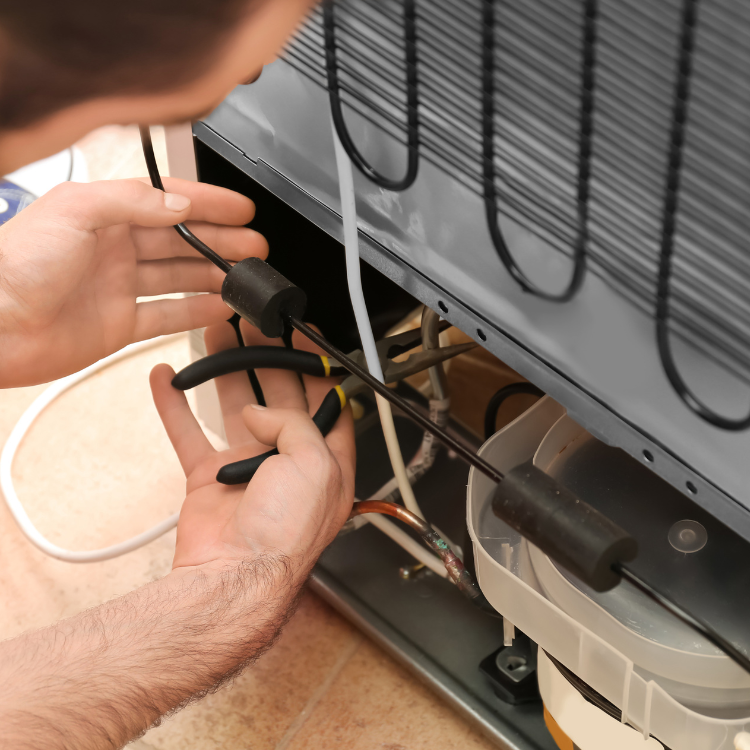
- Removing rear panels or sealed components
- Working around damaged wiring
- Disabling safety switches or interlocks
- Attempting repairs that require electrical testing
Main Things Customers Should Understand
Refrigerators are sealed systems with both electrical controls and mechanical refrigeration components. Safety depends on understanding what kind of problem you are dealing with and whether the issue points to cooling performance, defrost behavior, or electrical supply.
Cooling loss is not always “just a setting”
Sometimes the thermostat or control board is at fault. Other times the refrigeration system is not maintaining the right temperatures. Even when the fridge seems to “run,” you can still have problems like poor airflow, defrost failures, or sensor issues. Those conditions can affect food safety and increase the risk of condensation and water buildup.
Defrost and water issues can create slippery hazards
When defrost components do not work properly, ice can build up and later melt in unexpected places. That can lead to water under drawers, wet floors, or moisture near electrical areas. Treat any persistent water as a safety-related symptom, not just a housekeeping inconvenience.
Electrical problems can worsen quickly
Loose connections, damaged power cords, or faulty controls can create heat or intermittent operation. A “works sometimes” refrigerator can still be unsafe. If the unit cycles erratically, trips a breaker, or shows burning odor, it’s a stop-and-call situation.
Practical recommendation: If you’re seeing warm temperatures plus any sign of water, odor, or outlet/cable heat, prioritize safety by unplugging or shutting off power and scheduling a professional refrigerator repair service.
How to decide between refrigerator repair and other appliance checks
If your kitchen has multiple appliances acting unusual, confirm whether the issue is isolated to the refrigerator or part of a broader electrical concern. For example, if you also have problems with other units, it may be a household-level factor rather than just one appliance. When you’re ready to expand beyond the fridge, you can explore related services like dishwasher repair services or microwave repair.
| What you notice | Likely safety concern | Recommended next step |
|---|---|---|
| Fridge warms quickly, door stays closed | Food temperature risk | Check power basics, then schedule professional refrigerator repair services |
| Pooling water inside or under the unit | Slip hazard and moisture around components | Stop repeated cleanup, document location, and call for inspection |
| Burning smell, sparks, or hot outlet/cord | Electrical fire risk | Stop using the unit and shut off power until inspected |
| Intermittent cooling or frequent cycling | Control or connection risk | Record when it happens and request professional appliance repair technician diagnosis |
| Uneven temperatures (some areas colder than others) | Airflow or sensor risk | Schedule inspection instead of repeated guesswork |
Why This Matters in McKinney, TX
In McKinney, TX, many homes and apartments rely on consistent indoor comfort to protect stored food and daily routines. When a refrigerator starts acting up, it can be more than an inconvenience because warm spells and humidity can increase condensation inside the unit. That makes defrost and water-related problems easier to notice and faster to become messy.
Texas True Appliance Repair serves McKinney and nearby areas like Allen, Frisco, Plano, and Richardson, and we see how kitchen layouts and older utility setups can affect appliance behavior. Safety comes first, especially when there are signs of moisture near electrical areas or when outlets and cords look worn from frequent use.
Firsthand-style observation from the field
In real customer calls, the most preventable risks usually happen when someone keeps troubleshooting while the unit is already showing warning signs. For example, repeated attempts to “fix it quickly” after pooling water appears can turn a manageable defrost issue into a slip hazard or a bigger failure point. The safer approach is to document what you see, protect food, and let a professional check the cooling and electrical systems in a controlled way.
Need help with refrigerator repair safety and diagnosis?
If you want a professional refrigerator repair technician to inspect the cooling and electrical causes safely, contact Texas True Appliance Repair today.
Schedule refrigerator repairCommon Mistakes to Avoid
Some refrigerator “fixes” feel harmless but can increase risk or slow down the repair. These are the mistakes we see most often, especially when customers try to handle cooling problems on their own.
1) Continuing to use the fridge with burning odor or hot components
Any burning smell, sparking, or hot outlet or cord is a safety red flag. Keep power off and stop DIY actions. Cooling performance issues can coexist with electrical hazards.
2) Repeatedly opening the door to “check if it’s working”
Frequent door opening adds warm air and extends the time food spends outside safe temperatures. If the unit is not cooling consistently, reduce door openings and move perishable items to a safer storage plan while waiting for service.
3) Cleaning water without addressing the source
Wiping up condensation can hide the problem and delay repair. If water is recurring, treat it as a symptom. Moisture patterns can indicate a defrost drain, airflow, or cooling control issue.
4) Removing panels or working near wiring
Refrigerators contain electrical components behind access areas. Without proper training and tools, DIY work increases the chance of shock, damage, or incorrect reassembly.
5) Guessing the problem when the temperatures are inconsistent
If you see uneven cooling, frost buildup, or cycling problems, the cause is usually more than one factor. Instead of trying multiple guesses, schedule professional diagnosis for reliable troubleshooting.
Customer Checklist
Use this checklist to stay safe while you decide on next steps. It’s designed for real-life situations in McKinney, TX, when you need clarity quickly.
- Keep the door closed to protect food while you assess the situation.
- Check power basics: plug is secure, outlet is not loose, and no obvious cord damage is present.
- Look for hazards: burning smell, sparks, smoke, or hot outlet/cord means stop and shut off power.
- Check for water inside the fridge and under drawers, and note where it collects.
- Observe cooling behavior: does it run but still warm, or does it stop/start repeatedly?
- Write down symptoms (when it started, what changed, any noises or error lights).
- Avoid disassembly and do not remove internal panels unless you are trained.
- Schedule professional inspection when safety signs or persistent cooling issues appear.
Representative scenario: what a safe response looks like
A homeowner in McKinney notices their refrigerator is warmer than usual and finds water collecting near the bottom area. Instead of repeatedly wiping and opening the door, they keep the door closed, check the plug and outlet for any looseness, and document where the moisture appears. They also stop using the unit if they notice any heat or odor. With those details, Texas True Appliance Repair can focus the inspection on the cooling and defrost-related causes, reducing the chance of unnecessary guesswork.
Frequently Asked Questions
Is it safe to keep using a refrigerator that isn’t cooling properly?
It depends on what you’re seeing. If the fridge is warming food quickly, the main concern is food temperature. If you also notice electrical warning signs like burning odor, sparks, or a hot outlet/cord, stop using the unit and shut off power. If cooling is inconsistent but there are no electrical hazards, you can reduce risk by keeping the door closed and minimizing openings while you arrange a professional inspection. For persistent issues, a professional refrigerator repair technician can identify the cooling, airflow, or defrost cause safely.
Why would my refrigerator have water inside or under drawers?
Water can appear when defrost behavior or drainage is not working as expected, or when airflow patterns cause condensation to collect in unusual places. Even if the unit “seems to run,” recurring water is a symptom worth addressing. The safer approach is to note where the water collects and how often it returns, then schedule service. Avoid repeatedly wiping and continuing normal use without diagnosis, especially if water is near any electrical areas or if you notice worsening condensation.
Should I reset the refrigerator before calling for service?
A reset can be reasonable only if you follow a documented, manufacturer-approved method and you do not notice any electrical hazards. If the unit has burning smells, sparks, or hot components, do not keep trying resets. Instead, shut off power and wait for inspection. If cooling problems persist after a safe, simple reset, it’s usually better to move to professional diagnosis so the technician can check the controls, airflow, and refrigeration-related components.
What signs mean I should stop troubleshooting immediately?
Stop troubleshooting right away if you notice burning odor, smoke, sparks, or a hot outlet or power cord. Those are electrical safety red flags. Also pause if you see significant water pooling that keeps returning or appears near areas where electrical parts may be exposed. When you stop early, you reduce the chance of further damage and help the technician focus on the correct cause with less risk.
Do you also repair commercial refrigerators and restaurant equipment?
Yes. Texas True Appliance Repair provides commercial appliance repair services for businesses that rely on refrigeration and kitchen equipment. If you manage a restaurant or a commercial kitchen in McKinney and nearby areas, you can explore commercial repairs to discuss the equipment and the safest repair approach for your situation. The same safety-first mindset applies, especially when downtime affects daily operations.
Get safe, professional refrigerator repair in McKinney, TX
If your fridge is warming, producing water, or showing warning signs, Texas True Appliance Repair can help you troubleshoot safely and move toward the right repair. Call or request service through our refrigerator repair page.
Contact Texas True Appliance Repair
About Texas True Appliance Repair
Texas True Appliance Repair is a local appliance repair company serving McKinney, TX and nearby communities including Allen, Frisco, Plano, Richardson, and more. We focus on safe, practical appliance service, including washer repair, oven repair services, and dedicated refrigerator repair for residential and commercial needs. If you’re looking for a professional appliance repair technician who can diagnose cooling and electrical causes with care, we’re ready to help.