If your restaurant, office breakroom, or small retail kitchen in McKinney is suddenly down to one working station, it usually starts with small signs that get ignored. This guide covers practical safety and prevention steps you can use before a breakdown escalates, including what to check during routine close-down and how to document issues so a professional appliance repair technician can diagnose faster.
Last week, a property manager in McKinney noticed the walk-in cooler was taking longer to recover after door openings. The unit did not fully fail, but the temperature was “off” enough that staff started using extra ice and adjusting prep schedules. By the time they called for help, the problem had shifted from a minor performance issue to a bigger concern about food safety and downtime.
This article helps you recognize early warning signs, reduce avoidable wear on commercial equipment, and choose safer next steps before a repair becomes more disruptive. You will also find a customer checklist you can use for day-to-day prevention across common commercial appliance categories.
- Quick answer
- What to check first
- Main things customers should understand
- Why this matters in McKinney, TX
- Common mistakes to avoid
- Customer checklist
- Frequently asked questions
Quick Answer
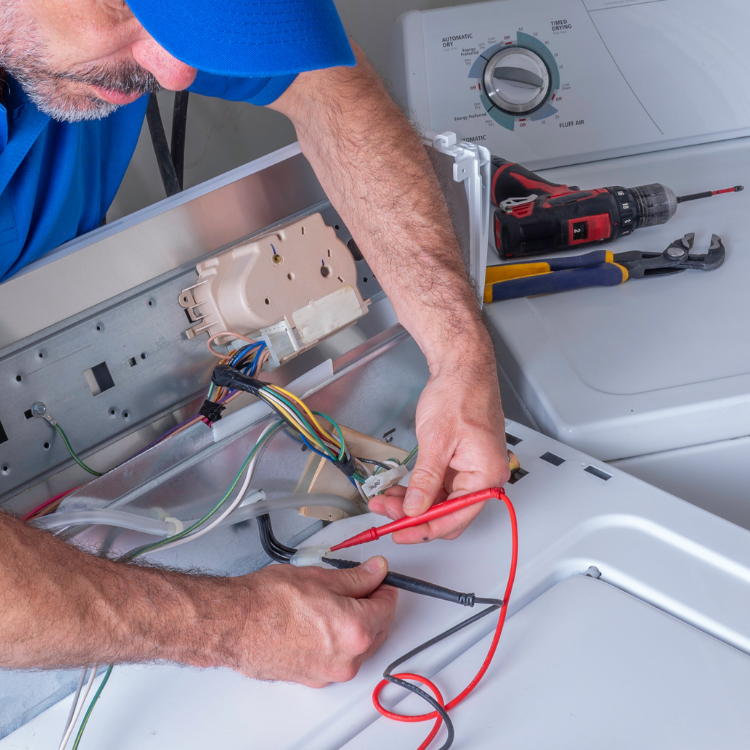
Before a commercial appliance breaks down, focus on safe, repeatable checks: keep vents and coils clear, follow the correct cleaning routine, and watch for early symptoms like unusual noises, poor temperature recovery, or error codes. If something looks like a safety risk (burning smell, sparking, repeated tripping, or refrigerant-style performance failure), stop using the unit and document what you observed. For reliable diagnosis and professional appliance repair, contact a local appliance repair company like Texas True Appliance Repair to inspect the equipment and address the root cause.
What to Check First
When a commercial appliance starts acting “almost normal,” the safest first step is to confirm the basics without forcing anything. Start with the power and controls: verify the unit is receiving power, check for visible damage, and note any error codes or indicator lights. Then move to the most common prevention points: airflow, drainage, and cleanliness around intake and exhaust areas. For refrigeration and freezing equipment, pay attention to temperature trends and how quickly the unit returns to normal after door openings.
Airflow and ventilation
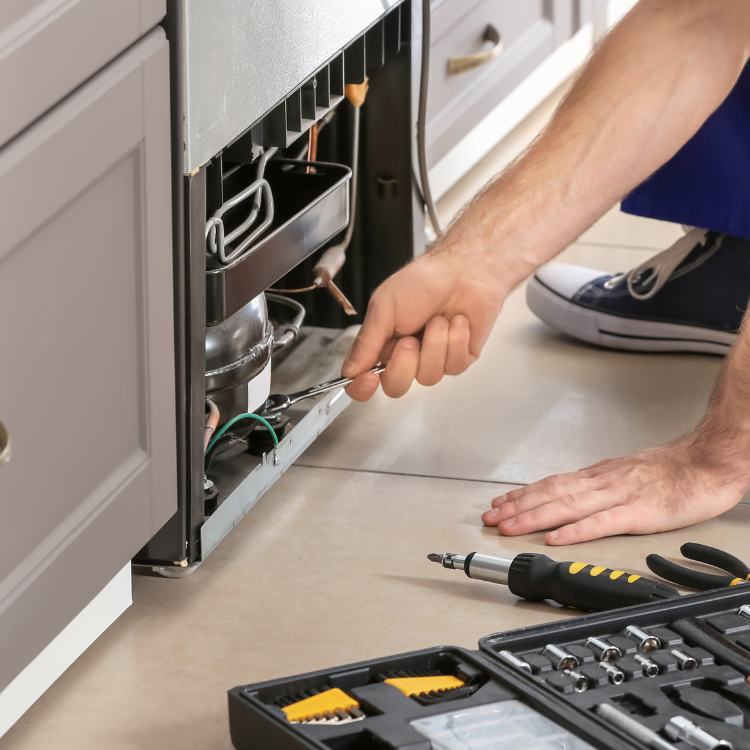
For fridges, freezers, and other heat-producing appliances, blocked vents and dirty condenser areas reduce efficiency and can lead to higher stress on components.
Drainage and moisture control
Dishwashers and similar units often fail after drainage issues. Standing water, slow draining, or recurring leaks are signals to stop and get it checked.
Cooking surfaces and controls
For ovens, ranges, and other cooking equipment, uneven heating, inconsistent burner behavior, and strange ignition sounds should be investigated before they worsen.
If you suspect the issue is tied to a specific category, you can narrow it down by reviewing the service page for that appliance type. For example, Texas True Appliance Repair offers refrigerator repair services for performance and temperature concerns.
Main Things Customers Should Understand
Commercial appliances are designed for frequent use, but that also means small problems can grow quickly. A common firsthand-style observation from the field is that many breakdowns start with maintenance friction: staff clean around the appliance but not the areas that affect airflow, and teams keep operating even when performance drifts. Over time, that constant strain can turn a simple fix into a more complex repair involving multiple components.
Professional observation: The most preventable failures are usually the ones you can catch early. If an appliance is “still running” but not performing the way it used to, treat that as a maintenance signal, not a normal variation.
1) Cleaning habits can prevent or cause breakdowns
Use the cleaning approach recommended for the appliance type and avoid harsh practices that leave residue in sensitive areas. In commercial kitchens and breakrooms, cleaning schedules are busy. Still, make sure staff understand where residue builds up, especially around seals, vents, and drainage pathways.
2) Temperature and recovery tell a bigger story
For refrigeration and freezing units, performance is not just “on or off.” Monitor how quickly the unit recovers after use. If it takes noticeably longer than usual, that can point to airflow problems, dirty components, door seal issues, or other underlying causes that a professional technician can evaluate safely.
3) Cooking equipment is sensitive to usage patterns
Ovens, ranges, and stoves often wear faster when staff repeatedly changes settings during active cooking cycles or when cookware practices cause uneven heat distribution. Pay attention to symptoms like inconsistent temperatures, strange ignition behavior, or abnormal burner response.
For customers dealing with dishwashing performance, Texas True Appliance Repair provides dishwasher repair services focused on resolving problems that affect cleaning results and drainage.
Decision table: what to do based on symptoms
| What you notice | Likely category | Safer next step | When to call a technician |
|---|---|---|---|
| Temperature does not recover after use | Refrigerator or freezer performance | Document temperatures and door-open times | As soon as the trend persists across shifts |
| Slow draining or standing water | Dishwasher drainage or plumbing connections | Stop use and protect floors from leaks | Immediately if water pools repeatedly |
| Uneven heating or erratic burner behavior | Oven, range, or stove function | Verify settings and cookware placement | Before staff compensate with longer cook times |
| Strange grinding or repeated clogs | Garbage disposal operation | Reduce what goes in and check for blockages | If it jams frequently or worsens |
| Error codes or control faults | Varies by appliance | Record the code and when it appears | When the code returns after power reset |
Why This Matters in McKinney, TX
In McKinney, TX and the surrounding North Texas communities, commercial spaces often run year-round with steady demand, and that consistent workload can expose maintenance gaps. When staff are dealing with lunch rushes, quick turnovers, and high foot traffic, appliances may get cleaned “enough” but not checked for performance drift. The result is that issues like airflow restriction, drainage slowdowns, or inconsistent heating can build up over several service cycles. Addressing early symptoms helps protect food prep schedules and reduces the chance of a bigger disruption during peak hours in McKinney and nearby areas like Allen, Plano, and Frisco.
If your property manages multiple units, it can help to standardize how staff report problems. Keep notes on what was happening right before the issue started, and include any error code or unusual sound. That context supports professional appliance repair technician diagnosis and reduces guesswork.
Need help preventing repeat commercial appliance problems?
Texas True Appliance Repair supports commercial appliance repair services for restaurants and commercial kitchen equipment. Share what you are seeing so we can guide the next safe step.
Contact Texas True Appliance RepairCommon Mistakes to Avoid
Most breakdowns in commercial settings are not caused by one dramatic mistake. They usually come from a pattern. A common one is continuing to operate an appliance after performance changes. Another is skipping documentation. If you do not capture temperatures, error codes, or when the issue started, technicians have to troubleshoot with less information. That can extend downtime and lead to repeated service calls. Finally, many customers try to “fix it” by adjusting controls without understanding the appliance’s intended operation.
- Waiting for a full failure: If the appliance is already underperforming, treat it as a prevention opportunity.
- Ignoring error codes: Write down what the controls display and when it appears.
- Overusing workarounds: For example, compensating for slow recovery by keeping doors open longer usually makes the problem worse.
- Skipping safe shutdown: If there is burning smell, repeated tripping, or signs of electrical issues, stop using the unit and get it inspected.
- Forgetting adjacent components: Drainage and disposal problems can impact multiple kitchen workflows, including prep cleanup.
If your concern involves waste disposal behavior, you can also review garbage disposal repair guidance for troubleshooting patterns like repeated jamming or abnormal sounds.
Customer Checklist
Use this checklist during daily closing, shift change, or periodic maintenance walk-throughs. It is designed to support safe prevention and make it easier for a local appliance repair company to diagnose issues quickly when something does go wrong.
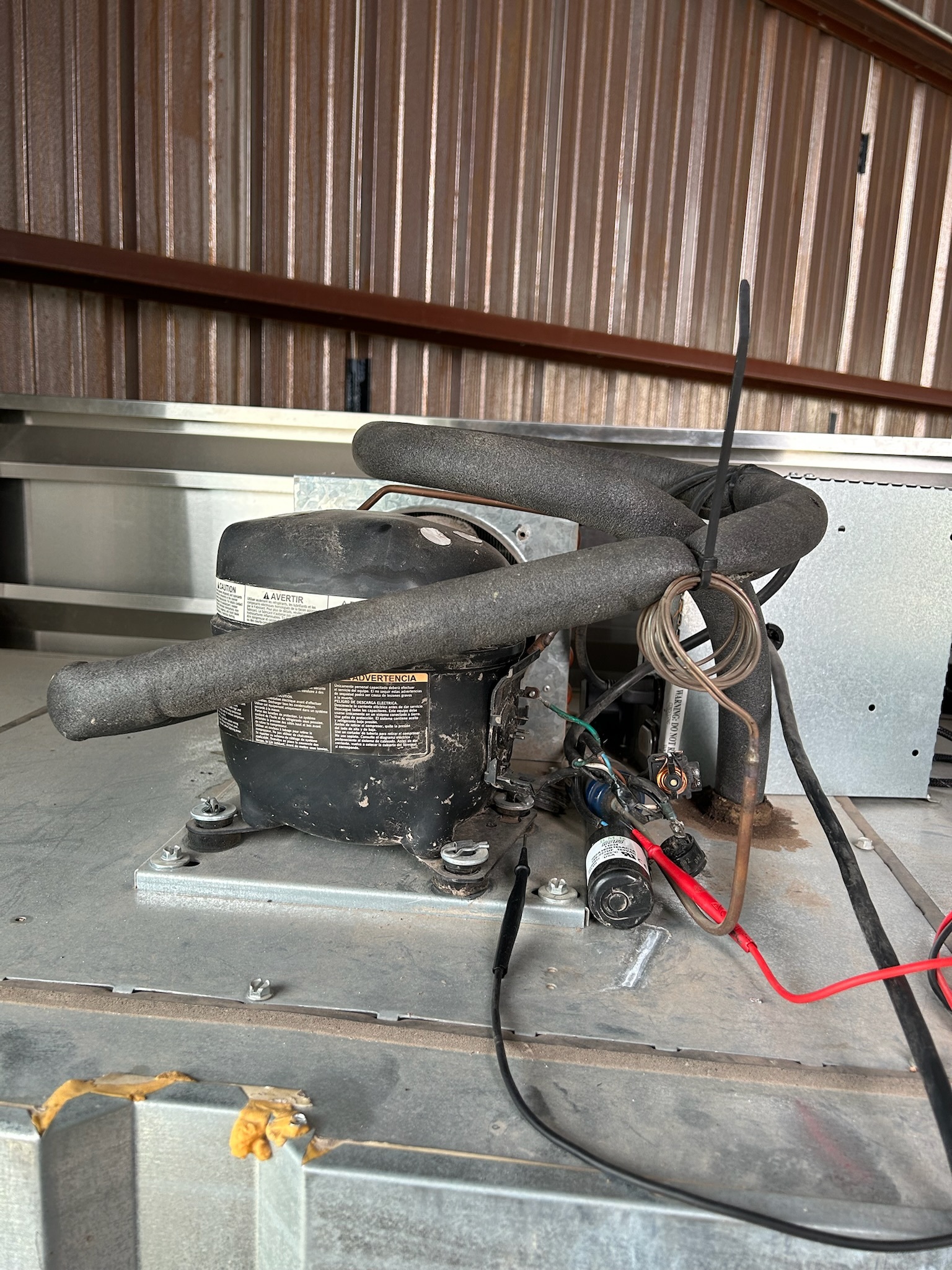
- Check vents and intake areas for dust buildup or blocked airflow paths.
- Verify the unit is cleaning or cooling consistently compared to normal operation.
- Look for unusual sounds (grinding, repeated clicking, or constant running).
- Note any error codes, warning lights, or control faults and record the time.
- For drainage appliances, confirm water is leaving properly and there are no recurring puddles.
- Inspect visible seals and access areas for gaps, cracks, or signs of wear.
- Keep the area around the appliance clear so staff do not restrict airflow.
- Document changes in performance after heavy use days so patterns are easier to spot.
Representative scenario: how prevention helps
A small restaurant in McKinney noticed their dishwasher was leaving spots and taking longer to complete cycles. Instead of waiting, the manager checked whether water was draining properly and asked staff to log the time and any visible standing water after runs. They also documented when the issue started and whether the problem changed after certain menu days. That documentation made it easier for a professional technician to focus on the likely causes quickly, reducing repeat downtime and helping the kitchen get back to consistent cleaning results.
Frequently Asked Questions
What are the earliest signs of a commercial refrigerator problem?
Early signs often show up as performance drift, not a complete failure. Watch for slow temperature recovery after door openings, unusual running patterns, or inconsistent cooling across shelves. If you see repeated temperature warnings or the unit struggles during busy service periods, document what you observe and stop assuming “it will catch up.” A professional refrigerator repair technician can check components that affect cooling performance and airflow so you avoid more disruptive breakdowns.
How should a business handle dishwasher issues like slow draining?
Slow draining or standing water should be treated as more than a cleaning inconvenience. First, reduce use until the issue is understood and protect the surrounding area from leaks. Then document what you see: whether the water pools at the end of a cycle, any error codes, and how often it happens. For many commercial environments, drainage problems can escalate quickly, so getting professional inspection sooner helps prevent repeated downtime and helps address the root cause rather than only the symptoms.
Is it safe to keep using an oven or range that heats unevenly?
Uneven heating can lead to inconsistent cooking results and may also indicate a control or burner-related issue. If the appliance is behaving differently than normal, it is safer to reduce reliance on it and investigate the change. Avoid repeated “trial and error” adjustments that keep the equipment running while the problem worsens. A stove and oven repair technician can inspect the heating behavior and controls so your kitchen can return to predictable cooking performance.
What information should we collect before calling for commercial appliance repair?
Collect simple, useful details: what you noticed, when it started, any error codes or warning lights, and whether the issue changes during peak usage. Also note recent cleaning or maintenance actions that occurred right before the problem. If applicable, include basic performance observations like temperature recovery time or whether drainage leaves standing water. This helps a professional appliance repair technician diagnose faster and prevents unnecessary guesswork.
Do you support commercial kitchen equipment repair in the McKinney area?
Yes. Texas True Appliance Repair provides commercial appliance repair services for commercial kitchens and restaurant equipment across McKinney, TX and nearby areas including Allen, Plano, Frisco, and Richardson. If you are troubleshooting a commercial unit, start by documenting the symptoms, then reach out so the technician can guide safe next steps.
Get a clear plan for your next repair, not just a temporary fix
If your commercial appliance is showing performance drift, Texas True Appliance Repair can help you move from “something feels off” to a practical diagnosis. Call (469) 596-1814 or contact us through our website.
Contact Texas True Appliance Repair
Texas True Appliance Repair
Texas True Appliance Repair is a local appliance repair company serving McKinney, TX and nearby areas. We provide professional appliance repair technician support for both residential and commercial needs, including commercial kitchen equipment repair, refrigerator repair services, dishwasher repair services, oven repair services, and more.
If you are managing appliances in a restaurant or other commercial setting, our goal is to help you reduce downtime by addressing the root cause safely and effectively.