
Safety Tips Before Professional Appliance Repair Service
Before a technician opens up your dishwasher, refrigerator, washer, or range in McKinney, TX, a few practical steps can reduce risk, protect your home, and help the repair go smoother.
Last week, a homeowner in McKinney called because their refrigerator started warming up and the interior light was flickering. They were ready to wait for a service visit, but they also worried about spoiled food, water pooling, and whether they should keep opening the door.
In another home, a dishwasher was tripping the circuit breaker after a cycle, and the owner noticed a burning smell near the control panel. They wanted to do the right thing, but they also did not want to make the problem worse before a professional appliance repair technician arrived.
This guide helps you understand what to check first, what to stop doing immediately, and how to prepare your appliance for service across common residential and commercial appliance repair needs around the Dallas-Fort Worth area.
- Quick answer
- What to check first
- Main things customers should understand
- Why this matters in McKinney, TX
- Common mistakes to avoid
- Customer checklist
- Frequently asked questions
Quick Answer
If an appliance is sparking, smoking, tripping breakers repeatedly, leaking water onto electrical components, or producing a burning odor, stop using it and turn off power at the outlet or breaker. For cooling or draining issues, minimize door openings and keep the floor clear. Before a technician arrives, take a few photos of the setup and write down what you noticed (sounds, error codes, when it started). Then schedule professional appliance repair services with Texas True Appliance Repair so the diagnosis focuses on the safest path forward.
What to Check First
Start with simple, low-risk checks you can do without opening panels. Confirm the appliance is plugged in firmly (or that the breaker is in the “on” position if it recently tripped). Look for obvious water leaks under the unit, loose hoses, or signs of impact damage. If your refrigerator or freezer is not cooling, check whether the vents inside are blocked by food. For dishwashers, confirm the drain area is not packed with debris.
Write down what you can observe
Technicians rely on patterns: when the issue started, how long it lasts, and what changes when you restart it. Note any error codes on the display, unusual noises (buzzing, grinding, thumping), and whether the appliance runs but does not complete a cycle. If the problem happens only at certain times of day, include that detail.
Professional observation: Many “mystery” appliance failures become straightforward once you track what the unit does right before it stops. That includes whether the motor hums, whether water fills, and whether the unit trips power. Clear notes can help a professional appliance repair technician pinpoint the likely component faster.
Main Things Customers Should Understand
Appliance repairs involve electricity, heat, and water pathways, so safety comes first. Even when the issue seems small, like a dishwasher that will not drain or a dryer that will not start, the safest plan is to separate “simple observation” from “hands-on disassembly.” Below are the main areas to consider before service.
Electric safety
Do not bypass fuses or reset breakers repeatedly if the issue returns immediately. If a breaker trips, keep the appliance off until it is diagnosed. If you see scorch marks or smell burning, avoid further use and keep the area ventilated.
Water and moisture control
For leaks, turn off power to the appliance and keep standing water from spreading. Mop up water around the base and remove nearby items that could be damaged. For dishwashers, avoid using the unit again if you notice pooling.
Heat and moving parts
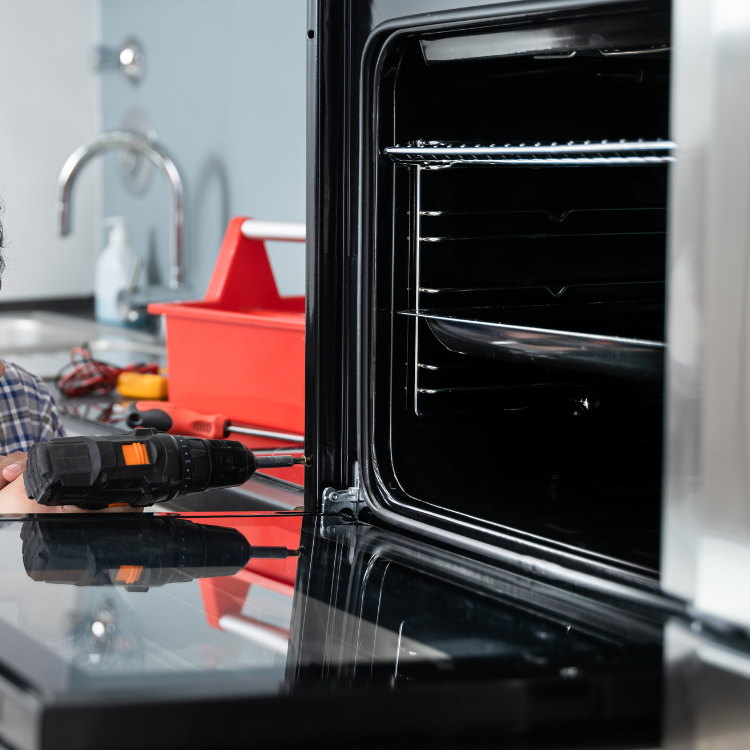
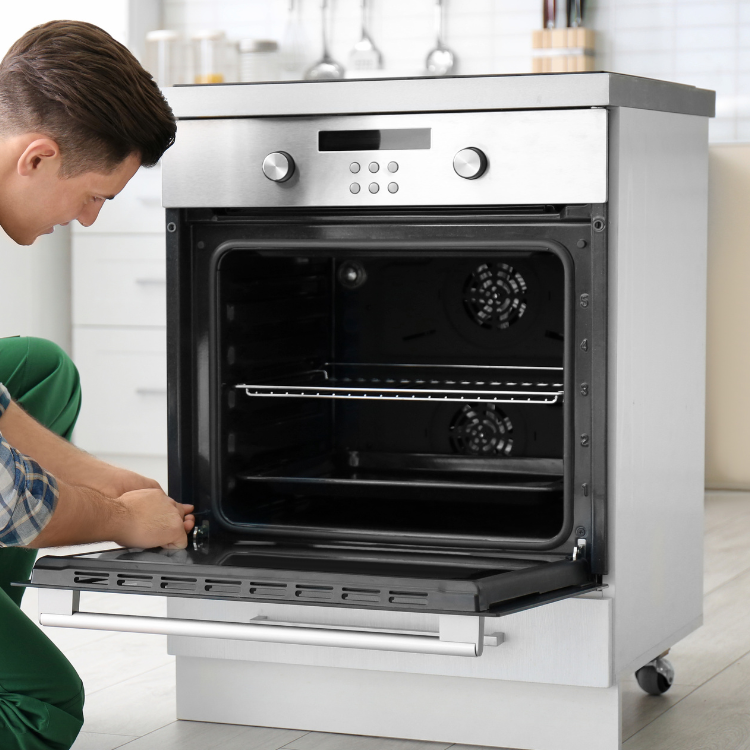
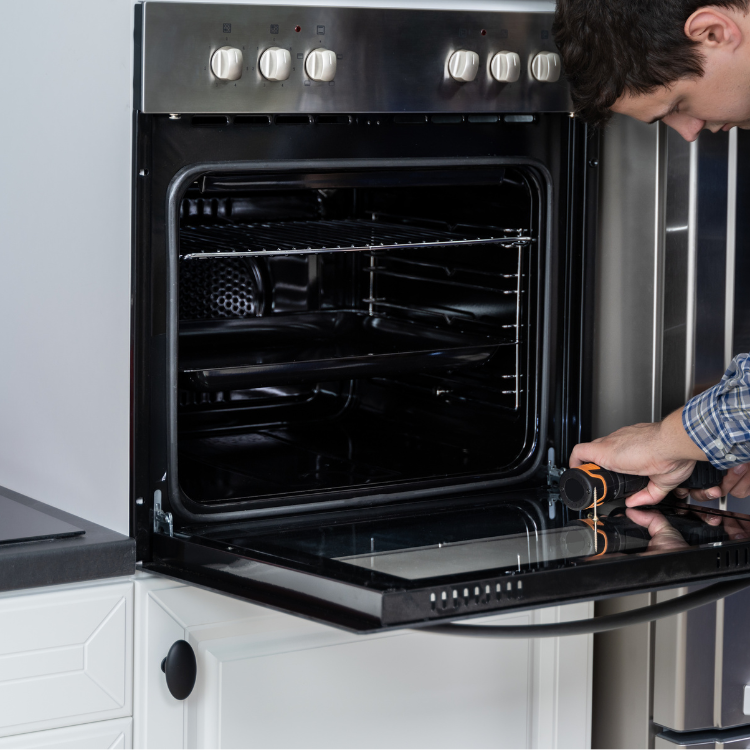
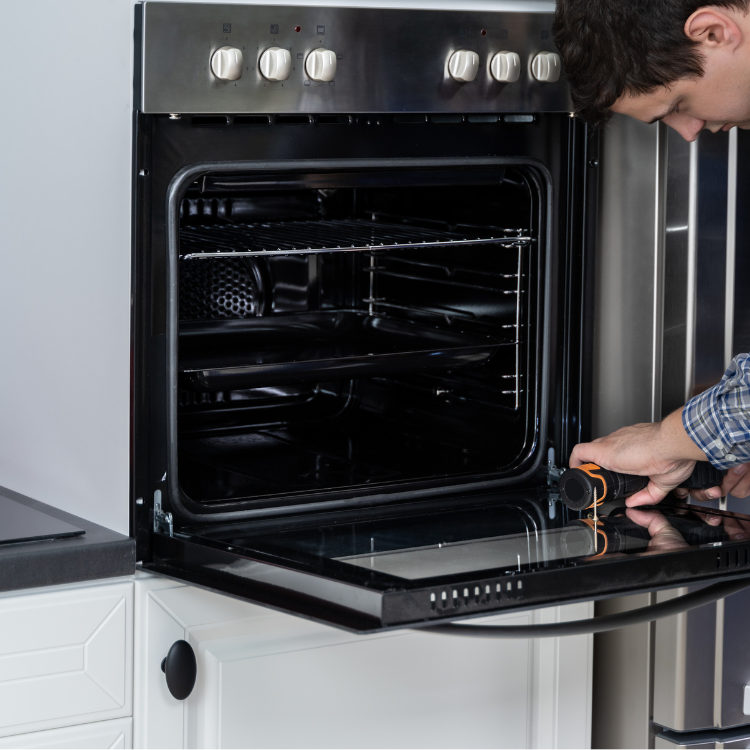
Ranges and ovens contain high-heat components and often have electrical and gas-related considerations depending on the setup. Let surfaces cool before touching knobs or control panels. Never force a door lock or lid mechanism.
A quick decision table you can use
| What you notice | What you should do before service | Why it matters for repair |
|---|---|---|
| Burning smell, smoke, or scorch marks | Stop using the appliance and turn off power (outlet or breaker). Keep the area clear. | Prevents electrical damage and reduces the risk of further component failure. |
| Breaker trips right away | Do not reset repeatedly. Leave power off until inspected. | Repeated resets can worsen the fault and complicate diagnosis. |
| Water pooling under dishwasher | Turn off power, clear standing water, and avoid running another cycle. | Helps prevent water from reaching sensitive electrical parts. |
| Refrigerator warm food or poor cooling | Minimize door openings, check for blocked vents, and note any error codes. | Supports accurate troubleshooting of cooling and airflow components. |
| Washer not draining or unusual noise | Stop the cycle if safe, keep the area clean, and record what the machine does. | Noise and drain behavior help narrow down the likely cause. |
Why This Matters in McKinney, TX
McKinney homes often balance older plumbing runs with modern appliances, and that combination can amplify water and drain issues when hoses or gaskets age. In warm Texas weather, refrigerator performance can drop faster if airflow is restricted or if a door seal is not sealing correctly, which is why reducing door openings matters while you wait for a visit.
Local insight: In the McKinney and Allen area, it is common to see busy kitchens and laundry routines running continuously. That makes early interruption important: stopping the appliance when you notice a leak, repeated tripping, or a worsening cooling problem can protect cabinets, floors, and stored food.
Firsthand-style scenario (representative, anonymized)
A property manager in Plano reported that a restaurant refrigerator was struggling to maintain temperature during peak hours. Before the technician arrived, they turned the unit off, moved perishable items into a holding cooler, and documented the exact times the temperature started rising. They also cleared the area behind the unit so access would be safe and quick. That preparation made the service visit more efficient because the technician could focus on diagnosis rather than basic safety steps.
Need professional appliance repair services in McKinney?
Texas True Appliance Repair can help you plan the safest next step for your refrigerator repair services, dishwasher repair services, or oven repair services. Call and explain what you observed so the visit is prepared.
(469) 596-1814Common Mistakes to Avoid
Some well-meaning actions can create safety hazards or make the problem harder to diagnose. Avoid these mistakes before professional help arrives, especially if you suspect electrical failure, water intrusion, or overheating.
- Resetting a breaker repeatedly when an appliance trips power right away.
- Running a dishwasher again after you see pooling water or a persistent drainage issue.
- Ignoring burning smells or visible scorch marks, then waiting days before service.
- Forcing a locked door on a dishwasher or attempting to bypass safety switches.
- Overloading or blocking vents in a refrigerator during cooling problems.
- Taking apart panels without being sure the power is fully disconnected.
Customer Checklist
Use this checklist to prepare your home or business before a technician arrives in McKinney, TX. It is designed to be practical, safe, and helpful for both residential and commercial appliance repair services.
- Power down safely: turn off power at the outlet or breaker if you suspect electrical faults, leaks, or overheating.
- Clear the area: move items away from behind and around the appliance for safe access.
- Document the symptoms: note error codes, unusual sounds, and when the problem started.
- Protect food and laundry: minimize refrigerator door openings and avoid running additional cycles if cooling or draining fails.
- Check for obvious leaks: keep floors dry and remove standing water near dishwashers or washers.
- Confirm the appliance type: tell the technician if it is a residential unit or part of a commercial kitchen equipment repair setup.
A practical recommendation
If you are deciding whether to repair now or wait, prioritize safety signals first. Cooling, draining, and heating failures can escalate when they involve water pathways or electrical components. For most customers, the best move is to contact a local appliance repair company as soon as the behavior changes noticeably, then let a professional appliance repair technician focus on diagnosis and safe service.
To match your appliance type, you can also review these common service pages from Texas True Appliance Repair: refrigerator repair services, dishwasher repair services, oven repair services, and washer repair.
Get help from a local team that understands appliance risks
When you call Texas True Appliance Repair, you can describe what you noticed and where it is happening, including McKinney, Allen, Frisco, Plano, and nearby areas. A clear problem description helps the technician arrive ready to troubleshoot safely.
Contact Texas True Appliance RepairFrequently Asked Questions
Should I keep using the appliance if it is acting “off,” but not totally broken?
If the appliance is acting off in a way that suggests safety risk, stop using it until it is inspected. Burning smells, repeated breaker trips, visible scorch marks, and water pooling near electrical components are all reasons to pause. For cooling or draining issues, you can often reduce risk by minimizing door openings, keeping the floor dry, and avoiding additional cycles that may worsen the situation. If you are unsure whether the behavior is safe to continue, it is best to turn off the unit and ask a professional appliance repair technician to advise next steps.
What information should I share when I call Texas True Appliance Repair?
Share what changed and what the appliance does during the problem. Include when it started, whether it runs but will not complete a cycle, any error codes on the display, and any unusual sounds or smells. If you found water on the floor, mention where the water collects. If the unit is a refrigerator, note whether it cools briefly and then stops, or if it never reaches the usual temperature. Photos of the panel and the area around the appliance can help, but written notes are already a strong start.
Is it safe to reset a breaker once after an appliance trips?
Resetting once may be okay if you are simply restoring power after a one-time interruption, but avoid repeated resets if the breaker trips again immediately. If an appliance triggers power protection right away, it often indicates an underlying fault that needs diagnosis. Repeated resets can increase damage and make the eventual repair more complicated. If you are seeing recurring trips or any sign of burning or scorching, keep the power off and wait for professional inspection.
How should I prepare for refrigerator repair services while waiting for the visit?
Minimize how often you open the door and move perishable items to a cooler area if the fridge is warming. Check whether internal vents are blocked by food or ice buildup, and remove anything that restricts airflow. If you notice water pooling or abnormal condensation, keep the floor dry and avoid running additional cycles that may worsen leaks. Most importantly, write down what the appliance is doing, including any error codes, unusual sounds, or whether it cycles on and off.
What should I do if my dishwasher is not draining?
If you notice standing water after a cycle, avoid running the dishwasher again. Turn off power at the outlet or breaker and keep the area clean to reduce the chance of water reaching nearby components. If you can do so safely, remove loose debris from visible areas, but do not force parts or bypass safety mechanisms. When you contact Texas True Appliance Repair, mention whether the water drains slowly or not at all, and whether you hear unusual sounds during the drain portion of the cycle.
About Texas True Appliance Repair
Texas True Appliance Repair provides appliance repair services for homeowners and businesses across McKinney, TX and nearby areas including Allen, Frisco, Plano, Richardson, and Prosper. Whether you need residential refrigerator repair company support, dishwasher repair services, washer repair, or commercial kitchen equipment repair, the goal is the same: help you get your appliance back to safe, reliable operation with a professional appliance repair technician who can troubleshoot the issue responsibly.
Commercial repairs are available when your equipment is part of your day-to-day operation.