
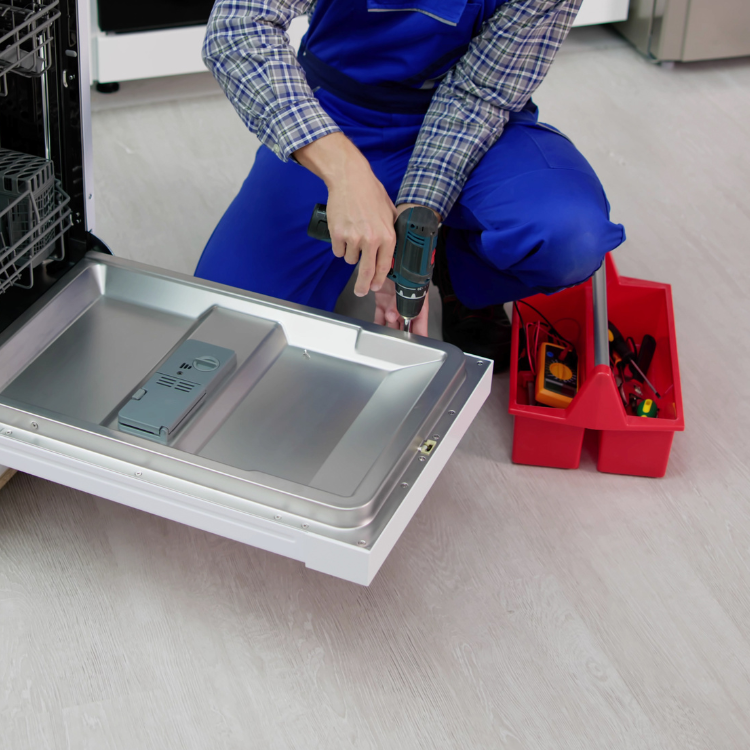
If your dishwasher in McKinney is leaving dishes dirty, not draining, or making unusual noises, you need a clear plan for what to check and when to call a professional. This guide helps you narrow down the likely cause and choose the right next step.
A dishwasher that suddenly stops cleaning well is frustrating, especially when you are trying to keep up with school nights, weekend hosting, or a busy household routine. In McKinney, it is common to notice the problem after a few loads, when you pull out plates that are still greasy, cloudy, or oddly wet.
Sometimes it is something simple, like a clogged filter or a dispenser issue. Other times, the problem is inside the wash system, pump, or drainage path. Below, you will learn how to troubleshoot the most common dishwasher symptoms, what typically causes them, and when it makes sense to schedule professional appliance repair services from a local appliance repair company.
- Quick answer
- What to check first
- Main things customers should understand
- Why this matters in McKinney, TX
- Common mistakes to avoid
- Customer checklist
- Frequently asked questions
Quick Answer
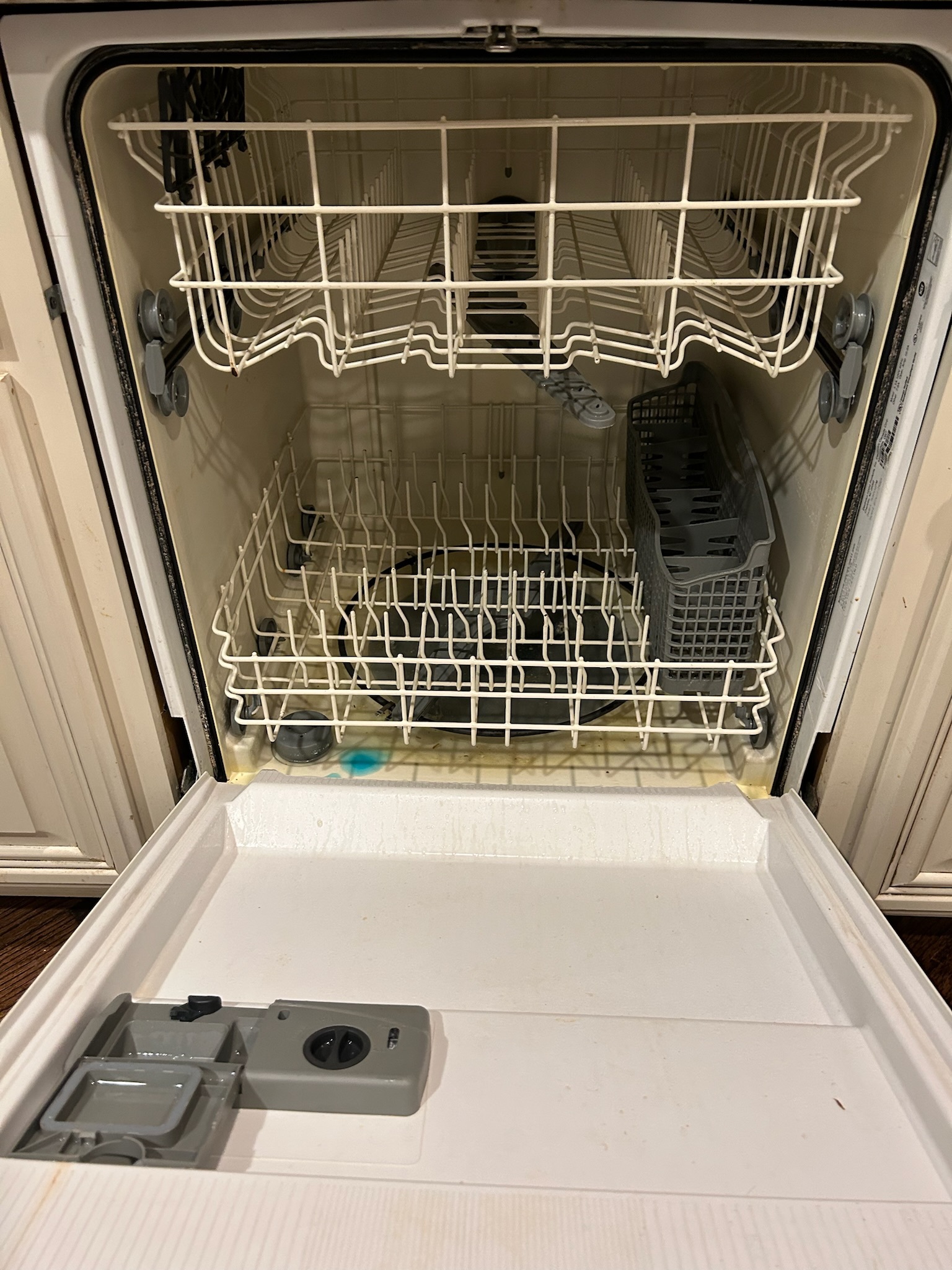
If your dishwasher is not cleaning, draining, or drying properly, start with the basics: check the filter, spray arms, and drain line for clogs, and confirm the unit is getting the right cycle and detergent type. If the problem persists across a few loads, a professional appliance repair technician can test the wash motor, drain components, and control functions to pinpoint the cause. For reliable dishwasher repair services in McKinney, TX, contact Texas True Appliance Repair and describe the exact symptom and any error codes you see.
What to Check First
Before you schedule service, you can often narrow the issue down by checking three things that affect most dishwasher performance: water flow, drainage, and residue removal. These checks are especially useful if you recently changed detergent brands or started using heavier dish soaps for greasy loads.
1) Filter and sump area
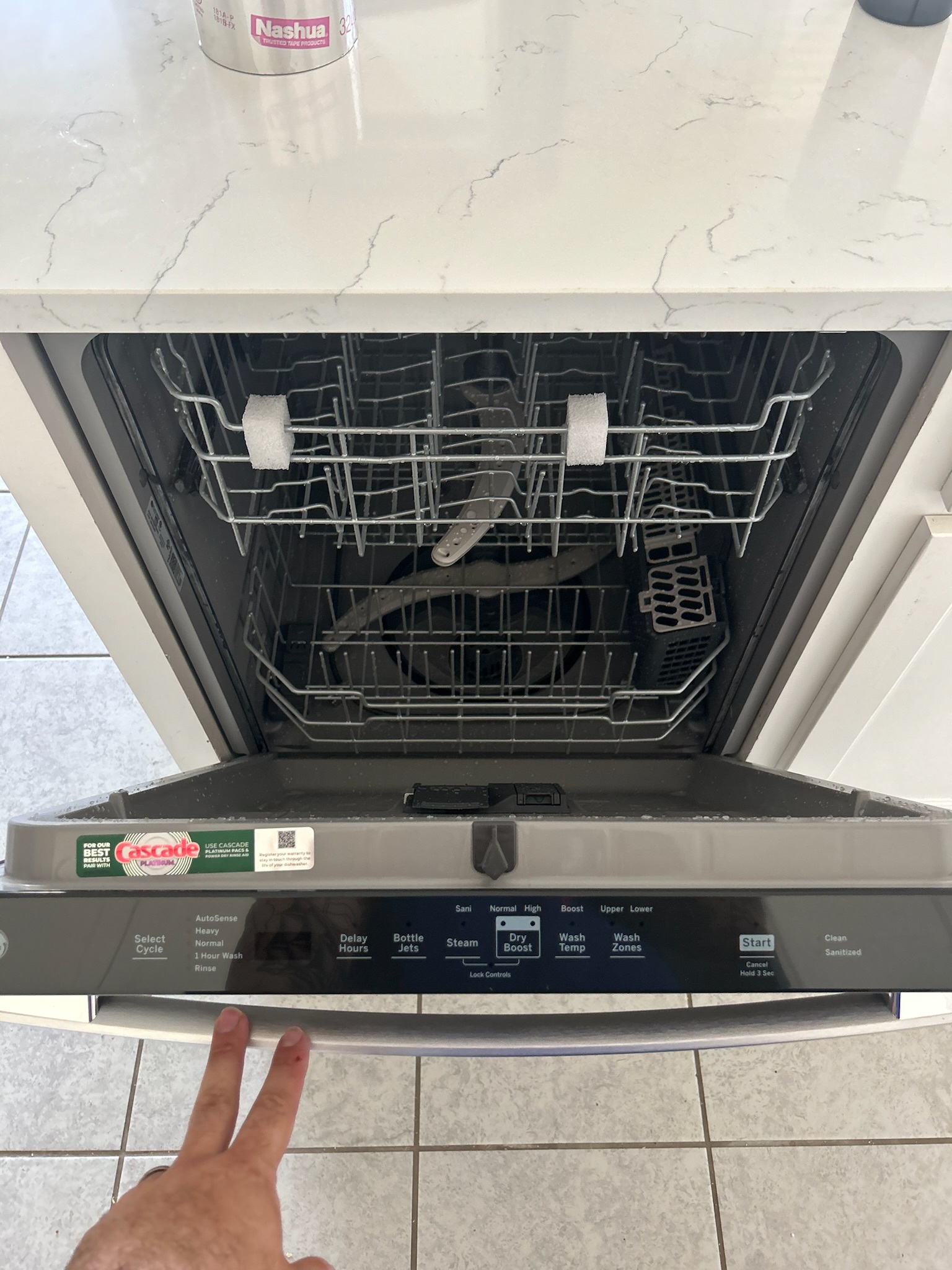
Remove the bottom rack, pull out the filter (if your model allows it), and rinse away food particles. A clogged filter can make water recirculate poorly, which leads to spotting and cloudy dishes.
2) Spray arm movement
Look for blocked spray arm holes or a spray arm that does not spin freely. If the arms are restricted, dishes may come out dirty even on normal cycles.
3) Drain signs
If you see standing water at the end of a cycle, focus on drainage. Check whether there is visible debris near the drain and whether the unit drains consistently during a cycle.
Professional observation: Many “dishwasher repair technician near me” calls start with a maintenance-related cause like blocked filters or restricted spray arms, but persistent standing water or repeated cycle failures usually point to a drainage or wash-component issue that benefits from diagnostic testing.
Main Things Customers Should Understand
Dishwasher symptoms tend to cluster around a few systems: the wash system (water circulation and spray), the drain system (removal of dirty water), and the drying system (heat and airflow). When you know which system is acting up, you can describe it clearly to the technician and avoid unnecessary trial-and-error.
| What you notice | Common underlying cause | What to do next |
|---|---|---|
| Dirty dishes after a full cycle | Restricted water flow, clogged filter, or wash circulation problems | Confirm filter and spray arm cleanliness, then consider professional diagnosis if it repeats |
| Water left in the bottom | Drain path obstruction or drain component malfunction | Stop using the unit until checked, since repeated standing water can worsen residue |
| Cloudy film or spotting | Residue buildup, incorrect rinse aid use, or cycle not delivering proper wash time | Try a clean cycle and verify rinse aid settings; call if the issue returns |
| Strange noises during wash or drain | Debris in circulation or drain-related components | Document when the noise happens and schedule service for inspection |
| Cycle stops or won’t start | Control or sensor-related fault | Record any error codes and contact Texas True Appliance Repair for testing |
One firsthand-style observation from the field: the same dishwasher can show different symptoms depending on how far the issue has progressed. For example, a partially restricted drain might start as mild pooling and then progress to heavy residue and poor cleaning because the unit is not clearing dirty water efficiently. That is why it helps to address the problem as soon as you see patterns across multiple cycles, rather than waiting for the unit to fully fail.
If you are also dealing with other kitchen appliances
Dishwasher issues often show up alongside broader kitchen downtime. If you are troubleshooting multiple appliances, Texas True Appliance Repair can also help with refrigerator repair services and garbage disposal repair so your kitchen is back to normal faster.
Why This Matters in McKinney, TX
In McKinney, TX households often run dishwashers through busy weeks with a mix of heavier loads, like weekend entertaining and after-sports meals. Over time, that means more grease and food residue entering the unit. When the filter or spray arms start to clog, the dishwasher may still run, but it cannot maintain strong water coverage, which leads to poor cleaning and increased cycle time.
Local tip: If your dishwasher has been working fine and then suddenly struggles, think about what changed recently. In many McKinney kitchens, that is when people switch detergents, load style, or the way dishes are pre-rinsed. Those changes can reveal underlying issues with water flow or drainage.
Need dishwasher repair services in McKinney?
Texas True Appliance Repair can help you diagnose the cause and restore proper wash and drain performance. Call (469) 596-1814 or review dishwasher repair to see how we approach appliance repair services for local customers.
(469) 596-1814Common Mistakes to Avoid
When a dishwasher starts acting up, it is tempting to keep running it until the dishes improve. Unfortunately, a few common habits make the problem worse or make the diagnosis harder for a technician.

- Continuing to run cycles with standing water. Persistent pooling can increase residue and may indicate a drainage problem that needs inspection.
- Assuming detergent alone is the solution. If filter and spray coverage are restricted, even the best detergent cannot compensate.
- Overloading or blocking spray arm movement. Crowded racks or poorly placed items can prevent proper wash coverage and create uneven results.
- Ignoring error codes or repeated cycle failures. Controls and sensors can log faults, and repeated patterns usually mean the root cause is not just “dirty dishes.”
- Cleaning only the visible parts. Residue can build up in areas that affect water circulation and drainage, so a deeper inspection may be necessary.
Customer Checklist
Use this checklist before you call. It helps you describe the symptom clearly and gives the technician a better starting point for troubleshooting.
- What is the main symptom: not cleaning, not draining, poor drying, or won’t start?
- Does the issue happen on every cycle or only specific programs (normal, heavy, quick, etc.)?
- Do you see standing water at the end of the cycle?
- Any error codes displayed on the control panel?
- When did it start and did anything change recently (detergent, loading style, rinse practices)?
- Have you checked the filter and verified the spray arms can move freely?
- Can you describe any unusual noises and when they occur (wash vs. drain)?
Representative scenario (what this often looks like)
A homeowner in McKinney noticed that the dishwasher was running longer and dishes were coming out with a greasy film. After checking the bottom filter and rinsing it clean, the first few loads improved briefly, then the problem returned. Because the issue repeated across multiple cycles, the next step was professional diagnosis to inspect wash circulation and drainage components. Addressing the root cause stopped the recurring residue and restored consistent cleaning performance.
Frequently Asked Questions
What are the most common causes of dishwasher poor cleaning?
Poor cleaning usually comes down to water coverage and residue removal. Common causes include clogged filters, restricted spray arm movement, or issues that reduce wash circulation. If you notice the problem on multiple cycles, it often means the dishwasher is not distributing water effectively, not just that dishes are dirty. Start by checking the filter and spray arm holes, then look at whether the unit drains normally and finishes the cycle properly. If it still repeats, a professional dishwasher repair technician can test the wash system and drainage path to find what is limiting performance.
How can I tell if the dishwasher has a drainage problem?
A drainage problem usually shows up as standing water at the bottom after the cycle ends, or slow draining during the cycle. You might also see residue buildup around the drain area, and dishes may come out dirtier because dirty water is not clearing away. If you regularly find pooling water, it is a good idea to pause further use and get it checked. Continued use can worsen buildup and make the issue harder to diagnose. A local appliance repair technician can inspect the drain path and related components to confirm the cause.
Is it worth calling for dishwasher repair if the unit still runs?
Yes, especially if the unit runs but results are getting worse. Dishwashers can keep operating while components slowly fail, which can lead to escalating residue, longer cycles, and repeated poor results. If you have already cleaned the filter, verified spray arm movement, and the symptom returns across multiple loads, that is a strong sign the root cause is internal. Calling for professional appliance repair services can prevent repeated troubleshooting and help restore normal wash and drain performance.
Do you service dishwashers for residential and commercial kitchens?
Texas True Appliance Repair supports appliance repair services for both residential and commercial needs, including commercial appliance repair services for kitchen equipment. If you are operating a restaurant, property, or other commercial setting, it is helpful to explain how the dishwasher is used and what symptoms are affecting daily operations. That context helps prioritize the right diagnostic path and parts needed to get the unit back to dependable performance.
What should I do right before the technician arrives?
Take a quick note of the symptom and timing, such as whether the issue happens on every cycle and whether there is standing water at the end. If you see an error code, write it down. Also, remove any obvious debris from the filter area and ensure the unit is accessible. If the dishwasher is currently not draining properly, avoid running additional cycles and keep the area around the appliance clear. This preparation helps the technician focus on testing the most likely causes faster.
Get help from a local appliance repair company
If you want dishwasher repair services in McKinney, TX, Texas True Appliance Repair is ready to help you troubleshoot the symptom and move toward a real fix. Call (469) 596-1814 or visit our main service page for next steps.
Contact Texas True Appliance Repair
Texas True Appliance Repair
Texas True Appliance Repair provides appliance repair services for homeowners and businesses across McKinney, TX, including nearby areas like Allen, Frisco, Plano, and Richardson. Whether you need dishwasher repair services or help with other appliances, our goal is to diagnose what is happening and restore dependable performance. Explore more services like oven repair services when other parts of your kitchen are also acting up.
Contact: (469) 596-1814 | https://texastrueappliancerepair.com/