

Why Your Dishwasher Won’t Clean Fully: Troubleshooting Repair
If your dishes come out with spots, film, or leftover food, it’s usually not “one thing.” This guide walks you through the most common causes of poor dishwasher cleaning, what you can safely check at home, and when it’s time to call a professional appliance repair technician in McKinney, TX.
It’s frustrating to load the dishwasher, run a full cycle, and still find dried-on food on plates or cloudy glassware that won’t improve. Many homeowners in McKinney, TX notice the problem after a change in detergent, a long gap between uses, or a season where water habits and loading routines shift.
Before you assume the unit is “done,” you can narrow down what’s causing the weak cleaning. This guide helps you understand the most common cleaning failure points, how to identify whether the issue is related to water flow, filtration, or detergent setup, and what to tell a technician so repairs go smoother.
- Quick answer
- What to check first
- Main things customers should understand
- Why this matters in McKinney, TX
- Common mistakes to avoid
- Customer checklist
- Frequently asked questions
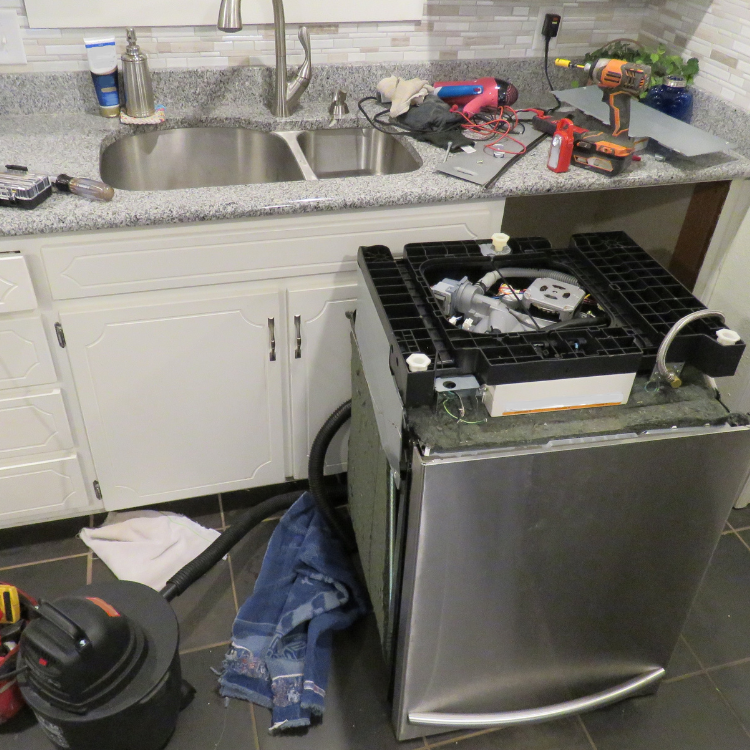
Quick Answer
If your dishwasher won’t clean fully, start by checking the filter, making sure spray arms can spin freely, and confirming you’re using the right detergent amount for your load. If you still see residue after these basics, the issue is often reduced water circulation, clogged jets, or a failing wash component that needs professional diagnosis. A practical next step is to run a short cycle with the machine empty while you verify water reaches the top rack and that spray arms rotate without obstruction. If the problem persists, contact a local appliance repair company like Texas True Appliance Repair in McKinney, TX.
What to Check First
Most “won’t clean fully” complaints trace back to restricted water flow or poor spray coverage. The goal is to identify whether the dishwasher is actually getting enough clean water into the wash area and distributing it across the racks.
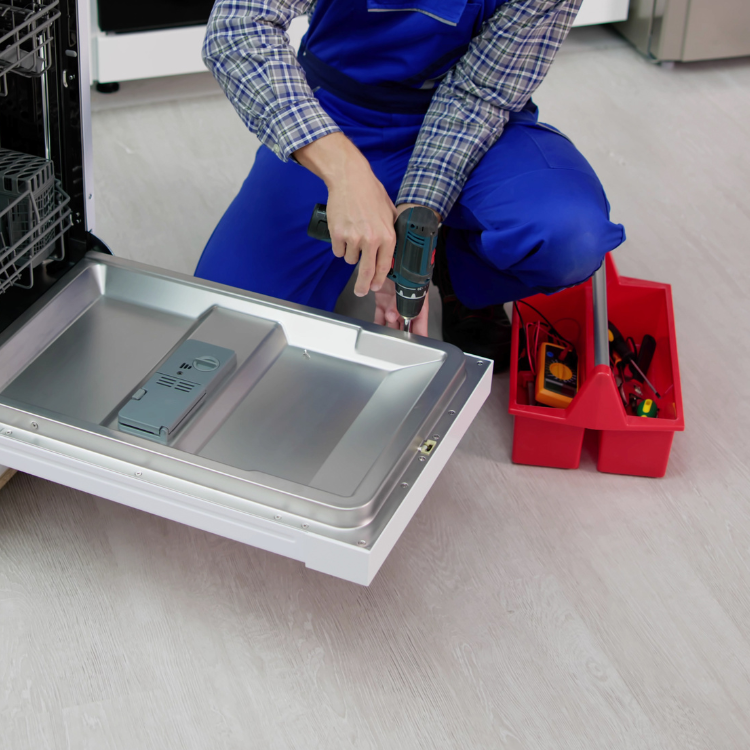
- Inspect the filter and sump area: Remove debris, rinse under running water, and reinstall correctly.
- Check spray arms: Confirm they spin freely by hand. Look for food particles blocking nozzles.
- Verify loading patterns: Avoid blocking the detergent dispenser, vent, and spray arm rotation with tall items.
- Confirm detergent setup: Use fresh detergent and the correct amount for your dishwasher model and cycle.
- Look for standing water issues: If water remains at the bottom, cleaning performance will drop.
Main Things Customers Should Understand
When a dishwasher cleans poorly, it often comes down to water circulation and spray coverage. Even if the unit runs normally, weak wash action can leave greasy film on glasses, starchy residue on plates, or gritty leftover bits in corners.
Professional observation: The most “invisible” failures are usually the ones you cannot see during a quick glance. A partially clogged filter, a spray arm that slows down, or detergent not dissolving fully can all look like “bad cleaning,” even when the dishwasher is turning on and running through cycles.
1) Filter condition and drainage balance
The filter traps food particles so they do not recirculate. If it is clogged or installed incorrectly, the system can recycle debris, which then re-deposits on dishes as a film. This is especially common if the dishwasher is loaded with plates that have heavy food residue or if the unit sits unused for periods.
2) Spray arms and blocked jets
Dishwashers clean by blasting water through spray arm jets. When a nozzle is partially blocked, the affected area may never get strong enough pressure. You may notice patterns like the left side of the rack staying dirty, or glasses near the front still cloudy after a full cycle.
3) Detergent and dispenser behavior
If the detergent does not dissolve at the right time, you can get streaks, spots, or leftover powder. Common contributors include using too much detergent, using detergent that has been stored too long, or loading in a way that prevents the dispenser from opening fully.
4) Water circulation and wash system components
Beyond the obvious, a failing wash component can reduce the amount of water that moves through the system. This can lead to “it runs but doesn’t clean” symptoms. If you’ve already cleaned the filter and confirmed spray arm movement, the next step is diagnostic troubleshooting by a professional appliance repair technician.
5) Hard-water film versus food residue
Not all “dishwasher residue” is the same. Greasy film often points toward wash coverage or detergent dissolution. White haze or spotting can be related to mineral buildup and rinse assistance. While you can improve results with correct detergent and rinse settings, persistent haze after basic checks may indicate a wash system problem that is not distributing water effectively.
| What you notice | Common cause to consider | What you can do first |
|---|---|---|
| Food still stuck on plates | Clogged filter or blocked spray jets | Clean the filter and remove debris from spray arm nozzles |
| Cloudy glasses or gray film | Weak wash action or detergent not dissolving | Use fresh detergent, verify dispenser opening, and check spray arm spin |
| Dirt in corners and along edges | Spray coverage blocked by loading | Re-load so items do not block the top rack jets |
| Water left at the bottom | Drain or circulation issue | Check for standing water and confirm proper drain function |
| Leftover powder in dispenser area | Detergent timing or dispenser obstruction | Confirm nothing blocks the dispenser and run with correct detergent amount |
Why This Matters in McKinney, TX
In McKinney, TX, many homes see changes in water use patterns across seasons and weekends, which can affect how well a dishwasher performs when it is not maintained consistently. If you run heavier loads before gatherings or let the dishwasher sit between uses, food particles can build up faster in the filter and sump area. That buildup can reduce cleaning power even though the machine still “starts” normally.
Local insight: If your dishwasher has been running with lighter loads, seasonal changes in routine can make residue problems more noticeable. A quick filter and spray-arm check often restores performance, but persistent symptoms after those basics usually point to a wash circulation problem that benefits from professional diagnosis.
Common Mistakes to Avoid
Once you spot poor cleaning, it’s easy to keep trying the same cycle and detergent. Those repeat attempts can waste time and sometimes make residue worse if the underlying issue is clogged or obstructed.
- Skipping the filter cleaning: If the filter is restricted, cleaning results will keep degrading no matter what cycle you choose.
- Overloading with tall items: Blocking the top rack or spray arm rotation often causes uneven cleaning.
- Using the wrong detergent amount: Too much detergent can leave residue, and too little can lead to poor cleaning.
- Assuming “it’s the detergent” without checking spray coverage: If spray arms cannot distribute water properly, detergent changes alone rarely fix it.
- Running cycles without addressing standing water: If water remains at the bottom, you can expect weaker wash performance until drainage is corrected.
Need dishwasher troubleshooting in McKinney?
If you’ve cleaned the filter, checked spray arms, and your dishwasher still won’t clean fully, Texas True Appliance Repair can help diagnose the wash system so you don’t keep guessing.
Get help with dishwasher repairCustomer Checklist
Use this quick checklist before you call. It helps you describe the problem clearly and gives the technician useful starting points.
- Confirm the exact symptom: leftover food, cloudy glass, spots, or powder residue
- Check for patterns: which rack area stays dirty most often
- Inspect the filter: remove debris and verify correct reinstallation
- Test spray arm movement: confirm both arms rotate freely by hand
- Verify detergent dispenser behavior: ensure it opens and the powder fully dissolves
- Note standing water: does the bottom collect water after the cycle ends
- Record your loading style: whether tall items block the top rack or the dispenser
Representative scenario (what this looks like in real life)
One customer in McKinney noticed that plates were getting clean in the center but still had residue around the edges after every wash. After checking, they found the filter had a buildup of fine debris and one spray arm nozzle had food particles partially clogging the outlet. Once the filter was cleaned and the nozzle cleared, the next cycle improved noticeably. When cleaning still had gaps, the technician focused on wash circulation and spray distribution to identify what was restricting water flow beyond the filter area.
Frequently Asked Questions
Could a clogged filter cause dishes to come out dirty even if the dishwasher runs normally?
Yes. The filter traps food debris so it does not get recirculated during the wash. If the filter is clogged or installed incorrectly, the dishwasher can recycle particles that settle back onto dishes. That often shows up as gritty residue, leftover bits around edges, or an overall “not clean enough” result even though the dishwasher is completing cycles. Cleaning the filter and checking the sump area is a good first step before you assume a deeper wash system problem.
Why do my glasses look cloudy after a dishwasher cycle?
Cloudy glasses are commonly tied to weak wash coverage, detergent that is not dissolving properly, or residue being redeposited during the cycle. Start by confirming spray arms can spin freely and that nothing blocks water reaching the top rack. Also verify detergent is fresh and used in the correct amount. If you clean the filter and spray arms and the cloudiness continues consistently, the next likely step is diagnosing the wash circulation components that control water movement.
What should I check if water is left at the bottom of the dishwasher?
Standing water can reduce cleaning performance because the dishwasher is not draining and circulating as intended. Begin with basic checks like confirming there is no visible blockage and that the filter is clean. If the dishwasher continues leaving water after those checks, the drainage or circulation pathway may be restricted and needs professional troubleshooting. At that point, calling an appliance repair technician can help you avoid repeated cycles that do not address the root cause.
Is there a common loading mistake that prevents full cleaning?
Yes. Blocking the top rack or spray arm rotation is one of the most frequent reasons for uneven cleaning. Tall items, oversized utensils, or plates placed too close to the dispenser area can limit where water can reach. If you notice residue on one side or in specific zones, re-load to keep items from interfering with the spray arms and ensure the detergent dispenser is not obstructed.
Should I switch detergent before troubleshooting the dishwasher?
It can help if detergent timing or dissolving is the issue, but it should not replace basic mechanical checks. Before changing products, clean the filter, confirm spray arm movement, and verify the dispenser opens during the cycle. If those checks do not correct the problem, changing detergent alone may not solve a wash circulation or blockage issue. A professional diagnosis is the most reliable way to avoid trial-and-error.
Get professional help from Texas True Appliance Repair
For reliable dishwasher repair services in McKinney, TX, Texas True Appliance Repair offers professional appliance repair technician support for residential dishwashers and more. If your unit still won’t clean fully after basic checks, we can help pinpoint what’s limiting wash performance.
Contact Texas True Appliance Repair
Texas True Appliance Repair
Texas True Appliance Repair is a local appliance repair company serving McKinney, TX and nearby areas including Allen, Carrollton, Celina, Frisco, Little Elm, Melissa, Plano, Prosper, and Richardson. Whether you need dishwasher repair services or help with other major appliances, our focus is practical troubleshooting and professional appliance repair technician support for both residential and commercial needs.
Explore related services: oven repair services, washer repair, or garbage disposal repair.