
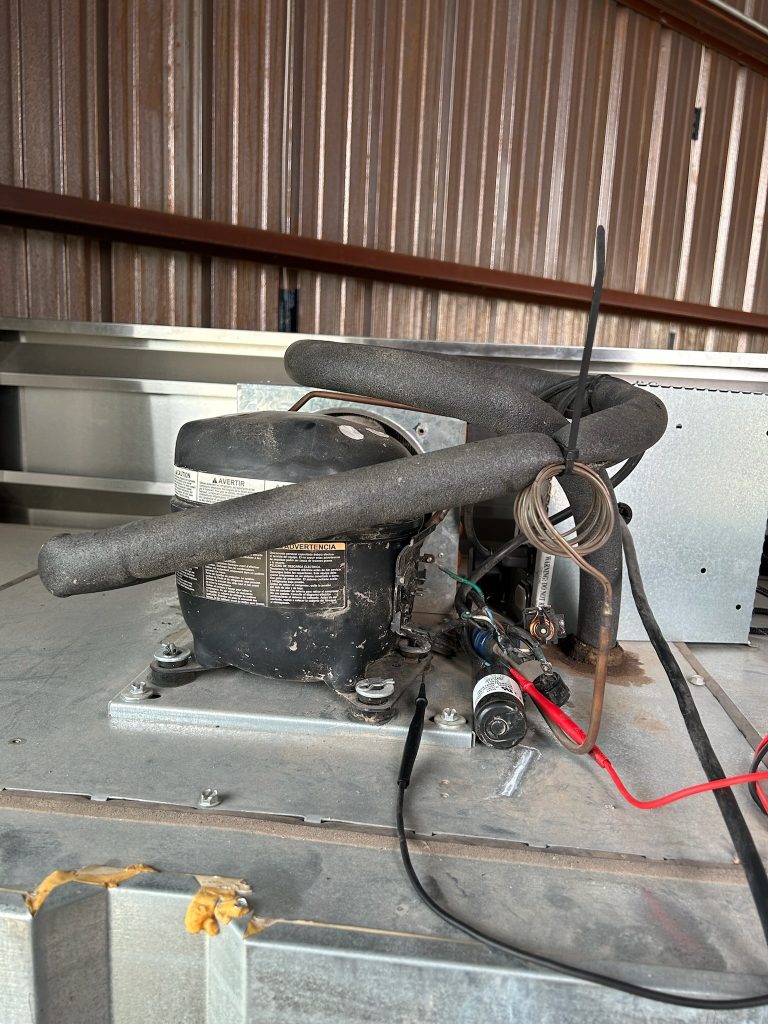
Commercial Appliance Repair Cost and Value Explained Before Service
If a freezer, dishwasher, oven, or other commercial appliance stops working, the “cost” question comes fast. This guide explains what typically drives repair value, what to check before service, and how to decide whether repair makes sense for your McKinney, TX operation.
It usually starts the same way in McKinney. A restaurant gets through the lunch rush, then the prep fridge runs warmer, the dishwasher starts leaving spots, or the oven won’t hold steady temperature during dinner service.
When you’re managing daily operations, you are not looking for guesswork. You want to understand what repair work tends to involve, what factors affect cost, and how to protect value before an appliance repair technician even begins.
This guide helps you sort through the “what will it cost and is it worth it?” decision. You’ll learn what to check first, the main value drivers, common mistakes that can increase total repair time, and a practical checklist you can use right away.
- Quick answer
- What to check first
- Main things customers should understand
- Why this matters in McKinney, TX
- Common mistakes to avoid
- Customer checklist
- Frequently asked questions
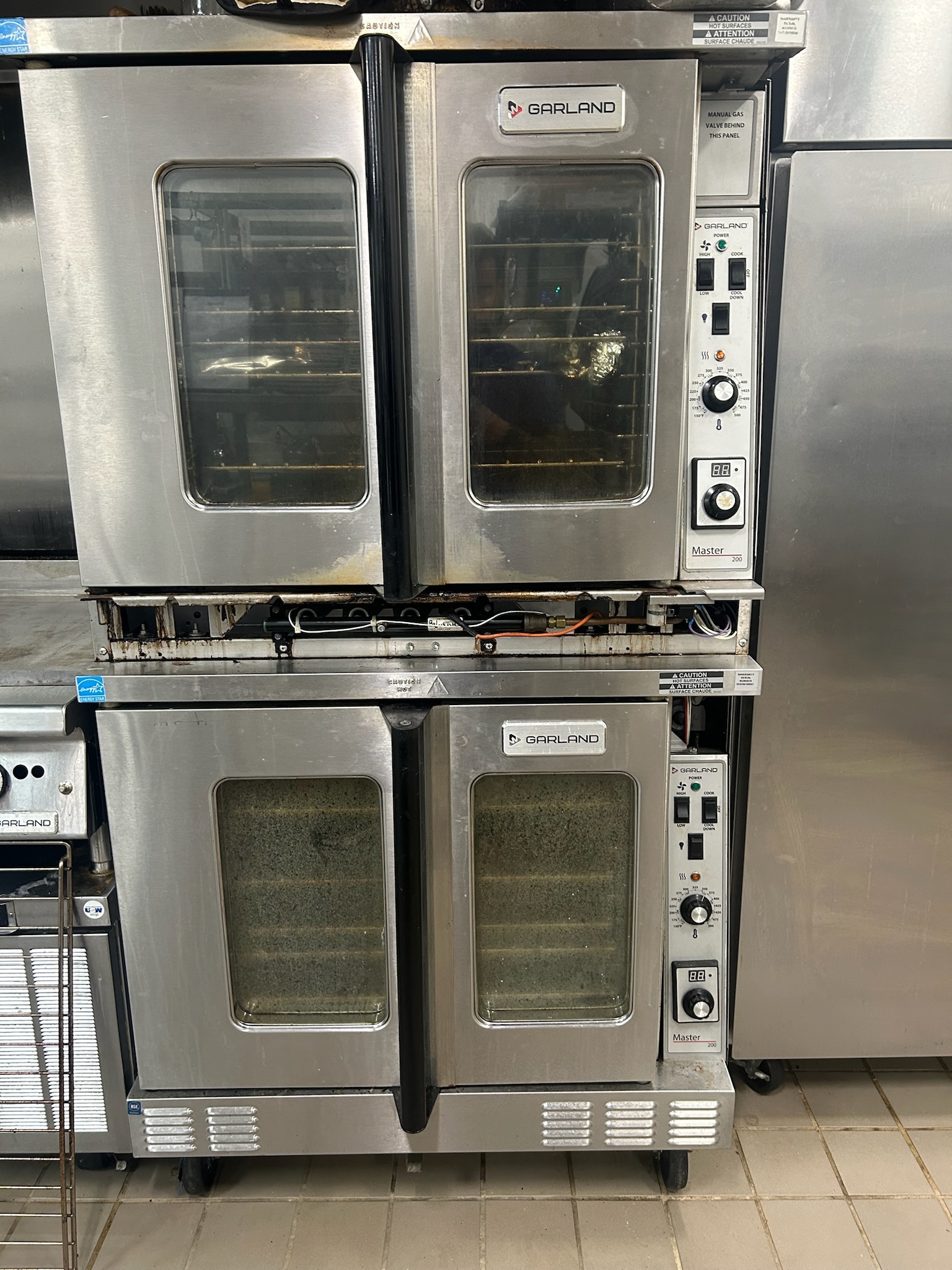
Quick Answer
Most commercial appliance repair costs come down to three things: what part or system is failing, how much labor time is required to diagnose and access the issue, and whether the repair restores reliable performance for your daily workload. Before you schedule service in McKinney, collect the model and serial number, note symptoms (exact temperatures, error codes, and when it started), and confirm whether multiple problems are connected. A professional appliance repair technician can then advise the most practical path for value. If the appliance is still cooling or heating but inconsistent, repairing the underlying cause is often the best way to avoid repeated service calls.
What to Check First
Before calling for commercial kitchen equipment repair, do a quick, safe check that helps the technician diagnose faster. Start with the basics: power, settings, and any visible error codes. For refrigeration, confirm whether the unit is running at all and whether fans or compressors sound normal. For dishwashers and ovens, check whether the unit heats or drains properly and whether anything is blocking spray arms or airflow paths.
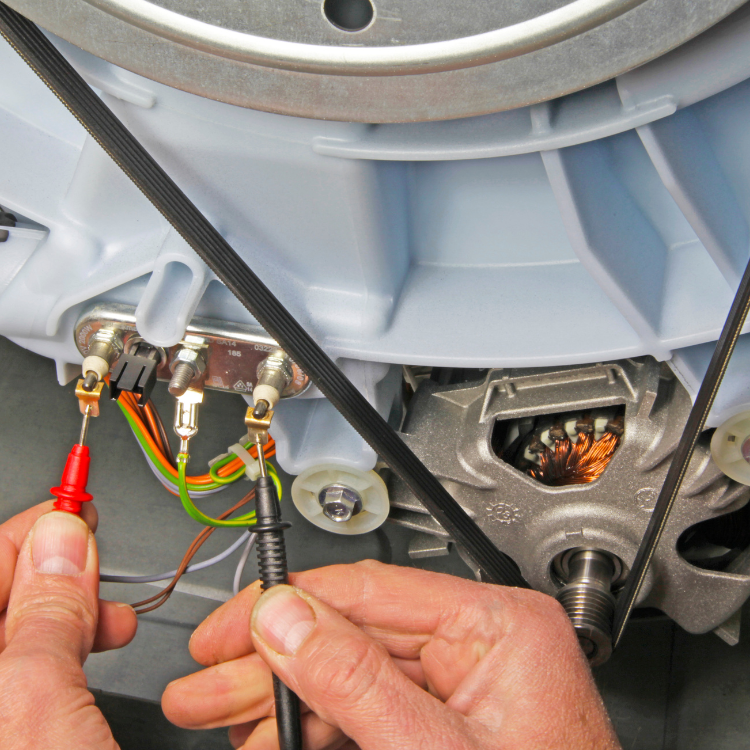
Write down symptoms
Note what changed, when it started, and what “failure” looks like in your workflow. Example: “dishwasher leaves residue after every cycle” or “fridge stops cooling after a few hours.”
Find the model info
Locate the label with the model and serial number. This speeds up finding the correct parts and prevents mismatched components.
Check simple constraints
For ovens and ranges, confirm gas or electrical supply and burner operation. For refrigerators, confirm doors seal and that airflow isn’t blocked by product placement.
Main Things Customers Should Understand
When people ask about commercial appliance repair cost and value, they are often comparing “repair now” versus “keep using it until it fails completely.” In practice, value comes from whether the repair addresses the root cause, reduces repeat downtime, and helps the appliance perform consistently during your busiest hours.
Professional observation: The biggest “value” difference usually isn’t the invoice total alone. It is whether the repair restores dependable operation so the appliance stops cycling through the same failure pattern.
Here are the main factors that typically influence repair value for commercial equipment and residential appliances alike.
| Value factor | How it affects cost | How it affects your decision |
|---|---|---|
| Root cause | More complex failures may require deeper diagnostics to identify the actual component or control issue. | If the root cause is corrected, you typically avoid repeated repairs for the same symptom. |
| Parts availability | Some repairs depend on sourcing the correct part for your specific model. | Using the right part matters for long-term reliability, not just short-term operation. |
| Labor time and access | Labor increases when components are difficult to access or multiple systems must be checked. | A technician who diagnoses thoroughly can reduce “trial-and-error” downtime. |
| Consistency of performance | Repairs that stabilize temperatures, heating, or draining often require testing after service. | Consistent performance protects food quality, prep schedules, and customer experience. |
| Safety and proper operation | Issues involving heating elements, controls, or drainage can require careful verification. | Fixing safety-related failures helps prevent future breakdowns and operational interruptions. |
If your appliance is part of your daily workflow, it is also worth considering the type of repair you need. Texas True Appliance Repair offers targeted options for appliances such as refrigerator repair services, dishwasher repair services, and oven repair services. For businesses, you can also explore commercial appliance repair services to align the repair approach with your equipment type and usage.
Why This Matters in McKinney, TX
In McKinney, TX, appliances often work through daily temperature swings and heavy use patterns. Refrigeration issues can show up as “it’s cooling, but not enough” during hotter stretches, while dishwashers may struggle when they are running frequent cycles back-to-back in busy dining hours. The value question becomes practical: can your equipment keep up with your schedule after repair, or will it keep drifting back into the same failure?
Local value tip: When you call a local appliance repair company, a clear symptom timeline helps the technician plan the right diagnostic steps for what you’re seeing in your McKinney operation.
That is why documenting error codes, temperatures, cycle behavior, and how the issue affects your workflow is so useful. It also helps Texas True Appliance Repair communicate the repair path in a way that supports real decision-making, whether you manage residential property issues or commercial kitchen equipment.
Common Mistakes to Avoid
Some customer habits increase repair time and can turn a simple fix into a bigger job. Avoid these common mistakes before and during the repair process.
- Waiting until the appliance fully fails. Many issues begin as inconsistent performance, then progress to total shutdown.
- Resetting controls without noting symptoms. You lose the clues that help identify whether the issue is heating, draining, cooling, or control-related.
- Ignoring model and serial number details. Guessing parts or using incorrect components can lead to repeat service visits.
- Overloading or blocking airflow. In refrigerators and freezers, product placement can affect circulation and performance.
- Using the appliance “through it” during risky failures. If heating, drainage, or electrical behavior seems abnormal, stop using it until it is diagnosed safely.
- Not sharing how the issue impacts your day. A technician needs to know what “broken” means in your environment, not just that something stopped working.
Customer Checklist
Use this checklist before service to support a smoother diagnosis and a clearer value conversation. It is also a helpful way to compare whether repair is likely to solve the real problem or just treat symptoms.
Actionable checklist: If you can answer these items, you can usually get to the right repair direction faster.
- Have the appliance model and serial number ready.
- Write the symptom timeline (what it does, when it started, and how often it happens).
- Record any error codes or unusual sounds (fans, clicking, draining behavior).
- For refrigeration: note whether it runs continuously or cycles off too soon.
- For dishwashers: note whether it drains, heats, or leaves residue after cycles.
- For ovens and ranges: note whether it heats evenly and holds temperature.
- Confirm the appliance is accessible and safe to inspect (clear the area around vents and panels).
- Decide what “success” means for you after repair (example: consistent temperature, cleaner cycles, reliable heating).
Representative Scenario: Commercial Kitchen Appliance Decision
A restaurant in Frisco reports that its dishwasher cycles, but plates come out with residue during the busiest evening hours. The manager documents what changes after the repair they previously attempted: the unit still runs, but the cleaning performance is inconsistent. Instead of continuing to run cycles to “work around” the issue, they schedule service and share model details and the symptom timeline. The technician can then focus diagnostics on the most likely cleaning and draining causes, rather than guessing. This approach supports value because it targets the failure pattern that affects day-to-day operations.
Frequently Asked Questions
What typically drives commercial appliance repair costs?
Commercial appliance repair costs usually reflect the work needed to diagnose the root cause, the time required to access components, and the parts involved for your specific model. Value is tied to whether the repair restores consistent operation for your workflow, not just whether the appliance runs briefly. Before service, documenting symptoms, error codes, and how the issue impacts daily use helps reduce unnecessary troubleshooting time.
How do I know if it is worth repairing a refrigerator or freezer?
A repair is often worth considering when the appliance is failing in a consistent way, such as cooling unevenly, taking longer to reach temperature, or cycling off too soon. If the unit is still partially performing, that can be a sign the problem is localized to a component or control issue. A professional refrigerator repair technician can evaluate the symptoms, verify safe operation, and advise whether fixing the underlying cause is the practical path for your situation.
What should I check before I schedule dishwasher repair services?
Start by checking whether the dishwasher drains properly, whether it heats during cycles, and whether spray arms can rotate freely. Note whether the problem is residue on dishes, poor drying, unusual smells, or cycle interruption. Also gather the model and serial number so the right parts can be identified. Sharing this information helps a professional appliance repair technician focus on the most likely dishwasher repair areas instead of repeating basic tests.
Can oven and range problems be connected to other appliance issues?
Sometimes, appliance issues appear related because they share electrical supply, building usage patterns, or timing during peak operation. For example, the way a kitchen cycles multiple appliances can reveal whether a problem is isolated to one unit or linked to controls and power delivery. A technician can help determine whether symptoms are independent or connected, which is important for avoiding repeated service on the wrong component.
What information should I provide to get the most helpful service visit?
Provide the model and serial number, a clear timeline of symptoms, and any error codes. Include what the appliance is doing (for example, “not holding temperature,” “not draining,” or “heating inconsistently”) and how it affects your daily work. If you already tried any resets or workarounds, mention what you did and what changed afterward. This gives the technician a focused starting point for diagnostics and helps protect overall repair value.
Plan the next step with Texas True Appliance Repair
If you are dealing with commercial appliance repair issues in McKinney, TX or nearby areas, call Texas True Appliance Repair to discuss what you are seeing and what information to share before the service visit.
(469) 596-1814Ready to restore reliable performance?
If your dishwasher, refrigerator, oven, or other appliance is costing you time, the most valuable next move is getting a clear, root-cause-focused diagnosis. Texas True Appliance Repair serves McKinney, TX and surrounding communities including Allen, Carrollton, Celina, Frisco, Little Elm, Melissa, Plano, Prosper, and Richardson. Share your model details and symptom timeline, and we can help you choose the practical repair approach for your home or business.
Contact Texas True Appliance Repair
Explain the issue once, and we will help you move toward the right repair plan.
Schedule service
Texas True Appliance Repair
Texas True Appliance Repair provides professional appliance repair services for residential and commercial customers in McKinney, TX and nearby areas. Whether you need refrigerator repair services, dishwasher repair services, oven repair services, or commercial appliance repair services for restaurant appliance repair company needs, our focus is practical diagnosis and repair value that supports real day-to-day operation.
Serving McKinney, TX including Allen, Carrollton, Celina, Frisco, Little Elm, Melissa, Plano, Prosper, and Richardson. Call (469) 596-1814 or visit texastrueappliancerepair.com.