
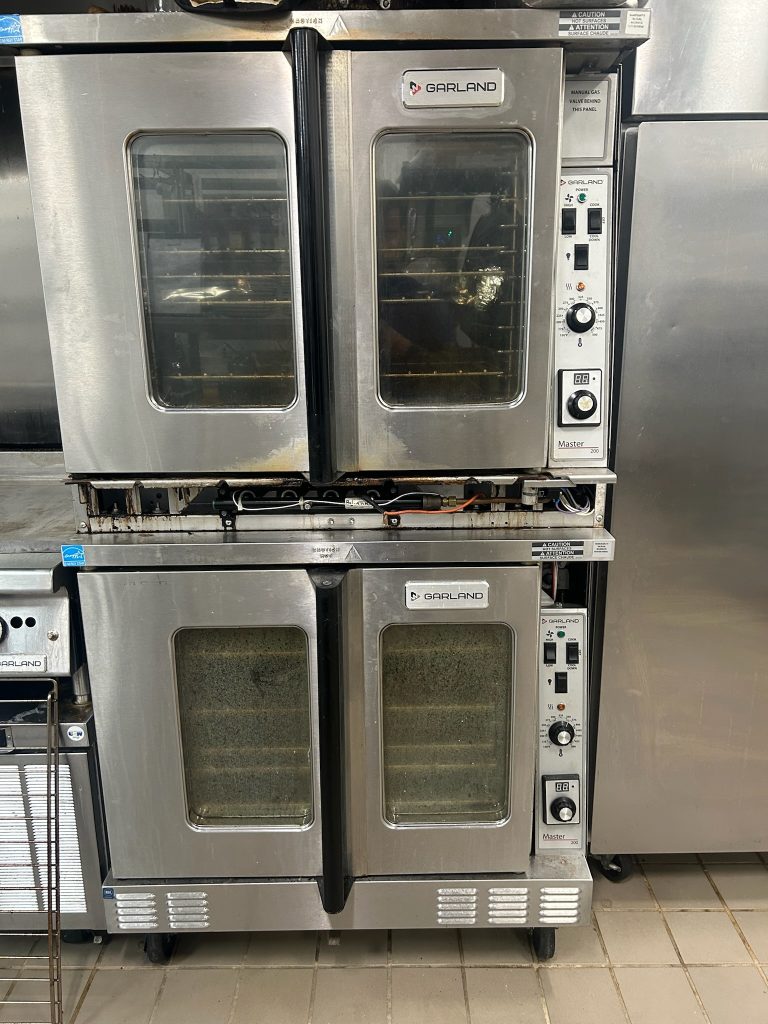
When your dish machine, refrigeration, or cooking equipment starts acting up, it rarely does so at a convenient time. This guide helps business owners in McKinney, TX (and nearby cities) set a practical maintenance rhythm, catch issues early, and decide when appliance repair services should be scheduled versus when troubleshooting is enough.
A restaurant manager in McKinney can plan for busy nights, but not for a dishwasher that suddenly drains slowly or a refrigerator that starts cycling more often than usual. After a rush, the kitchen may “work,” but the underlying problem often gets worse with every load.
For offices, clinics, and multi-tenant properties, the same pattern shows up with different equipment: microwaves that overheat unevenly, ovens that take longer to reach temperature, or garbage disposals that start stalling. The question then becomes how often maintenance should happen and what signals mean it is time to call a professional appliance repair technician.
This guide explains what to check first, how to think about maintenance frequency for commercial appliances, and how local factors in North Texas can influence wear and tear. You will also get a simple checklist you can use for internal scheduling and a few common mistakes to avoid.
- Quick answer
- What to check first
- Main things customers should understand
- Why this matters in McKinney, TX
- Common mistakes to avoid
- Customer checklist
- Frequently asked questions
Quick Answer
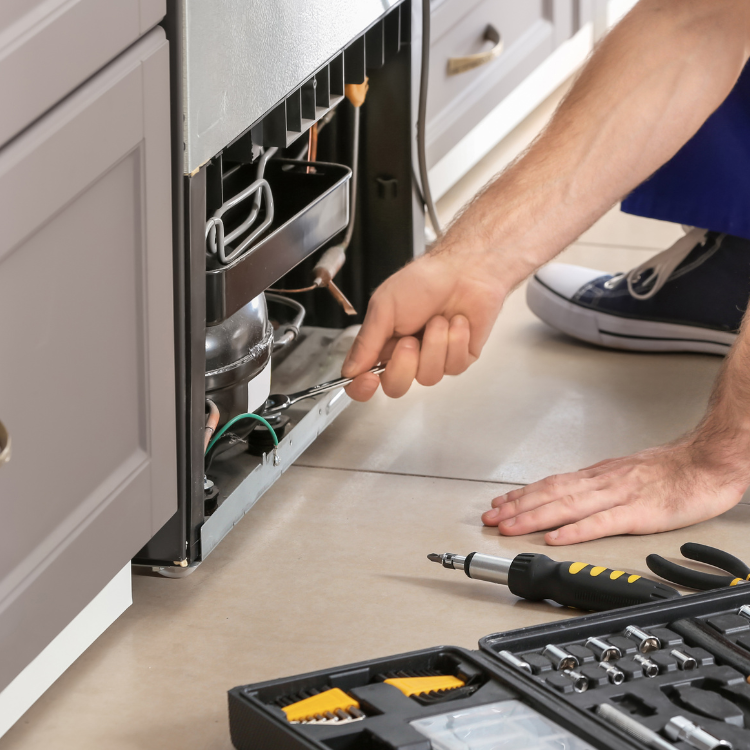
For most businesses, maintenance should be planned on a cycle, then adjusted based on how hard the equipment is used. A practical starting point is to inspect and clean key components regularly (such as filters, seals, and accessible parts) and schedule professional commercial appliance repair services when performance changes show up, not only when something fully breaks. If you run high-volume cycles like daily dishwashing, refrigeration that stays busy, or cooking equipment that is used multiple shifts, lean toward more frequent checkups. Texas True Appliance Repair can help you set a realistic schedule based on your equipment and usage.
What to Check First
Before you decide on repairs or maintenance frequency, confirm whether the issue is equipment-related or usage-related. Many “repair” problems start as operating conditions: incorrect loading, blocked drains, poor ventilation, or cleaning routines that miss the parts that actually cause trouble. Start with the simplest checks you can do safely, then escalate to professional appliance repair when symptoms persist or worsen.
Daily performance signals
Notice changes like longer cycle times, unusual noises, inconsistent temperatures, or water that does not drain properly. Write down when it happens and what was different that day.
Clean and inspect what you can reach
Check filters, trays, seals, and any accessible strain points. If cleaning helps temporarily but the problem returns, that points to a component-level issue.
Confirm basics that affect repairs
Verify leveling, airflow clearances, and that vents are not blocked. For refrigeration, make sure doors close fully and that coils are not heavily obstructed.
Main Things Customers Should Understand
Maintenance frequency is not one universal number. It depends on how often the appliance runs, what it is used for, and what kind of environment it is installed in. Businesses in McKinney often deal with equipment that runs through long service hours, which accelerates wear on drain systems, heating elements, and seals. A smart schedule balances routine upkeep with timely repair visits so downtime stays predictable.
Professional observation: Appliances in commercial kitchens and utility rooms often “fail gradually.” A dishwasher may first drain slower, a refrigerator may first cycle more, and an oven may first take longer to preheat. If you track those early changes, you can schedule professional help before the problem becomes a full shutdown.
| Appliance type (common in businesses) | What to watch for | Maintenance rhythm to consider | When to schedule professional repair |
|---|---|---|---|
| Dishwashers | Slow draining, poor cleaning, standing water, unusual cycle behavior | Routine checks based on daily load volume; keep filters and accessible parts cleaned | When performance changes persist after cleaning or when draining and wash cycles keep trending worse |
| Refrigerators and fridges | Temperature swings, longer run cycles, uneven cooling, door seal issues | Inspect seals, airflow, and condenser areas regularly; adjust based on how frequently doors are opened | When temperature control shifts or cooling behavior changes repeatedly over multiple days |
| Ovens and ranges | Longer preheat, inconsistent heat, burner or element performance problems | Seasonal checks plus “use-based” attention for equipment that runs heavy shifts | When temperature consistency fails or heat distribution problems do not correct with normal usage |
| Microwaves | Uneven heating, longer cook times, strange power behavior | Include in routine operational checks and cleaning schedules | When heating performance changes and keeps repeating across different loads |
| Washers and clothes dryers (laundry rooms) | Spinning issues, failure to dry fully, unusual sounds, repeated cycle interruptions | More frequent inspection where usage is constant | When cycles stop early, drying performance drops, or abnormal noises appear consistently |
| Garbage disposals | Jamming, stalling, slow sink drain, odd grinding noises | Operational reminders and periodic checks of how waste is handled | When repeated clogs or stalling happens even with normal usage habits |
Why This Matters in McKinney, TX
In McKinney, TX, commercial spaces can experience equipment stress from long operational hours and frequent in-and-out traffic. Kitchens, break rooms, and laundry areas often run through daily peaks, which means seals, drains, and heating components spend more time at high load. Maintenance frequency becomes a business continuity issue, not just a comfort issue. Planning repairs around early performance changes helps prevent the “we made it through service today” mindset that can turn a small problem into a full outage.
Common Mistakes to Avoid
Most maintenance problems come from predictable decisions: waiting too long, cleaning the wrong parts, or assuming that a temporary fix means the issue is gone. If you manage multiple properties or handle equipment across departments, these missteps can also create inconsistent maintenance records.
- Waiting until a refrigerator is completely warm before scheduling service.
- Ignoring slow-draining symptoms in dishwashers and disposals because the unit still “finishes.”
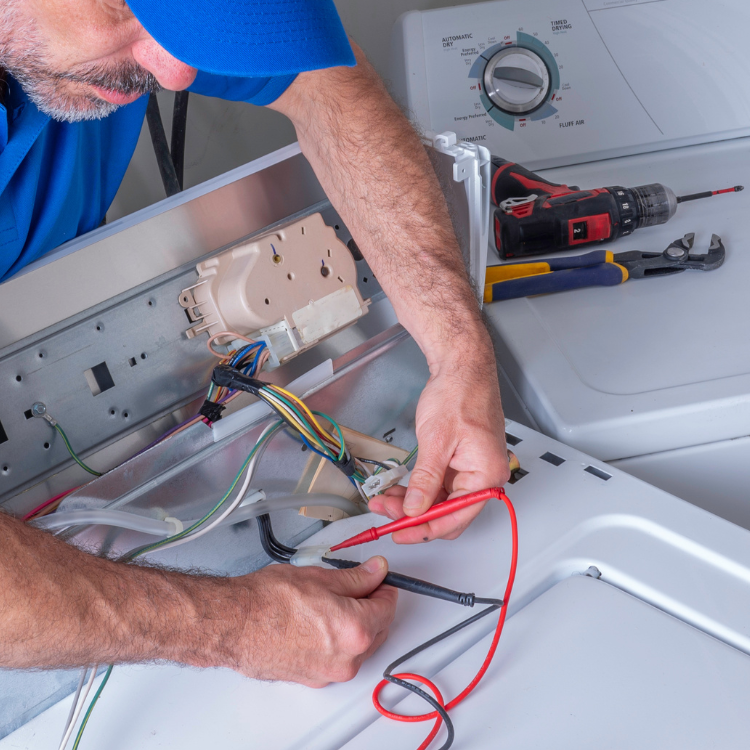
- Skipping documentation of when issues start, which makes it harder for a professional technician to pinpoint the cause.
- Cleaning without checking for underlying component wear, especially when problems return after a short improvement.
- Letting cooking performance drift without addressing temperature inconsistency or longer preheat times.
Customer Checklist
Use this checklist to create a simple maintenance rhythm for your commercial appliances. It is designed for busy teams, so each step is quick to do and helps you decide when professional appliance repair services are the best next move.
Use this weekly: Walk the equipment list and log any changes in cycle time, temperature stability, draining behavior, or unusual sounds.
- Confirm appliance behavior is normal for your typical operating schedule (cycle length, heating, cooling, and drainage).
- Inspect accessible parts you can safely maintain, like filters and visible seals, and remove obstructions that could restrict flow.
- Check that doors close fully and that vents are not blocked in refrigeration units.
- For dishwashing, verify proper draining and watch for standing water that persists between cycles.
- For cooking equipment, note any inconsistency in heating, preheat time increases, or changes in burner or element performance.
- For laundry equipment, track repeated failures to dry fully or cycle interruptions.
- For disposals, monitor sink drain speed and recurring jamming patterns after normal use.
- If symptoms repeat, stop relying on “temporary fixes” and schedule professional inspection.
Representative Scenario: McKinney Business Avoids Downtime
A small restaurant in McKinney noticed its dishwasher cycles taking longer and leaving light residue on plates after the rinse stage. The manager cleaned the accessible filter and verified loading habits, but the slower draining returned within a couple of days. Instead of waiting for a complete breakdown during a busy weekend, the business arranged professional maintenance and repair. The goal was simple: restore reliable wash and drain performance so the kitchen could keep operating without interruptions.
Get a Practical Maintenance Plan for Your Commercial Appliances
If you want your equipment to run predictably, Texas True Appliance Repair can help you match repair timing to real usage patterns. Call to discuss your appliances and what symptoms you have noticed.
(469) 596-1814Frequently Asked Questions
How often should a business schedule commercial appliance repair maintenance?
There is no single schedule that fits every business, because usage levels vary. A practical approach is to keep up with routine cleaning and inspections on a regular cadence, then add professional service when performance changes show up. If you run high-volume cycles, use equipment across multiple shifts, or notice symptoms that repeat, you should schedule repair sooner rather than waiting for a complete failure.
What’s the difference between maintenance and appliance repair services?
Maintenance is the routine upkeep that helps equipment perform as expected, such as cleaning accessible parts, checking seals and airflow, and monitoring cycle behavior. Appliance repair services focus on diagnosing and fixing component-level issues that cause symptoms to return or worsen. In practice, businesses often do both, because early repair work can prevent future downtime and reduce how often you need urgent interventions.
Is it better to repair a refrigerator or replace it for a commercial location?
For many commercial setups, the best next step is to diagnose the specific issue first. Refrigeration problems can be caused by different factors, and the right repair depends on what is driving temperature instability or abnormal cycling. A professional technician can help you determine the cause and recommend a repair path that fits your operational needs, especially when the equipment is critical to daily service.
When should we call for dishwasher repair instead of just cleaning?
If you clean accessible parts and verify loading, but the symptoms keep returning, that is a sign you may need professional dishwasher repair services. Common triggers include persistent slow draining, standing water between cycles, or cleaning performance that declines repeatedly. Catching these issues early can help avoid escalating problems that could disrupt food service schedules.
Can cooking equipment issues affect food quality in a commercial kitchen?
Yes. When ovens and ranges do not heat consistently or take longer to reach temperature, it can change cooking times and results. That is why it helps to treat rising preheat times and inconsistent heating as early warning signs. Scheduling inspection before the problem becomes severe can help you maintain consistent production and reduce rework.
Quick decision guide: If the symptom repeats after basic cleaning and normal usage, that usually means it is time for a professional diagnosis rather than another workaround.
Need Help With Commercial Kitchen Equipment Repair in McKinney?
Texas True Appliance Repair serves McKinney, TX and nearby areas including Allen, Frisco, Plano, and Richardson. If you are planning maintenance or dealing with a performance change, contact us to discuss your equipment and next steps.
Contact Texas True Appliance Repair
Texas True Appliance Repair
Texas True Appliance Repair provides appliance repair services with a focus on practical, professional support for both residential and commercial needs in McKinney, TX. Our team helps customers address issues across a range of equipment, including refrigerator repair services, dishwasher repair services, and commercial kitchen equipment repair. Explore more service options on our site: commercial repairs, refrigerator repair services, dishwasher repair services, and oven and range repair.
If you are managing equipment for a restaurant, office, or property in McKinney, TX, a maintenance schedule that reflects real usage can prevent the most disruptive failures. Use the checklist above, track performance changes, and bring in professional help when symptoms repeat.