
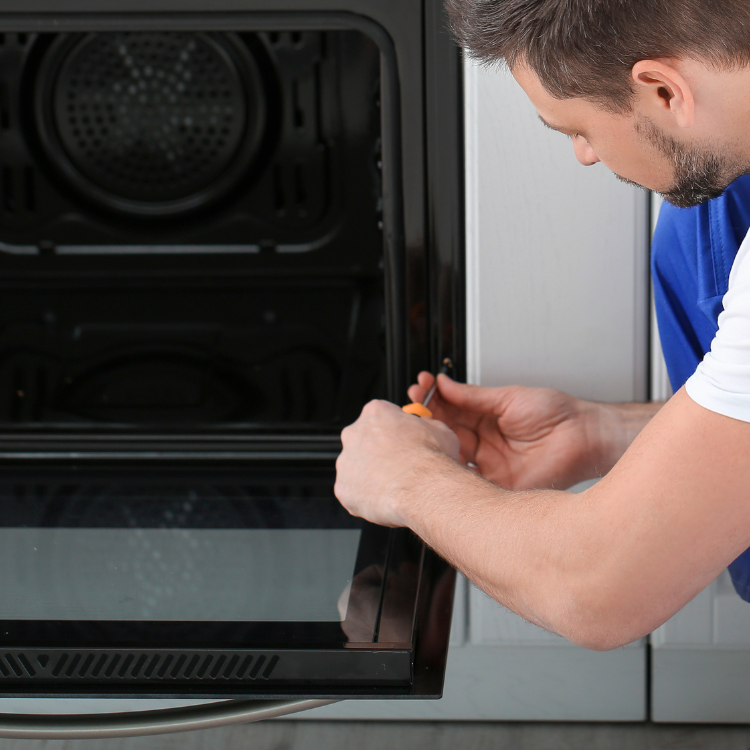
Dishwasher Not Draining? Get Professional Appliance Repair Fast
If your dishwasher leaves standing water, smells musty, or won’t finish cycles cleanly, the problem is usually tied to drainage components. This guide helps you pinpoint the most common causes, avoid common missteps, and decide when it’s time to call Texas True Appliance Repair for professional appliance repair services in McKinney, TX.
It’s a frustrating moment: you start a load, walk away, and when you open the dishwasher later, there’s still water sitting at the bottom. In McKinney, TX, that can happen more often when meals pile up during busy weeks or when a kitchen’s water use is constant across the day.
Standing water usually points to a drainage issue, but the “why” can vary. This guide will help you understand what to check first, what parts are most commonly involved, and when to bring in a professional appliance repair technician so you can get your dishwasher back to dependable cleaning.
- Quick answer
- What to check first
- Main things customers should understand
- Why this matters in McKinney, TX
- Common mistakes to avoid
- Customer checklist
- Frequently asked questions
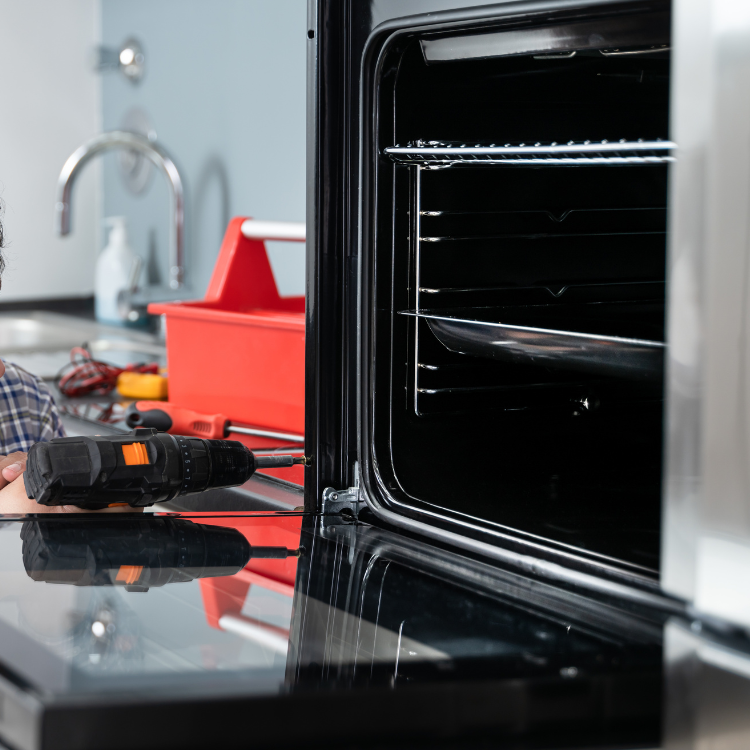
Quick Answer
If your dishwasher is not draining, start by checking the filter and drain area for food debris, then look for obvious blockages in the drain hose path. Also verify the garbage disposal connection if you have one, since a clogged or misrouted connection can prevent proper drainage. If you still see standing water after basic checks, the next step is to have a professional dishwasher repair technician inspect the drain pump, check valves, and motor operation. Texas True Appliance Repair can handle dishwasher repair services for homes and businesses across McKinney and nearby areas.
What to Check First
Before you schedule service, you can often narrow the cause in a few minutes. These checks are designed to be safe and practical, and they focus on the items most likely to stop drainage.
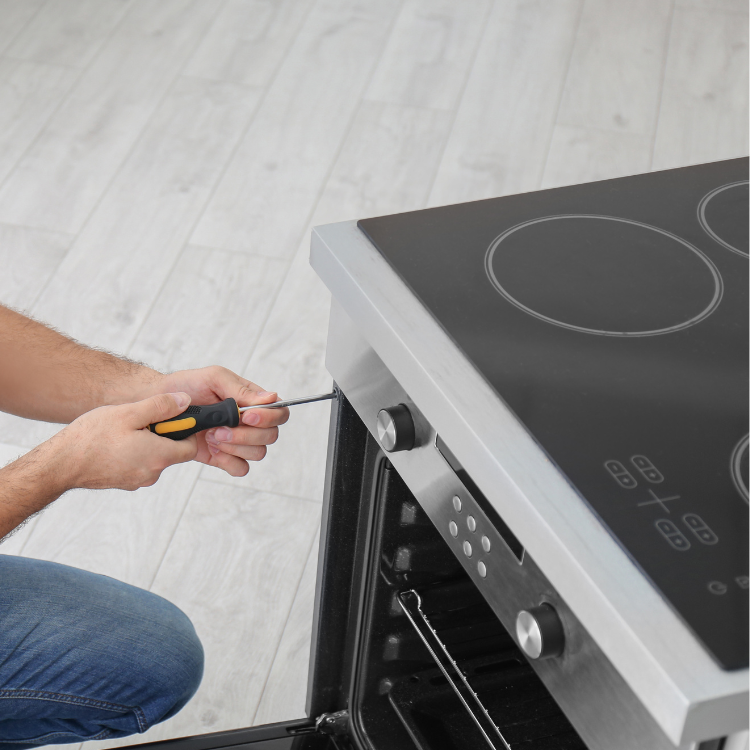
Professional observation: Many “not draining” calls start with something simple, like a clogged filter or debris trapped near the drain. Cleaning those areas can restore flow, but if the pump is struggling, the dishwasher will still leave water behind.
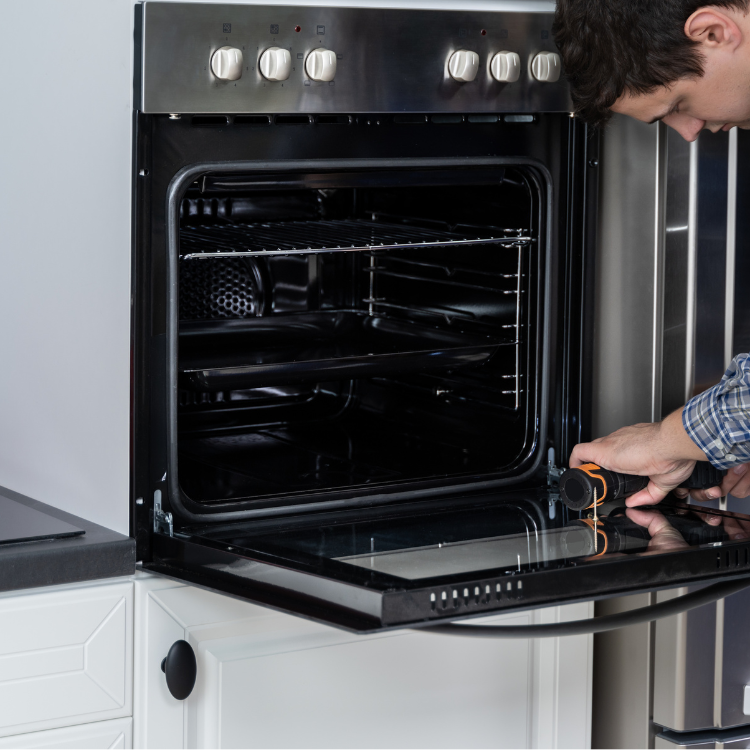
- Turn power off (or unplug the unit) before reaching into the bottom area.
- Remove and rinse the filter and check the drain opening for stuck food particles.
- Inspect the drain area for any utensils, labels, or grease buildup that can block water.
- Check the drain hose route for kinks, improper bends, or signs of blockage.
- Confirm the disposal connection if your dishwasher is tied into a garbage disposal.
- Listen during a cycle for abnormal sounds from the pump area (grinding or silence can both be clues).
Main Things Customers Should Understand
When a dishwasher won’t drain, it’s rarely random. Drain problems typically fall into a few categories: blockage, restricted flow, or a component that is no longer moving water effectively.
Typical causes we see:
- Clogged filter or sump area: Food, grease, and debris can collect where water needs to exit.
- Drain hose restrictions: Kinks, poor routing, or buildup can prevent water from leaving the tub.
- Garbage disposal connection issues: If the dishwasher drains into the disposal, a blockage or incorrect connection can back water up.
- Drain pump problems: The pump may be weak, obstructed, or failing to move water out.
- Check valve or related drainage components: A faulty valve can allow water to backflow or stop draining properly.
| What you notice | Most likely drainage category | Best next step |
|---|---|---|
| Water sitting at the bottom after a full cycle | Restricted flow or pump not moving water | Check filter/drain area, then have a technician evaluate the drain pump and drainage components. |
| Slow draining or intermittent draining | Partial blockage or hose restriction | Inspect the drain hose path and remove visible debris; service is recommended if symptoms return. |
| Gurgling sounds near the sink or disposal | Drain path restriction or disposal connection issue | Verify the disposal connection and clear clogs in that drain path. |
| No draining at all, unusual pump sounds | Pump obstruction or pump failure | Stop running cycles and schedule dishwasher repair services to avoid further strain. |
In a lot of kitchens, dishwasher issues show up alongside other “water flow” problems. If you also deal with slow sink drainage or frequent food buildup in the sink drain, that pattern can point to a shared obstruction in the drain path rather than a dishwasher-only problem.
Why This Matters in McKinney, TX
McKinney homes often use modern kitchen layouts with high daily dish volume, especially for families and busy schedules. When drainage is slow or incomplete, residue builds faster, which can lead to odors and cloudy cleaning results, even if the wash cycle seems to run normally. If your dishwasher is constantly leaving water behind, it can also make it harder for dishes to come out dry and sparkling, because the last rinse depends on proper drainage to complete the cycle.
Texas True Appliance Repair serves McKinney and nearby areas like Allen, Frisco, Plano, and Richardson. That matters because a drainage issue can disrupt both everyday meals and business operations in multi-use kitchens. Getting the right diagnosis helps prevent repeated cycles and reduces the chances of the problem getting worse.
Get dishwasher repair services from Texas True Appliance Repair
If you’ve checked the filter and drain area but your dishwasher still won’t drain, a professional appliance repair technician can inspect the drain pump and related components safely and thoroughly.
Schedule dishwasher repairCommon Mistakes to Avoid
Some well-intended actions can make a drainage problem worse or create new issues. Here are the most common mistakes customers run into when their dishwasher is not draining.
Common mistakes:
- Running multiple cycles with standing water: If the drain path is blocked, repeated cycles can increase residue buildup.
- Ignoring the disposal connection: If your dishwasher drains into a garbage disposal, a clog or misconnection can prevent drainage.
- Scraping debris without checking the drain outlet: Debris can move into the wrong spot and further restrict flow.
- Using harsh chemicals repeatedly: Uncontrolled chemical use can worsen odor issues or create additional residue.
- Skipping a pump-focused diagnosis: If the pump is weak or obstructed, cleaning the filter alone may not resolve the standing water.
Customer Checklist
Use this quick checklist to prepare for a service call, whether you’re in McKinney or an adjacent area like Prosper or Little Elm. Being ready helps a professional dishwasher repair technician focus on the most likely cause.
- Confirm when the issue started (after a recent load, after cleaning, or gradually over time).
- Note what you see at the end of the cycle (standing water, slow draining, or gurgling).
- Check the filter condition and whether it was clogged with food or grease.
- Verify disposal connection behavior if applicable.
- List any unusual sounds during the wash or drain phases.
- Avoid repeated cycles if the dishwasher continues to leave water behind.
Representative Scenario
A homeowner in McKinney noticed that after every cycle, the dishwasher left a shallow pool of water at the bottom. They cleaned the filter once, but the problem returned within a day. When they inspected the drain area again, they found more grease buildup than expected. The issue was not just debris. The drain pump was not moving water out efficiently, which kept the cycle from completing the drainage phase. A professional inspection focused on the pump and related drainage components, helping the homeowner restore proper draining and prevent repeated standing water.
Frequently Asked Questions
Why does my dishwasher leave standing water at the bottom?
Standing water usually means the dishwasher cannot move water out of the tub the way it should. Common causes include a clogged filter or debris in the drain area, a restricted drain hose path, or a drainage component that is not functioning correctly. If you clean the filter and the problem returns quickly, it can indicate restricted flow further down the line or an issue with the drain pump. A professional appliance repair technician can check the drainage components and help you avoid repeated cycles that leave residue behind.
Could my garbage disposal be the reason my dishwasher won’t drain?
Yes. Many dishwashers drain through the sink’s garbage disposal. If the disposal is clogged, or if the connection is not allowing water to flow correctly, the dishwasher can back up and leave water in the bottom. If you hear gurgling near the sink during the dishwasher drain phase, that pattern often points to an issue in the drain path connected to the disposal. Checking and clearing the disposal connection can help, but if the dishwasher still leaves standing water after basic checks, a technician should inspect the dishwasher’s own drainage components.
What should I check before I call for dishwasher repair services?
Start with safe, straightforward checks. Turn off power, then remove and rinse the filter and inspect the drain area for food debris and grease buildup. Look for obvious drain hose kinks or misrouting. If your dishwasher connects to a disposal, verify that connection as well. These steps often fix simple blockages. If you still see standing water after cleaning, the cause may be more internal, such as drain pump performance or other drainage components. At that point, professional inspection is the quickest path to a lasting fix.
Is it safe to keep running the dishwasher when it won’t drain?
It’s best to pause repeated cycles if the dishwasher keeps leaving standing water. Running more cycles with a restricted or failing drainage path can increase residue buildup and lead to stronger odors. It can also strain components that are already struggling to move water out. If you notice the problem consistently, focus on basic checks like the filter and drain area first, then consider scheduling professional appliance repair. Texas True Appliance Repair can help diagnose the drainage cause instead of relying on trial-and-error.
Do you also repair other kitchen appliances besides dishwashers?
Yes. Texas True Appliance Repair provides appliance repair services for multiple appliance types, including refrigerator repair services, oven repair services, and garbage disposal repair. If you’re dealing with a dishwasher drainage issue along with other kitchen problems, having one local appliance repair company handle the troubleshooting can simplify the process.
Need professional dishwasher repair in McKinney?
Texas True Appliance Repair can help diagnose why your dishwasher is not draining and recommend the right next step for your situation. Call for appliance repair services from a professional appliance repair technician.
(469) 596-1814
About Texas True Appliance Repair
Texas True Appliance Repair is a local appliance repair company serving McKinney, TX, and nearby areas including Allen, Frisco, Plano, and Richardson. The goal is straightforward: help customers get reliable, professional appliance repair technician support for household and commercial needs, including dishwasher repair services. For dishwashers, refrigerators, ovens, washers, dryers, microwaves, and garbage disposals, Texas True Appliance Repair focuses on practical troubleshooting and clear next steps for homeowners and businesses across the area.