
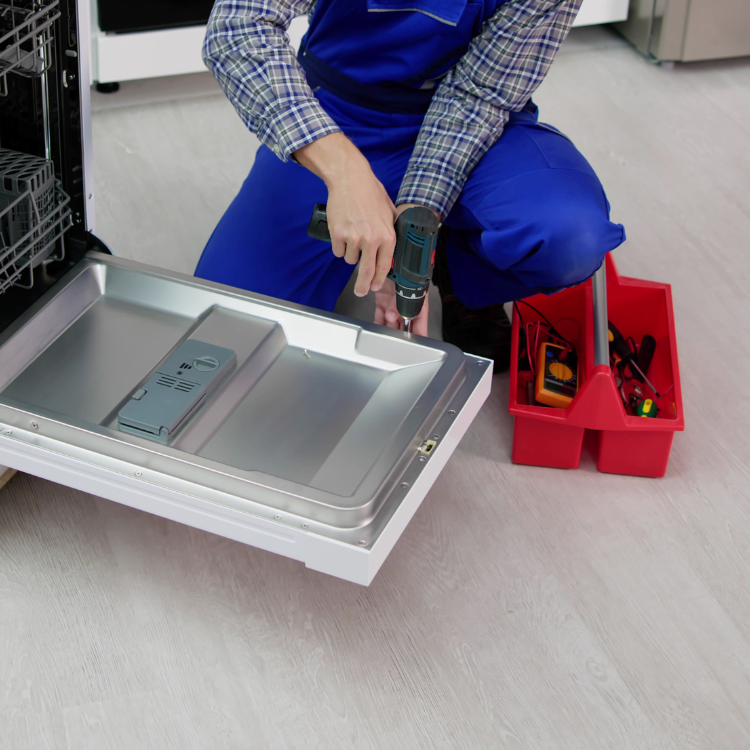
Dishwasher Repair: Repair Rattles, Leaks, and Wash Failures
It starts as a small annoyance—then it turns into kitchen damage. A McKinney homeowner calls after noticing water pooling near the cabinets. The dishwasher still runs, but it also rattles during the wash cycle and the dishes come out cloudy, with food stuck to plates like the unit never really cleaned in the first place. In North Texas, where many homes run dishwashers daily and water quality can be tough, these symptoms often share a common cause: problems with circulation, drainage, or the wash system that aren’t being addressed early.
When you’re dealing with a dishwasher that leaks, rattles, or fails to wash properly, waiting usually makes it worse—especially if water is getting into the cabinet base or if a partial clog keeps forcing the pump to work harder than it should. Below is what we look for in real repairs, what commonly causes these failures, and what you can do to prevent repeat breakdowns.
Quick Answer
Dishwasher rattles, leaks, and wash failures are usually caused by one of these issues: a failing or obstructed wash pump, worn spray-arm components, a drain blockage, faulty door seals, or hard-water scale buildup affecting water flow. The safest approach is fast diagnostics: check for leaks and loose parts first, then verify water circulation and drainage performance. If the unit is leaking from the door or repeatedly failing mid-cycle, it’s often more cost-effective to repair specific components than replace the entire dishwasher.
Signs Your Dishwasher Needs Repair
If you notice any of the following, don’t just keep running the cycles and hoping it improves:
- Rattling during wash (especially from the lower rack area or behind the toe-kick)
- Water left at the bottom after a cycle
- Leaks around the door, sides, or under the unit
- Poor cleaning: cloudy glassware, greasy film, food residue
- Dishes not fully rinsed: gritty feel or detergent not dissolving
- Strange noises: humming without draining, grinding, or repeated pauses
What we commonly see in North Texas appliances
Hard water and frequent use can lead to scale buildup in the sump area, spray-arm jets, and filter screens. Over time, that scale can reduce water pressure inside the tub, which makes cleaning weaker and can also increase stress on the pump. In my experience, once the wash system is partially restricted, the dishwasher often starts compensating—drain cycles run longer, motors overwork, and leaks become more likely.
When Dishwasher Symptoms Point to Different Root Causes
Here’s how the same dishwasher can “sound like one problem” while actually having multiple issues.
1) Rattles: loose parts vs. wash pump or spray-arm problems
A rattling noise during the wash cycle often comes from:
- a spray arm that isn’t seated correctly
- a broken spray-arm bushing
- a utensil, label, or small debris lodged near the sump
- a worn or failing pump that’s not moving water smoothly
Firsthand technician observation: In many service calls, the dishwasher rattles only during certain stages (like mid-wash). That pattern usually means the noise correlates with water flow through the wash system, not the drain. When I inspect these units, the most common mechanical culprit is the lower spray assembly or the sump area where debris gathers.
2) Leaks: door seal, tub cracks, or failed drainage components
Dishwasher leaks usually fall into three buckets:
- Door leak: worn gasket, misaligned latch, or steam/pressure pushing water out
- Bottom leak: cracked tub liner, loose hose connection, or failing drain line/pump seal
- Side leak: hose clamp issues, float/sump problems, or damaged inlet/drain fittings
If you see water near the front corners after a cycle, the door seal and latch alignment become the first things I test.
3) Wash failures: circulation and filtration issues
Cloudy dishes and residue often come from:
- clogged filter (water can’t circulate correctly)
- spray-arm jets blocked by scale or debris
- incorrect loading preventing water coverage
- detergent issues (wrong type or using too much/too little)
- weak water heating (less common, but it changes cleaning performance)
A dishwasher can drain fine and still clean poorly—because poor cleaning is about internal circulation, not just drainage.
Common Mistakes That Lead to Expensive Breakdowns
Mistake 1: Ignoring residue and running “one more cycle”
If food residue is building up, the filter and sump are often partially blocked. Running repeatedly can push debris further into the system and damage the pump.
Mistake 2: Skipping the filter cleaning
A lot of people rinse plates but never clean the dishwasher filter thoroughly. That filter is designed to catch food and prevent it from reaching the pump. When it’s neglected, it becomes a barrier to water flow.
Mistake 3: Using the wrong detergent or skipping rinse aid
In North Texas, hard water can cause spotting and film. Using an incompatible detergent or skipping rinse aid can make cleaning look “broken,” when the issue is actually water chemistry and scaling.
Mistake 4: Attempting DIY fixes on leaks without identifying the source
A leak can travel along the base and make it look like the problem is “somewhere else.” The most common expensive mistake I see is replacing parts based on where water pools instead of where it originates.
Repair, Maintenance, or Troubleshooting Checklist
Use this checklist before you schedule service—or while you’re deciding if the issue is safe to handle.
Quick troubleshooting (safe homeowner checks)
- Turn off power to the dishwasher (or switch off the breaker).
- Remove and inspect the bottom rack and check for:
- loose utensils
- broken pieces from the lower spray arm
- Pull and clean the filter assembly:
- rinse under warm water
- check for debris around the sump area
- Inspect the spray arms:
- confirm they rotate freely
- check for blocked jets
- Look for visible leaks:
- run a short cycle and observe (only if safe and you can monitor closely)
- check around the door perimeter and under the unit
What a professional diagnosis typically includes
A technician will usually test:
- Drain performance (is water fully evacuating?)
- Wash circulation (is water reaching spray arms with adequate force?)
- Door seal and latch (does the unit seal properly under cycle pressure?)
- Pump and hose connections (where leaks actually start)
- Heating performance (affects how well detergent dissolves and grease releases)
Repair vs. replacement: a practical decision guide
Most dishwashers can be repaired when the problem is:
- a pump component
- a spray arm assembly
- a door gasket/seal
- a drain hose or inlet fitting
- a filter/sump blockage caused by scale
Replacement becomes more likely when you’re dealing with:
- extensive tub damage or multiple failed systems at once
- repeated electronic/control failures
- significant structural issues that compromise sealing
A Realistic Service Case (Anonymized)
A North Texas family in a growing McKinney neighborhood reported that their dishwasher rattled loudly mid-cycle and left water in the bottom afterward. They also said glasses came out cloudy.
On inspection, the filter was partially clogged, but the main cause was a restricted lower spray arm assembly—scale had blocked several jets, reducing circulation. That restriction contributed to weak cleaning. Meanwhile, the standing water was due to a drain restriction near the sump, which made the pump work harder and increased vibration (the rattling).
The repair focused on:
- cleaning and restoring spray-arm flow
- correcting the drain restriction
- replacing a worn component in the spray-arm support that had started to loosen over time
Afterward, the dishwasher cleaned more consistently and stopped leaving water behind. The key was treating the system-level issue: circulation and drainage weren’t independent problems.
McKinney and North Texas Relevance: Why This Shows Up Here
In McKinney and throughout North Texas, dishwashers often experience heavy daily use and water conditions that encourage mineral buildup. Add seasonal changes—people run more hot water during certain periods, and some households adjust cleaning habits—and you get a perfect recipe for scale and partial blockages.
We also see more service requests during stretches when households are busy (school schedules, gatherings, and meal prep routines). When dishwashers are loaded heavily or run back-to-back, spray-arm jets and filters clog faster, and weak drainage systems get pushed to the limit.
If you’re searching for dishwasher repair services in McKinney, it helps to choose a local appliance repair company that doesn’t just “clear the symptom.” The best outcomes come from restoring proper wash circulation and verifying drainage performance—not guessing.
How to Keep It Running Longer
Dishwashers are built to handle normal use, but they don’t tolerate neglect—especially in hard-water areas. Here’s a maintenance routine that actually prevents common failures.
Appliance Maintenance Checklist
- Clean the filter every 1–2 weeks (more often if you scrape poorly or have heavy use)
- Inspect spray arms monthly for blocked jets and ensure free rotation
- Use rinse aid if you notice spotting or cloudy glasses
- Run a monthly maintenance cycle (or a cleaner designed for dishwashers) to reduce scale
- Check the door seal for cracks or warping
- Don’t overload: ensure items don’t block the spray arms
- Scrape, don’t pre-rinse excessively: removing all food can sometimes reduce detergent performance, but leaving chunks leads to filter clogs—find the balance
If you want to expand your home maintenance plan beyond the dishwasher, many homeowners bundle other appliance checkups at the same time. For example, if you’re already planning service, you might find it useful to review washer repair needs too—water issues in one appliance can sometimes correlate with broader plumbing or drainage concerns.
Repair Options We Recommend (and When)
When the problem is rattling, leaks, or wash failure, the right recommendation depends on what’s causing the symptoms:
- If the dishwasher is leaking from the door: repairing or replacing the door gasket/seal and verifying latch alignment is usually the best path.
- If it’s rattling and cleaning poorly: restoring spray-arm function and resolving any sump restrictions is typically more effective than replacing random parts.
- If dishes are cloudy but cycles finish: focus on filtration, circulation, and hard-water scale before assuming heating or electronics are bad.
If you’re not sure what’s failing, scheduling diagnostics is often the most affordable step because it prevents unnecessary parts replacement.
For homeowners who want a fast response when the dishwasher is actively disrupting daily routines, you can ask about same day appliance repair options. Quick diagnostics matter because leaks and standing water can cause cabinet damage and increase repair complexity.
Quick Comparison: Common Symptoms → Likely Causes
| Symptom | Common Cause | Typical Fix |
|---|---|---|
| Rattling mid-cycle | Spray arm loosened/worn, debris in sump, pump vibration | Reseat/replace spray components, clean sump, inspect pump |
| Leaks after running | Door seal wear, hose clamp issue, drain line/pump seal | Repair gasket or replace/repair plumbing connection |
| Cloudy dishes/food residue | Filter clog, blocked jets, poor circulation | Deep clean filter/spray arms, remove scale buildup |
| Water left at bottom | Drain restriction or failing drain pump seal | Clear restriction, replace pump seal/related parts |
Ready to Restore Your Appliances or Commercial Equipment?
If your dishwasher is rattling, leaking, or leaving dishes unclean, don’t assume it’s “just dirty parts.” These symptoms often point to circulation and sealing problems that can escalate quickly—especially in North Texas.
You’ll get practical diagnostics and repair recommendations designed to restore performance and help avoid repeat breakdowns.
About Texas True Appliance Repair
Texas True Appliance Repair provides residential appliance repair, commercial kitchen equipment repair, refrigerator diagnostics, dishwasher repair, oven repair, and emergency appliance services throughout McKinney, TX and surrounding North Texas communities. The company focuses on accurate diagnostics, reliable repairs, fast response times, and helping homeowners and businesses reduce costly appliance downtime through professional service and preventative maintenance.
FAQ
How do I know if my dishwasher is worth repairing?
If the dishwasher runs but has wash failure, leaks from a specific area, or rattles due to a removable component (spray arm, seal, pump parts), repair is usually the smarter choice. If you’re seeing multiple unrelated failures at once or the tub is structurally damaged, replacement may be more economical. A technician can estimate repair cost based on the specific failed parts and the dishwasher’s condition.
Why does my dishwasher keep leaving water in the bottom?
Standing water usually means drainage isn’t clearing correctly—commonly a clogged filter, debris in the sump area, a restricted drain hose, or a failing drain pump seal. The goal is to restore full evacuation after each cycle. If it’s been ignored, the pump can wear faster.
Why are my dishes still dirty after a full cycle?
Cloudy residue and food left behind typically point to reduced internal circulation: blocked spray-arm jets, a clogged filter, or improper loading that blocks water coverage. Hard water scale can also interfere with how detergent dissolves and how grease releases from dishes.
Can a leaking dishwasher damage my cabinets?
Yes. Leaks can soak into wood and particle board beneath the unit, causing swelling and long-term deterioration. Water can also promote mold in some cases. If you notice pooling near the base, it’s best to stop running the dishwasher and get diagnostics quickly.
What’s the fastest way to prevent repeat dishwasher repairs?
Keep the filter clean, check spray arms for blocked jets, use rinse aid if you get spotting, and don’t overload the racks. Also, don’t ignore standing water or persistent rattling—those are early indicators that the wash/drain system is being restricted.