
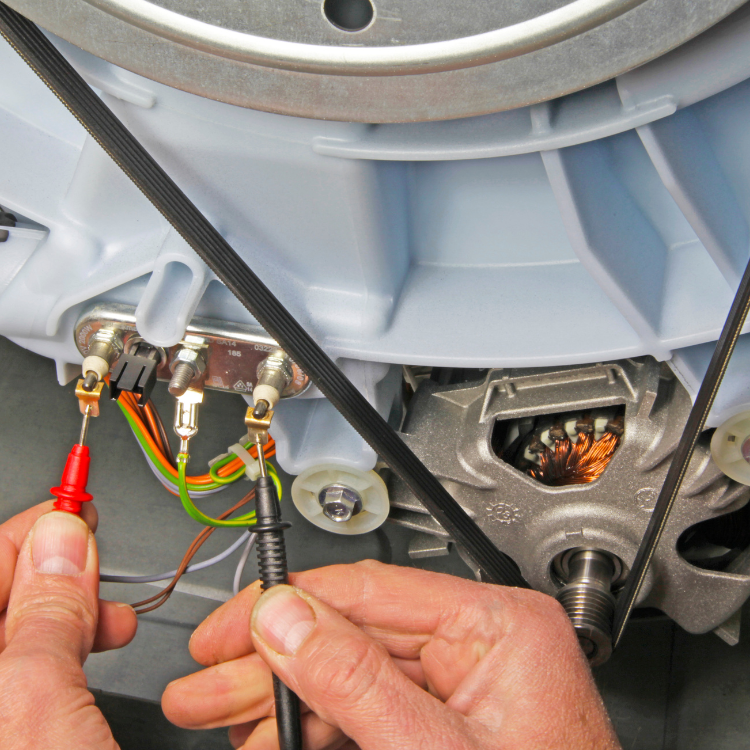
How Often Commercial Appliance Repair Prevents Costly Downtime
When your kitchen equipment, laundry machines, or refrigeration systems start acting “almost right,” the real risk is downtime that disrupts service, food safety routines, and daily schedules. This guide explains how repair timing helps prevent bigger failures and what to watch for in McKinney and nearby communities.
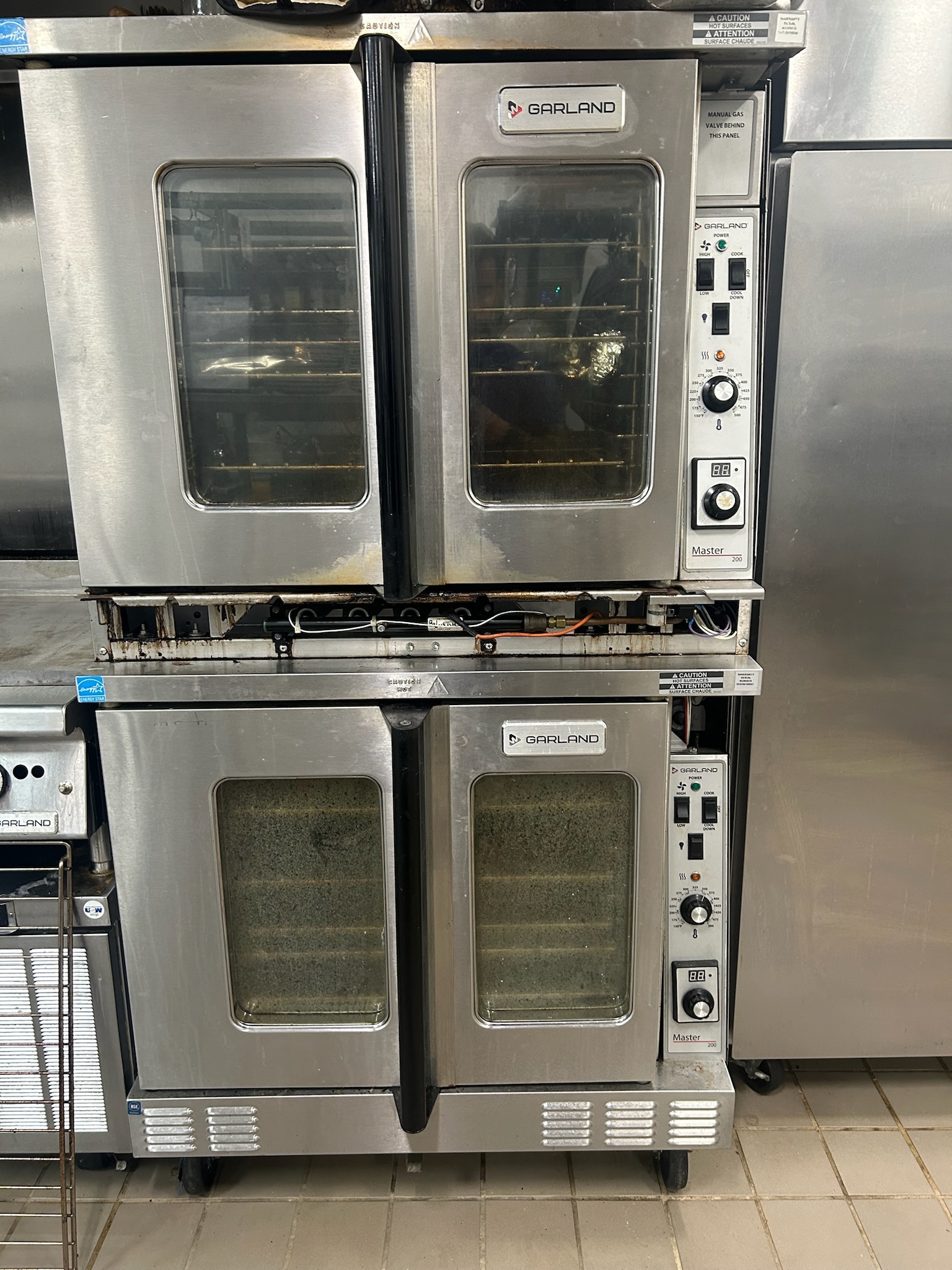
A commercial refrigerator that takes longer to cool can feel like a minor issue, until you notice product temperatures drifting during a busy lunch rush. A dishwasher that doesn’t fully drain can slow down your whole workflow, and an oven or range that won’t hold heat forces staff to improvise when you need consistency.
If you run a restaurant, property, or business in McKinney, TX, the question is not only “Will it break?” It’s also “How long can we keep operating safely while we decide whether to repair now or wait?”
This guide helps you understand what “repair frequency” really means for commercial equipment, which signs should trigger service sooner, and how professional appliance repair services reduce the odds of a costly shutdown.
Quick Answer
Commercial equipment often needs repair attention based on condition, not a calendar date. A practical rule is to schedule service as soon as you notice performance drift, repeated error codes, unusual noises, poor cleaning or draining, or temperature instability. For high-use appliances like refrigerators, dishwashers, and ovens, early fixes usually cost less than waiting for a complete failure that stops operations. Texas True Appliance Repair can evaluate the appliance, identify the likely cause, and recommend the most sensible repair approach for your specific model and usage patterns.
What to Check First
Before you decide whether the issue is “routine” or “urgent,” gather a few details. Start by checking what changed: Did the problem begin after a power fluctuation, a new cleaning routine, or heavier-than-usual daily load? Then verify the basics you can confirm safely, like whether the appliance is level, properly loaded, and using the correct cycle or settings.
Look for repeated patterns
If the same symptom comes back on multiple days, it is often a component problem rather than a one-time glitch.
Document the symptom
Note the error code, how long the process takes, and what part of the cycle fails.
Check adjacent equipment
Sometimes the trigger is external, like water supply issues affecting dishwasher performance.
If the appliance is tied to food handling or scheduled production, do not wait for “tomorrow” just to confirm the worst. A repair evaluation can prevent the small problem from turning into a full shutdown.
Main Things Customers Should Understand
Commercial appliance repair timing is driven by how equipment operates under real workloads. A restaurant appliance, for example, runs more cycles and handles heavier residue than a typical home unit. That makes early intervention especially valuable for temperature control, heating elements, draining systems, and refrigeration performance.
Professional observation: In commercial settings, the most expensive downtime often starts with “minor” symptoms like slow cooling, weak heating, or inconsistent cleaning. Those are frequently early signs of wear or component strain that can progress quickly when the unit keeps working day after day.
| Appliance behavior you might notice | What it can indicate | Practical repair timing approach |
|---|---|---|
| Refrigerator runs but does not maintain steady temps | Cooling system strain, airflow issues, or control problems | Schedule evaluation promptly to protect product consistency |
| Dishwasher leaves spots or does not fully drain | Drainage/flow restriction, wash performance issues | Arrange service before sanitation routines fall behind |
| Oven or range heats unevenly or takes longer to reach temperature | Heating element or control performance degradation | Repair soon to avoid repeated cooking failures |
| Washer or dryer cycles become unreliable | Component wear affecting cycle completion | Service once cycle performance starts drifting |
A local insight that matters in McKinney, TX is that businesses often run tight schedules. When equipment performance changes, it affects labor planning, inventory handling, and customer experience. That is why “how often” usually means “how quickly you act when performance shifts,” especially for appliances that support daily operations.
Refrigerator repair services
For fridge issues, visit refrigerator repair services to understand typical troubleshooting and next steps.
Dishwasher repair services
If your cleaning results are inconsistent, review dishwasher repair services for guidance on common causes.
Commercial kitchen equipment repair
For businesses that need commercial appliance repair services, see commercial appliance repair services.
Why This Matters in McKinney, TX
In McKinney, TX and the surrounding communities of Allen, Frisco, Plano, and Richardson, many businesses run year-round with high equipment usage. When equipment is stressed by constant use, small component issues can become operational problems faster. That matters most for refrigeration and dishwashing because they directly affect food handling routines and day-to-day workflow.
Texas True Appliance Repair supports local customers by focusing on practical diagnostics for the equipment you actually run, from commercial kitchen equipment repair to residential appliance repair when businesses have mixed fleets. If you operate in or around Celina, Little Elm, Prosper, Melissa, or Carrollton, you can still use the same approach: act early when the performance changes, rather than waiting for a complete failure.
Reduce the chance of downtime with a repair check
If your equipment is showing early warning signs, scheduling a professional evaluation can help you address the cause before it disrupts service. Texas True Appliance Repair serves McKinney, TX and nearby areas.
Request appliance repair helpCommon Mistakes to Avoid
Downtime often comes from predictable decisions: delaying service, continuing to operate with unstable performance, or assuming the issue is “just how it runs now.” These mistakes can turn a manageable repair into a larger problem that affects multiple appliances.
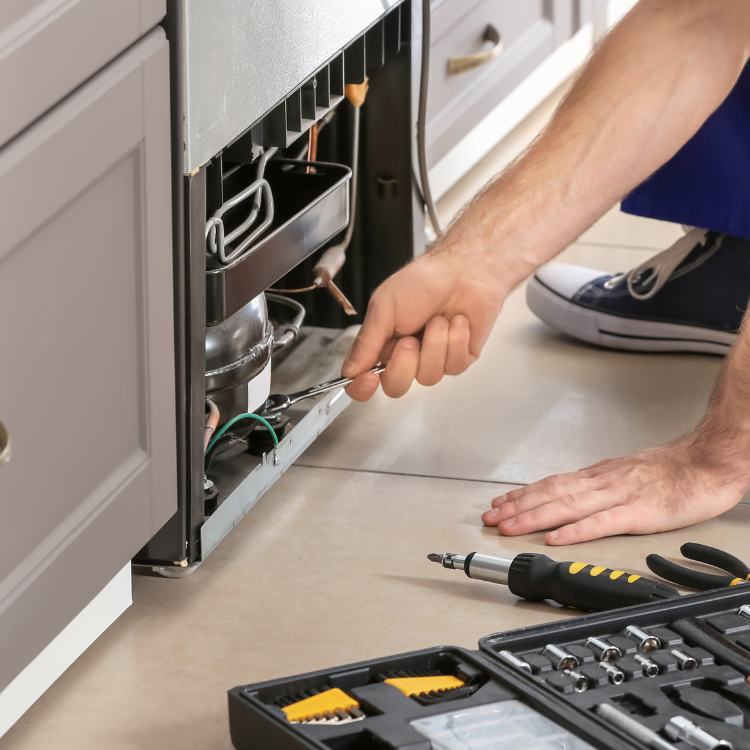
- Ignoring temperature drift on refrigerators and freezers, even if the unit still “keeps running.”
- Keeping a dishwasher in service after it starts leaving residue, because repeated re-washing adds delays and labor.
- Using the oven or range when it heats unevenly, which can lead to inconsistent cooking and wasted batches.
- Assuming the issue is only a setting when error codes or cycle timing changes repeatedly.
- Overloading appliances beyond recommended capacity, which can increase strain and wear under commercial schedules.
Customer Checklist
Use this checklist to decide when it is smart to call for service. The goal is to catch the “early” stage so your equipment keeps up with business demands in McKinney, TX.
Quick decision rule: If the appliance’s performance is changing and the symptom repeats across multiple cycles, plan for repair evaluation instead of waiting for a complete stop.
- Record what you observe (error codes, cycle time changes, draining issues, uneven heating, or temperature instability).
- Compare performance to how it was working earlier this month.
- Check whether the issue happens with specific loads, cycles, or times of day.
- Inspect for simple, safe factors like proper loading and correct cycle selection.
- Schedule professional diagnosis when the problem repeats or impacts business workflow.
- Ask for repair guidance that matches your actual usage, not a one-size-fits-all approach.
Representative Scenario
A small restaurant in McKinney notices that its dishwasher starts leaving spots during the evening rush. At first, staff wipes items and keeps up with orders, but the next week the unit also takes longer to finish the cycle. Instead of continuing to work around it, the manager schedules an evaluation. The repair focus is on the cause behind the cleaning and draining performance so the kitchen can return to consistent, predictable dish cycles.
Frequently Asked Questions
How often should commercial appliances be repaired?
There is no single schedule that fits every business because usage varies by appliance type, load size, and how long the equipment runs each day. A practical approach is to plan service based on condition: schedule repair evaluation when you see repeated performance drift such as temperature instability, draining problems, weak heating, or recurring error codes. For equipment that supports daily operations, acting sooner usually reduces the chance of a complete failure that forces you to pause service.
What are the earliest warning signs of a failing refrigerator?
Early signs often include inconsistent cooling, longer run times, unusual cycling patterns, or noticeable temperature changes during busy hours. If the refrigerator still runs but product quality or storage consistency is slipping, that is a strong reason to request professional refrigerator repair services. Addressing those symptoms early helps prevent the issue from progressing into a full breakdown that impacts food storage routines.
Why does a dishwasher problem become a bigger issue in a restaurant?
In commercial kitchens, dishwashing performance affects throughput. When a dishwasher leaves residue or struggles to drain, staff may need extra steps like re-washing or additional manual cleaning. That increases labor time and can disrupt the flow of clean cookware. Scheduling dishwasher repair services when you first notice cleaning or draining changes helps keep your sanitation process reliable and reduces operational bottlenecks.
Is it better to repair or replace commercial equipment?
Repair versus replacement depends on the cause of the problem and how the appliance performs after service. A professional evaluation identifies what is failing and whether the repair addresses the root issue. In many cases, targeted repair can restore dependable operation when the problem is localized. Texas True Appliance Repair can help you weigh practical next steps based on your specific equipment and the symptoms you are seeing.
Can I prevent downtime without stopping operations?
Yes. The goal is not necessarily to stop everything immediately, but to address issues early enough that you do not reach a full failure. Document the symptoms, keep notes on when they happen, and schedule repair evaluation when the problem repeats. This approach helps you reduce the chance of a sudden shutdown while still keeping your operation moving in McKinney, TX and nearby areas.
Talk with Texas True Appliance Repair
If commercial appliance repair is on your mind because performance is changing, call Texas True Appliance Repair for help diagnosing the issue and planning the right next step.
(469) 596-1814
Texas True Appliance Repair
Texas True Appliance Repair provides appliance repair services for customers in McKinney, TX and the surrounding communities of Allen, Carrollton, Celina, Frisco, Little Elm, Melissa, Plano, Prosper, and Richardson. Whether you need commercial appliance repair services for restaurant appliance repair company equipment or repairs for household appliances, the focus is on practical troubleshooting and getting your appliances back to dependable performance.
Explore more service options on the Texas True Appliance Repair website.