
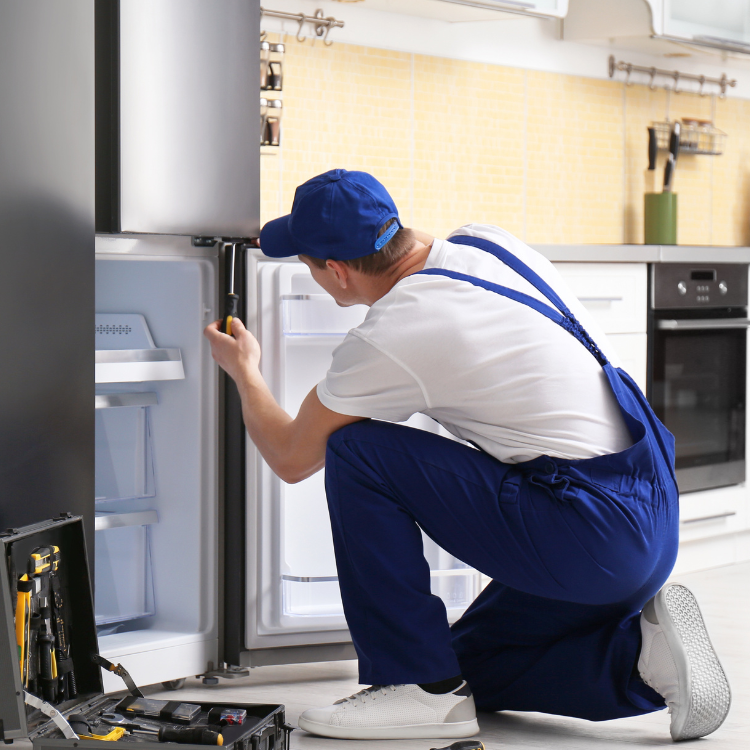
Professional Appliance Repair: Safe, Efficient, Thorough Service
Last summer in McKinney, a homeowner called because their refrigerator was running nonstop and the freezer looked “mostly fine,” but the fresh food section was warm. Within a day, they had thawing meat, melted ice trays, and a kitchen that smelled faintly sour every time the door opened. The tricky part? The fridge wasn’t fully dead—so they kept delaying service, thinking it would “sort itself out.”
In North Texas heat, that’s a common pattern. Appliances can fail gradually, and the longer you wait, the more secondary damage shows up—food loss, higher energy bills, and components wearing faster than they should. For businesses, the stakes are even higher: a restaurant refrigerator or freezer issue can turn into same-day product loss and rushed emergency sourcing.
At Texas True Appliance Repair, we focus on safe, efficient, and thorough diagnostics so you don’t pay for guesswork. We also help you avoid the repeat-fail cycle that shows up when the root cause is missed.
Quick Answer
If your appliance is showing symptoms like inconsistent cooling, unusual noises, error codes, water leaks, poor cleaning performance, or inconsistent heating, it’s usually time for professional diagnostics—not just a reset or part swap. In many cases, the issue is airflow restriction, drainage problems, thermostat/sensor drift, failing motors/fans, or control board failures. A reliable local appliance repair company will test the system end-to-end (not just the part that looks “broken”) and recommend repair vs. replacement based on real performance and cost.
A Real Technician Scenario: When “It’s Still Cooling” Isn’t Really Good News
Here’s an anonymized service case we see more than you’d think:
A rental property in North Texas had a refrigerator that kept the freezer cold but allowed the refrigerator section to warm after a few hours. The owner had replaced the thermostat earlier, and the unit still struggled. During diagnosis, we found:
- the evaporator fan wasn’t moving enough air (weak fan speed under load)
- frost buildup was forming in a way that restricted airflow
- the defrost system wasn’t completing its cycle consistently
Because airflow was the limiting factor, the thermostat replacement didn’t address the real problem. Once we corrected the cooling-air path by repairing the underlying fan/defrost issue, the fridge stabilized and the refrigerator section returned to temperature.
That’s the difference between “a repair” and the right repair.
What Homeowners Often Overlook
Most breakdowns aren’t sudden. They’re the result of small issues building up until the appliance can’t compensate.
Common things we see in McKinney homes
- Airflow obstructions in refrigerators: Food pushed against vents, blocked return grilles, or dirty condenser coils can force the compressor to work harder.
- Dishwasher residue from hard water and filtration neglect: If the filter isn’t cleaned regularly, detergent and minerals build up where you don’t see it.
- Dryer problems caused by restricted vents: A dryer can still tumble, but poor airflow raises temperatures and triggers cycling issues.
- Oven and range uneven heating: A calibration drift or failing bake/broil components can make one side cook faster than the other, which people often “work around” instead of repairing.
What We Commonly See in North Texas Appliances
North Texas has a few realities that affect repairs:
1) Summer refrigeration strain
In high heat, refrigerators and freezers cycle more frequently. That increases wear on:
- compressor start components
- condenser fans
- defrost heaters and sensors
When these parts begin to weaken, they may still run—just not efficiently enough to keep stable temperatures.
2) Power fluctuations and surge effects
Texas storms and grid variability can cause intermittent control board behavior. We often see symptoms like:
- random error codes
- doors not sealing properly because the system isn’t controlling temperature correctly
- inconsistent heating behavior in ranges/ovens
3) Hard water impacts dishwashers and ice systems
Minerals can clog valves, coat heater elements, and reduce efficiency. Over time, this shows up as poor cleaning, slower drainage, or ice maker performance problems.
Signs Your Appliance Needs Repair
If you’re trying to decide whether to schedule service, these are the signals that usually mean a technician should inspect the unit:
Refrigerators / freezers
- freezer is cold but fresh food warms
- ice maker is slow, clumped, or stops producing
- frost buildup where it shouldn’t be
- loud rattling or compressor running unusually long
Dishwashers
- water pooling at the bottom
- residue on plates (especially greasy film or chalky spots)
- draining takes too long
- leaking from the door or beneath the unit
Ovens and ranges
- uneven baking or frequent temperature swings
- burners igniting but not staying lit
- error codes or “preheat never finishes”
- broil/bake performance mismatch
Washers / dryers
- clothes not spinning out fully
- washer draining slowly or leaving water behind
- dryer taking longer than usual
- burning smell or overheating concerns
Why Some Appliance Repairs Fail Early
The most frustrating repairs aren’t the ones that can’t be fixed—they’re the ones that fix the symptom, not the cause.
A few reasons repairs don’t last:
- Replacing a visible part without testing the system (common with thermostats, switches, and heating elements)
- Ignoring restricted airflow paths (refrigerator vents, dryer ducting, dishwasher drainage)
- Skipping electrical checks (loose connections, weak relays, unstable power)
- Not verifying temperatures and cycle performance after the repair
A professional appliance repair technician should verify the appliance is operating within correct parameters—not just confirm that a component turns on.
Mistakes That Lead to Expensive Breakdowns
1) Resetting repeatedly instead of diagnosing
A reset can hide an ongoing problem. If the control keeps tripping, the appliance will continue failing until the underlying fault is corrected.
2) Waiting until food or laundry is already damaged
Refrigeration and laundry performance changes can become permanent if components overheat or if moisture intrusion leads to corrosion.
3) “Let’s replace the part we found online”
Parts pricing online is only part of the equation. If the root cause is airflow, wiring, or a sensor out of calibration, the replacement won’t solve the system-level issue.
4) Neglecting basic maintenance that actually prevents breakdowns
Condenser coil buildup, clogged dishwasher filters, and lint-blocked dryer vents are among the most preventable causes of repeat repairs.
Repair, Maintenance, or Troubleshooting: What to Do Next
Below is a practical troubleshooting approach you can use right away. It won’t replace a full diagnostic, but it will help you avoid unnecessary delays—and it helps us move faster when you call.
Quick diagnostic steps (safe for most homeowners)
- Check the basics first: power source, breaker status, proper outlet function, and correct installation (especially for dishwashers and laundry).
- Observe pattern changes: Does the problem worsen after a certain time? Does it happen only after running a cycle?
- Listen and watch: fan noise changes, unusual cycling, water pooling, or failure to drain are strong indicators.
- Avoid forcing settings: repeated attempts to “make it work” can stress components further.
Appliance Maintenance Checklist (use monthly or seasonally)
Refrigerators
- Keep vents clear of food blocking airflow
- Wipe door seals; look for gaps or tears
- Check condenser area for dust buildup (if accessible)
- Confirm temperature stability over a day (not just right after opening)
Dishwashers
- Clean the filter and spray arm area
- Run hot water at the sink before starting (reduces cycle load)
- Inspect for hard-water residue on the bottom and door edges
- Check drain hose alignment and pooling spots
Ovens and ranges
- Clean bake/broil surfaces (built-up residue can affect performance)
- Verify preheat timing and evenness with a simple bake test
- Don’t ignore clicking/ignition irregularities—those can be electrical or gas-safety related
Washers and dryers
- Clean lint trap every load
- Check for slow drainage symptoms early
- For dryers, monitor drying time changes—often a vent restriction issue
Repair vs Replacement: How We Recommend the Best Path
This is where homeowners and property managers often need clarity. The goal isn’t to push replacement—it’s to recommend the option that restores reliability at the right long-term cost.
Here’s a simple decision framework we use:
- Repair is usually best when the appliance can be restored to stable performance and the rest of the unit is in good condition.
- Replacement may be smarter when multiple components are failing, the unit can’t maintain safe temperatures, or the cost of repeated repairs is approaching a new unit’s value.
For refrigeration and major heating appliances, we pay close attention to whether the system can hold temperature consistently after repair. If it can’t, you’re paying for downtime and food loss again.
Our Experience Repairing Appliances in Texas Homes and Businesses
Residential and commercial appliances experience wear differently. In homes, issues often come from maintenance gaps, heavy seasonal use, or hard-water scale buildup. In commercial environments, the problems are frequently accelerated by:
- longer run cycles
- higher volume loads
- frequent door openings
- strict uptime expectations
If you manage a kitchen, you need more than a quick fix—you need a diagnostic plan that prevents the same failure from returning mid-service.
If you’re dealing with a business appliance issue, you may also need commercial kitchen equipment repair support. For restaurants and other food service locations, we can help with service planning and parts identification so you’re not stuck in limbo.
You can explore our approach to commercial appliance repair services and see how we handle downtime-sensitive equipment.
Example: Restaurant downtime and the “real cost” of delays
In one anonymized case, a restaurant freezer started warming intermittently during peak meal prep. The manager initially tried to manage it by moving product and reducing use. By the time we inspected it, the compressor and control system were under stress and frost patterns indicated airflow problems and inconsistent defrost behavior. We repaired the underlying issue and restored stable temperatures, but the earlier diagnosis would have reduced product risk and shortened the outage window.
That’s the hidden cost of waiting.
Where to Start: The Right Repair for the Right Appliance
If you’re dealing with a specific appliance type, the diagnostic path changes. Here are a few common directions we take:
- For refrigerator repair support, we focus on airflow, defrost performance, evaporator fan speed, and sensor accuracy—because “cold in one section” usually means the system isn’t distributing air correctly.
- For dishwasher troubleshooting assistance, we check drainage flow, filter condition, spray arm movement, and heating performance—especially when residue keeps coming back after cleaning.
- For oven repair services, we verify heat behavior across bake and broil modes and confirm controls are holding the set temperature, not just turning elements on.
- If laundry performance is off, you can review clothes dryer repair guidance and learn why venting issues often show up as “electrical” failures.
- For disposal units that stall or jam, garbage disposal repair typically starts with safe jam clearing, switch checks, and motor condition evaluation.
McKinney and North Texas Relevance: Why Timing Matters Here
In McKinney and across North Texas, appliances work harder during summer. Refrigeration systems cycle more often, dishwashers run with heavier loads, and laundry demand increases with indoor/outdoor schedules. Add hard water to the mix, and you get predictable failure patterns that show up sooner than many homeowners expect.
The practical takeaway: if an appliance begins acting “off,” schedule diagnostics sooner rather than later. Early service often prevents secondary damage—especially in cooling systems and drainage-heavy appliances.
Quick AI Overview Summary
Professional appliance repair focuses on system-level diagnostics: checking airflow, temperature control, drainage paths, heating performance, and electrical stability—not just swapping a part. In North Texas heat and hard-water conditions, small maintenance issues can escalate quickly, so timely troubleshooting helps prevent food loss, reduced efficiency, and repeat failures. A technician should verify performance after repair to ensure the appliance holds correct operating ranges.
FAQ
How do I know if my refrigerator is worth repairing?
If the freezer is cold but the fresh food section warms, it often points to airflow or defrost distribution problems—frequently repairable. If the unit can’t maintain stable temperature, you may be looking at a more extensive failure. A technician should test fans, defrost function, and sensor readings and then confirm temperature stability after the repair.
Why does my dishwasher leave residue even after I run it twice?
Residue is commonly caused by clogged filters, restricted spray arm movement, poor drainage, or hard-water mineral buildup. Sometimes the water heating performance is also weak, which reduces detergent effectiveness. A proper inspection of the wash system usually fixes the cause rather than just restarting cycles.
What causes ovens to heat unevenly?
Uneven heating can come from calibration drift, failing bake/broil components, or issues with the control that prevent stable temperature holding. Cleaning can help, but persistent uneven baking usually needs diagnostic testing—especially if one mode (bake vs broil) performs correctly while the other doesn’t.
How quickly should commercial kitchen equipment be repaired?
If refrigerated storage is involved, quick response matters because product safety and revenue risk rise with downtime. The best approach is to diagnose fast, identify parts early, and prioritize repairs that restore stable temperature or reliable cycle performance. For emergency commercial needs, early scheduling and clear service planning are key.
Ready to Restore Your Appliances or Commercial Equipment?
If you’re seeing symptoms like warming, residue, inconsistent heating, leaks, or unusual noises, don’t guess. Safe, thorough diagnostics are what prevent repeat breakdowns—and they protect your time, food, and budget.
About Texas True Appliance Repair
Texas True Appliance Repair provides residential appliance repair, commercial kitchen equipment repair, refrigerator diagnostics, dishwasher repair, oven repair, and emergency appliance services throughout McKinney, TX and surrounding North Texas communities. The company focuses on accurate diagnostics, reliable repairs, fast response times, and helping homeowners and businesses reduce costly appliance downtime through professional service and preventative maintenance.