
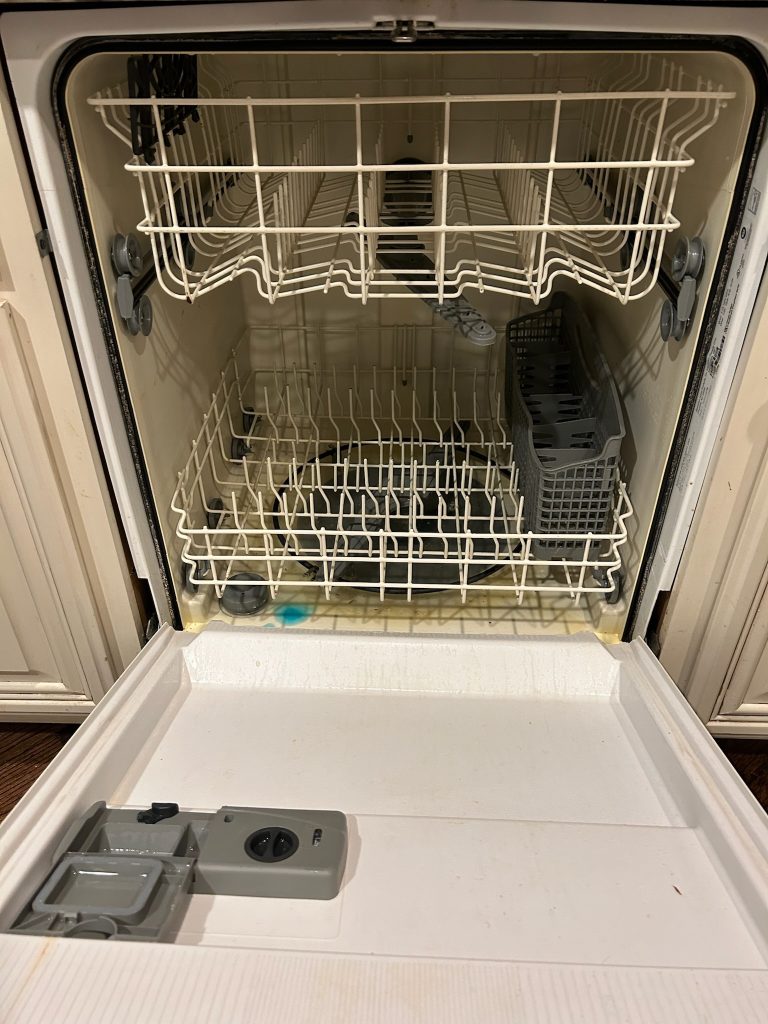
Commercial Appliance Repair: From Breakdowns to Back in Business
A McKinney restaurant can lose serious money in a single morning—not because the food prep stops, but because the refrigeration and dishwashing chain starts breaking down piece by piece. We’ve seen it happen when a walk-in fridge struggles to pull temperature and the dishwasher begins cycling oddly. The manager tries to “ride it out,” thinking a quick reset will fix it. By the time the issue is fully diagnosed, the real cost isn’t just the repair bill—it’s spoiled product, lost labor time, and a kitchen that can’t reliably hit its own safety standards.
Commercial appliance repair services aren’t only about getting equipment running again. They’re about minimizing downtime, preventing repeat failures, and protecting both your inventory and your reputation in North Texas—where heat, power fluctuations, and heavy daily use can stress equipment faster than many owners expect.
Quick Answer
For commercial refrigeration, dishwashers, ovens, and other kitchen equipment, the fastest path back to operation is:
- Diagnose the root cause (not just replace a part)
- Address airflow, water quality, and electrical basics that commonly trigger failures
- Repair quickly when safety or food spoilage is at risk
- Schedule preventive maintenance to reduce repeat breakdowns
If you’re dealing with active downtime, you’ll typically want same day appliance repair and an experienced technician who can troubleshoot quickly and correctly.
When Commercial Equipment Breaks, the Real Problem Is Downtime
Here’s a realistic scenario we handle frequently (anonymized, but typical): a restaurant in North Texas reports that their undercounter fridge “freezes everything” one day and then can’t keep items cold the next. At the same time, the dishwasher leaves spots and runs longer than usual.
What often happens in cases like this is that multiple symptoms share one underlying cause—like restricted airflow, a failing control component that’s misreading temperature, or a heating/thermostat issue that’s affected by water conditions. The manager may not realize that refrigeration problems can start as airflow or sensor issues long before the unit “fully fails.” That’s why repairs fail early when they’re made without proper diagnostics.
A firsthand technician observation
On one site visit, we found a “mystery” temperature swing that looked like a compressor issue. The compressor tests were within expected ranges, but the condenser airflow was partially blocked by debris and the unit’s fan wasn’t pulling correctly. The thermostat was responding to incorrect conditions, which made the compressor cycle inefficiently. Once we restored proper airflow and confirmed sensor readings, the temperature stabilized—without replacing expensive components unnecessarily.
What Homeowners Often Overlook (and What Businesses Repeat Anyway)
A common mistake we see in both homes and commercial kitchens is treating appliances like they’re either “broken” or “fine,” rather than watching early warning signs.
Common mistakes that lead to expensive breakdowns
- Ignoring inconsistent temperatures (refrigeration that swings isn’t “almost working”—it’s headed toward a safety issue)
- Skipping water-quality considerations for dishwashers (hard water scaling can cause heating and drainage problems)
- Resetting equipment repeatedly without diagnosing the cause (you can mask the real fault)
- Overloading units—especially refrigeration and dishwashers—then blaming the machine
- Delaying venting and cleaning (dryer vents and oven venting issues don’t just affect performance; they can trigger secondary failures)
Repair vs Replacement: When a Part Change Isn’t Enough
Commercial equipment repair is often a question of timing and risk. Sometimes the right move is repair; sometimes replacement prevents repeated downtime.
A practical way to decide
Repair is usually the better option when:
- The unit is relatively new or has had light downtime history
- Diagnostics show a specific, fixable failure (failed thermostat, bad heater circuit, faulty drain pump)
- The issue is causing performance problems but not widespread damage
Replacement is worth considering when:
- The unit has repeated failures due to multiple system breakdowns (controls + cooling + heating)
- The repair cost approaches a large portion of replacement cost
- The unit’s performance is inconsistent enough to affect food safety or compliance
Example case (anonymized)
We once responded to a business where the dishwasher “wouldn’t heat” reliably. The initial assumption was a failed heating element. After diagnostics, we found a combination of scaled components affecting heat transfer and a drainage issue that left water in the system longer than it should. Replacing only the heater would’ve likely led to another call—because the underlying water flow/scale problem remained. The final fix restored correct cycle temperatures and improved wash consistency without repeated service visits.
Commercial Appliance Repair: Troubleshooting That Restores Operation
Commercial kitchens need equipment to run predictably. That means troubleshooting has to be more than “try a new part.” Here’s how technicians typically work through common failures.
1) Refrigeration issues (temperature swings, warm product, frosting problems)
Start with basics that often get missed:
- Airflow restrictions: blocked vents, dirty condenser area, or improper clearance
- Door seal and gasket condition: small leaks create big temperature drift
- Evaporator fan operation: weak circulation can make certain zones warm
- Sensor accuracy: misreading temperature leads to wrong compressor cycles
If you’re searching for refrigerator repair services or need fridge repair near me, the best results come from a technician who verifies airflow, sensor readings, and compressor cycling—not just the compressor itself.
2) Dishwasher issues (long cycles, spots, poor drying, leaks)
Dishwashers are sensitive to:
- Water hardness and scale
- Drain performance (standing water impacts cleaning and heating)
- Heating circuit reliability
- Correct detergent type and dispenser settings
If you’re dealing with dishwasher repair services, the most valuable diagnosis is usually verifying whether the problem is wash performance, heating performance, or drainage/flow.
3) Ovens and ranges (uneven heating, slow preheat, inconsistent baking)
Oven failures often involve:
- Calibration drift (temperature control issues)
- Heating element or relay problems
- Ignition and safety components (for gas units)
- Control board faults that may not be obvious without testing
When you need oven repair services or a stove and oven repair technician, it’s worth choosing someone who can test the heating system and controls methodically. Random part swaps tend to extend downtime.
4) Garbage disposals and under-sink problems (drain backups)
Even if your kitchen “feels fine,” a failing disposal can slow prep and create sanitation hazards. For these issues, garbage disposal repair should focus on electrical safety, correct feed, and proper drain behavior—not just jamming and resetting.
To support your kitchen’s reliability, we also handle related troubleshooting for other appliances, including microwave repair and garbage disposal repair when kitchen workflow is impacted.
Appliance Maintenance Checklist (Commercial-Ready)
Downtime prevention is mostly maintenance discipline. Use this checklist to reduce breakdown risk between service calls:
Daily / Weekly checks
- ✅ Verify refrigeration temperatures (and document swings)
- ✅ Inspect door seals for gaps or looseness
- ✅ Confirm dishwasher cycles finish normally (no repeated long runs)
- ✅ Watch for unusual noises from fans, pumps, or motors
- ✅ Ensure proper loading (don’t block spray arms or airflow)
Monthly / Quarterly checks
- ✅ Clean condenser/airflow areas as recommended for your unit type
- ✅ Check dishwasher filters and spray arms for debris buildup
- ✅ Look for mineral scale around heating areas
- ✅ Inspect drainage lines for kinks or slow flow
- ✅ Test error codes and record when they appear
Before peak usage periods
- ✅ Schedule preventive maintenance ahead of summer strain (more on this below)
- ✅ Stock critical spare parts if you’re running multiple units
- ✅ Confirm water filtration/softening systems for dishwashers (if applicable)
What We Commonly See in North Texas Appliances
North Texas has a specific way of stressing equipment. In summer, refrigeration systems work harder to overcome higher ambient temperatures. When a unit is already running near its limits—due to airflow restrictions, dirty condenser conditions, or heavy daily door openings—it doesn’t take much for performance to fall off.
We commonly see:
- Refrigeration cycling inefficiently because airflow is partially blocked
- Dishwashers leaving residue due to hard-water scaling and drainage issues
- Ovens running hot or uneven after prolonged heavy use without calibration checks
In McKinney and across the region, that seasonal strain is why businesses should plan service before peak days. A small maintenance visit often prevents the kind of emergency call that disrupts prep schedules, staffing, and ordering.
McKinney, TX Relevance: Why Speed and Accuracy Matter Here
When equipment fails in McKinney, the challenge isn’t just getting parts—it’s restoring workflow fast enough to prevent secondary damage. A refrigeration problem can spoil inventory. A dishwasher issue can force manual cleaning, slow down service, and increase sanitation risk.
For businesses, that means the correct approach is:
- Faster diagnostics
- Reliable repair execution
- Clear recommendations on whether to repair or replace based on actual testing
If you’re looking for a local appliance repair company that understands both residential and commercial demands, Texas True Appliance Repair focuses on accurate diagnostics and practical solutions for North Texas equipment.
Our Experience Repairing Appliances in Texas Homes and Businesses
Texas True Appliance Repair supports households and commercial locations throughout McKinney, TX with troubleshooting across major appliance systems. We’ve learned that repeat failures usually come from skipping one of three things: correct diagnosis, airflow/water condition checks, or confirming the control logic behind the symptom.
That’s why our service approach prioritizes:
- testing before replacing,
- verifying airflow/flow where it impacts performance,
- and advising on maintenance steps that reduce the chance of the same issue returning.
For example, when a dishwasher acts up, we don’t only check the wash cycle—we check what the unit is doing with water flow and heating across the cycle. When refrigeration struggles, we verify airflow and sensor readings because those drive compressor behavior.
If you need help with a specific appliance, we can also assist with targeted repairs such as same day appliance diagnostics and appliance-specific troubleshooting.
Quick Repair Path: What to Do When Your Kitchen Equipment Goes Down
If you’re facing active downtime, here’s the quickest way to get back on track:
1. Stop forcing operation if you smell burning, see active leaks, or notice repeated error codes.
2. Record symptoms: temperature changes, cycle length, error codes, and whether the issue happens with different loads.
3. Check obvious basics: power supply, breaker tripped status, water supply valve position, and visible airflow blockages.
4. Call for diagnostics so the technician can test the system and confirm the true cause.
This is also where emergency commercial appliance repair becomes valuable—because time lost during a breakdown is often more expensive than the repair itself.
Appliance Maintenance Support for Common Needs
If your business is managing multiple appliances, it helps to have one service partner that can handle more than one breakdown at a time.
Depending on your situation, we may be able to support:
- refrigerator repair support when temperature stability is at risk
- dishwasher troubleshooting assistance when cycles don’t clean or dry properly
- commercial kitchen repair solutions when workflow and downtime are on the line
- oven repair services when heating performance affects cooking consistency
For other kitchen-related equipment issues, we also provide service for appliances like microwave repair and garbage disposal repair when those failures disrupt daily tasks.
Ready to Restore Your Appliances or Commercial Equipment?
Whether you’re dealing with a refrigeration problem that’s putting food safety at risk or a dishwasher that’s slowing down service, fast diagnostics and correct repair execution are what get you back in business.
About Texas True Appliance Repair
Texas True Appliance Repair provides residential appliance repair, commercial kitchen equipment repair, refrigerator diagnostics, dishwasher repair, oven repair, and emergency appliance services throughout McKinney, TX and surrounding North Texas communities. The company focuses on accurate diagnostics, reliable repairs, fast response times, and helping homeowners and businesses reduce costly appliance downtime through professional service and preventative maintenance.
FAQ
How do I know if a commercial refrigerator is worth repairing?
If the unit is still cooling but has temperature swings, it’s often repairable—especially when airflow restrictions, fan issues, or sensor/control problems are involved. If diagnostics show a failing compressor plus additional system damage, replacement may be more cost-effective. The best indicator is not age alone; it’s what the technician finds during testing and whether the repair will restore stable temperatures consistently.
Why does my dishwasher take longer to run and still leave residue?
Long cycles plus residue usually point to heating performance, drainage flow, or scale buildup affecting wash effectiveness. Hard water can coat heating components and reduce transfer efficiency, while poor drainage leaves dirty water in the system. A proper diagnosis checks water flow, filter/spray arm condition, heating circuit performance, and cycle behavior.
What’s the most common reason ovens heat unevenly in commercial kitchens?
Uneven heating is often related to calibration drift, heating element/relay faults, or issues with how heat cycles through the oven. In gas models, ignition and safety components can also cause inconsistent temperature control. Technicians typically test the temperature regulation and heating system rather than replacing parts blindly.
What should restaurants do when refrigeration fails during a busy service window?
Prioritize safety and inventory protection first. If product temperature can’t be stabilized quickly, you may need to move items to alternate refrigeration and document times/temperatures. Then call for diagnostics immediately so the repair team can identify airflow, sensor, control, or compressor-cycle issues. Speed matters because the longer the unit stays unstable, the higher the spoilage risk becomes.