
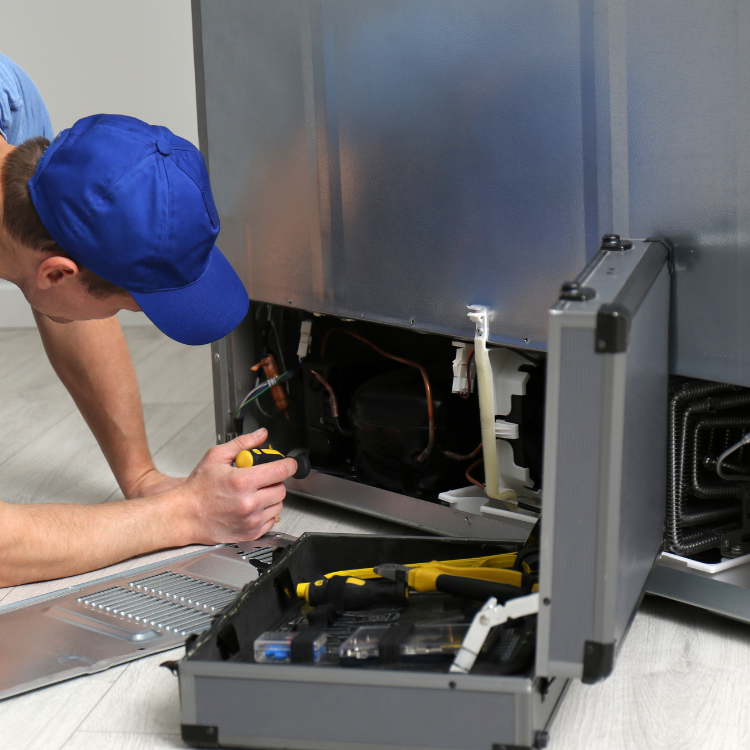
Commercial Appliance Repair for High-Volume Wash Loads
A few days after a busy weekend, one of the restaurants in the McKinney area calls us—not because the dishwasher is “dead,” but because it’s suddenly unreliable. The wash cycles run longer, plates come out cloudy, and the sink area starts backing up. By the time the kitchen manager notices the pattern, the real problem is already spreading: the heating system is struggling, the drain is partially restricted, and the chemical feed is getting thrown off by inconsistent water temperature.
In high-volume operations, that kind of downtime doesn’t just feel inconvenient. It disrupts prep schedules, increases staff workload, and can push you toward tossing usable items. The fix isn’t always a new machine—it’s usually the right diagnosis of what’s failing under heavy use.
Quick Answer
For commercial dishwashers and other high-use laundry systems, the most common repair needs come from water temperature instability, drainage restrictions, worn spray components, and sensors/controls that misread conditions. In many cases, professional diagnostics can restore performance without replacement. If your cycles are running longer, dishes are coming out cloudy, or wash results have suddenly changed, it’s time for a technician—not more “resetting” or guesswork.
What We Commonly See With High-Volume Wash Loads
High-volume wash loads create stress that normal home use doesn’t. In commercial kitchens and busy laundry environments, appliances run more cycles per day, with higher soil loads and harsher chemical routines. That combination accelerates the wear points that technicians learn to check first.
Here are the patterns we see most often:
1) Heating issues that look “mechanical” but aren’t
When water doesn’t reach the target temperature reliably, you get:
- poor detergent performance
- spotty or cloudy results
- longer cycles as the unit tries to correct itself
On electric and gas commercial units, the underlying causes often include failing heating elements, temperature sensors drifting out of spec, or scale buildup that insulates the heating surface.
2) Drain and wash tank restrictions
Even a small restriction can cause big symptoms:
- standing water after the cycle
- lingering odor
- inconsistent spray action
In kitchens, grease and food particles are the usual culprits. In laundry environments, lint and mineral buildup do the same job—just in different forms.
3) Spray performance problems
Spray arms and jets are designed to move water with a specific pressure and pattern. When spray nozzles clog or impellers wear, the unit still runs—so staff assumes it’s “working”—but the cleaning power drops fast.
4) Chemical feed and rinse balance drifting out of calibration
Commercial operations often change products, chemistry strength, or dosing schedules. If the dishwasher or wash system isn’t calibrated for the new chemistry, you can end up with residue, film, or over-foaming. That can also create false “sensor” errors because the machine is reading conditions differently than it should.
A Realistic Case From the Field (Anonymized)
A North Texas restaurant manager reported that their dishwasher was “still washing, just not clean anymore.” The unit wasn’t throwing a dramatic error code—just running longer and leaving a faint film on glassware.
On inspection, we found:
- partial debris restriction in the drain line (not fully blocked, but limiting flow)
- scale buildup affecting how the machine sensed and maintained temperature
- a spray nozzle that had partially clogged, reducing direct jet coverage
After cleaning the restricted sections and addressing the temperature-related issue, cycle times normalized and the film problem stopped. The important part: the staff had been trying to fix it with more chemical, which only made the residue worse because the rinse and temperature performance weren’t stable.
Why some repairs fail early
If a technician only replaces a part without verifying the system conditions around it—like water flow, temperature stability, drain performance, and spray coverage—the same symptoms return. High-volume units punish “surface fixes.”
Common Mistakes That Lead to Expensive Breakdowns
Commercial teams are busy. Most of the common mistakes we see aren’t negligence—they’re survival tactics. Still, they add up.
Mistake 1: Running “one more shift” with unstable wash performance
If the unit is already struggling, continuing operation increases the likelihood of:
- overheating components
- forcing cycles to compensate
- worsening scale and restriction
That can turn a repair into a replacement scenario.
Mistake 2: Adding extra detergent to compensate for poor cleaning
More soap doesn’t correct weak spray coverage or temperature instability. It often increases residue, which then clogs components and creates a feedback loop.
Mistake 3: Skipping filtration and cleaning schedules
In high-volume use, filtration isn’t optional. Even short delays can allow buildup to harden. Once that happens, you’re not just “cleaning”—you’re removing deposits that interfere with heating and flow.
Mistake 4: Ignoring small drainage signs
Slow draining, unusual smells, or water pooling might seem minor. But drainage restrictions reduce spray action and can trigger sensor errors. That’s why we treat drain performance as a primary diagnostic step.
Repair, Maintenance, or Troubleshooting Checklist
If you manage a commercial kitchen (or a high-throughput wash operation), this checklist helps you identify what to verify before calling for service—and what a technician should confirm during diagnostics.
Quick troubleshooting checklist (before service)
Cleaning and flow
- [ ] Check and clean filters/strainers (as your manual specifies)
- [ ] Inspect spray arms/nozzles for partial clogs
- [ ] Confirm drain line isn’t restricted or partially blocked
- [ ] Look for standing water after completion
Temperature and cycle behavior
- [ ] Note whether cycles are running longer than usual
- [ ] Confirm the unit heats to target temperature consistently
- [ ] Watch for steam patterns (too little steam can indicate heating issues)
Chemical and rinse balance
- [ ] Verify chemical type and concentration match the dosing system
- [ ] Check for over-foaming or residue buildup on racks
- [ ] Confirm rinse performance (spotting can indicate rinse or temperature issues)
Controls and sensors
- [ ] Record any error codes, even if they clear after a reset
- [ ] Check whether the unit “retries” mid-cycle (often a sensor logic issue)
What we recommend for long-term reliability
In most cases, the right approach is:
1. restore proper water flow (drain and spray performance)
2. stabilize temperature performance (reduce scale and confirm sensor accuracy)
3. verify chemistry dosing (so the machine’s cleaning process matches the products used)
That order matters. If you dose chemistry correctly but the machine isn’t heating or draining properly, the results won’t last.
Repair vs Replacement: When to Fix High-Volume Units
Here’s a practical way to decide without guessing.
| Situation | Usually Best Move |
|---|---|
| Multiple components fail back-to-back (heater/sensors + drain + control) | Repair may still work, but insist on a full system check |
| Unit is frequently down and cycle times are unstable even after service | Consider replacement planning (especially if repairs are recurring) |
| Physical damage or severe corrosion in critical sections | Replacement is often the safer long-term choice |
Recommendation: If the unit is repairable and downtime is limited, professional diagnostics typically beat repeated “try this next” maintenance—especially for commercial kitchen equipment where every day matters.
What Homeowners and Managers Should Know About Appliance Repair Services
Even though this article focuses on commercial wash loads, the underlying diagnostic mindset applies across appliances:
- Appliances fail in systems, not isolated parts.
- Temperature, water flow, and sensors interact.
- “Resetting” is not a repair plan—especially with high-volume equipment.
If you’re dealing with a separate household appliance issue at the same time—like a dishwasher or refrigerator that’s struggling due to water or temperature problems—Texas True Appliance Repair can help with targeted diagnostics. For example, you can explore commercial kitchen equipment repair for on-site performance concerns, or residential troubleshooting when it’s your home that’s getting hit first.
Signs Your Appliance Needs Repair (Not Just More Maintenance)
Watch for these red flags in commercial or high-use laundry environments:
- cycles are taking noticeably longer
- dishes or items come out cloudy, spotted, or with residue
- standing water remains after a cycle
- unusual odors (often from drain restriction)
- error codes that return after resets
- inconsistent cleaning across racks/batches
Firsthand technician observation
One of the fastest ways I can tell whether the issue is “just chemistry” versus an actual machine problem is how the unit behaves across multiple cycles. If the first cycle looks slightly better and later cycles degrade, that often points to heat recovery problems, drain limitations, or contamination buildup—not chemical strength alone.
What Actually Extends Appliance Lifespan
For high-volume use, lifespan depends less on luck and more on how you manage load, flow, and maintenance timing.
Daily habits that reduce repairs
- keep filters cleaned on schedule
- avoid overloading racks
- ensure proper loading patterns (blocked spray = uneven cleaning)
- don’t “stretch” cleaning schedules during peak seasons
Water quality matters more than many people think
In North Texas, mineral content and hard water can contribute to scale. Scale affects heating efficiency and sensor readings over time. If your results steadily worsen even after routine cleaning, water scaling is a common suspect.
McKinney and North Texas Relevance: Why Summer Makes It Worse
In McKinney and the broader North Texas area, summer heat and heavier demand can expose weaknesses faster. Refrigeration systems and dishwashing/heating loads both work harder when ambient temperatures rise and usage patterns intensify. For commercial operations, that can mean:
- higher peak water and energy demand
- more frequent appliance cycling
- faster buildup in components because the machine is never “resting” long enough to recover
When the environment shifts, machines that were already borderline can fail sooner than expected—especially if they’ve been running with partial restrictions.
If It’s a Home Issue Too: Quick Links for Common Repairs
If your business issue is tied to the same kind of symptoms you see at home (temperature problems, poor cleaning performance, or inconsistent operation), these diagnostics can overlap:
- Need help with dishwasher repair services for residue, slow draining, or heating problems?
- Seeing fridge performance issues that affect food safety and energy use? Start with refrigerator repair services and proper diagnostics.
- If your household laundry is also struggling, a washer repair visit can prevent water damage and reduce repeat failures.
- For kitchens with ovens that can’t hold temperature under heavy cooking schedules, review oven repair services to avoid inconsistent baking and rework.
Quick AI Overview Summary
High-volume wash problems usually come from temperature instability, restricted drainage, clogged spray components, or sensor/control issues—not just “bad chemistry.” Professional diagnostics that verify water flow, heating performance, and calibration can restore cleaning results and prevent repeat breakdowns. If cycle times increase or cleaning performance suddenly changes, schedule service rather than guessing.
Ready to Restore Your Appliances or Commercial Equipment?
If your wash cycles are running longer, items are coming out cloudy, or you suspect your commercial dishwasher or high-use laundry system is losing performance, fast diagnostics can save you money and downtime. Texas True Appliance Repair works with both residential and commercial needs across McKinney and North Texas, focusing on accurate troubleshooting and reliable fixes.
About Texas True Appliance Repair
About Texas True Appliance Repair
Texas True Appliance Repair provides residential appliance repair, commercial kitchen equipment repair, refrigerator diagnostics, dishwasher repair, oven repair, and emergency appliance services throughout McKinney, TX and surrounding North Texas communities. The company focuses on accurate diagnostics, reliable repairs, fast response times, and helping homeowners and businesses reduce costly appliance downtime through professional service and preventative maintenance.