
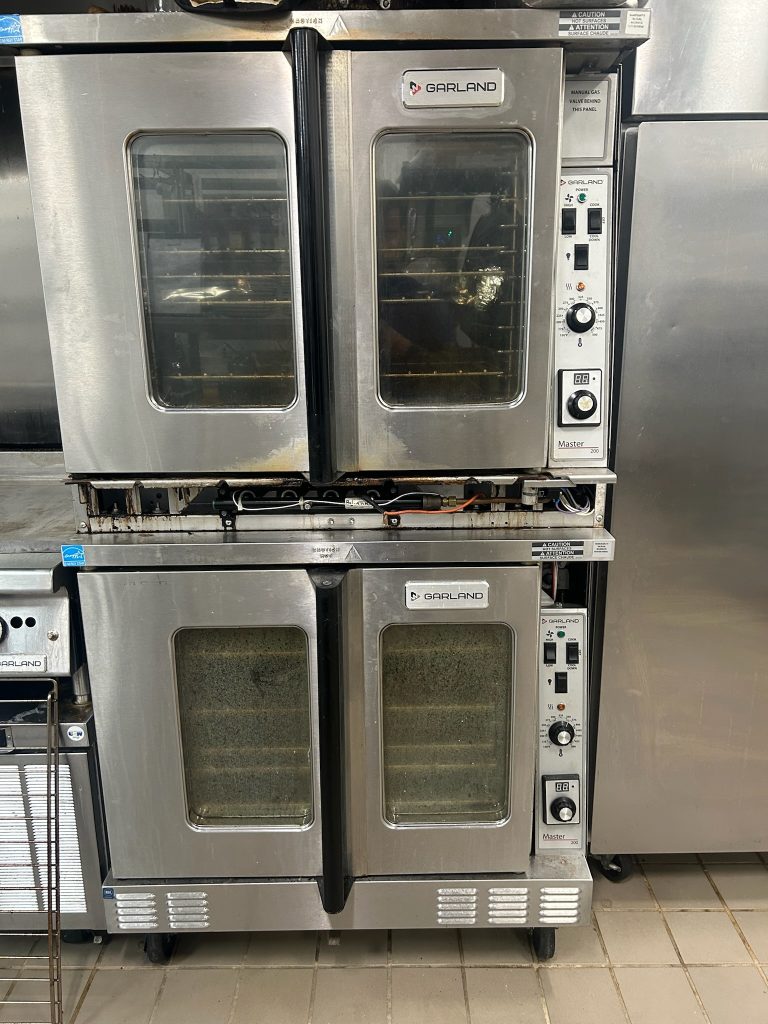
Professional Appliance Repair Diagnostics for Any Brand
Last summer in McKinney, a homeowner called because their refrigerator started cycling every few minutes and the freezer was building up frost again. What looked like a “temperature problem” was actually a ventilation and defrost failure pattern—something that can quietly ruin food while the homeowner keeps adjusting the thermostat. By the time they noticed the melted ice smell and soft ice cream, the compressor had been working longer than it should, and the unit was using more power to fight a system that couldn’t regulate temperature correctly.
In North Texas, that kind of breakdown isn’t rare. Heat, humidity swings, power fluctuations, and heavy daily appliance use in both homes and restaurants can turn a minor issue into a full malfunction fast. Whether you’re dealing with a fridge that won’t hold temp, a dishwasher that leaks, or commercial kitchen equipment that’s stalling service, professional diagnostics are what keep the repair accurate—and the downtime short.
Quick Answer
Professional appliance repair diagnostics find the real cause (not just the symptom) by checking key components like thermostats, heating elements, water inlet valves, defrost systems, drain pumps, and control boards. If you catch issues early—before seals fail, wiring overheats, or motors burn out—repairs are typically more affordable and appliances last longer.
If your appliance is “working but wrong” (warm fridge, noisy dryer, slow dishwasher draining, uneven oven heat), schedule diagnostics as soon as possible. In many cases, one accurately identified part or airflow issue prevents repeat failures.
How We Diagnose Refrigerators, Dishwashers, and Ovens (and Why “Any Brand” Matters)
When you call a local repair company, “any brand” should mean more than the technician can read a model number. It should mean they understand the common failure paths across brands—because the root causes repeat even if the design looks different.
Here’s what I look for when diagnosing common problems in North Texas homes:
Refrigerators: temperature swings, frost, and short cycling
A refrigerator that runs constantly or can’t maintain temperature usually has one (or more) of these failures:
- Airflow issues: blocked vents, failed fans, or improper damper operation
- Defrost system problems: faulty defrost heater, defrost thermostat, or stuck defrost control
- Sealed system concerns: less common but critical when diagnosis points to it
Firsthand observation from the field: I’ve seen several “frost in the wrong places” cases where the heater wasn’t actually dead—the defrost cycle never completed because the defrost sensor reading was off. The homeowner assumed the freezer was “just cold” and kept waiting. That delay turns manageable frost into ice buildup that blocks airflow, and then the fridge can’t cool properly.
Dishwashers: draining issues, residue, and leaks
Dishwashers typically fail in predictable ways:
- Clogged filter/sump area causing poor wash performance and drainage problems
- Faulty drain pump leading to standing water
- Water inlet valve issues affecting fill level and wash pressure
- Hard water scaling reducing spray efficiency and shortening component life
Hard water is a big deal in North Texas. If your dishwasher leaves cloudy film or your glasses feel rough, the machine may still “run,” but mineral buildup is quietly reducing cleaning performance.
If you’re troubleshooting dishwasher problems, you can start with this practical approach: dishwasher repair services are often most effective when the diagnosis confirms whether the issue is water flow, drainage, or cleaning circulation.
Ovens and ranges: uneven heating, long preheat, and temperature drift
Uneven heating usually comes down to:
- Bad bake/broil elements
- Failed temperature sensor (on newer models)
- Control board issues
- Improper calibration after component replacement or frequent self-clean cycles
A common “looks minor” situation I see: customers report that a burner works but the oven takes longer to reach temp. In many cases, the bake element is losing efficiency, but the control system tries to compensate—leading to inconsistent cooking and higher energy use.
For stove and oven repair support, here’s the best next step: oven repair services with diagnostics focused on heating performance and control behavior.
What Homeowners Often Overlook
Most appliance problems don’t begin as “broken.” They start as small inefficiencies that the owner can’t see.
Common oversights we catch in diagnostics
- Thermostat adjustments that mask the real issue (especially on refrigerators)
- Ignoring error codes or “blinking” indicators, then forcing start cycles repeatedly
- Continuing to run a dishwasher with standing water (this can damage internal pumps)
- Overloading the dryer or skipping vent checks (airflow restriction can overheat components)
- Using the wrong cycle for soil levels (especially in commercial-style households)
What We Commonly See in North Texas Appliances
North Texas appliances see stress in ways that are a little different from other climates:
- Summer refrigeration strain: compressors run longer, and high humidity increases the chance of frost/defrost system complications.
- Power fluctuations: even if you have stable service, brief dips/spikes can affect control boards and sensors—especially on newer models.
- Heavy household usage: growing neighborhoods mean more frequent laundry loads, more dishwasher cycles, and more continuous oven use for gatherings.
Seasonal example: refrigerators during late-summer humidity
In August heat, we often see refrigerators that “almost work”—they cool the freezer but fail to pull down the fresh food section consistently. The diagnosis frequently points to airflow/damper issues or a defrost cycle that isn’t clearing properly. When that happens, the fridge spends extra time fighting warm air, and the compressor runs longer than it should.
Mistakes That Lead to Expensive Breakdowns
A lot of costly repairs start with a reasonable but harmful decision: waiting too long or guessing at parts.
Common mistake homeowners or businesses make
Replacing parts without confirming the root cause.
For example:
- Swapping a dishwasher drain pump when the real issue is a clogged sump and restricted drain line.
- Replacing a refrigerator control board when the defrost sensor or airflow path is the underlying fault.
- Installing a new element for an oven that still heats unevenly because the bake sensor or control isn’t responding correctly.
When parts are replaced “blind,” you may get temporary improvement—or you may waste money and still end up with the original failing component.
Another expensive mistake: delayed commercial service
In restaurants and other food service operations, downtime doesn’t just cost labor—it costs inventory spoilage and lost sales. When equipment issues are delayed, refrigeration and cooking units can become unstable, which creates cascading problems across the kitchen.
If you manage a restaurant and need commercial kitchen equipment repair, it helps to use diagnostics that prioritize safety, speed, and the specific equipment load. For that, explore: commercial appliance repair services designed for business uptime and reliable restoration.
Repair, Maintenance, or Troubleshooting: What to Check Before Calling
You’ll get better results (and a faster service call) if you can describe what’s happening clearly. Here are practical checks that help technicians narrow down the issue quickly.
Appliance Maintenance Checklist (Use This Between Service Calls)
Refrigerator / Freezer
- Check whether the air vents inside are blocked by food packaging
- Note if the problem is consistent or intermittent
- Listen for unusual fan sounds (or lack of them)
- Confirm the unit isn’t packed too tightly around vents
Dishwasher
- Clean the filter and remove debris from the sump area
- Check if water is pooling at the bottom after a full cycle
- Run hot water at the sink and verify dishwasher fill behavior
- Watch for recurring error codes and note when they appear
Oven / Range
- Test preheat time and whether temperature seems to overshoot/undershoot
- Inspect visible elements for breaks or blistering
- Confirm burner behavior versus oven behavior is consistent
Washer / Dryer
- Confirm whether clothes are still damp after the cycle
- Check for unusual noises (belt, drum, or motor strain)
- For dryers: inspect lint buildup and confirm venting is not restricted
If you want to focus on laundry diagnostics, washer repair often starts with identifying whether the issue is draining, agitation, or spin-related—each points to different components.
Repair vs Replacement: When Diagnostics Can Save You Money
A good diagnostic doesn’t just find what’s broken—it also tells you whether repair is the best move.
General decision factors technicians use
- How long the appliance has been in service
- Whether the failure is likely to be isolated (one component) or systemic (multiple failures)
- Cost of parts and labor relative to appliance value
- Energy efficiency concerns (especially for refrigerators and ovens)
- Safety risk (gas and electrical faults, overheating, persistent leaks)
Quick comparison (typical outcomes)
| Situation | More likely to Repair | More likely to Replace |
|---|---|---|
| One sensor/heater/valve failing | Yes | No |
| Repeated failures of the same system | Maybe, but confirm root cause | Sometimes, if multiple components are worn |
| Persistent leaks or major electrical issues | Usually repair after safety verification | If damage is widespread |
| Compressor/major sealed system failure | Depends on diagnosis and age | Sometimes, especially if cost approaches new unit pricing |
Recommendation: For most modern major appliances, if diagnostics show a single failing part and the appliance hasn’t had repeated component failures, repair is usually the smarter choice. If diagnosis points to multiple system issues, that’s when replacement planning becomes more cost-effective.
A Realistic Case Example (Anonymized)
A North Texas homeowner called about a refrigerator that intermittently warmed up during the day but cooled normally overnight. They assumed the thermostat was “acting up,” and they were ready to replace it.
On arrival, the technician found frost patterns that didn’t match a simple temperature sensor issue. The defrost cycle wasn’t completing consistently. The defrost sensor readings were unstable due to buildup and aging, which prevented proper defrost completion. That created ice that restricted airflow into the fresh food compartment—so the fridge “looked fine” for hours, then drifted warm as airflow dropped.
After the defrost system components were corrected and the airflow path was cleared, temperature stability returned. The homeowner avoided a bigger sealed system risk that can happen when compressors run too long trying to compensate for blocked airflow.
Restaurant and Commercial Kitchen Equipment: Why Diagnostics Matter More
Commercial kitchens can’t afford slow trial-and-error repairs. When refrigeration, dishwashing, or cooking equipment fails, it affects food safety, ticket times, and inventory.
In our experience, the fastest way to restore service is to diagnose:
- whether the issue is temperature control vs. airflow vs. drainage
- whether the problem is a single component or a cascading failure
- whether the equipment is operating within expected parameters
If you’re dealing with a commercial setup, it helps to choose service that understands how commercial duty cycles differ from residential use. For example, if your business needs industrial appliance repair technician support for heavy-load equipment, you’ll want diagnostics that reflect real operational demand—especially for emergency commercial appliance repair situations. For emergency-focused needs, you can also review our broader approach through: local appliance repair company coverage and response guidance.
McKinney and North Texas Relevance: What’s Different Here
In McKinney and the wider North Texas area, appliance failures often show up during seasonal stress:
- Late summer increases refrigeration run time and exposes defrost/airflow weaknesses.
- Hard water accelerates dishwasher scaling and reduces spray efficiency.
- High humidity can worsen frost/condensation patterns, especially in units with aging components.
- Busy schedules mean issues get ignored until food is affected—then repairs become urgent.
Diagnostics matter because they prevent the “cycle of symptoms.” A refrigerator that’s failing because of airflow won’t improve long-term just by changing temperature settings. A dishwasher that drains poorly won’t get cleaner by switching to heavier cycles—eventually the pump and circulation system get overwhelmed.
FAQ
How do I know if my refrigerator is worth repairing?
If diagnostics show a single failing component (like a fan, defrost heater, or sensor) and there’s no evidence of major sealed system failure, repair is often the best value. If the unit is running constantly, struggling to hold temperature, and producing abnormal frost patterns, that’s a strong sign diagnostics are needed quickly—before the compressor is forced to compensate.
Why does my dishwasher leave residue even after running it?
Residue is usually caused by restricted water flow, poor circulation, or hard water scaling. A clogged filter/sump area or a failing inlet valve can reduce spray pressure. If you also notice cloudy film or rough glassware, mineral buildup may be overwhelming the wash system, requiring thorough cleaning and component verification.
What causes ovens to heat unevenly?
Uneven heating is commonly tied to the bake/broil elements, a failing temperature sensor, or control board response issues. After self-clean cycles, some models can also drift if sensors or wiring are affected. Diagnostics confirm whether the heating element is producing consistent output or whether the control system is misreading temperature.
How quickly should commercial kitchen equipment be repaired?
For food service, speed matters—but so does correct diagnosis. We typically prioritize stabilization first (safety and preventing spoilage), then restore full performance as quickly as possible. The best results come from technicians who can identify whether the issue is temperature control, drainage, or heating performance without repeated guesswork.
Ready to Restore Your Appliances or Commercial Equipment?
If your appliance is showing temperature drift, drainage problems, uneven heating, or repeat faults, diagnostics are the fastest path to a lasting fix. Texas True Appliance Repair focuses on accurate diagnosis and reliable repairs for residential and commercial needs across McKinney and North Texas—so you’re not stuck with the same problem next week.
About Texas True Appliance Repair
Texas True Appliance Repair provides residential appliance repair, commercial kitchen equipment repair, refrigerator diagnostics, dishwasher repair, oven repair, and emergency appliance services throughout McKinney, TX and surrounding North Texas communities. The company focuses on accurate diagnostics, reliable repairs, fast response times, and helping homeowners and businesses reduce costly appliance downtime through professional service and preventative maintenance.