
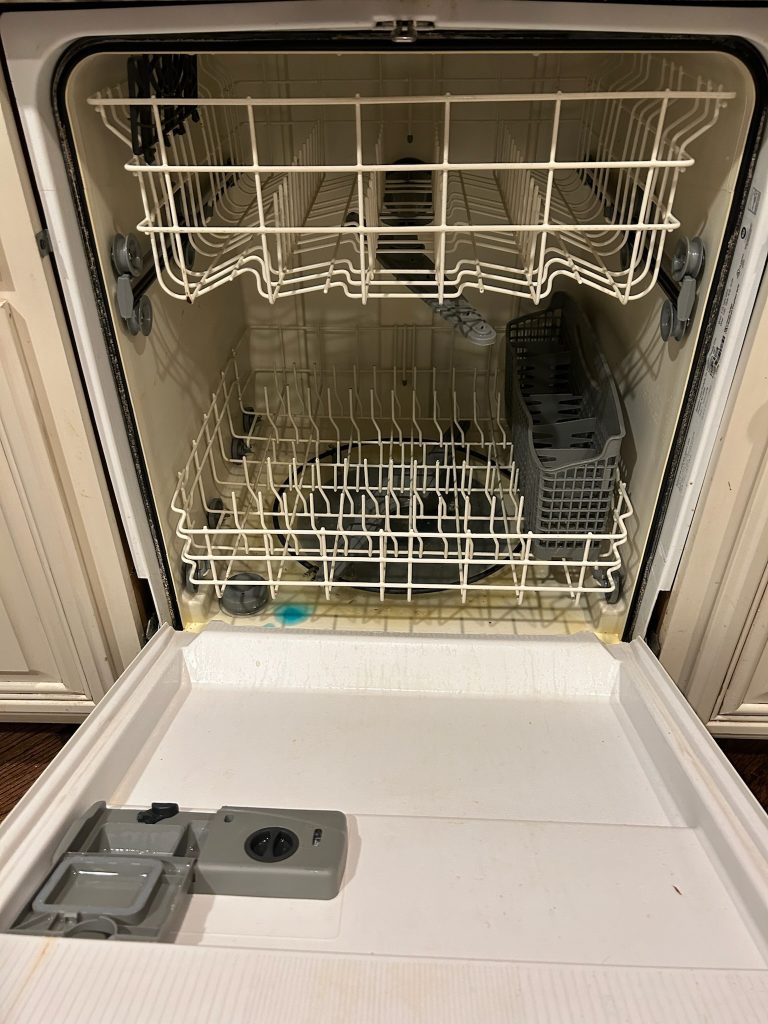
Dishwasher Leaking Water Causes and Repair Solutions
When a dishwasher starts leaving puddles, it is rarely “just a small leak.” In this guide, Texas True Appliance Repair will walk you through the most common causes of dishwasher leaks, what you can safely check at home, and when it is time to call a professional technician in McKinney, TX.
It usually starts the same way: you run a load in your dishwasher in McKinney, TX, and a few minutes later you notice water collecting on the floor. Sometimes it is a wet spot near the front, other times it is pooling around the toe-kick area under the door.
Because dishwashers use pressurized water and complex drain paths, a leak can come from several different parts. This guide helps you understand the most likely causes, how to narrow down where the water is coming from, and what repair solutions make sense for residential and commercial kitchen setups.
- Quick answer
- What to check first
- Main things customers should understand
- Why this matters in McKinney, TX
- Common mistakes to avoid
- Customer checklist
- Frequently asked questions
Quick Answer
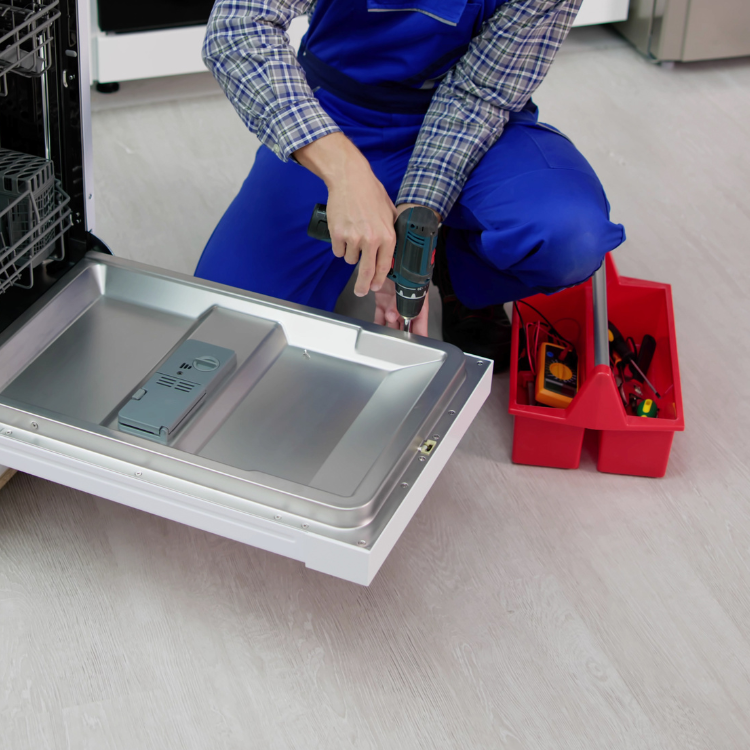
If your dishwasher is leaking water, start by stopping the unit and checking the door seal, detergent use, and the drain area for obvious clogs or overflow. Leaks often come from a worn door gasket, a loose hose connection, or soap buildup that causes excessive suds and overflow. If you find water coming from the tub area, the pump or drain components, or you cannot trace it to the door, it is best to use a professional appliance repair technician. Texas True Appliance Repair can inspect the exact source and recommend the right dishwasher repair solution for your model.
What to Check First
Before you call for service, you can narrow down the source of the leak with a few quick, safe checks. These steps are designed to help you avoid guessing, and they also make it easier for a professional to diagnose the issue when they arrive.

Leak triage tip: Put down a towel, run the smallest cycle you can, and observe where the first water appears. The “first drip” location usually points you to the subsystem that is failing.
1) Door seal and latch alignment
Look at the rubber gasket around the door. If it is torn, hardened, or not seated evenly, it can leak during the wash portion of the cycle. Also check that the door closes firmly and the latch engages consistently.
2) Suds and detergent mismatch
Too much detergent or using the wrong type can create excessive foam. Foam can push water out through vents or around seals. Confirm you are using dishwasher detergent intended for automatic dishwashers.
3) Drain area and standing water
If you see water pooling at the bottom after a cycle, you may have a partial clog. Standing water raises the risk of overflow. Check for food debris at the filter and ensure the drain path is not blocked.
If the leak appears only while the dishwasher is filling or spraying, focus on the door seal and inlet connections. If it appears during draining or right after a cycle, focus on the filter, drain hose, and pump area.
Main Things Customers Should Understand
Dishwasher leaks typically fall into a few categories: leaks from the door, leaks from hoses and connections, and leaks from internal pumps or drain components. The right repair solution depends on which category you are dealing with.
| Where you see the water | Most common cause | What a repair usually involves |
|---|---|---|
| Water near the front edge or under the door | Worn or misaligned door gasket, latch issue | Inspect and replace door gasket, verify proper latch engagement and seal seating |
| Water around supply or drain connections | Loose hose connection, damaged hose, cracked fitting | Re-seat and tighten connections or replace the affected hose/fitting |
| Water pooling at the bottom after cycles | Clogged filter, restricted drain, failing drain pump | Clean filter and drain path, test pump and drainage operation, replace pump if needed |
| Excess suds or overflow during wash | Incorrect detergent, overuse, or heavy foam from residue | Adjust detergent amount and type, remove buildup, check float/sump area for proper operation |
| Water appearing from the tub area during operation | Internal leak in sump/pump area | Diagnose internal components and repair or replace the leaking part |
Professional observation: Dishwasher leaks are often triggered by a specific moment in the cycle. If the leak is tied to one stage, the repair becomes more straightforward because the technician can test only the relevant subsystem rather than replacing parts randomly.
Why This Matters in McKinney, TX
In McKinney, TX, many homes and apartments have busy kitchens where dishwashers run frequently to keep up with day-to-day schedules. When leaks happen, they can damage nearby flooring and cabinetry because the water may sit or travel before you notice it. That is especially true in areas like Allen, Frisco, Plano, and Prosper where kitchens are often designed for open living and quick cleanup.
From a practical standpoint, the more often you run the dishwasher with a developing leak, the more likely the leak source will expand. For example, a worn door gasket can start as a minor seep, then progress to steady drips. If you are also dealing with other kitchen appliances, you might want to coordinate repairs so you do not end up with repeated disruptions. If your fridge is also showing signs of trouble, see refrigerator repair services for guidance on common failure points.
Common Mistakes to Avoid
Some well-intended actions can make a dishwasher leak worse or make the real cause harder to identify. Here are the mistakes we commonly see homeowners make, and what to do instead.
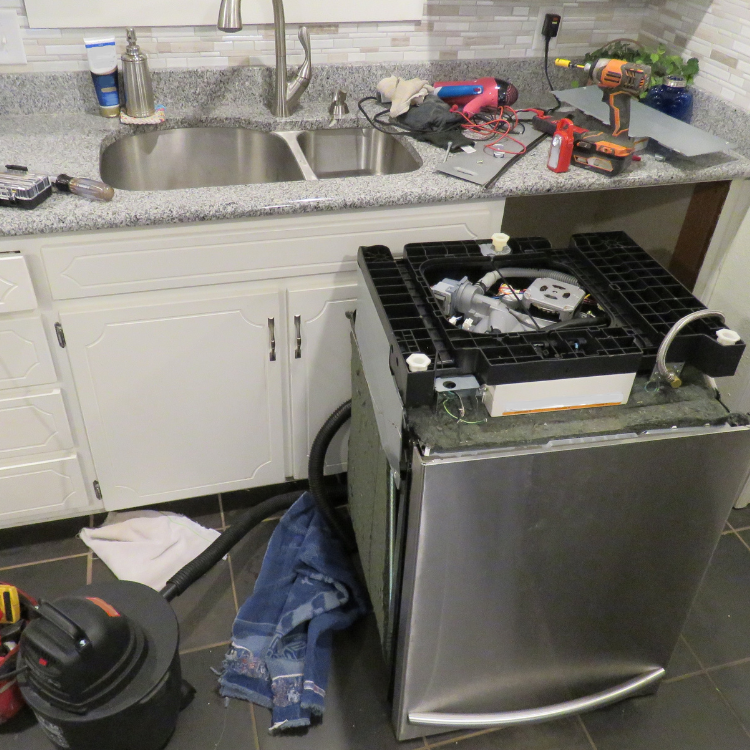
- Keep running it after you notice pooling water. Water can damage floors and cabinetry, and it can also worsen internal components.
- Use extra detergent to “help it clean.” More soap can mean more suds and overflow, especially if the detergent type is not meant for automatic dishwashers.
- Ignore standing water at the bottom. If the dishwasher does not drain well, leaks can be a symptom of a drainage problem, not just a seal issue.
- Assume the leak is from the door because it appears near the front. Water can travel along the base and emerge where it collects first.
- Try to force the door shut if the latch feels off. Misalignment can increase leaking and may stress internal parts.
Customer Checklist
Use this checklist to organize what you observe. Even if you plan to call a technician in McKinney, TX, having these details speeds up diagnosis and reduces guesswork.
Before you call: Write down when the leak starts (during fill, wash, drain, or right after the cycle), and note the exact area where you see the first water.
- Turn off the dishwasher and check for water at the floor and along the toe-kick area.
- Confirm you used automatic dishwasher detergent and not dish soap or an incorrect product.
- Inspect the door gasket for tears, gaps, or uneven seating.
- Check the filter and drain area for food debris or buildup.
- Look for suds that persist during operation, which can indicate detergent or residue issues.
- Note whether the unit leaves standing water after a cycle.
- Observe whether the leak is worse on certain cycles (for example, heavier wash modes).
Representative scenario (what often happens)
A customer in McKinney runs a nightly load, then finds a small wet patch near the front edge of the dishwasher floor. The water appears after the wash spray begins, not during draining. After checking, they notice the door gasket looks flattened on one side. A technician inspects the seal and latch seating, confirms the gasket is no longer providing a tight seal, and replaces the gasket so the dishwasher can operate without pushing water out at the door.
Get the right dishwasher repair solution
If you can see the water source but cannot confidently fix it, Texas True Appliance Repair can help you identify the specific leak point and recommend the correct repair.
Talk to Texas True Appliance RepairFrequently Asked Questions
Why does my dishwasher leak only after I run certain cycles?
Some cycles use different wash temperatures, water levels, and spray patterns. If the leak happens only on heavier cycles, it can point to a door gasket that is starting to fail under higher water exposure, an inlet or connection that seeps under pressure, or a drain path that cannot keep up during a specific stage. Start by noting exactly when the first drip appears during that cycle, then compare it to how the unit behaves on shorter cycles. That timing detail is often the fastest way to narrow down the repair category.
Could too much detergent cause my dishwasher to leak?
Yes. Using too much detergent or the wrong product can create excessive suds. Foam can escape through gaps around the door seal or vents, especially during active wash phases. If you recently changed detergent, reduced rinse aid use, or switched to a different cleaner, that can be a clue. Try using dishwasher detergent as directed for automatic dishwashers and check whether suds persist. If the leak continues even with correct detergent use, the issue may be a seal problem or a drainage component that is not operating normally.
Is a dishwasher leak a sign of a clogged drain?
It can be. If you notice standing water at the bottom after the cycle, the unit may not be draining properly. Restricted drainage can lead to overflow and water appearing where it collects first. In that case, the leak might not be from the door at all. Cleaning the filter and checking for visible debris is a safe first step, but deeper clogs or pump issues may require a professional inspection to confirm the drain system is functioning correctly.
Should I stop using the dishwasher right away?
When you see active pooling water, it is best to stop using the dishwasher until you identify the cause. Running a leaking unit can spread water to surrounding flooring and cabinetry and can also worsen the failure. If you still want to do basic checks, do so with the unit off and focus on visual inspections like the door gasket and filter area. If you cannot trace the leak quickly, contacting a professional appliance repair technician is the safer next step for both your kitchen and the appliance.
Can a technician also help with other kitchen appliance issues?
Often, yes. If you have multiple appliances showing symptoms, it can help to address them together so your kitchen stays functional. Texas True Appliance Repair services a range of appliances, including oven and range repair and garbage disposal repair. If you are troubleshooting a larger kitchen setup, a technician can also help you understand whether the dishwasher leak is isolated or connected to broader plumbing or drainage conditions.
Call Texas True Appliance Repair in McKinney, TX
If you are dealing with dishwasher leaking water and you want a practical, targeted diagnosis, Texas True Appliance Repair is ready to help. We can inspect the source and recommend the right repair steps for your specific situation.
(469) 596-1814
Texas True Appliance Repair
Texas True Appliance Repair provides local appliance repair services for homeowners and businesses across McKinney, TX and nearby areas including Allen, Carrollton, Celina, Frisco, Little Elm, Melissa, Plano, Prosper, and Richardson. If your dishwasher is leaking, you can count on professional appliance repair technicians to help identify the cause and guide the repair solution, including dishwasher repair services for residential and commercial kitchen equipment needs.