
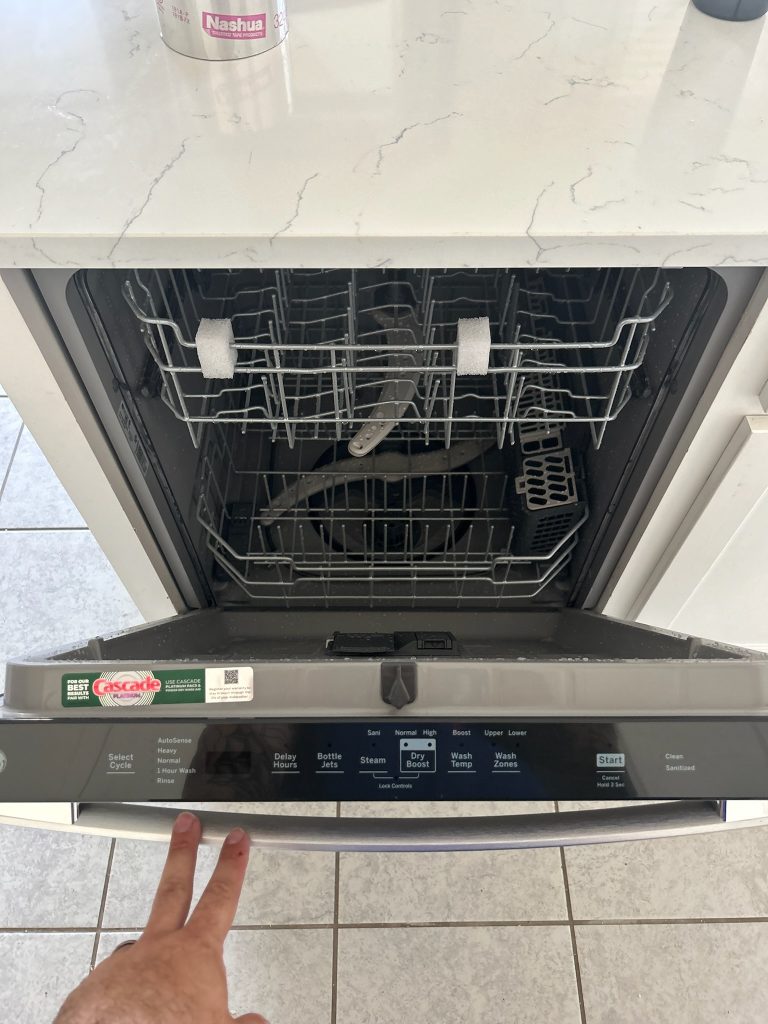
Dishwasher Not Draining? Common Causes and Fixes Explained
If your dishwasher leaves standing water at the end of the cycle, it usually points to a drain path problem. This guide walks you through the most common causes, what you can check safely, and when it makes sense to bring in a professional appliance repair technician in McKinney, TX.
Last week, your dishwasher was running normally. This week, you open the door and there is water sitting at the bottom, sometimes with bits of food swirling around. Even if the dishes look “mostly clean,” that leftover water can lead to odors, cloudy glassware, and a cycle that never truly finishes.
This walkthrough helps you understand why a dishwasher fails to drain, what to check first before you start parts replacement, and how to avoid the common mistakes that can make the problem worse. It is written for homeowners and property managers dealing with real-world dishwashers in McKinney, TX.
- Quick answer
- What to check first
- Main considerations
- Why this matters in McKinney, TX
- Common mistakes to avoid
- Customer checklist
- Frequently asked questions

Quick Answer
If your dishwasher is not draining, start by checking the filter, drain area, and any visible food blockage. Next, confirm the drain hose is not kinked or clogged, and verify the garbage disposal connection (if you have one) is allowing water to pass. If the unit still leaves standing water after cleaning and running a short cycle, the issue is often the drain pump, a failed drain component, or a control issue that needs professional appliance repair. For reliable results in McKinney, TX, contact Texas True Appliance Repair to diagnose the drain system accurately.
What to Check First
Begin with the easiest, highest-impact checks. Most “not draining” calls come down to debris buildup in the drain path, especially if the household uses the dishwasher frequently or if dishes are scraped but not fully pre-rinsed. Safety first: turn off power at the breaker or unplug the unit before you move filters or reach inside the tub.
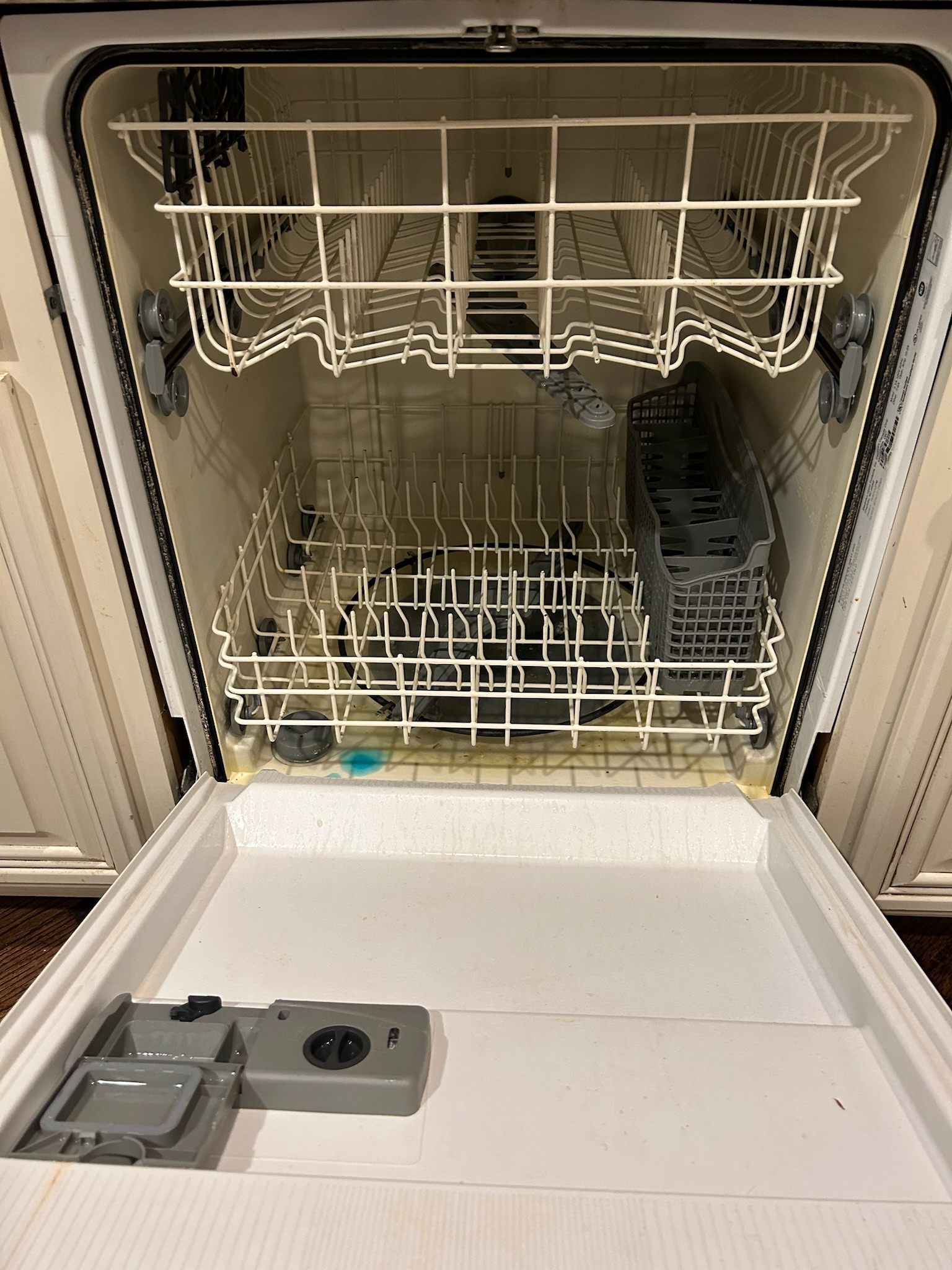
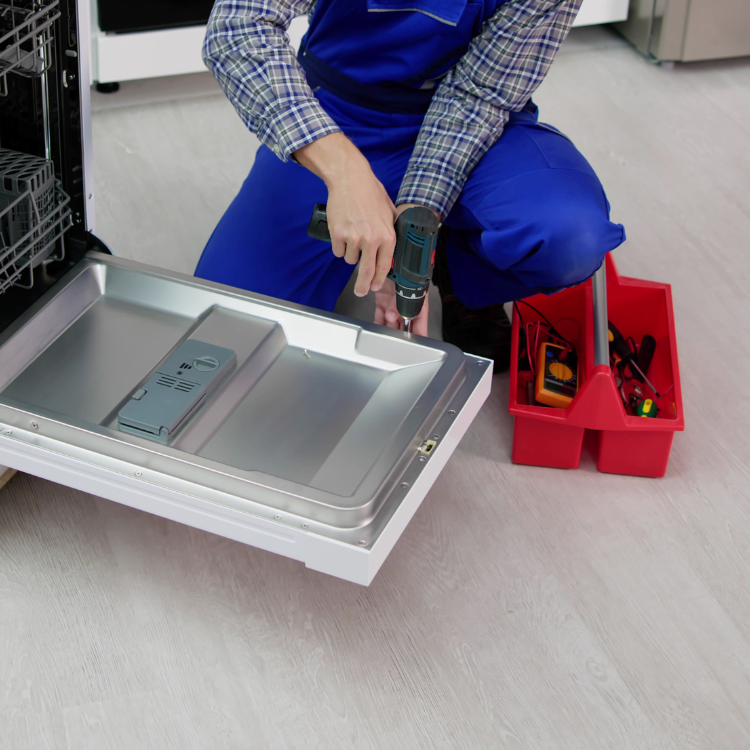
- Look at the bottom drain area and remove any visible food chunks or debris.
- Remove and rinse the dishwasher filter and make sure it sits correctly after cleaning.
- Check for a clogged drain hose connection (kinks, twists, or trapped buildup).
- If you have a garbage disposal, run water and confirm it drains freely, then re-run the dishwasher.
- Inspect the drain area for pooling that does not change after you clean.
Main Things Customers Should Understand
Dishwashers are designed to drain through a specific path: filter and sump area, drain pump, and then out through the house plumbing. When any one link is restricted, the dishwasher can leave standing water even if the wash cycle seems to complete. Below are the most common causes you will see in real kitchens in McKinney, TX.
Filter and sump buildup
Food particles, labels, and grease can collect in the filter and sump. Once the drain path narrows, water cannot pull out properly at the end of the cycle.
Drain hose issues
A kinked hose, improper high-loop, or a partial clog can slow or stop drainage. The symptom is often standing water that returns after cleaning.
Garbage disposal connection
If the dishwasher drains into a disposal, clogs or a stuck connection can prevent flow. The dishwasher may drain slowly or not at all.
Professional observation: The “standing water at the bottom” symptom most often comes from restriction in the drain path, not from a simple soap problem. Once the filter and sump area are clean and seated correctly, the next likely causes are drain hose routing or a drain pump issue.
When it is likely the drain pump or control
If you have cleaned the filter, cleared debris, and confirmed the disposal connection allows drainage, but the dishwasher still leaves water, the drain pump may not be moving water effectively. In some cases, a failing drain component or a control problem can also stop the drain portion of the cycle from completing.
One firsthand-style pattern we see at Texas True Appliance Repair is that customers sometimes clean the visible filter but do not remove the fine food residue around the sump area. That thin layer can be enough to keep the pump from pulling water through consistently, especially after multiple cycles.
| Symptom you notice | Most common cause | Safe next step |
|---|---|---|
| Water left at bottom after cycle | Blocked filter/sump area | Clean filter and drain area, then confirm the filter locks in place |
| Water drains slowly, then stops | Partially restricted hose or connection | Check for kinks and visible restriction at the hose connection |
| Dishwasher and disposal both seem sluggish | Disposal connection or clog | Confirm disposal drains freely with water, then re-check dishwasher drain connection |
| Water never moves even after cleaning | Drain pump not circulating properly | Stop troubleshooting and schedule a diagnostic |
Why This Matters in McKinney, TX
In McKinney, TX, many homes and townhomes rely on compact kitchen layouts and shared plumbing runs, which means a small restriction can create a noticeable drainage problem. During warmer months, grease and food residue can soften and redeposit more easily on dishwasher components, making filter buildup more likely over time. Regular filter cleaning and proper loading helps, but if the drain system is restricted beyond what you can safely clear, professional dishwasher repair services can prevent repeat issues.
Local fit tip: If you also notice slow draining from sinks or recurring kitchen backups, the dishwasher drain may be pulling from the same downstream path. That is a good reason to get the drain system checked as a whole instead of focusing only on the dishwasher.
Need help diagnosing a dishwasher that won’t drain?
Texas True Appliance Repair can inspect the dishwasher drain system and help you choose the right repair path for your unit. If you are dealing with standing water after a cycle, call us and we will work through the likely causes with you.
(469) 596-1814Common Mistakes to Avoid
Some troubleshooting steps feel logical, but they can extend the problem or create new ones. Avoid these common mistakes when your dishwasher is not draining.
- Skipping the sump area: Cleaning only the top filter but leaving residue around the drain inlet can keep the restriction in place.
- Overusing chemical cleaners: Repeated drain cleaners and harsh additives do not fix a clogged filter or a malfunctioning drain pump, and they can complicate diagnosis.
- Forcing a stuck disposal connection: If you have a garbage disposal, do not assume the dishwasher is the only issue. A disposal problem can block dishwasher drainage.
- Ignoring hose routing: A hose that is kinked or routed incorrectly can cause intermittent drainage that looks “mysterious” until you inspect the line.
- Trying parts replacement too early: Replacing components without confirming the drain restriction often leads to unnecessary repairs.
Representative scenario: what usually happens
A common scenario in McKinney is a family that runs the dishwasher nightly and scrapes plates but does not rinse every small particle. After a few weeks, the filter traps more than visible chunks. The dishwasher completes the wash, but at the end of the cycle the pump cannot pull water through the restricted sump area, so you find standing water. The fix is usually cleaning the filter and drain path thoroughly, confirming the filter seating, and then checking the downstream drain connection if the issue persists.
Frequently Asked Questions
Is it normal to have a little water left in the dishwasher?
Some units can retain a small amount of water at the bottom, but standing water that is clearly pooled after the cycle is a sign the drain portion is not completing correctly. If you notice lingering water every time, food debris, or odors, treat it as a drainage problem rather than “normal.” Start with cleaning the filter and drain area, then re-check whether the water level changes after a short cycle.
Could the garbage disposal be causing the dishwasher not to drain?
Yes. Many dishwashers drain into the kitchen plumbing through a disposal connection. If the disposal is partially clogged or the dishwasher connection is restricted, the dishwasher can fail to drain even if the filter looks clean. A simple check is to confirm the disposal drains freely with running water. If your disposal is sluggish, the dishwasher will often mirror that problem.
What should I check before calling for professional appliance repair services?
Focus on safe, high-impact checks: remove and rinse the filter, clear visible debris from the drain area, and confirm nothing is blocking the sump inlet. If you can access the hose connection without forcing anything, check for kinks or an obvious blockage. If the unit still leaves standing water after those steps, the next likely causes include a drain pump issue or a restriction further down the drain path.
How do I know if it is a drain pump problem?
If the dishwasher repeatedly leaves water after you have cleaned the filter and drain area, and you do not find hose or disposal connection issues, the drain pump may not be moving water effectively. You might also notice the drain portion of the cycle behaves differently than usual. At that point, it is usually more efficient to schedule professional diagnosis so the technician can inspect the pump and drain components with the right tools.
Can I use a chemical drain cleaner to fix it?
Chemical drain cleaners usually do not resolve dishwasher-specific drainage restrictions like a clogged filter, debris trapped in the sump area, or a failing drain component. They can also make diagnosis harder if the technician needs to inspect the drain path. If you suspect a blockage, start with manual cleaning of the filter and drain area, then consider professional dishwasher repair services if the problem persists.
Get your dishwasher back to draining properly
If your dishwasher is leaving standing water after the cycle, Texas True Appliance Repair can help you identify the root cause and restore reliable drainage. We serve McKinney, TX and nearby communities like Allen, Plano, and Frisco.
Dishwasher repair servicesAbout Texas True Appliance Repair
Texas True Appliance Repair provides appliance repair services for homeowners and businesses across McKinney, TX. Our focus is practical, diagnosis-first troubleshooting for common issues like dishwasher drainage problems, as well as repairs for other major appliances. If you are looking for a local appliance repair company that treats your kitchen equipment with care, you can reach Texas True Appliance Repair through the website or by phone.

Texas True Appliance Repair
Local support for dishwasher repair, refrigerator repair services, washer repair, oven repair services, and more. Explore related services like oven and range repair, garbage disposal repair, and refrigerator repair services if your kitchen needs additional help.