
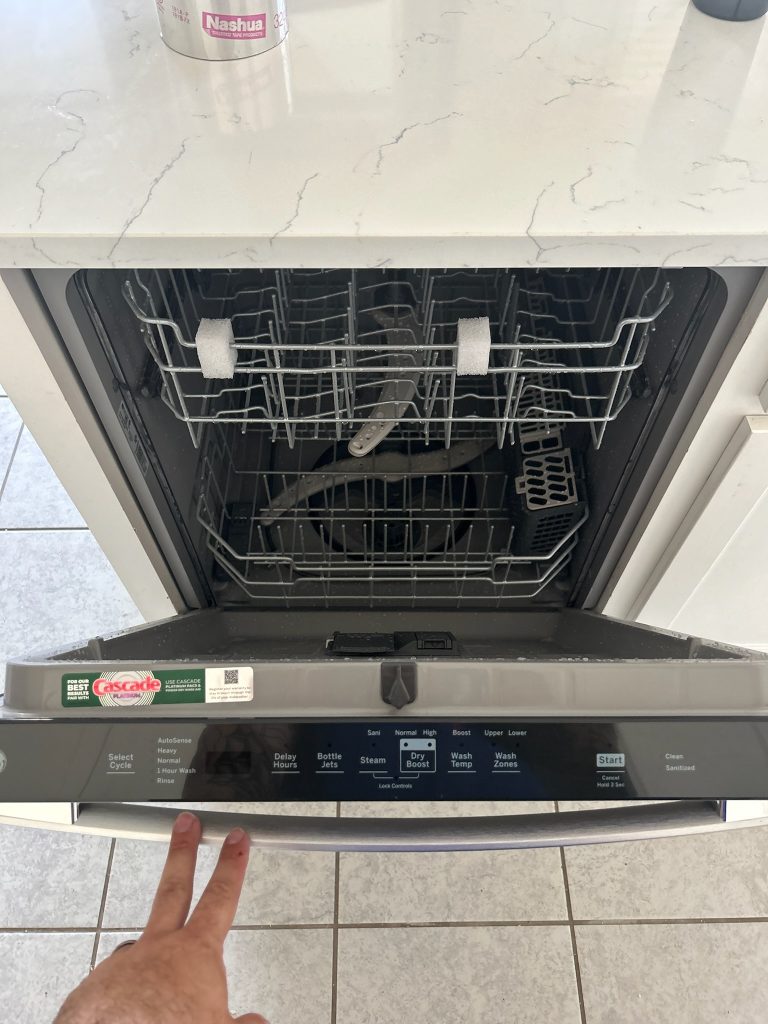
Dishwasher Not Draining Properly Signs You Need Repair
If your McKinney, TX dishwasher leaves standing water, drains slowly, or smells musty after a cycle, the fix is usually more than “just run it again.” This guide walks you through the real warning signs, what to check first, and when it is time to call for professional appliance repair services.
Your dishwasher finishes a cycle, but when you open the door, there is still water at the bottom. Maybe dishes are coming out with a gritty film, or you notice a sour odor that seems to get worse over time.
In many homes in McKinney and the surrounding neighborhoods, this is the moment people start wondering if it is a simple clog or something that will turn into bigger damage. This guide helps you understand what the common symptoms usually point to, what you can safely check, and what a professional appliance repair technician looks for during dishwasher repair services.
- Quick answer
- What to check first
- Main things customers should understand
- Why this matters in McKinney, TX
- Common mistakes to avoid
- Customer checklist
- Frequently asked questions

Quick Answer
If your dishwasher is not draining properly, start by checking the filter and drain area for food debris, then verify the drain hose is not kinked and the unit is level. If you still find standing water after a full cycle, or you see recurring odors, pooling, or poor cleaning, it is time for professional dishwasher repair services. A technician can inspect the drain pump, check for clogs deeper in the system, and confirm whether the issue is mechanical or related to the dishwasher’s components. For best results, contact Texas True Appliance Repair for a proper diagnosis rather than repeated “cleaning cycles” that do not address the root cause.
What to Check First
Before you schedule repair, take a quick look at the items most likely to cause slow draining or standing water. These checks are safe for most homeowners and can narrow down whether you have a simple blockage or a component problem.
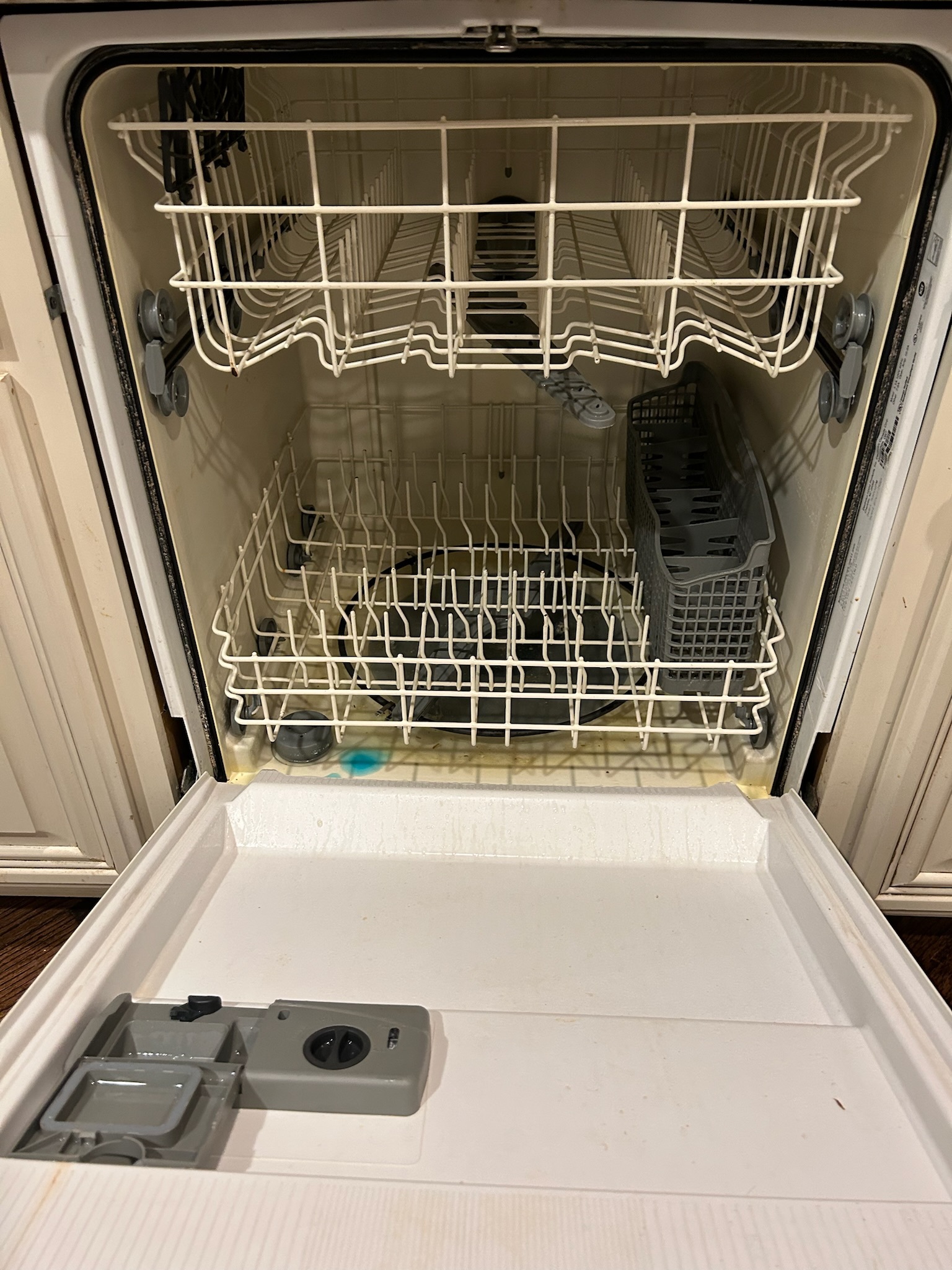
- Check the filter and drain screen: Remove the filter, rinse it, and clear any trapped food particles or grease.
- Look for standing water patterns: Note whether water sits only in the bottom center or across the entire tub.
- Inspect the spray arms: Make sure they rotate freely and are not clogged with debris.
- Verify the drain hose: Check for kinks or sharp bends under the sink (avoid forcing anything).
- Confirm proper loading: Make sure bowls are not blocking the bottom spray area and large items are not preventing drainage.
Main Things Customers Should Understand
Dishwashers rely on a coordinated drain cycle. When anything interrupts that path, you can end up with water left behind, residue on dishes, and odors that return quickly. Understanding the most common “why” helps you decide whether a basic clean is enough or whether you should schedule professional appliance repair services.
Professional observation: Standing water after the cycle is often a sign that the dishwasher’s drain path is restricted, not just a temporary problem. The more it repeats, the more likely you are dealing with a clog in a component or a failing drain pump.
| What you notice | What it can indicate | What to do next |
|---|---|---|
| Water pooled at the bottom after the wash cycle | Restricted drain path, clogged filter area, or drain pump not moving water out | Check filter and drain area first, then consider repair if it persists |
| Slow draining where the cycle seems to “finish” but water never fully clears | Partial clog or component wear that reduces flow | Schedule dishwasher repair services for a proper diagnosis |
| Musty or sour smell that returns after every cycle | Food buildup in the system or water staying too long in the tub | Clean visible debris, then get professional help if odors continue |
| Dishes still dirty with gritty residue | Debris recirculating due to poor drainage and filter restrictions | Inspect filter and spray arms, then call if performance does not improve |
Why This Matters in McKinney, TX
In McKinney, TX homes, dishwashers are often used frequently for family meals and busy weekday routines. When drainage problems start, the pattern can worsen because the dishwasher is running more often, leaving less time for residue to fully clear. In addition, if your household relies on a disposal or shares drain lines with other fixtures, a restriction can affect how well the dishwasher drains. If you are seeing standing water or recurring odors, addressing it promptly can help protect your dishwasher’s internal components and keep kitchen cleanup from becoming a daily hassle.
Residential comfort, not extra cleanup
When water stays in the tub, dishes can come out with residue. A repair focuses on restoring the drain cycle so you do not have to rewash.
Household routines get disrupted
A dishwasher that does not drain properly can leave you with damp dishes and standing water to manage after every load.
More frequent use can expose deeper issues
Simple clogs are one thing. Recurring symptoms usually point to a component that needs inspection.
Need dishwasher repair in McKinney?
If you are seeing standing water, slow draining, or repeat odors, Texas True Appliance Repair can help identify the actual cause of the issue.
(469) 596-1814Prefer to browse first? Visit our dishwasher repair services.
Common Mistakes to Avoid
Dishwasher draining problems can be frustrating, and it is common for people to try a few fixes that do not address the root cause. These mistakes can also make the issue harder to diagnose later.
Common mistakes we see:
- Running multiple cycles without clearing the filter or drain area. This can leave debris circulating and keep water from moving out properly.
- Ignoring recurring odors. A smell that comes back after every run usually means water and food residue are staying in the system.
- Overloading the dishwasher. Crowding can block spray coverage and interfere with drainage.
- Assuming the disposal is the only culprit. While shared drain lines can contribute, the dishwasher’s own drain path also needs inspection.
Customer Checklist
Use this quick checklist before you contact Texas True Appliance Repair. It helps you explain the problem clearly and can speed up troubleshooting for dishwasher repair services.
- Confirm when it happens: Does standing water appear after every cycle or only certain programs?
- Document the level of water: Is it a small puddle or enough to cover the bottom area?
- Check recent changes: Did it start after a heavy load, a disposal issue, or after you cleaned the filter?
- Note cleaning performance: Are dishes coming out with residue or food debris?
- Inspect visible parts: Filter, drain area, and spray arms are checked and cleared of debris.
- Record what you tried: Any cleaning steps, adjustments, or reruns you already did.
Representative Scenario
A homeowner in McKinney noticed their dishwasher left standing water at the bottom after weekend loads. At first, they cleaned the filter and ran the cycle again, and for a short time it seemed better. Within a week, the musty odor returned and dishes came out with a light gritty film. After checking the filter and spray arms, the issue still persisted, which pointed to a deeper drainage problem. Texas True Appliance Repair helped troubleshoot the drain cycle so the dishwasher could remove water properly and improve cleaning results.
Frequently Asked Questions
Why does my dishwasher leave water at the bottom after a cycle?
Standing water usually means the dishwasher is not fully moving water out through its drain path. Common causes include a restricted filter or drain area, debris buildup that limits flow, a kinked or obstructed drain hose, or a drain pump that cannot circulate and discharge water effectively. Start with the filter and drain screen, then check that the spray arms can rotate and that the dishwasher is loaded in a way that does not block the bottom spray area. If the problem continues after these checks, professional dishwasher repair services can pinpoint the component causing the recurring drainage issue.
Could a clogged garbage disposal or shared drain line cause dishwasher drainage problems?
Yes. If your dishwasher drains into the same plumbing path as a disposal or other sink fixtures, a restriction can impact how quickly water leaves. That said, many drainage issues still originate inside the dishwasher itself, such as debris trapped in the filter area or a drain pump problem. A practical approach is to check the dishwasher’s filter and drain area first, then consider whether the sink or disposal drains slowly at the same time. If you notice the dishwasher issue is consistent even when other drains seem fine, it is a strong sign that the dishwasher’s own drain system needs inspection.
Is it safe to keep using the dishwasher if it is draining slowly?
It is best to limit use if you are seeing recurring standing water or persistent odors. When water does not clear properly, residue and food particles can stay in the tub longer, which can lead to odors and messy cleaning results. Continuing to run cycles may also keep pushing debris through the system. If your checks do not resolve it, contact Texas True Appliance Repair for a proper diagnosis of the drain cycle. That way, you can address the cause instead of repeatedly cycling water that is not fully draining.
What should I check before calling for repair?
Start with the filter and drain screen. Rinse away any food debris and confirm the filter is seated correctly. Next, check that the spray arms rotate freely and are not clogged. Verify the drain hose is not kinked or sharply bent under the sink. Finally, look at how dishes are loaded, since blocking the bottom spray area can affect cleaning and drainage. If standing water remains after these steps, the issue likely involves a deeper blockage or a mechanical part in the dishwasher’s drain system, which is where a professional appliance repair technician can help.
Can professional repair help with dishwasher odors and residue?
Yes. Odors and residue are often linked to water staying in the tub and debris that is not clearing through the drain cycle. Professional dishwasher repair services can inspect the drain components and check for restrictions that cause water to remain after the cycle. Once the drain path works properly, the dishwasher can clean more effectively and reduce the conditions that create recurring smells. If you are experiencing repeated musty odors or gritty residue even after cleaning the filter, it is a good time to schedule service so the root cause gets addressed.
Get your dishwasher draining correctly
Texas True Appliance Repair serves McKinney, TX and nearby areas including Allen, Frisco, Plano, and Richardson. If your dishwasher is not draining properly, we can help diagnose what is actually causing the issue.
Contact Texas True Appliance RepairYou can also explore related repairs like garbage disposal repair if your kitchen drainage is connected.

Texas True Appliance Repair
Texas True Appliance Repair provides professional appliance repair services for homeowners and businesses across McKinney, TX. Whether you need dishwasher repair services or help with other major kitchen appliances, our goal is to diagnose the real cause and get your equipment working the way it should.
Learn more at Texas True Appliance Repair or browse service options like commercial repairs.
If you also need support with other kitchen appliances, Texas True Appliance Repair can help with oven and range repair and microwave repair.