
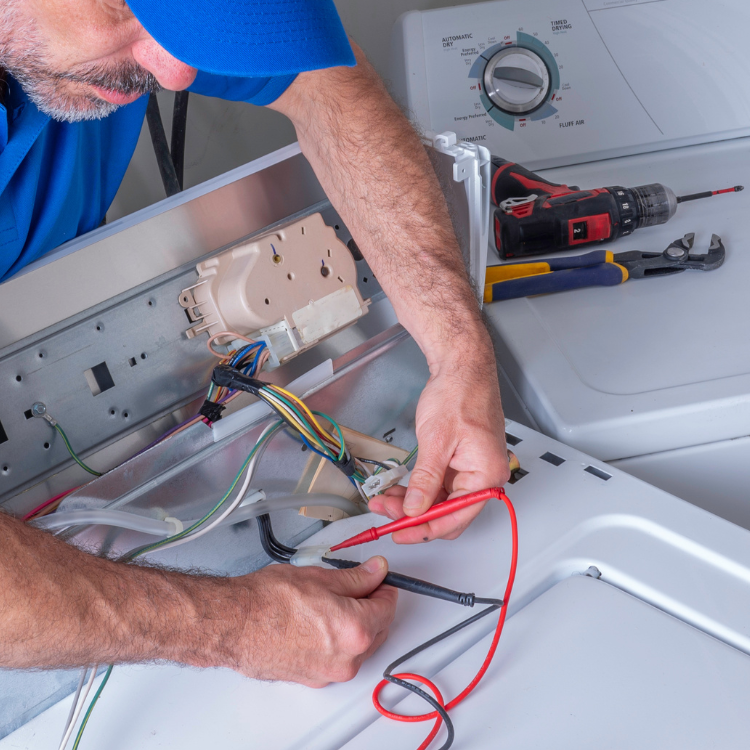
Expert Refrigerator Repair Restores Cooling Fast
Last summer in McKinney, I got a call from a homeowner who said their fridge “still sounded normal,” but the food was quietly warming. The freezer was just barely holding ice, and the fridge section was running warm enough that deli meat and leftovers weren’t safe. That’s the tricky part with refrigeration failures—most people don’t notice the temperature problem until the food is already affected.
In North Texas heat, refrigerators work harder to maintain stable temps. If cooling drops even a little, the compressor has to compensate, airflow patterns shift, and energy use climbs fast. The good news is that many cooling failures are diagnosable and repairable once you identify what’s actually causing the temperature imbalance.
Quick Answer
If your refrigerator isn’t cooling, the most common causes we check first are airflow restrictions (dirty coils/blocked vents), a failing evaporator fan, thermostat or control board issues, refrigerant leaks, and defrost system problems. A professional refrigerator repair technician will test components with real measurements—not guess—so you don’t end up replacing the wrong part.
What We Commonly See in North Texas Refrigerators
Here’s what’s typical in McKinney-area homes and nearby neighborhoods during seasonal swings:
- Heat + longer run cycles: In Texas summers, refrigerators run more often. That increased demand exposes weak components (fans, capacitors, start relays) that may have been “good enough” in milder weather.
- Dust and coil buildup: Coil fins collect dust, and in some homes (especially near construction or with pets), airflow drops quickly. When coils get insulated by dirt, the system can’t shed heat effectively.
- Defrost problems that masquerade as “not cooling”: A fridge that starts out fine and then gradually warms is often dealing with a defrost issue—ice buildup can restrict airflow and make the fridge section feel like it’s failing “from the top down.”
A realistic service scenario (anonymized)
One of the more common patterns I’ve seen: a customer reports, “Freezer is cold, fridge isn’t.” When we open the freezer panel and check, the evaporator fan was intermittently cycling. The freezer looked okay at first because cold air wasn’t reaching the fridge consistently. Once we tested the fan circuit and airflow path, the repair restored normal circulation—and the fridge temperature came back within a reasonable recovery window.
That’s why diagnostics matter. Guessing leads to swapped parts that don’t address the actual failure point.
Why Some Refrigerator Repairs Fail Early
A refrigerator repair attempt fails early for a few predictable reasons:
1. Skipping airflow checks. Many technicians (or DIY attempts) jump straight to the compressor or thermostat. But if the fan isn’t moving air or a vent is blocked, the cooling system can’t distribute cold properly.
2. Replacing parts without confirming the cause. For example, a control board may be replaced when the real issue is a weak fan motor, a failing sensor, or a wiring fault.
3. Ignoring defrost system symptoms. Frost patterns tell a story. If you don’t inspect the evaporator for ice buildup and test defrost components, you can miss the real reason temperatures drift.
Firsthand technician observation
In my day-to-day work, the evaporator fan and damper behavior are often the difference between a fridge that “barely cools” and one that cools correctly again. Customers describe it as inconsistent cooling, but the root cause is usually consistent: air isn’t being distributed the way the refrigerator’s design expects.
Mistakes That Lead to Expensive Breakdowns
Here are common mistakes homeowners and property managers make before calling for help:
- Not cleaning the condenser coils because “it still runs.” Running doesn’t mean it’s efficient or properly cooling. Dirty coils can increase compressor stress.
- Leaving the unit stocked tightly during extreme heat. Overpacking blocks airflow channels behind shelves and can prevent proper cold distribution.
- Repeatedly adjusting the thermostat without identifying the underlying issue. If the system can’t cool properly, changing settings just changes how long it runs and how hard it works.
- Refusing to check airflow vents and fan operation. If the fan isn’t moving air, the freezer can appear “fine” while the fridge section fails.
- Waiting too long when food safety is at risk. Even if you hope it “catches up,” delays can turn a repair into a cleanup and food loss situation.
Repair, Maintenance, or Troubleshooting Checklist
If you’re deciding whether to troubleshoot or wait for service, use this quick, practical checklist. It’s designed to help you describe the problem accurately when you call.
Signs your refrigerator is drifting out of normal performance
- Fridge section warms while freezer stays colder than expected
- Frost or ice buildup on interior vents
- Unusual cycling: compressor runs longer than usual or clicks repeatedly
- Strange noises from the freezer area (fan issues) or compressor area
- Water pooling or excessive condensation near vents
Step-by-step checks you can do safely
- Check airflow: With the doors closed properly, look for ice buildup around vents and confirm that vents aren’t blocked by food.
- Inspect for obvious frost patterns: Too much frost on/around the evaporator area can indicate defrost failure.
- Listen for fan operation: When cooling should be active, you should typically hear/feel air movement from the freezer area when the system is running.
- Confirm temperature readings: Use a fridge thermometer (not just the display). Compare freezer and fridge temps.
- Verify airflow clearance: Make sure the refrigerator isn’t squeezed tightly against the wall if the design requires clearance for airflow.
What we check during professional diagnostics
A professional refrigerator repair technician should typically evaluate:
- Condenser coil condition and airflow
- Evaporator fan operation and circulation path
- Defrost system function (timing, heater/thermostat, frost patterns)
- Thermistor/sensor readings and control logic
- Compressor start/run behavior and electrical components
- Refrigerant system indicators when airflow and electrical tests don’t explain the failure
Repair vs Replacement (Quick Practical Guidance)
Most refrigeration failures fall into two categories: distribution/defrost/electrical issues and sealed system issues. The repair path depends on what’s causing the cooling failure.
| Situation | Likely repair path | Why it matters |
|---|---|---|
| Freezer cold, fridge warm | Fan/damper/airflow or control issue | Often repairable without major system work |
| Both sections warm | Compressor/control/defrost or sealed system | More diagnostics needed before deciding |
| Repeated warm-up after short cooling cycle | Defrost or sensor/control logic | Replacing only one part can cause repeat failures |
| Low cooling with abnormal frost or compressor behavior | Sealed system possibility | May require repair cost assessment vs replacement |
Recommendation: If the refrigerator is relatively recent and the diagnosis points to fans, defrost components, sensors, or electrical parts, repair is usually the smarter move. If it’s an older unit with a sealed-system issue, we’ll help you compare the real costs and energy impact rather than forcing a guess.
McKinney or North Texas Relevance: Why It Happens Here
North Texas summers push refrigeration systems beyond what they see most of the year. A few local realities make refrigerator failures more noticeable—and more expensive if delayed:
- Longer run times stress aging components. Start relays, capacitors, and fans don’t fail all at once; heat accelerates weak points.
- Power fluctuations and cycling behavior. When power isn’t perfectly stable, systems can behave differently—sometimes making fans or controls act erratically.
- Homes with heavy summer use. More opened doors, more fridge traffic, and higher ambient temps can reveal airflow problems sooner than in other regions.
In practice, this means the “my fridge is taking longer to cool” complaints often show up right after a hot stretch. Early intervention usually saves food and prevents the compressor from working too hard for too long.
Our Experience Repairing Appliances in Texas Homes and Businesses
Texas True Appliance Repair focuses on accurate, measurement-based diagnostics—not trial-and-error part swapping. That matters because refrigeration problems often look similar on the surface but have very different causes underneath.
If you’re dealing with multiple appliances in one household (or if you manage a property with shared units), we can also help with other appliance repairs while you’re already scheduling service. For example, if your kitchen is running hot and busy, it’s common for owners to discover additional issues at the same time.
You can browse our broader services here:
- refrigerator repair support
- washer repair support
- dishwasher troubleshooting assistance
- oven repair services
Same-Day Help for Time-Sensitive Cooling Problems
When a refrigerator failure affects food safety, timing isn’t just convenience—it’s risk management. If you’re seeing temperature drift or inconsistent cooling, scheduling same day appliance diagnostics is often the fastest route to a correct repair plan.
When this is especially urgent
- Food is warming quickly (especially dairy and deli items)
- You’re in the middle of hosting or meal prep
- You manage a rental property with tenant turnover
- You run a business with prep fridges that can’t go down
If your refrigerator issue is tied to a broader commercial setup, we also handle commercial refrigeration needs through our appliance repair services and commercial support options, including commercial kitchen repair solutions.
FAQ
How do I know if my refrigerator is worth repairing?
If the cooling issue is tied to fans, defrost components, sensors, or electrical parts, repair is usually worth it—especially if the unit is otherwise maintained. What matters most is the diagnosis: if airflow and control tests point to replaceable components, repair tends to restore performance reliably. If the diagnosis suggests a sealed-system refrigerant leak, we’ll help you weigh the repair cost against replacement using the refrigerator’s age, expected lifespan, and how efficiently it would cool after repair.
My freezer is cold but the fridge isn’t—what’s the most likely cause?
That pattern most often points to an airflow problem. Common causes include a failing evaporator fan, a blocked or iced-over vent, a stuck damper, or a control/thermostat issue affecting how cold air is distributed. The compressor can still be working, but without proper air circulation, the fridge section warms even while the freezer looks “mostly okay.”
What should I do right away if the fridge starts warming?
First, stop loading it and keep the door closed as much as possible. If food safety is a concern, prioritize items that spoil quickly. Then confirm actual temperatures with a thermometer so you can accurately describe what’s happening. If you see heavy frost where it shouldn’t be or the fan doesn’t seem to run, that’s a strong sign you need service rather than repeated thermostat adjustments.
Why does my refrigerator keep cycling on and off?
Short cycling can happen when the unit can’t maintain stable temperatures due to airflow restrictions, defrost problems, or sensor/control issues. In some cases, electrical components related to starting or regulating cooling can contribute. A technician should verify fan operation, frost patterns, and sensor readings before concluding what part is failing.
Ready to Restore Your Appliances or Commercial Equipment?
If your refrigerator is struggling to cool—especially after a hot week—don’t wait for the unit to “eventually fix itself.” Fast, accurate diagnostics reduce food loss, prevent compressor overwork, and help you choose the right repair path.
About Texas True Appliance Repair
Texas True Appliance Repair provides residential appliance repair, commercial kitchen equipment repair, refrigerator diagnostics, dishwasher repair, oven repair, and emergency appliance services throughout McKinney, TX and surrounding North Texas communities. The company focuses on accurate diagnostics, reliable repairs, fast response times, and helping homeowners and businesses reduce costly appliance downtime through professional service and preventative maintenance.