
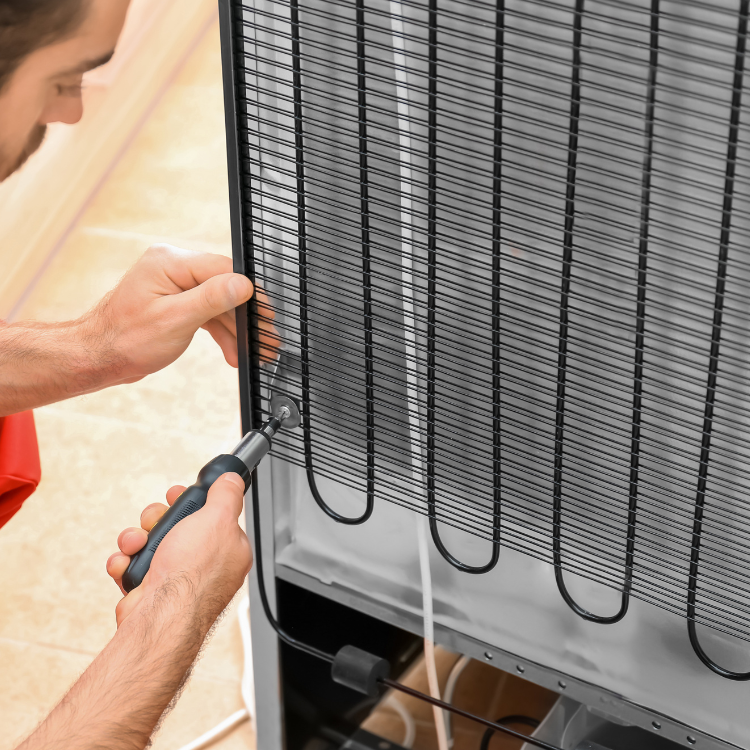
Professional Dishwasher Repair for Spotless Clean Cycles
A few days after a big family weekend in McKinney, you finally run the dishwasher—only to find the same problem you swore was “probably just a one-time thing.” The dishes come out cloudy. Some glasses still feel gritty. And the worst part? The cycle finishes with a faint sour smell, like the machine is trapping old food instead of washing it out.
That’s usually not a “dirty dishes” issue. It’s a repair-and-diagnostics issue. Dishwashers depend on a tight system: the right water temperature, correct spray pressure, unobstructed drainage, and clean filtration. When even one part slips out of spec—often from hard water buildup, worn spray arms, or a failing pump—the whole cycle can turn into a lukewarm rinse that never truly cleans.
Quick Answer
If your dishwasher leaves residue, smells, drains poorly, or stops mid-cycle, it typically needs professional diagnosis—not guesswork. Common causes include clogged filters, restricted spray arm movement, failing wash pumps, worn door seals affecting water circulation, or drainage problems that cause dirty water to recirculate. A technician will check water fill, heating performance, filter condition, spray pattern, pump operation, and drain function to restore spotless clean cycles.
What We Commonly See in North Texas Dishwashers
Dishwashers in North Texas take a beating in ways people don’t always notice—especially with frequent use and hard water.
The most frequent “spotless cycle” disruptors
From what we see on service calls around the region:
- Hard water scale on the heating element or inside wash paths can reduce water temperature and spray efficiency.
- Clogged or mis-seated filters lead to poor recirculation—dishes wash in dirty water.
- Spray arm blockage (food particles, mineral buildup) creates uneven spray coverage.
- Drain issues cause partial draining, so the unit reintroduces dirty water during the wash.
- Weak circulation from a failing pump may still “run,” but it won’t move enough water through the system to clean properly.
A real-world service case (anonymized)
We recently handled a kitchen where the dishwasher ran multiple times a day during a busy workweek. The homeowner said it “used to clean fine” and then started leaving a film on plates and a sandy residue on glassware. When we pulled the lower filter and checked the sump area, we found fine food debris mixed with heavy mineral scale. The spray arm rotation also felt restricted. After a proper clean-up and confirming pump circulation, the dishwasher returned to normal wash performance—without replacing major components.
That’s a key point: residue problems are often caused by restricted flow, not just “needing better detergent.”
Signs Your Dishwasher Needs Repair
Here are the symptoms that usually mean you’re past simple cleaning and into diagnosis:
- Cloudy film on glassware or a greasy haze on dishes
- Food particles still stuck after the cycle (especially near the filter area)
- Standing water at the bottom after the cycle ends
- Slow draining or gurgling sounds
- Cycle stops mid-way (sometimes with water still present)
- Strong odor that returns quickly after cleaning
- Leaking near the door, corners, or underneath the unit
- Detergent not dissolving or tablets left intact
If you’re seeing any of these, the goal isn’t just to “get it running.” The goal is to restore proper wash circulation so the machine can clean consistently.
Why Some Repairs Fail Early
A lot of dishwasher issues look similar from the outside, which is why parts changes can go wrong. One technician might swap a pump because the dishwasher isn’t draining well—when the real problem is a restricted drain hose or a clogged air gap. Another might focus on detergent usage when the unit’s water isn’t heating correctly.
Firsthand technician observation
In many “poor cleaning” calls, the wash pump isn’t fully dead—it’s just operating at reduced efficiency due to debris in the sump, mineral buildup, or a failing circulation component. If someone replaces a part without checking the filter/spray pattern and drain path, the new part can still struggle against the same restriction.
That’s why we start with a system check: filter condition, spray arm movement, water fill, circulation sound/flow, and drainage performance.
Common Mistakes That Lead to Expensive Breakdowns
What Homeowners Often Overlook
A dishwasher can seem forgiving, but it’s sensitive to how it’s loaded and maintained.
Common mistake #1: Skipping filter cleaning
Many filters are designed to be cleaned periodically, and if they’re left to build up, you get residue, odors, and drain problems. A clogged filter can also force the pump to work harder, shortening its lifespan.
Common mistake #2: Overloading or blocking spray arms
If plates or pans block the spray arms, the dishwasher can’t deliver consistent water coverage. You’ll get “clean on one side, dirty on the other” results.
Common mistake #3: Using the wrong cycle for heavy soil
Running a quick cycle for heavily soiled cookware may not allow enough time for proper wash circulation and heating.
Common mistake #4: Assuming it’s only detergent
Detergent can mask symptoms, but it can’t correct poor water circulation, blocked spray jets, or a heating issue.
Common mistake #5: Ignoring leaks early
A small leak around the door seal can turn into water damage under flooring or to nearby cabinetry. Leaks also create corrosive conditions that can affect electrical components.
Repair, Maintenance, or Troubleshooting Checklist
Before calling for service, you can do a few safe checks that often narrow down the cause. If anything looks beyond basic maintenance, stop and let a technician handle it.
Dishwasher troubleshooting checklist
- Check the filter
Remove it (if your model allows) and rinse out fine debris. Make sure it seats correctly.
- Inspect the spray arms
Confirm they rotate freely by hand. Look for blocked jets and mineral buildup.
- Look for standing water
If water remains at the bottom after the cycle, pay attention to drainage function and hoses.
- Verify detergent action
If detergent tablets don’t dissolve, check whether the unit is filling correctly and whether the cycle provides adequate wash time.
- Check for abnormal noises
Grinding or persistent rattling often points to debris in the sump or a circulation issue.
- Confirm no repeated error codes
If your dishwasher displays a code, note it—diagnosis is faster when we know what the unit is reporting.
- Assess the door seal
Worn or misaligned seals can reduce cleaning performance and contribute to leaks.
What we recommend as a repair approach
When customers call Texas True Appliance Repair, we typically proceed with:
1. Wash performance inspection (spray coverage, circulation, wash temperature indicators where applicable)
2. Drain system check (sump condition, hoses, and whether dirty water is being cleared properly)
3. Component testing (pump operation, heating-related function, and motor/circulation behavior)
4. Targeted repair or parts replacement only after diagnosing the real restriction or failure point
If you’re looking for help beyond troubleshooting—this is where professional diagnosis matters most. For more specific service options, you can explore our dishwasher repair services or find a local appliance repair company that can schedule the right technician for the job.
Repair vs Replacement: When a Dishwasher Makes Sense to Fix
Dishwashers are usually worth repairing when:
- Repairs target a specific failure (pump, drain function, spray arm issues, seal replacement)
- The unit is otherwise in good condition (no major corrosion or widespread water damage)
- The issue is consistent and traceable during diagnostics
Replacement becomes more reasonable when:
- Multiple major systems fail at once (pump + heating + control board, for example)
- There’s significant corrosion or recurring leaks that indicate deeper damage
- The dishwasher is very old and has repeated component failures
We’ll help you compare options based on what we find in testing, not just on guesswork.
McKinney and North Texas Seasonal Strain (Why It Gets Worse in Certain Months)
North Texas summers increase household water usage and heat exposure, and that affects dishwashers in two ways:
1. Higher demand during busy seasons means more cycles per day—wear accelerates.
2. Hard water mineral buildup becomes more noticeable when the dishwasher is expected to heat and circulate efficiently under heavy use.
A dishwasher that already has partial spray blockage can appear “fine” until the household workload rises. Then you suddenly see residue, poor cleaning, and drainage sluggishness.
And if you’re also dealing with other kitchen appliances, it’s common for homeowners to call after multiple breakdowns hit around the same time—especially when the household is running more laundry, cooking more, and using the kitchen more heavily. If your kitchen appliances are acting up too, you may also need commercial kitchen equipment repair guidance for shared equipment environments.
When Restaurants Need Faster Dishwasher Downtime Solutions
For commercial kitchens, a dishwasher problem isn’t just inconvenient—it’s revenue risk. If you run a high-volume operation, dirty dish buildup can force service slowdowns or increased labor.
We support commercial equipment needs through careful diagnostics that prioritize uptime. If your operation relies on consistent cleaning cycles, you may be dealing with pump pressure issues, drainage restrictions, or heating inconsistencies—all of which can be addressed with commercial appliance repair services designed for heavy-use environments.
Emergency-style service case (anonymized)
In one North Texas service scenario, a restaurant reported that the dishwasher was “cycling but not cleaning.” Their team was increasing manual rinsing, but service was getting behind. Diagnostics showed restricted circulation due to debris and mineral buildup in the sump area, along with a drain performance issue that left dirty water in the unit. After restoring proper flow and correcting the drainage restriction, the operation returned to consistent cleaning without replacing the unit.
That kind of outcome matters: in commercial settings, the cost of downtime often exceeds the cost of proper repair.
Key Takeaway
Spotty cleaning and residue usually point to circulation and flow problems—filters, spray arms, drain performance, and pump operation. If you’re seeing repeated residue, odor, or standing water, a professional diagnosis is the fastest path to consistent, spotless clean cycles.
FAQ
Why does my dishwasher leave a film on glasses even after cleaning the filter?
A film on glassware is often caused by a combination of hard water mineral residue and reduced wash temperature or poor rinse performance. If spray coverage is blocked or the circulation pump isn’t moving enough water, glasses can come out coated even with a clean filter. We typically check spray arm jets, confirm circulation performance, and evaluate whether the unit is draining/rinsing properly.
My dishwasher drains slowly—does that mean I need a new pump?
Not always. Slow draining can be caused by a restricted drain hose, clogged sump area, or debris in the drain path. A pump may still “work,” but if the drain can’t clear water efficiently, it can look like a pump problem. Diagnostics determine whether the restriction is upstream of the pump or inside the pump/circulation system.
What’s the best way to prevent dishwasher odors?
Odors usually come from food residue trapped in the filter/sump area or from water that doesn’t fully drain. Clean the filter regularly, check spray arms for blockages, and make sure the unit drains completely at the end of cycles. If the smell returns quickly, it’s often a sign of drainage or circulation issues that need repair.
Is it worth repairing a dishwasher that’s leaking?
Often yes—especially if the leak is coming from a door seal, sump area, or a specific component failure. But if water damage has spread into surrounding cabinetry, flooring, or electrical connections, the repair may need to address more than just the leak source. A technician can assess what’s safe and cost-effective for your setup.
Ready to Restore Your Appliances or Commercial Equipment?
If your dishwasher isn’t producing spotless clean cycles, the next step is a real diagnostic—not repeated trial-and-error cycles. Texas True Appliance Repair can identify the root cause and recommend the most reliable repair or maintenance path for your dishwasher or other kitchen equipment.
About Texas True Appliance Repair
Texas True Appliance Repair provides residential appliance repair, commercial kitchen equipment repair, refrigerator diagnostics, dishwasher repair, oven repair, and emergency appliance services throughout McKinney, TX and surrounding North Texas communities. The company focuses on accurate diagnostics, reliable repairs, fast response times, and helping homeowners and businesses reduce costly appliance downtime through professional service and preventative maintenance.