
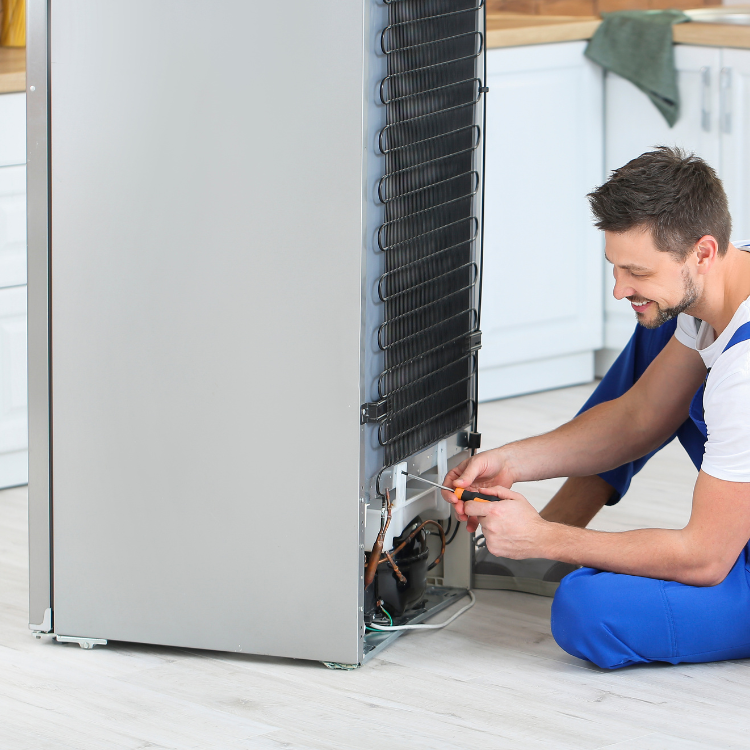
Premium Refrigerator Repair for Ice Maker Issues
Last summer, a McKinney family called because their refrigerator was “working,” but the ice maker was not. The freezer fan sounded normal, the fridge kept temperatures steady, and yet the ice bucket stayed empty. A few days later, they noticed something worse: the ice tray was frosting over and the unit began cycling longer than usual—exactly the kind of slow failure that turns into a bigger repair if you keep waiting.
Ice maker problems are frustrating because they don’t always look like a “refrigerator problem” at first. But in practice, ice makers are tightly connected to freezer temperature, water flow, and—on many models—the control board and harvest cycle. When one piece is off, the whole system can start acting unpredictable.
Below is how ice maker failures typically happen, what to check before you spend money on parts, and when it makes sense to repair rather than replace. If you’re dealing with this right now, you’re in the right place.
Quick Answer
Most ice maker issues fall into a few buckets: no water getting to the ice maker, freezer not cold enough to complete the harvest cycle, a frozen water line, a failing ice maker module, or a clogged filter/solenoid problem (especially after sediment builds up). A professional diagnosis usually starts with freezer temperature verification, checking water supply and line freeze points, then testing the harvest cycle components.
In many cases, we can restore ice production by correcting airflow/temperature problems, clearing water restrictions, or replacing the specific failed part—rather than replacing the whole refrigerator.
Common Ice Maker Failures We See (and What They Usually Mean)
1) Ice maker won’t fill (bucket stays empty)
This usually points to water delivery problems:
- Water line partially frozen
- Water inlet valve not opening
- Water filter clogged (common in homes with older filters)
- Sediment or restriction causing weak flow
Technician observation: When we pull the kickplate and access the water path, we often find either a pinched/aged line or a line section that’s cold enough to freeze but not cold enough to be obvious. The ice maker “tries,” but harvest never completes because the water never gets the chance to freeze properly.
2) Ice maker fills but doesn’t release ice (frosty tray, cubes stuck)
That’s typically a harvest cycle issue:
- Ice maker thermostat or thermistor not reading correctly
- Incorrect freezer temperature causing inconsistent freezing
- Ice maker module failing to cycle heater/gear mechanism
On many models, the unit will attempt repeated cycles—leading to frost buildup and longer run times.
3) Ice production is inconsistent (some days yes, then nothing)
Intermittent failure often traces back to:
- Flaky control board output
- Temperature swings from a blocked vent or failing fan
- Water pressure dropping intermittently (softened by a filter restriction)
4) Cubes are small, cloudy, or “watery”
This often indicates:
- Partial restriction (clogged filter, restricted valve, or sediment)
- Water not reaching the correct flow rate
- Freezer temperature drifting upward
5) Water leaks behind the refrigerator or under the drawers
Leaks can come from:
- A split water line
- A valve seal failing
- Overflow due to a stuck fill mechanism
This is one of those scenarios where delaying repairs can lead to water damage and moldy odors—especially if water collects in crevices behind the fridge.
Why Ice Makers Fail Early in North Texas Homes
North Texas brings its own mix of stressors: heat swings, seasonal humidity changes, and homes that run HVAC hard in summer. Even when the refrigerator seems “fine,” ice makers can be the first to show problems because they rely on very specific temperatures and flow rates.
In McKinney and surrounding areas, we also see more households using water filtration systems that aren’t changed on schedule. When a filter gets restricted, ice makers often compensate until they can’t. That’s when production becomes inconsistent and harvest cycles fail.
If you’ve got a new filter installed and the problem still persists, don’t assume it’s “a bad filter.” The restriction could be further upstream (valve, line, or connector) or the freezer temperature could be drifting.
What Homeowners Often Overlook
Common mistake: troubleshooting without checking freezer temperature
A lot of people focus only on the ice maker itself—resetting it, tapping the module, or ordering parts—while the freezer is actually running warm.
Freezer temp matters because ice makers are designed to freeze water during a specific cycle window. If the freezer is off by even a few degrees (or if airflow is restricted), the ice may not release cleanly, and you’ll get frost patterns that look like “ice maker failure” even when the root cause is airflow or sensor accuracy.
Here’s what we typically check first:
- Freezer temperature reading (not just the display)
- Airflow obstructions (food blocking vents, ice build-up, or failed fan)
- Water line freeze points after temperature swings
Repair, Maintenance, or Troubleshooting: What to Do Next
Before calling for service, you can do a few safe, practical checks that help narrow the problem. If anything below looks unsafe or requires moving plumbing connections, stop and let a technician handle it.
Ice Maker Quick Troubleshooting Checklist
Use this in order—most efficient diagnostics start with the easiest checks:
1. Verify freezer temperature
- Confirm it’s cold enough for ice production (many units target around 0°F in the freezer).
- If your freezer seems warmer than usual, ice maker issues may be secondary.
2. Check for airflow restrictions
- Make sure food isn’t blocking the freezer vents.
- Inspect for unusual ice build-up around vents or fans.
3. Inspect the water line area (carefully)
- Look for kinks, pinched tubing, or signs of moisture.
- If you suspect a freeze point, don’t force tools into tubing—water systems are easy to damage.
4. Confirm water supply and filter condition
- If you have a water filter, check whether it’s due for replacement.
- Weak flow can cause incomplete freezing and a stuck harvest cycle.
5. Observe the ice maker cycle
- Does it try to fill but never releases?
- Does it fill but stop early?
- Does it make small cubes or very slow production?
6. Reset the ice maker only if needed
- Use the manufacturer’s reset steps.
- If the issue returns quickly, resetting won’t fix the underlying cause.
What a Professional Repair Typically Includes
A correct diagnosis usually includes:
- Testing the ice maker module and harvest cycle components
- Verifying water inlet valve operation and water flow rate
- Checking freezer fan function and airflow paths
- Inspecting the water line for freeze points and proper routing
- Confirming control board signals (when applicable)
Repair vs Replacement (for ice maker problems)
Most ice maker issues are repairable. Replacement becomes more likely when:
- Multiple components have failed (module + control + airflow)
- The refrigerator has broader cooling issues
- The unit is older and repeatedly failing across systems
- Repair costs are approaching replacement with no clear single root cause
In our experience, the best next step is diagnosing the root cause first—then deciding based on parts, labor, and how the rest of the refrigerator is performing.
A Realistic Service Case (Anonymized)
A homeowner reported that their freezer was “still cold,” but the ice maker produced a few cubes and then stopped. The refrigerator displayed normal settings, and the water dispenser worked occasionally.
When we tested the system, the freezer temperature was fluctuating—cooling looked normal at a glance, but airflow was restricted by a partially blocked vent and minor ice build-up. The ice maker filled briefly, but cubes weren’t freezing consistently, causing the harvest cycle to stall. We cleared the airflow restriction, checked fan operation, and corrected the temperature stability issue. After the freezer stabilized, ice production returned to normal without replacing the entire ice maker module.
This is a common theme: ice maker symptoms can point to the ice maker, but the real cause is often upstream—airflow, temperature stability, or water flow.
Comparison: When Repair Usually Wins vs When It Might Not
| Situation | Typical Outcome | Why |
|---|---|---|
| No ice + weak or no water | Repair (valve/line/filter) | Restoring water flow often fixes it quickly |
| Ice stuck + frost buildup | Repair (harvest cycle components) | Harvest heater/thermistor/module is usually the issue |
| Intermittent production + freezer temp swings | Repair (airflow/fan/sensor) | Temperature stability is the root cause |
| Ice maker fine but water leaking behind/under fridge | Repair (line/valve seal) | Prevents water damage and repeat failures |
| Cooling system already struggling | May consider replacement | Ice maker repairs won’t help if the fridge can’t hold temps |
What Actually Extends Ice Maker and Refrigerator Lifespan
Ice makers last longer when the refrigerator runs consistently and water flow stays clean. The biggest lifespan drivers we see in real homes are:
- Water filter maintenance (change on schedule)
- Stable freezer airflow (don’t block vents)
- Avoid repeated “reset loops” when symptoms persist
- Keep the area around the refrigerator clear so the condenser and airflow aren’t restricted
- Address leaks quickly (standing water can damage components behind panels)
If you want to explore more refrigerator repair support, Texas True Appliance Repair offers dedicated refrigerator repair support for ice maker, cooling, and freezer temperature issues.
McKinney / North Texas Relevance: Why Timing Matters Here
North Texas heat and humidity can push refrigerators to work harder than people expect. Even a short period of temperature instability can cause ice maker cycles to fail and increase frost buildup. That leads to longer run times, more energy use, and—eventually—component wear.
We also see increased demand during seasonal transitions when people start running more through the fridge and freezer (family gatherings, holidays, and meal prep routines). That’s when small problems become noticeable: weak ice production, slow water flow, or uneven freezing.
If your ice maker is acting up, getting diagnostics sooner usually prevents:
- repeated failed harvest cycles
- escalating frost and blockages
- water line issues from freezing and refreezing
If You Run a Restaurant: Commercial Ice Maker Downtime Costs More Than You Think
For businesses, ice is revenue. When a commercial unit stops producing, you’re not just losing convenience—you’re losing product consistency and potentially risking service delays.
If you’re dealing with commercial equipment issues, you may want to review our commercial kitchen repair solutions so the diagnosis covers the whole system: water supply, refrigeration stability, and component performance under heavy daily use.
For restaurants and other food service operations, we also support emergency commercial appliance repair when downtime can’t wait.
Questions Property Managers and Homeowners Ask
How do I know if my refrigerator ice maker is worth repairing?
If the refrigerator is holding stable freezer temperatures and the issue is isolated (no water fill, stuck harvest, or inconsistent cubes), repair is usually the smarter route. Replacement becomes more likely when cooling performance is unstable or multiple systems are failing together. A technician can pinpoint the root cause and quote the repair based on parts and diagnostics rather than guessing.
Why does my ice maker make small or cloudy cubes?
Small or cloudy cubes often come from restricted water flow or inconsistent freezing. A clogged or overdue water filter, a weak inlet valve, or a freezer temperature swing can all cause this. Checking water flow and freezer stability usually reveals the cause.
Can a frozen water line cause ice maker problems?
Yes. A partially frozen water line can allow intermittent filling, leading to inconsistent ice production or stuck harvest cycles. If you suspect freezing, it’s best to have the water path inspected rather than forcing water through.
What’s the most common reason ice makers stop producing entirely?
In many cases, it’s either water delivery (filter/valve/line) or freezer temperature stability (airflow restriction, fan issue, or sensor/thermostat problems). The ice maker module may fail too, but it’s rarely the only factor.
Ready to Restore Your Appliances or Commercial Equipment?
If your ice maker is stuck, frosting up, or producing weak ice, don’t keep resetting it and hoping it improves. Fast diagnostics protect both food safety and your budget—because the “ice maker problem” is often really a water flow or freezer performance issue.
About Texas True Appliance Repair
Texas True Appliance Repair provides residential appliance repair, commercial kitchen equipment repair, refrigerator diagnostics, dishwasher repair, oven repair, and emergency appliance services throughout McKinney, TX and surrounding North Texas communities. The company focuses on accurate diagnostics, reliable repairs, fast response times, and helping homeowners and businesses reduce costly appliance downtime through professional service and preventative maintenance.