
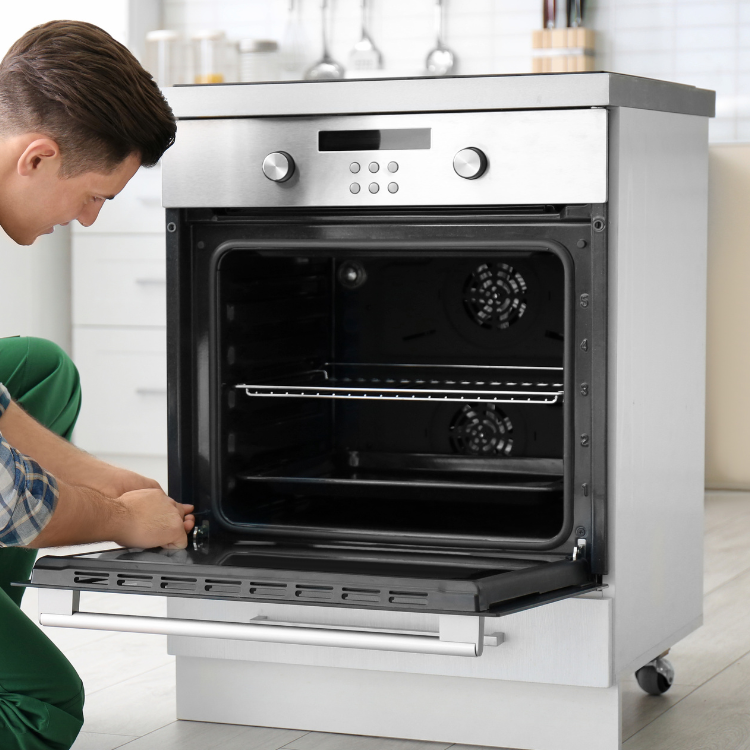
Smart Solutions for Appliance Repair in Busy Kitchens
It usually starts the same way in North Texas kitchens—everything is running fine right up until it doesn’t. A restaurant prep team hits start on the dishwasher expecting the usual cycle, but the unit won’t drain. Or a home cook preheats the oven before a holiday meal, and the temperature swings enough to ruin timing. In McKinney, those breakdowns don’t just interrupt dinner plans or lunch service; they disrupt schedules, waste ingredients, and cost money fast.
In our shop, we see the same pattern: appliances and commercial kitchen equipment fail during the busiest stretch of use—when the kitchen can least afford downtime. The “smart” solution isn’t simply replacing parts or rushing a guess. It’s diagnosing quickly, repairing with the right approach, and preventing the same failure from coming back.
Quick Answer
If you’re dealing with a malfunctioning oven, dishwasher, refrigerator, or other kitchen equipment, the most reliable path is professional appliance repair services with accurate diagnostics—not trial-and-error. Many “major” issues are caused by airflow blockages, clogged filters, drainage problems, calibration drift, or failing components that show early warning signs. For urgent needs, same day appliance repair and prompt service can prevent secondary damage (like water intrusion, food spoilage, or overheating).
Dishwasher Repair Services: What Busy Kitchens Actually Need
Dishwashers in homes and commercial spaces are deceptively hard-working machines. They combine heat, water circulation, detergent chemistry, and drainage—all while handling heavy loads. When something goes wrong, it’s rarely just one thing.
A realistic failure scenario we commonly see
A common call comes from a family in McKinney: the dishwasher runs, the dishes come out cloudy, and there’s standing water at the bottom. Sometimes it starts as “just residue,” then escalates to leaking or smells. When we inspect it, we often find a mix of:
- a partially clogged drain line or filter assembly
- a weak circulation issue that prevents proper wash action
- buildup from hard water that interferes with heating and spray performance
In one anonymized case, a homeowner tried switching detergents and increased rinse aid—no change. The real issue was a restricted drain path plus a circulation problem that caused poor cleaning and slow draining. Once the drain restriction was cleared and the circulation component was addressed, the dishwasher returned to consistent wash performance.
Firsthand technician observation: the “hidden” causes
In the field, one of the most overlooked causes of repeat dishwasher problems is restricted flow—not necessarily total failure. When the drain or sump area has buildup, the unit may still run through cycles, but it won’t wash or drain correctly. That’s why residue and pooling water often show up together.
If you’re looking for a focused deep-dive, you can explore dishwasher repair services for common symptoms and repair pathways.
When you need professional help
Call for repair sooner if you notice:
- water left in the tub after the cycle
- unusual noises during drain
- leaking around the door or underside
- persistent cloudiness or detergent not dissolving
Common Mistakes That Lead to Expensive Breakdowns
Kitchen appliances break in predictable ways—often because of predictable habits. Here are the mistakes we see most frequently:
1) Ignoring early warning signs
Cloudy dishes, weak cooling, or slow heating are often dismissed as “that’s how it is now.” But those symptoms usually indicate a specific system problem—like clogged filters, failing thermostats, or deteriorating seals. Delaying repair can turn a fix into a replacement.
2) Using the wrong cleaning products or loading patterns
Dishwashers can’t compensate for poor loading. Overpacking blocks spray arms. Using too much detergent can create excessive suds that interfere with draining. In homes with hard water, scale buildup is real—and it won’t disappear with “stronger” detergent alone.
3) Trying DIY calibration or electrical work
Ovens and ranges are especially sensitive. Adjusting temperature without proper testing (and without knowing whether the issue is the sensor, control board, or heating element) can worsen performance or create safety risks.
4) Letting commercial downtime stretch longer than necessary
Commercial teams sometimes wait for “a slower day” to schedule repairs. The problem is that equipment failures compound: a refrigerator that can’t hold temperature can lead to spoilage, and a dishwasher that won’t drain can lead to sanitation issues and wasted labor.
If you operate a restaurant or manage a high-usage kitchen, you’ll get better results from a service plan designed for reliability and minimal interruptions—see commercial kitchen equipment repair for the way we approach downtime and diagnostics.
Repair, Maintenance, and Troubleshooting Checklist
Here’s a practical, technician-style checklist you can use while you decide whether repair is needed. This isn’t a replacement for professional testing, but it helps you communicate the right details and avoid doing harm.
Quick troubleshooting checklist (dishwasher, oven, fridge)
1) Note the pattern
- Does the issue happen every cycle or only sometimes?
- Is the problem worse at the end of a run (drain/heating) or during initial use (fill/wash)?
2) Check for visible restrictions
- dishwasher: clogged filter area, debris in the drain region
- refrigerator: blocked vents inside or behind the unit
- oven/range: soot buildup around burners or heating surfaces
3) Verify basic operation
- dishwasher: does it fill and circulate water?
- refrigerator: does the compressor run, and does the unit cool consistently?
- oven: does it preheat to the set temperature and then hold?
4) Look for secondary damage
- leaks under appliances
- water stains on floors/cabinets
- recurring burning smell or tripping breakers
5) Don’t reset endlessly
Resetting after every error can delay diagnosis. If your appliance reports error codes, document them—take a quick photo if possible.
What to do next
- If you’re seeing standing water, poor cleaning, or leaks, prioritize repair planning quickly.
- If the oven heats unevenly or won’t maintain temperature, request diagnostics before cooking performance problems turn into safety concerns.
For homeowners specifically dealing with temperature issues, you may want to review oven repair services to match symptoms to the most common repair causes.
Refrigerator and Cooling Problems: The Summer Strain Factor
Refrigeration issues are a special case in North Texas, especially as temperatures rise and kitchens rely on consistent cooling for food safety. When a fridge fails during peak demand, the cost isn’t just the repair—it’s the risk of spoilage.
Signs your refrigerator needs repair
- warm spots in the fridge or freezer
- longer run times or cycling that seems “off”
- ice buildup problems in the freezer
- unusual noises from the compressor area
- refrigerator door seals that don’t hold tight
If you’ve ever searched for “fridge repair near me,” you already know how urgent this feels when food starts to warm. For dependable troubleshooting, start with refrigerator repair services and focus on diagnosing the cooling system correctly rather than replacing random parts.
Why repairs fail early (and how to avoid it)
The most common reason refrigerator repairs don’t hold is incomplete diagnosis. For example, a technician might address cooling performance without checking airflow restrictions, damper operation, or condenser function. Inconsistent cooling can look like a “bad compressor,” but sometimes the root cause is a blocked airflow path or a control issue that triggers improper temperature regulation.
McKinney and North Texas Relevance: Why Timing Matters
In McKinney, kitchens run hard year-round, but certain seasons increase the likelihood of problems:
- Hot weather drives higher compressor demand and exposes weak cooling components.
- Power fluctuations and heavy evening usage can stress electronics in ovens, dishwashers, and refrigeration controls.
- Hard water contributes to scale buildup in dishwashers and parts of the plumbing/drain system.
- Busy household schedules and restaurant rushes increase wear on hinges, seals, drain pumps, and heating elements.
That’s why fast diagnostics matter. When you’re repairing kitchen equipment, the goal is to restore safe operation—not just “get it working again for a week.”
Ready-to-Use Guidance for Commercial Kitchen Managers
If you manage a restaurant, cafeteria, or catering operation, you need reliability more than “someday service.” Commercial failures also tend to escalate quickly.
A common commercial case (anonymized)
A restaurant called after their dishwasher kept stopping mid-cycle and leaving dishes insufficiently cleaned. Instead of continuing with re-runs, they paused service and requested diagnostics. The repair identified a drainage restriction and a circulation performance issue that caused the unit to behave inconsistently under heavier loads. Once the drain path was cleared and the relevant component was repaired, the dishwasher returned to consistent cycles—reducing the need for rewash and cutting labor waste.
For businesses that need industrial-level troubleshooting, we also support industrial appliance repair technician services designed for equipment used every day.
Appliance Maintenance Checklist (So “Smart Solutions” Stay Smart)
Maintenance doesn’t have to be complicated. In kitchens, a few habits prevent a surprising number of repairs.
Appliance Maintenance Checklist
- Dishwasher
- Clean filters regularly (and check for trapped debris)
- Run hot water at the sink before starting for better wash performance
- Inspect spray arms for blockage and ensure they rotate freely
- Use appropriate rinse aid for your water conditions
- Refrigerator
- Keep vents clear (don’t block airflow with items against the back wall)
- Wipe condenser area if accessible (or schedule a technician check)
- Test door seal integrity (a weak seal increases run time and strain)
- Oven/Range
- Clean spills promptly to prevent smoke and odor issues
- Confirm consistent preheat performance (don’t assume it’s “close enough”)
- If burners heat unevenly, don’t keep adjusting without diagnosis
Quick Repair vs. Replacement: How We Help You Decide
Not every breakdown means a replacement is the next step. In many cases, repair is the smarter move—especially when the underlying issue is a component that can be reliably tested.
Here’s the practical decision framework we use:
| Situation | Usually Repair | Consider Replacement |
|---|---|---|
| Appliance still runs but has a specific symptom (no drain, uneven heat, weak cooling) | ✓ | |
| Multiple unrelated failures in a short period | ✓ | |
| Repair cost is low-to-moderate and parts are available | ✓ | |
| Safety risk is present (burning smell, electrical issues) | ✓ (with proper parts/testing) | ✓ if repeated failure |
| Unit is old and repeatedly fails during peak use | ✓ |
Our recommendation after diagnostics is based on what the appliance is doing right now, how it failed, and whether repair will restore dependable performance—not just temporary function.
For example: ovens and ranges
If your oven is struggling to hold temperature, it may be the heating circuit, thermostat/sensor readings, or calibration/control performance. Repair can restore accurate heating, but if the unit shows multiple systemic failures, replacement may be the more cost-effective path.
If you’d like a more focused oven troubleshooting approach, you can review stove and oven repair technician support.
FAQ
How do I know if my dishwasher is worth repairing?
If the dishwasher still fills and runs through cycles but cleaning or draining is inconsistent, it’s often worth repairing. Common fixes involve filter/drain restrictions, circulation issues, or component replacement tied to heating and wash performance. Replacement becomes more likely when you’re seeing repeated failures across multiple systems (drain, wash, and control) or when the unit is extremely outdated and parts are hard to source. A technician diagnosis that confirms the root cause is the fastest way to avoid paying for the wrong repair.
Why does my oven heat unevenly even after cleaning?
Uneven heating can come from more than residue. It may be related to the bake/broil heating elements, temperature sensor performance, or control board behavior. Sometimes the unit “works,” but the temperature regulation drifts—so it appears to heat unevenly or takes longer to reach temp. If the problem is consistent, it’s best not to keep adjusting settings. A proper test helps pinpoint whether the issue is in the heating circuit, sensor feedback, or calibration behavior.
My refrigerator is running but not cooling—what should I check first?
First, confirm whether the compressor is running and whether the interior temperature is rising. Next, check for blocked vents or items pressed against airflow paths. If airflow is clear and the unit still won’t cool properly, the root cause is often a cooling system component, control issue, or airflow control problem. In hot North Texas weather, cooling failures can escalate quickly, so diagnostics should be scheduled promptly to protect food safety.
How quickly can a commercial kitchen get back online?
The timeline depends on the diagnosis and parts availability, but fast assessment is usually the biggest factor. In many cases, if the issue is a known component failure (like a drain issue, heating circuit problem, or refrigeration control component), repairs can be scheduled to minimize downtime. If you manage a restaurant, contacting a local commercial repair provider early helps avoid waiting during peak service windows.
Our Experience Repairing Appliances in Texas Homes and Businesses
Texas True Appliance Repair focuses on what kitchens actually need: dependable diagnostics, repair strategies that address the root cause, and practical maintenance guidance that reduces repeat failures. Whether it’s a home dishwasher leaving residue, a refrigerator struggling in summer heat, or a commercial unit disrupting service, we troubleshoot like technicians—not like guessers.
If you want a repair approach that prioritizes long-term reliability, start with an accurate assessment of what’s happening right now.
About Texas True Appliance Repair
Texas True Appliance Repair provides residential appliance repair, commercial kitchen equipment repair, refrigerator diagnostics, dishwasher repair, oven repair, and emergency appliance services throughout McKinney, TX and surrounding North Texas communities. The company focuses on accurate diagnostics, reliable repairs, fast response times, and helping homeowners and businesses reduce costly appliance downtime through professional service and preventative maintenance.