
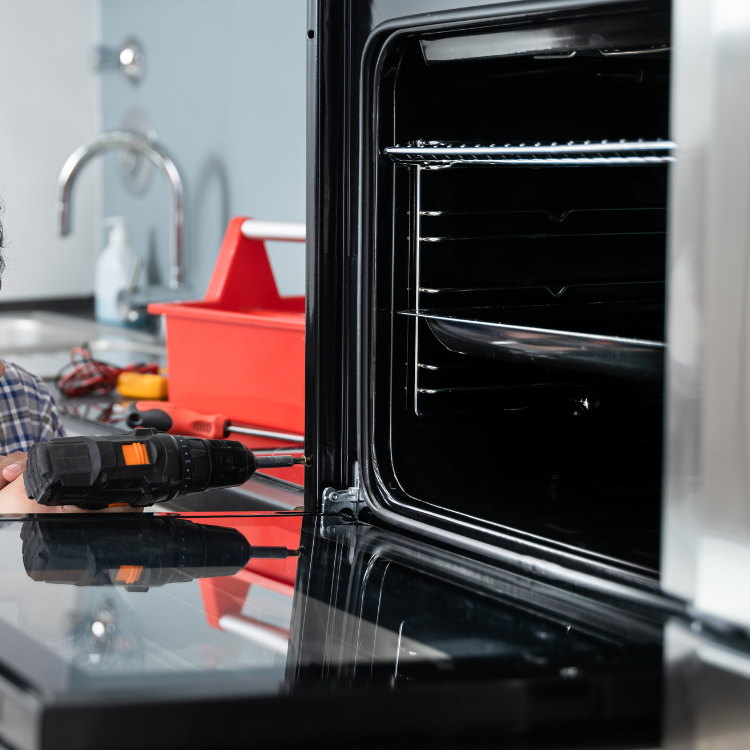
Professional Appliance Repair: Expert Parts, Proper Installation
A lot of McKinney homeowners don’t notice an appliance problem until it turns into a daily inconvenience—or, worse, a service call emergency. For example, I’ll often hear about a refrigerator that seems fine in the mornings, then by afternoon the food starts warming and the ice production slows to a crawl. In North Texas heat, those early symptoms can escalate fast because the unit has to work harder to maintain temperature.
Another common scenario is a dishwasher that “mostly works” for months—until it starts leaving film on dishes and then begins leaking under the kitchen sink. What looks like a small performance issue turns into water damage risk, cabinet swelling, and higher repair costs.
At Texas True Appliance Repair, we focus on the kind of diagnosis and repair approach that prevents repeat failures—using the right parts, correct installation, and practical maintenance habits homeowners and businesses can actually follow.
Quick Answer
Professional appliance repair matters because many failures aren’t obvious at first. Technicians don’t just swap parts—they diagnose the cause (electrical, airflow, water quality, control board logic, or component wear) and install compatible parts correctly. In McKinney and the surrounding North Texas area, same day appliance diagnostics can prevent food spoilage, extended downtime in commercial kitchens, and secondary damage from leaks or overheating.
How Expert Parts + Proper Installation Change the Outcome
When an appliance fails, the obvious question is usually, “Do I need a new part?” In reality, the better question is, “Why did that part fail?”
During real service calls, one of the most valuable technician observations is this: many breakdowns come from a chain reaction. A compressor might not be the “first problem.” A clogged condenser or restricted airflow can force the compressor to run longer, then it fails. A dishwasher might not have a “bad pump”—it may have hard-water buildup affecting drain function or a failing circulation component that leaves residue.
Here’s what proper repair looks like in the field:
- Correct diagnosis before replacement: We verify symptoms against electrical tests, component behavior, and airflow/water flow patterns.
- Compatible, correctly matched parts: Appliances can be sensitive to part revisions, sensor types, and control board variants.
- Proper installation with verified operation: After the repair, we test the appliance through normal cycles—not just “power on.”
That last part is where many DIY attempts fail. You can install the right part and still miss a wiring connection, a vent/airflow obstruction, or a calibration requirement. The appliance may run—but not reliably.
Signs Your Appliance Needs Repair
Some symptoms are “run it until it dies” signals. Others are the kind of early warnings that often lead to faster, more affordable fixes.
Common residential warning signs
- Refrigerator isn’t maintaining temperature consistently (food warms, freezer frosts unevenly)
- Refrigerator ice maker slows or stops producing
- Dishwasher leaves gritty residue, cloudy film, or smells after cycles
- Oven heats unevenly (hot spots, under-baking, temperature drift)
- Washer not draining fully or leaving clothes too wet
- Clothes dryer takes longer than usual or overheats the laundry room air
- Microwave runs but doesn’t heat evenly or shuts off mid-cycle
- Garbage disposal is humming, clogging frequently, or draining poorly
Common commercial warning signs (restaurants and businesses)
- Refrigeration cycles constantly or temperature logs drift out of range
- Dishwashers fail to reach proper wash/rinse performance
- Ovens and ranges produce inconsistent cook times during rush
- Garbage disposal or drain issues cause downtime in prep areas
- Frequent resets or error codes that keep returning after quick fixes
What Homeowners Often Overlook
I’ll say this plainly: the most expensive failures usually start with something small that gets ignored.
Common mistake homeowners make: replacing parts without fixing the cause
A few examples we see repeatedly:
- Dishwashers: People replace a pump or drain component, but the real culprit is often hard-water scale or a failing filter/spray performance issue that keeps residue coming back.
- Refrigerators: Homeowners replace an ice maker or control component, but the airflow restriction or dirty condenser was never addressed—so the new part gets stressed and fails early.
- Dryers: A “not heating” complaint sometimes leads to replacing heating elements when the real issue is restricted airflow from lint buildup in the vent path. The new part can overheat and fail sooner.
Common mistake businesses make: delaying refrigeration and sanitation-related repairs
In a restaurant, a refrigeration problem isn’t just a comfort issue—it’s a food-safety risk and a revenue risk. When staff “work around it” for weeks, the unit can fall behind on temperature stability, and the business ends up paying for rushed repairs, additional labor, and sometimes emergency commercial appliance repair services.
A practical way to frame it: downtime costs compound. If a kitchen loses even one key workflow window, the impact shows up in prep delays, wasted inventory, and customer experience.
Why Some Appliance Repairs Fail Early
Even when a repair is attempted, some failures repeat. From our technician experience, the common causes include:
- Wrong part match: Similar-looking components aren’t always compatible by model or revision.
- Incomplete cleaning before installation: Old debris, scale, or residue can interfere with seals, sensors, or water flow.
- Calibration not verified: Ovens and ranges often require correct settings/verification after parts or control replacements.
- Airflow or venting problems ignored: Refrigeration and dryers are airflow systems. If airflow is restricted, components wear faster.
- Electrical issues masked: A failing component can be triggered by voltage instability or wiring problems that weren’t tested thoroughly.
One firsthand observation from the field: when I inspect a refrigerator that won’t stabilize, I’ll often find airflow issues around the back panel—dust buildup, partially blocked vents, or restricted condenser performance. Addressing that airflow path makes the new or existing components run within expected conditions.
Repair, Maintenance, or Troubleshooting: What You Can Do Now
Below is a technician-style checklist you can use to decide what to troubleshoot safely versus what should be handled by a professional.
Appliance Maintenance Checklist (Practical and Safe)
For refrigerators (monthly quick checks)
- Confirm vents aren’t blocked by food items
- Check door gaskets for gaps or tears
- Listen for abnormal cycling or loud running
- Make sure condenser area isn’t packed with dust
For dishwashers (every 1–2 months)
- Clean the filter and remove debris buildup
- Run hot water at the sink before starting the dishwasher (helps performance)
- Check spray arms for clogs
- Look for recurring residue or drainage issues
For ovens and ranges (seasonal)
- Verify temperature consistency if you bake regularly
- Clean oven vents and keep the area around the unit clear
- If you notice uneven heating, stop using until diagnosed—calibration or sensor issues can be involved
For washers and dryers
- Inspect hoses for kinks or wear
- Clean dryer lint filter every load
- Schedule vent cleaning when drying times increase or airflow feels weak
For microwaves and garbage disposals
- Don’t ignore unusual smells, repeated sparking, or persistent heating issues
- For disposals, avoid “resetting” endless clogs—slow draining is often a buildup pattern
Technician-Level Troubleshooting Example: Dishwasher Residue and Leaks
Here’s a realistic anonymized case we’ve handled in North Texas: a homeowner complained that their dishwasher left a cloudy film and sometimes smelled musty after cycles. They replaced a detergent dispenser part, but residue persisted. On inspection, we found reduced spray coverage from partial clogging in the spray arm holes and heavy hard-water buildup affecting drain performance.
We addressed the underlying flow restrictions, cleaned the system thoroughly, and confirmed proper cycle behavior. After that, the dishwasher started cleaning consistently again—without needing repeated parts swaps.
This is a good illustration of why we emphasize correct diagnosis and proper installation. Parts can help, but cleaning, flow, and compatibility are often the real difference.
Related service support
If your dishwasher is showing residue, drainage, or performance problems, you may find it helpful to review dishwasher troubleshooting assistance before the next service visit.
Repair vs Replacement: When to Fix and When to Plan Ahead
A lot of homeowners ask whether it’s better to repair or replace. The honest answer depends on the appliance condition, the type of failure, and whether the root cause has been corrected.
Quick decision guide
| Situation | Typical recommendation |
|---|---|
| Single component failure, appliance otherwise healthy | Repair is usually the best value |
| Repeated failures of similar parts | Diagnose root cause; repair may still be possible |
| Multiple systems failing at once | Consider replacement, especially if labor costs add up |
| Appliance is very old and efficiency is poor | Repair may be fine, but plan energy savings or replacement |
| Safety risk (overheating, persistent leaks, electrical arcing) | Repair or replacement should be prioritized immediately |
One repair recommendation we frequently make: if your refrigerator is struggling due to airflow issues or sensor/control behavior, repairing it correctly now can prevent cascading failures that make replacement the only option later.
For homeowners specifically dealing with cooling instability, refrigerator repair support can help you understand what to check and what a technician should verify during diagnostics.
McKinney & North Texas Relevance: Why Seasonal Strain Changes Everything
North Texas appliances face real seasonal pressure. During Texas summers, HVAC-like loads hit refrigeration systems and moisture-sensitive components. When temperatures rise and door openings increase (kids, guests, frequent cooking), the fridge and freezer have to recover faster. If airflow is restricted or the condenser is partially blocked, the system compensates by running longer. That increases wear on compressors and fans.
Dishwashers also see seasonal strain through increased meal frequency and heavier loads—plus hard water effects, which can worsen scale buildup when maintenance is skipped.
And for businesses in the region, refrigeration and dishwashing issues don’t just slow down service; they can disrupt compliance requirements and sanitation workflows. That’s why commercial kitchen repair solutions often focus on minimizing downtime, not just getting equipment running again.
Our Experience Repairing Appliances in Texas Homes and Businesses
We regularly service both residential homes and commercial locations around McKinney. The biggest difference between the two is how downtime affects daily life.
- In a home, you might tolerate a minor performance issue for a bit—until food spoilage or leaks show up.
- In a restaurant or business, a refrigeration or dishwashing failure impacts labor, workflow, and inventory.
That’s why we maintain a repair approach that emphasizes accurate diagnosis, correct part selection, and proper installation verification. We also plan for the “second-order effects.” If a refrigerator is failing due to airflow restrictions, we address that. If an oven isn’t calibrating correctly, we verify performance. If a dishwasher is leaving residue, we evaluate water flow, spray coverage, and drain function—not just one component.
When you need fast help, we also support same day appliance diagnostics to reduce the time your household or business is without reliable performance.
Common Questions We Get From Homeowners and Managers
How do I know if my refrigerator is worth repairing?
If the compressor isn’t failing repeatedly and the unit can hold temperature after diagnostics, repair is often the better option. We look for airflow restrictions, condenser performance, fan operation, and sensor/control behavior. If multiple major systems are failing at once, it may be time to plan replacement.
Why does my dishwasher keep leaving residue on dishes?
Residue is commonly tied to clogged or worn spray components, filter issues, detergent/sanitizer compatibility, and hard-water scale affecting wash and rinse performance. Drain function matters too—if water isn’t leaving properly, residue can redeposit.
What causes ovens to heat unevenly?
Uneven heating is often related to a failing bake or broil element, temperature sensor problems, or calibration/control drift. Sometimes the issue is airflow/venting or improper preheating habits that compound sensor misreads. A diagnostic check is the fastest path to a correct fix.
How quickly should commercial kitchen equipment be repaired?
If refrigeration, dishwashing, or cooking equipment is out of service, quick diagnostics are essential. The goal is to reduce downtime and protect inventory and workflow. In many cases, same day service planning prevents a minor issue from becoming a full shutdown.
Ready to Restore Your Appliances or Commercial Equipment?
If your appliance is showing early warning signs—or your commercial kitchen equipment is slowing down service—don’t guess. Accurate diagnostics and properly installed parts are what prevent repeat breakdowns and protect your time.
About Texas True Appliance Repair
Texas True Appliance Repair provides residential appliance repair, commercial kitchen equipment repair, refrigerator diagnostics, dishwasher repair, oven repair, and emergency appliance services throughout McKinney, TX and surrounding North Texas communities. The company focuses on accurate diagnostics, reliable repairs, fast response times, and helping homeowners and businesses reduce costly appliance downtime through professional service and preventative maintenance.