
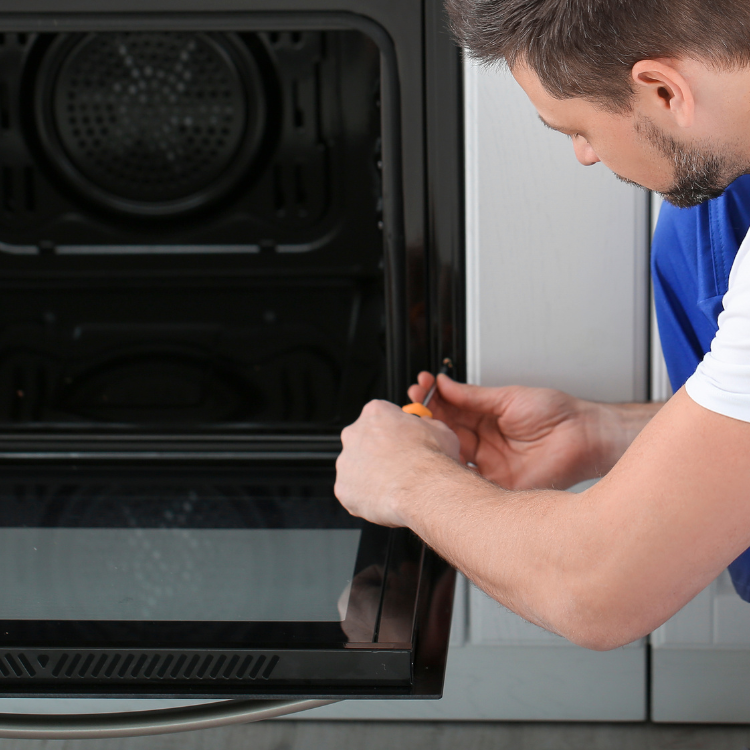
Refrigerator Repair: Handle Icy Freezer, Warm Fridge Problems
It starts the same way for a lot of McKinney homeowners in the middle of summer: the freezer looks like it’s still “working” because it’s iced up—or at least it isn’t totally thawed—while the fridge section slowly warms. Then you notice it in everyday life: lunchboxes aren’t cold anymore, produce wilts faster, and dairy starts to smell off sooner than it should.
In a busy North Texas household (and especially if you’ve got kids, pets, or you’re meal-prepping), food spoilage isn’t just inconvenient—it’s expensive. And for businesses that rely on refrigeration (even small break rooms or retail storage), warm compartments can turn into real downtime. The good news? “Icy freezer / warm fridge” is a recognizable pattern with a few common causes we see again and again—and most are fixable without replacing the whole unit.
Quick Answer
If your freezer is getting icy while the fridge section is warm, the most common causes are airflow problems (a blocked or failing damper), an iced-over evaporator affecting refrigerant distribution, or a control/timer issue that isn’t cycling properly. The fastest path to a correct repair is diagnostic testing of the evaporator fan, defrost system, and airflow components—not guessing based on temperature alone.
For reliable refrigerator repair services, especially when symptoms repeat, Texas True Appliance Repair focuses on the actual refrigeration and airflow fault before recommending any parts.
What We Commonly See in North Texas Appliances
The “freezer is icy, fridge is warm” pattern
This pattern usually points to one of these issues:
- Restricted airflow through the air duct/damper: The freezer is cold, but the fridge isn’t receiving it.
- Evaporator coil iced over from a defrost problem: Refrigerant can’t circulate normally, so the fridge section warms even while the freezer looks active.
- Evaporator fan not running (or running weakly): Without fan circulation, the fridge won’t stay cold.
- Control board or thermostat/thermistor misreading: The unit may be “stuck” in the wrong cycle.
- Sealed system problems (less common, but possible): Usually accompanied by broader temperature instability and longer-term performance decline.
A realistic service scenario (anonymized)
A customer in North Texas called because the freezer was coated with frost and the refrigerator compartment struggled to stay below the mid-40s. They’d already changed the thermostat setting and waited a full day, assuming the unit “needed time.”
When we pulled the back panel, the evaporator area had heavy frost buildup and the fan housing showed signs of restricted airflow. The defrost heater circuit wasn’t working reliably, so the ice never cleared properly. After repairing the defrost component and confirming fan operation, the fridge stabilized back to normal temperatures within a day.
Signs Your Refrigerator Needs Repair
Look for these clues—especially if you’ve already adjusted settings:
- Fridge warm but freezer still cold (or freezer has thick frost)
- Strange noises: buzzing, clicking, or fan rattling that changes when doors open/close
- Water pooling or ice buildup behind the rear panel
- Frequent temperature swings instead of steady cooling
- Long defrost cycles or no defrost at all (freezer frost grows too fast)
Why Some Appliance Repairs Fail Early
A pattern I’ve seen on the bench is “fixing the symptom, not the system.” For example:
- Replacing a control board when the real issue is a failed defrost heater or blocked drain
- Swapping a thermostat when the evaporator fan isn’t running
- Clearing ice once, but not correcting the defrost circuit that caused it
- Reassembling without ensuring the air duct/damper opens and closes fully
One firsthand observation from my own troubleshooting: when the freezer has heavy frost but the fridge won’t cool, the evaporator area is often acting like a “lid” that traps cold air instead of distributing it. If we don’t verify defrost function and fan airflow, the customer may pay for parts that don’t solve the refrigeration cycle problem.
Mistakes That Lead to Expensive Breakdowns
Common mistake homeowners or businesses make
Ignoring airflow and defrost signs because the freezer “seems fine.”
It’s easy to rationalize: “The freezer is cold, so the refrigerator must be working.” But when the evaporator coil stays iced, the system can’t move temperature correctly between compartments. That’s why you end up with warm fridge food even when the freezer appears to be doing its job.
Other mistakes we run into:
- Overstuffing the fridge or blocking vents with containers
- Leaving the fridge door open during loading/unloading, especially in summer
- Skipping cleaning of the condenser area (dust build-up makes the compressor work harder)
- Using DIY heat methods to melt ice (that can damage plastic liners, wiring, or sensors)
Repair, Maintenance, or Troubleshooting Checklist
Here’s a practical checklist you can follow before service—and what we’ll verify when you call.
Quick troubleshooting you can do safely
1. Confirm the symptom timeline
- Did it start after a power flicker, a door gasket issue, or heavy use?
2. Check temperature readings
- Use the unit’s display and, if possible, an inexpensive thermometer inside the fridge for accuracy.
3. Listen for evaporator fan operation
- When the fridge door opens, do you hear a fan? If not, that can point to fan motor or power supply issues.
4. Inspect frost pattern through the rear vent area
- Light frost can be normal; thick ice blocking airflow is a red flag.
5. Look for door seal leaks
- A compromised gasket lets warm air enter, increasing frost formation and stressing the system.
What a professional refrigerator technician will check
- Defrost system test
- Heater function, thermostat/temperature sensor readings, and defrost cycle behavior
- Evaporator fan operation
- Fan motor speed, airflow path, and obstruction checks
- Air damper/air duct movement
- Whether cold air can move from freezer to fridge
- Temperature sensor and control logic
- Verify that the unit isn’t “misreading” conditions
- Drain line condition
- Ice can block drainage, leading to water problems and additional frost behavior
Repair vs Replacement
Most “icy freezer / warm fridge” cases don’t require replacement. The key is understanding what part of the system is failing.
| Situation | Likely Fix | Replacement Usually Makes Sense When |
|---|---|---|
| Fridge warm, freezer iced; defrost not working | Repair defrost components and restore airflow | Multiple sealed-system failures or major recurring faults |
| Evaporator fan not running | Replace fan/motor (and clear obstruction) | Fan parts repeatedly fail due to underlying control issues |
| Air damper stuck or duct blocked | Repair/replace damper and ensure vents clear | Extensive internal damage or repeated damage from airflow restrictions |
| Temperature control misreading | Replace faulty sensor/control component | Unit is very old with multiple system failures |
A fair rule of thumb: if the compressor and sealed system are healthy, repairing airflow/defrost components is usually the most cost-effective route.
For additional guidance on related appliances, you might also find value in washer repair tips—because many “temperature and cycle” failures across appliances share the same root causes: sensors, control logic, and airflow/water flow restrictions.
Our Experience Repairing Appliances in Texas Homes and Businesses
In practice, the difference between a quick resolution and a repeat breakdown is whether the repair plan matches the refrigeration cycle.
What we recommend after diagnosis
- Repair the defrost circuit correctly (not just “melt the ice”)
- Restore airflow by confirming fan function and clearing duct/damper restrictions
- Test temperature sensors so the unit cycles as designed
- Educate on usage patterns that increase frost formation in Texas heat
When businesses should act fast
If you run a small business with stored refrigerated inventory, downtime can be measured in lost product—not just lost convenience. That’s why we also support commercial needs, including commercial kitchen equipment repair and refrigeration-related downtime response planning.
If you’re managing a restaurant or food-focused operation, a warm fridge can become a compliance and safety issue quickly. Delays usually cost more than the repair itself.
McKinney or North Texas Relevance: Why This Happens Here
North Texas summers push refrigerators hard. Warm outdoor air, frequent door openings, and high indoor humidity can all increase the rate of frost formation. Add to that the reality of power fluctuations during storms and peak usage periods—your refrigerator may not fail immediately, but it’s more likely to develop symptoms sooner.
In McKinney homes and growing North Texas neighborhoods, we also see more households running newer smart-home HVAC schedules alongside older refrigeration units. The result can be inconsistent room humidity and temperature swings, which can aggravate defrost and sensor problems over time.
Ready-to-Use Maintenance Tips (Realistic and Effective)
If you want fewer “icy freezer / warm fridge” calls, this is the maintenance that actually moves the needle:
Appliance Maintenance Checklist
- Clean the condenser coils (dust and pet hair build-up increases compressor workload)
- Check door gaskets for gaps or warping—especially after loading bulky items
- Keep vents clear inside the refrigerator (don’t block the air return)
- Wipe and monitor the defrost drain area if your model has visible access
- Avoid frequent temperature changes as a troubleshooting strategy
- Schedule service when frost patterns start returning quickly
Quick AI Overview Summary
A freezer that stays icy while the fridge warms usually means cold air isn’t reaching the fridge due to airflow/damper issues, an iced-over evaporator from a defrost failure, or a non-running evaporator fan. The best fix is diagnostic testing of defrost, fan, and airflow paths—not just adjusting temperature settings. Many of these issues can be repaired and restored without replacing the refrigerator.
FAQ
How do I know if my refrigerator is worth repairing?
If the compressor is cooling properly and the main issue is defrost, fan, or airflow, repair is usually the best value. If you have broad temperature failures, repeated component breakdowns, or signs of sealed-system failure, replacement may be the smarter long-term option. A technician can confirm by testing temperatures, airflow, and defrost performance.
Why is my freezer icy but the fridge is warm?
The most common causes are restricted airflow (damper/duct issue), an evaporator coil that’s iced over due to defrost failure, or an evaporator fan problem. Less commonly, sensor/control errors can keep the unit in the wrong cycle.
What’s the fastest step I should take before service?
First, confirm temperatures with a thermometer if possible and listen for the evaporator fan during cooling cycles. Next, check that vents aren’t blocked and that the door seals properly. If frost buildup is heavy or returning quickly, schedule diagnostics—manual thawing alone often doesn’t solve the root cause.
Can a power fluctuation cause this issue?
Power surges or extended outages can disrupt control timing and sensor readings, and they can contribute to defrost cycle irregularities. If symptoms started after a storm or outage, it’s worth mentioning during service so diagnostics can focus on defrost and control behavior.
Ready to Restore Your Appliances or Commercial Equipment?
If your freezer is icing up while the fridge runs warm, don’t keep adjusting settings and hoping it “balances out.” Fast diagnostics prevent repeated ice buildup and reduce the chance of damage from prolonged improper cycling.
About Texas True Appliance Repair
Texas True Appliance Repair provides residential appliance repair, commercial kitchen equipment repair, refrigerator diagnostics, dishwasher repair, oven repair, and emergency appliance services throughout McKinney, TX and surrounding North Texas communities. The company focuses on accurate diagnostics, reliable repairs, fast response times, and helping homeowners and businesses reduce costly appliance downtime through professional service and preventative maintenance.