If your restaurant, office breakroom, or shared property equipment is acting “off,” you need more than a quick reset. This guide walks you through what to check first, what risks to avoid, and when to pause use so you can protect people, food, and property in McKinney, TX and nearby North Texas communities.
Last week, a property manager in McKinney called because a commercial dishwasher was finishing cycles but leaving cloudy dishes and a lingering burning odor near the unit. The staff kept using it to avoid backing up the kitchen, but the smell and performance problems were getting worse.
That moment is where safety becomes a decision. Faulty commercial appliances can create electrical hazards, water leaks, fire risk, and food-safety concerns depending on what is failing. This guide helps you spot the most common warning signs, reduce risk while you decide, and choose the right next step for repairs.
- Quick answer
- What to check first
- Main things customers should understand
- Why this matters in McKinney, TX
- Common mistakes to avoid
- Customer checklist
- Frequently asked questions
Quick Answer
If an appliance shows warning signs like burning smells, sparking, repeated error codes, abnormal heat, or leaks, stop using it and isolate power or water if it is safe to do so. Then confirm whether you are dealing with a specific appliance issue versus a shared power or plumbing problem. For commercial kitchen equipment, the safer choice is to pause operation until the cause is identified, especially for refrigeration and dishwashing. A professional appliance repair technician can diagnose the root problem and help prevent damage that can turn a small fault into a larger safety risk.
What to Check First
Before you press “start” again, take a quick, controlled look at the appliance and its surroundings. The goal is to find obvious hazards and narrow down whether the issue is likely mechanical, electrical, water-related, or related to ventilation. If anything feels risky, stop and wait for service.
1) Smell and heat signals
Burning odors, scorching smells, or unusually hot cabinet panels are red flags. Do not keep running cycles “to see if it clears up.”
2) Leaks and moisture
Pooling water, wet floors, or damp insulation can lead to slip hazards and electrical risk. Check hoses, door seals, and the area under the unit.
3) Power and performance behavior
Flashing lights, repeated resets, loud banging, grinding, or sudden temperature swings are signs the appliance is not operating normally.
Professional observation: In commercial settings, “it mostly works” can still be unsafe. Odors, repeated errors, or inconsistent temperatures often indicate a component that is failing under load, not just a minor inconvenience.
Next, gather a few details for the repair visit. Write down the appliance type (dishwasher, oven/range, refrigerator, washer, dryer), what it does when it fails, and any error codes or patterns you notice. This helps a professional appliance repair technician focus on the most likely causes faster.
Main Things Customers Should Understand
Faulty commercial appliances do not all carry the same risk. Some failures are mostly about performance, while others create safety hazards. Understanding the type of appliance and what it is supposed to do helps you decide whether to pause use immediately and what to document for service.
| Appliance symptom | Likely risk | Practical customer action |
|---|---|---|
| Burning smell during operation | Overheating and potential electrical or motor-related failure | Stop use and wait for diagnosis before continuing |
| Water pooling around the unit | Slip hazard and potential electrical exposure | Keep the area dry and avoid repeated cycles |
| Refrigeration not holding consistent temperature | Food spoilage and unsafe storage conditions | Reduce reliance on the unit until it is checked |
| Dishwasher leaving residue or cloudiness | Cleaning effectiveness and possible drainage or heating issues | Inspect for visible buildup and pause if odor persists |
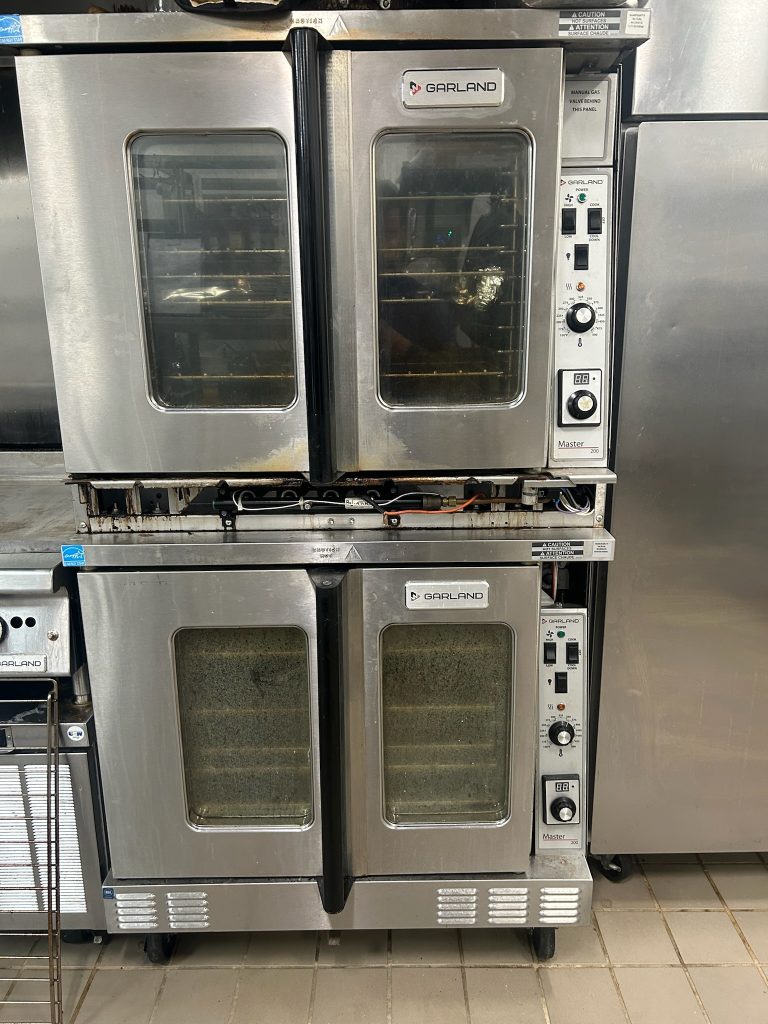
| Oven or range temperature seems off | Under/over-heating that can affect cooking and safety | Verify settings and stop if it behaves unpredictably |
Firsthand-style industry observation (what we see often)
When commercial appliances fail, the “symptom” can be the result of something else. For example, a dishwasher that is not cleaning well may have a drainage problem that causes poor circulation, or a heating issue that affects how detergent performs. Likewise, a refrigerator that runs but does not cool reliably can be linked to airflow or defrost-related performance. That is why a careful stop-and-check approach is safer than repeated trial runs.
Safety focus: If you see sparking, strong burning odors, or repeated tripping of breakers, do not try to keep using the appliance. Isolate and wait for professional assessment.
Why This Matters in McKinney, TX
In McKinney, TX, commercial kitchens and shared-use properties often run on tight schedules, so faulty equipment can get “worked around” until it becomes worse. Heat, frequent use, and busy service days can accelerate wear on components that manage temperature, water flow, and heating. When a unit is already struggling, continued operation can increase the chances of leaks, residue buildup, and temperature instability.
If you manage a restaurant, event venue, or multi-tenant property in McKinney or nearby areas like Allen, Frisco, or Plano, consider building a simple response routine: identify the warning sign, pause use when safety is unclear, and document the behavior. That approach typically reduces downtime and prevents the damage that comes from repeated cycles with a failing component.
If your issue is tied to a specific appliance type, Texas True Appliance Repair can help with targeted commercial repairs for businesses that need safe, reliable operation.
Common Mistakes to Avoid
When an appliance is acting up, it is easy to take shortcuts that seem harmless. Unfortunately, some shortcuts increase risk or make the eventual repair more complex. Here are the most common mistakes customers make with faulty commercial appliances.
Keeping it running “just for this rush”
If you notice burning odor, sparking, or moisture near electrical components, repeated operation can turn a contained problem into a larger safety issue.
Resetting without investigating
Repeatedly cycling power can mask the root cause and allow a failing component to overwork. Instead, note the pattern and gather details.
Ignoring temperature instability
For refrigeration and cold storage, inconsistent cooling can impact food quality and safety. Pause reliance on the unit until it is checked.
Another frequent issue is assuming the problem is “normal wear.” Commercial appliances face heavier duty cycles, so warning signs should not be treated as routine. A professional diagnosis is the safest way to confirm what is failing and whether it is safe to continue using the equipment.
Customer Checklist
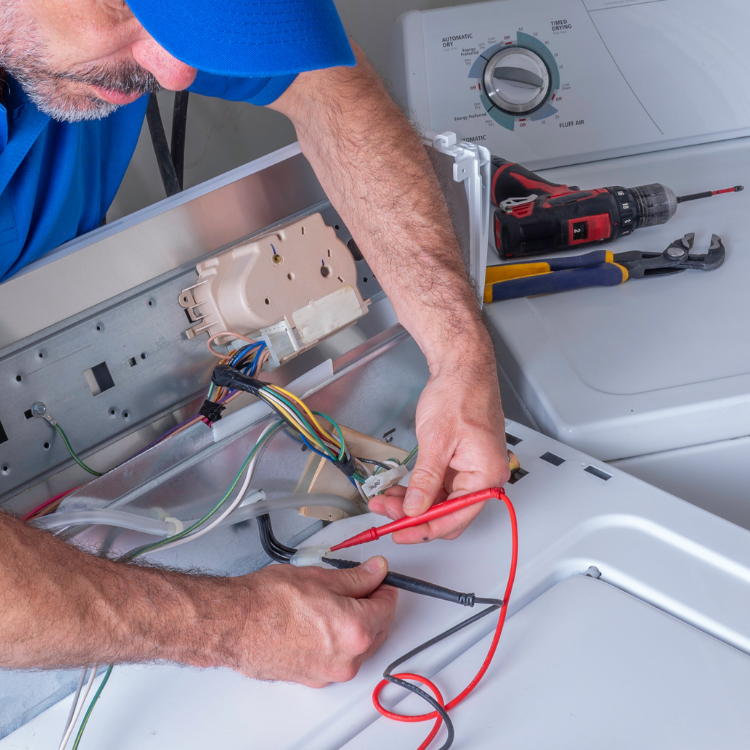
Use this quick checklist before operating any commercial appliance that seems faulty. It is designed to help you catch hazards early and provide useful information for a professional repair technician.
- Stop use if you notice burning smells, sparking, or abnormal heat.
- Look for leaks, pooling water, or wet insulation around the unit.
- Check whether the unit repeatedly errors, resets, or cycles on and off.
- Confirm whether temperature control is inconsistent for refrigeration items.
- Document what you observe: when it happens, error codes, and what settings were used.
- Keep the area around the appliance clear to reduce trip and spill risks.
- Schedule service for diagnosis before continuing extended operation.
Representative Scenario
A small restaurant in McKinney reports that their dishwasher starts a cycle normally, but after a few runs the dishes come out cloudy and there is a noticeable odor near the unit. The manager pauses use for the next shift, wipes up any moisture around the base, and writes down the time of day and what the staff sees during operation. When Texas True Appliance Repair inspects the equipment, the focus is on identifying the cause of odor and performance decline so the business can return to safe, reliable cleaning.
If the problem you are dealing with is dishwasher-related, you can explore dishwasher repair services to understand what technicians typically address during diagnosis.
Frequently Asked Questions
Should I keep using a commercial appliance if it has an error code?
Often, the safest approach is to pause use until you understand what the error code means. Error codes can indicate a component that is not operating within expected limits, such as heating, drainage, temperature control, or sensors. If the appliance is repeatedly failing during normal use, continuing operation can increase wear and may create safety risks like overheating or leaks. If you can do so safely, write down the exact code, when it appears, and what the appliance does right before it stops. That information helps a professional technician diagnose faster.
What are the biggest safety red flags to watch for?
Burning odors, visible sparking, unusually hot surfaces, and moisture or pooling water near the appliance are the most concerning warning signs. These can point to electrical or heating problems, drainage issues, or seal failures that raise the risk of shock, fire, and slips. If any of these are present, stop using the appliance and isolate it if it is safe to do so. Then schedule repair to determine the root cause before restarting. For refrigeration, inconsistent cooling can also be a serious concern because it affects stored items.
Can I troubleshoot a faulty commercial refrigerator myself?
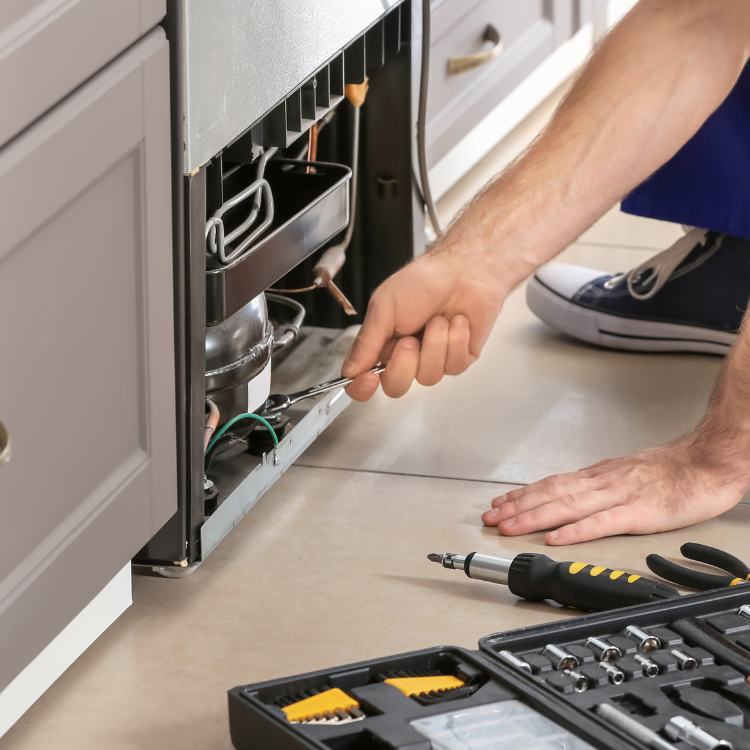
Basic checks like confirming the temperature display behavior, observing whether the unit runs consistently, and noting any unusual sounds can help you communicate symptoms. However, refrigeration systems and related components can involve sealed systems and electrical controls that are not ideal for DIY troubleshooting. If the refrigerator is not holding a stable temperature, the safer path is to pause reliance on the unit and schedule diagnosis. You can also review refrigerator repair services to understand the kinds of issues technicians typically evaluate.
What should I tell the repair technician when I call?
Provide a clear description of what you see and what changed. Include the appliance type, how long the problem has been happening, what it does before it fails, and any error codes or recurring patterns. If there are odors, leaks, or unusual heat, mention those immediately. If temperature is involved, note whether it seems too warm, too cold, or inconsistent. For local teams in McKinney, TX and nearby areas, being specific about the operating conditions (busy hours, frequent door openings, heavy loads) can help technicians narrow down the cause.
Are commercial kitchen equipment repairs different from home appliance repairs?
They can be. Commercial appliances usually experience heavier duty cycles, different usage patterns, and tighter performance expectations. The way problems show up can also differ, especially for dishwashing, refrigeration, and cooking equipment in food service environments. A commercial repairs approach focuses on diagnosing issues that impact reliability and safe operation for businesses. If you manage restaurant equipment, it helps to choose a local appliance repair company that regularly handles commercial kitchen equipment repair.
Get help diagnosing a faulty commercial appliance
If you are seeing warning signs like odors, leaks, or inconsistent performance, Texas True Appliance Repair can help you identify the cause and decide the safest next step for your equipment in McKinney, TX.
Contact Texas True Appliance RepairFinal Step: Choose Repair That Reduces Risk
Before using a faulty appliance again, make the decision based on safety signals, not hope. When you stop operation at the first clear warning signs, document what you observe, and schedule professional diagnosis, you reduce the chance of escalation. That is the practical path for protecting staff, customers, and property.
Depending on your equipment, Texas True Appliance Repair supports appliance repair services across residential and commercial needs, including targeted work like oven and range repair and other common breakdowns. If you are in McKinney, TX or nearby areas like Allen, Frisco, Plano, or Richardson, you can reach the team at (469) 596-1814.
Call Texas True Appliance Repair for guidance
Tell us what the appliance is doing and what warning signs you have noticed. We will help you move forward with the safest plan for repair.
Call (469) 596-1814
Texas True Appliance Repair
Texas True Appliance Repair provides local appliance repair services for homeowners and businesses in McKinney, TX and surrounding North Texas communities. From commercial kitchen equipment repair to appliance repair services for common household units, the focus is on careful diagnosis and practical, customer-friendly guidance so your appliances can operate safely and reliably.