
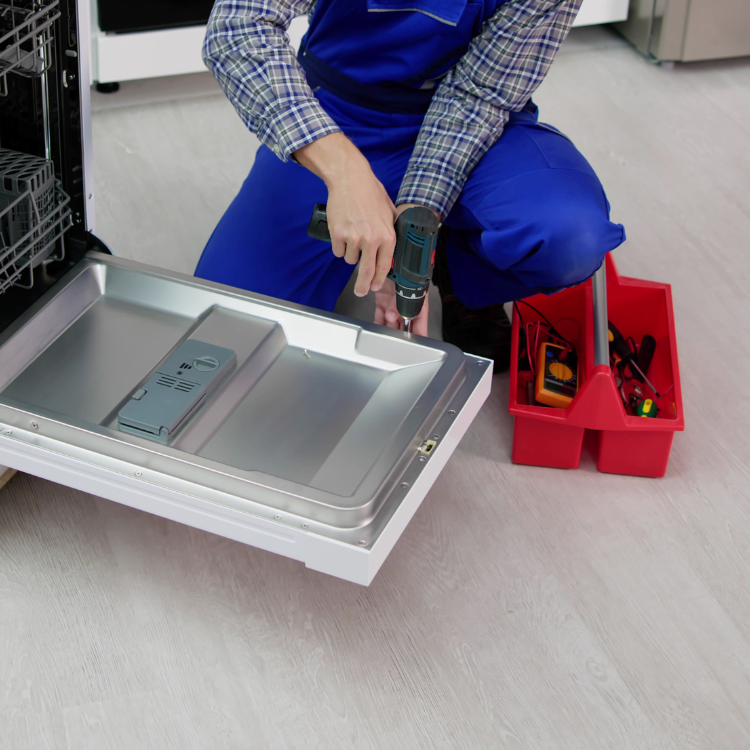
Commercial Appliance Repair for Cafes, Hotels, and Clinics
At 6:15 a.m. in McKinney, a hotel’s breakfast area is supposed to be running like clockwork—coffee on, food holding at safe temps, and dishwashing keeping up with the morning rush. Then the prep fridge starts cycling too often, the ice build-up goes strange, and the dishwasher begins leaving cloudy film on glassware. Within an hour, staff are shuffling tasks, managers are fielding guest complaints, and the kitchen team is working around equipment instead of with it.
For cafes, hotels, and clinics across North Texas, appliance downtime isn’t just inconvenient. It can affect food safety, patient comfort, cleaning schedules, and daily revenue. Texas True Appliance Repair focuses on commercial appliance issues with the same mindset we use for residential service: diagnose the real cause, repair the correct component, and prevent repeat failures.
Quick Answer
Commercial appliances usually need repair when performance drops (temperature swings, poor wash results, uneven heating, unusual noises, leaks, or error codes) and the underlying cause is more than a “simple reset.” Fast diagnostics matter because small issues—like restricted airflow in refrigeration or hard-water scaling in dishwashers—often turn into major failures if they’re ignored.
If you’re deciding between repair and replacement, we recommend evaluating:
- how long the unit has been in service,
- whether the failed part is replaceable and available,
- whether the issue is likely to damage other components,
- and how quickly you need the equipment back online.
Commercial Refrigeration, Dishwashing, and Cooking: What We Commonly Fix
Commercial equipment has a tougher life than most people realize. It runs longer hours, opens and closes more frequently, and gets cleaned aggressively—sometimes with chemicals that can shorten gasket life or corrode connectors.
Here’s what we typically see when cafes, hotels, and clinics call for service:
Refrigerators and Freezers: Temperature Drift Isn’t “Normal”
A common scenario: a cafe’s walk-in cooler seems “mostly fine” until the afternoon. Then the temperature starts rising just enough to make managers worry. When we inspect, we often find one or more of these:
- condenser airflow restrictions (dust, grease, or blocked vents),
- a failing fan motor or weak compressor performance,
- frost patterns that point to a defrost issue,
- or door seal problems that let warm air in repeatedly.
Technician observation (real-world): one of the most misleading symptoms is “it cools eventually.” If the unit cycles too frequently, it can still be failing food-safety targets—even if it looks functional at a quick glance.
Dishwashers: Cloudy Film and Poor Drying Usually Have a Cause
Dishwashers in busy kitchens rarely fail all at once. More often, they degrade:
- glasses come out with residue,
- the cycle time changes,
- water isn’t draining properly,
- or the unit intermittently stops mid-cycle.
Hard water scaling is a big one in North Texas. When mineral buildup forms on wash components and internal heaters, it reduces cleaning performance and increases energy demand. If the issue is chemical imbalance or rinse aid problems, that’s fixable—but we still verify the mechanical side so you don’t keep chasing the wrong variable.
If you’re dealing with wash performance problems, you may also find guidance helpful on dishwasher repair services and what to check before the unit gets worse.
Ovens, Ranges, and Hot Holding: Uneven Heat Costs Time
Cooking equipment complaints often sound like “the oven is off,” but the reason might be:
- a thermostat or temperature sensor reading incorrectly,
- a failing heating element,
- incorrect calibration,
- or a control board issue that changes heat response under load.
In a clinic setting, that can mean inconsistent warming schedules or delayed prep. In a cafe, it can mean slow recovery between rushes.
For help diagnosing cooking performance issues, see oven repair services for the types of problems we typically troubleshoot first.
Warewashing, Prep, and Cleanup: Garbage Disposals and Drains
Even though a garbage disposal isn’t “kitchen equipment” in the same way as a dishwasher, it can create real downtime when drains back up. We often see clogged lines, seized components, or wiring issues that cause intermittent failures. If your team is dealing with recurring disposal problems, start with garbage disposal repair support so the drain system doesn’t become a daily bottleneck.
What Homeowners Often Overlook (and What Business Teams Do Too)
Commercial teams are busy, but a few patterns still show up again and again—especially when staff are trying to “get through the day.”
Common Mistake: Waiting for food to spoil before calling
Managers sometimes wait until the temperature is clearly unsafe or until items are visibly affected. By then, the refrigeration system may have been operating inefficiently for days, which can:
- stress compressors,
- increase ice/frost problems,
- and lead to additional component failure.
Common Mistake: Using the wrong cleaning approach
Aggressive degreasing can damage certain seals or leave residue that interferes with airflow. Over-spraying electrical components is also a risk. We encourage businesses to use manufacturer-recommended cleaning methods and to keep moisture away from controls.
Common Mistake: “It’s probably the power” (and not checking internals)
North Texas can see power fluctuations, but we still verify the appliance’s own components before assuming it’s an electrical problem. A control board or relay that’s already weak may fail under minor voltage variations.
Signs Your Appliance Needs Repair
If you’re trying to decide whether to schedule service now, watch for these red flags:
Refrigeration
- Temperature swings even after staff confirm correct settings
- Excessive frost buildup or ice where it shouldn’t be
- Condenser fan running constantly or cycling oddly
- Warm air feeling near doors/freezer seals
Dishwashers
- Cloudy film, spotty glassware, or residue on plates
- Longer cycles than usual
- Water pooling at the bottom
- Error codes that don’t clear after restarting
Cooking Equipment
- Uneven heating (hot spots or cold zones)
- Burn times changing suddenly
- Clicking without heating
- Error codes related to temperature regulation
Repair vs Replacement (A Realistic Commercial Approach)
Every business wants the fastest fix, but “cheapest” isn’t always “best.” Here’s a practical way to decide:
| Situation | Usually Best Option |
|---|---|
| Unit is relatively new and the issue is a single part | Repair |
| Multiple symptoms suggest a control/heat system failure | Repair, but with clear diagnosis |
| Repairs would require replacing several major components | Replacement planning |
| Equipment can’t meet safety/operational requirements quickly | Repair immediately, then schedule replacement if needed |
| Costs are high, but parts are readily available and diagnosis is clear | Repair + preventive follow-ups |
Our recommendation style
We don’t push replacement for the sake of it. But we also don’t recommend repeated “band-aid” repairs when a pattern suggests the unit is nearing the end of its reliable service life.
Our Experience Repairing Appliances in Texas Homes and Businesses
When we service commercial accounts, one thing stands out: the equipment may be “working,” but it’s not performing the way it should under real operating conditions.
A realistic anonymized case: a hotel reported that their dishwasher seemed to “wash fine” at first, then started leaving residue after the mid-day rush. The team had already adjusted detergent and rinse aid. During diagnostics, we found mineral scaling affecting water flow and heating consistency. Cleaning helped temporarily, but the underlying buildup pattern kept returning. After repair and a focused maintenance plan (including proper cleaning intervals and verifying rinse aid behavior), the dishwasher stabilized and reduced the need for manual re-washing.
Another common pattern we see across North Texas is refrigeration struggling during high-usage periods. In summer, frequent door openings and heavy product loads increase compressor demand. If airflow is restricted—by grease buildup, blocked vents, or dirty condenser areas—the unit works harder, cycles more, and fails earlier than expected.
McKinney and North Texas Relevance: Why Season Changes Matters
In McKinney and the surrounding North Texas area, seasonal swings affect appliances in ways many people underestimate:
- Summer refrigeration strain: Higher ambient temperatures make it harder for condensers to release heat. If airflow is restricted, the unit compensates until components wear faster.
- Hard-water scaling impact: Dishwashers and some washing systems accumulate mineral deposits faster, especially when cleaning schedules don’t include descaling where appropriate.
- Busy-use wear: Cafes and hotels run equipment hard on weekends and holidays. That’s when small issues become big ones.
This is why we recommend addressing early warning signs—temperature drift, wash residue, uneven heating—before the equipment fails at the worst possible time.
Appliance Maintenance Checklist (Commercial-Friendly)
Use this checklist to reduce breakdowns and keep service calls from stacking up.
Daily / Per Shift
- Confirm correct thermostat or temperature settings
- Check refrigeration doors and ensure gaskets seal properly
- Observe dishwasher cycles for consistent timing and draining
- Train staff to report unusual sounds immediately (fans, pumps, clicking relays)
Weekly
- Inspect condenser airflow areas for grease/dust buildup (as equipment allows)
- Run a basic dishwasher performance check (spot-free results on a test load)
- Verify hot water supply and rinse aid levels for best cleaning results
Monthly / Quarterly
- Clean or inspect filters and wash components based on manufacturer guidance
- Review error logs on units that display codes
- Schedule preventive diagnostics if the equipment is critical to operations (especially refrigeration and dishwashing)
Emergency Commercial Appliance Repair: When Downtime Can’t Wait
If refrigeration fails during peak service or dishwashing stops mid-rush, you need more than a general troubleshooting answer—you need a technician who can diagnose quickly and prioritize safe operation.
We focus on:
- rapid inspection of the failing system,
- identifying whether the issue is part-level (repairable) or system-level (likely to escalate),
- and recommending next steps that protect your operation.
If you need fast response and diagnostics, you can also explore commercial appliance repair services for the types of downtime-focused support we provide.
Quick Troubleshooting You Can Do Before We Arrive
You don’t need to “fix it yourself,” but a few checks can prevent delays:
- Refrigeration: confirm the thermostat setpoint, check door sealing visually, and verify vents aren’t blocked by product placement.
- Dishwasher: ensure correct rinse aid levels and check for obvious drain obstructions.
- Oven/range: note any error codes and confirm burner/element behavior consistently across the cooking surface.
If the unit is sparking, leaking gas, or showing electrical burning smells, stop using it and prioritize safety.
Key Takeaway
For cafes, hotels, and clinics, the best commercial repairs aren’t just about restoring power—they’re about restoring reliable performance. Temperature stability, consistent wash results, and dependable heating protect food quality, patient schedules, and your bottom line.
FAQ
How do I know if my refrigerator is worth repairing?
If the unit is cooling inconsistently, cycling excessively, or showing frost/ice patterns, it’s often repairable—especially when the compressor hasn’t failed. The deciding factors are the age of the unit, whether the failed component is accessible, and whether airflow/defrost issues are causing repeat strain. A proper diagnostic helps prevent “guess repairs.”
Why does my dishwasher leave cloudy residue even after we change detergent?
Cloudy film is frequently tied to mineral buildup, rinse aid behavior, drain/water circulation issues, or heating inconsistency. Changing detergent alone may not address the mechanical causes. We typically check wash action and scaling patterns before recommending parts or maintenance changes.
What causes ovens to heat unevenly in a commercial kitchen?
Uneven heat often comes from sensor/thermostat problems, failing heating elements, calibration drift, or control board issues. If the temperature swings under load, it can be a sign of a regulation problem—not just “user settings.” Proper testing usually pinpoints the exact component.
How quickly should commercial kitchen equipment be repaired?
When equipment impacts safety or daily service, prioritize quick diagnostics. In many cases, same-day assessment and repair planning prevents extended downtime. If parts are needed, we help you understand whether you can operate safely in the interim.
Ready to Restore Your Appliances or Commercial Equipment?
If your cafe, hotel, or clinic equipment is acting up—especially refrigeration and dishwashing—don’t wait for the failure to spread. Fast, accurate diagnostics reduce downtime and help you avoid repeat service calls.
About Texas True Appliance Repair
Texas True Appliance Repair provides residential appliance repair, commercial kitchen equipment repair, refrigerator diagnostics, dishwasher repair, oven repair, and emergency appliance services throughout McKinney, TX and surrounding North Texas communities. The company focuses on accurate diagnostics, reliable repairs, fast response times, and helping homeowners and businesses reduce costly appliance downtime through professional service and preventative maintenance.