
Commercial Appliance Repair for Repairs That Minimize Downtime
When a refrigerator stops cooling or a dishwasher will not run, the problem is more than broken equipment. It affects inventory, prep schedules, sanitation, and customer service. This guide walks you through what to check, what to ask, and how to plan for commercial kitchen equipment repair in McKinney, TX and the surrounding area.
A commercial refrigerator that suddenly warms up can turn into a real operational headache fast. You might have to decide whether to discard food, shift prep to another unit, or close a line early while you figure out what is wrong.
For restaurants, offices, and other businesses, appliance issues also tend to show up at the worst time: during service hours, between busy days, or right when you are counting on equipment to keep running. This article helps you understand the most common failure points, how to reduce downtime while the repair is being scheduled, and what details make commercial appliance repair calls go smoother.
Quick Answer
If a commercial appliance is acting up, start with simple checks that do not require tools: verify power, confirm the correct settings, and look for obvious blockages (like clogged filters or drains). Then document symptoms (what it is doing, when it started, any error codes) and plan for professional diagnosis. Texas True Appliance Repair focuses on appliance repair services for both residential and commercial equipment, so you can get a clear repair path without guessing. For the fastest operational recovery, contact the right service page for your appliance type and share the model and the behavior you are seeing.
What to Check First
Before you wait on a technician, a few quick steps can prevent unnecessary downtime and help the repair process go faster. These checks are also useful for deciding whether it is safe to keep using the unit in a limited way.
1) Confirm the basics
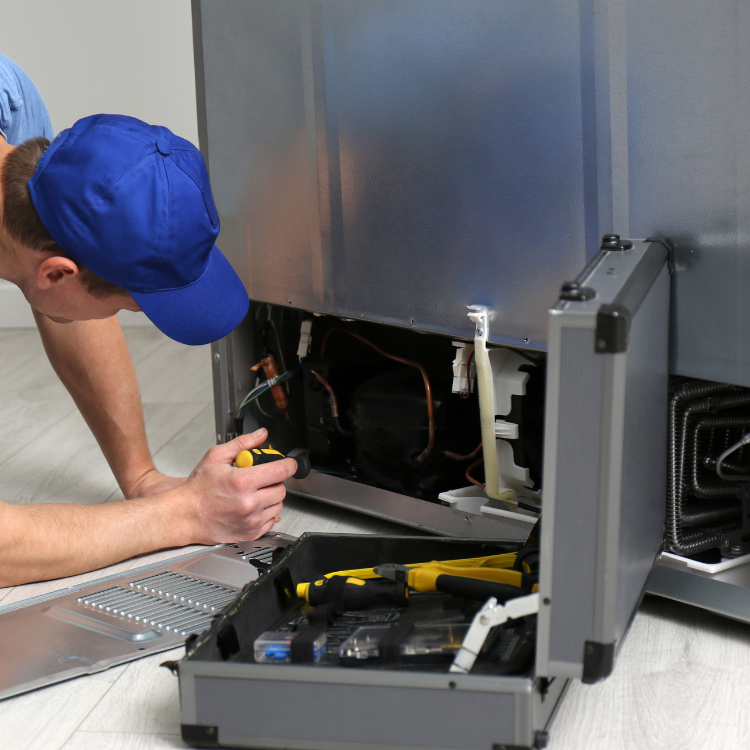
Check that the unit is receiving power and that the controls are set to the correct mode. For refrigeration and cooling systems, verify that fans and temperature controls respond as expected.
2) Look for blockages
Dishwashers often struggle with drainage, spray performance, and filter buildup. Garbage disposal units can also be affected by debris.
3) Capture the symptom
Write down what you observe: unusual noises, leaks, incomplete cycles, warm compartments, or repeated stops. If any error codes appear, note them exactly.
If you are troubleshooting a commercial dishwasher, it helps to check whether water is entering the unit and whether the cycle advances. For refrigerator problems, confirm whether the issue is temperature-only or if cooling fans and compressor activity seem abnormal. If you need a starting point for dishwasher repair work, see dishwasher repair services.
Main Things Customers Should Understand
Commercial appliance problems often have multiple causes. The goal is not just to “fix what is broken,” but to restore reliable operation so your business can keep serving customers. Here are the key factors that affect repair decisions and downtime.
Professional observation: In busy kitchens, small issues like partial drainage, inconsistent cooling, or weak heating can look “almost fine” until they affect sanitation, food safety, or production speed. Getting the correct diagnosis early helps prevent repeat failures.
| Appliance symptom | What it usually points to | Why downtime matters |
|---|---|---|
| Refrigerator warm in one area | Cooling imbalance, airflow issues, or control problems | Inventory rotation and food handling decisions |
| Dishwasher not cleaning or stopping mid-cycle | Drain/spray performance, filtration, or control faults | Sanitation delays and dish workflow disruption |
| Oven or range not heating evenly | Heating element or temperature control problems | Longer prep times and slower service |
| Garbage disposal won’t clear properly | Debris buildup or related mechanical clogging | Sink and cleanup workflow interruptions |
For commercial kitchen equipment repair, it also helps to match the appliance type to the correct service focus. For example, if you are dealing with cooling failures, you can reference refrigerator repair services to help describe the problem clearly when you call Texas True Appliance Repair.
Why This Matters in McKinney, TX
McKinney, TX businesses often rely on steady equipment performance because schedules and staffing are planned around service. In real operations, you do not have the luxury of long downtime windows. Appliance breakdowns can also compound quickly when multiple units are used back-to-back, such as during weekend events or peak meal periods.
In practice, the local difference is how quickly a problem becomes operational. For example, when a cooler fails during a busy stretch, the decision to keep using partially functioning equipment can affect food handling and workflow. A professional repair approach helps you get a clear plan for restoring reliable operation, rather than cycling through guesses.
Local operational tip: If you are scheduling maintenance or repairs for your business in McKinney or nearby cities like Allen, Frisco, Plano, or Richardson, gather model numbers and note the exact symptoms before the technician arrives. It keeps the diagnostic process efficient and reduces “wait time” for parts identification.
Common Mistakes to Avoid
Most downtime is not caused by the appliance alone. It is often caused by avoidable delays, incomplete information, or troubleshooting that makes the situation harder to diagnose. Here are common mistakes customers run into with professional appliance repair technician work.
- Waiting too long to report the first symptom. A small issue can turn into a larger failure when the unit is used repeatedly.
- Skipping basic documentation. Without model details, error codes, or a clear timeline, diagnosis takes longer.
- Resetting controls repeatedly without identifying the cause. This can mask patterns the technician needs to pinpoint the fault.
- Ignoring drainage or airflow problems. Appliances like dishwashers and refrigerators can show “performance” symptoms before a full failure.
- Assuming every issue is the same. A dishwasher that “stops” is different from one that “won’t heat,” and each points to different system components.
If your commercial kitchen equipment repair involves cooking appliances, be specific about what is happening. For stove and oven behavior, you can reference oven and range repair when describing the issue, such as uneven heating, failure to reach temperature, or repeated cycling.
Customer Checklist
Use this checklist to prepare for a repair call and minimize downtime. It is designed so you can collect the right details without slowing down your day-to-day operations.
- Write down the model and serial number from the appliance data plate.
- Record what changed (for example, stopped cooling, stopped draining, no heat, or unusual noise).
- Note when it started and whether it is consistent or intermittent.
- List any error codes exactly as shown on the display.
- Check for simple blockages (filters, drain lines, visible debris) and note what you found.
- Confirm the settings you were using right before the issue began.
- Share operational impact such as “prep slowed,” “dish cycles delayed,” or “inventory at risk.”
Representative Scenario
Imagine a restaurant in McKinney that notices its commercial dishwasher running longer than usual. The first few cycles still complete, so the team keeps using it, but the dishes come out less clean and the drain area starts to smell. By the time the manager calls for help, the dishwasher is stopping mid-cycle and the kitchen has to shift to hand-washing to stay on schedule.
In this situation, a technician can benefit from details like when the problem started, whether the unit is draining properly, and what the last successful cycle looked like. A structured repair approach helps restore dishwasher performance so sanitation and service can return to normal.
Need commercial appliance repair planning?
Share what the equipment is doing and the model details. Texas True Appliance Repair can help route you to the right commercial repair focus for your situation.
Contact Texas True Appliance RepairFrequently Asked Questions
How do I describe a commercial refrigerator problem so the repair visit goes faster?
Start with what you observe: whether the refrigerator is warm overall or only in certain areas, whether it cycles on and off normally, and if you notice unusual noises or airflow changes. Add when the issue began and whether it is constant or intermittent. If there is a display code, write it down exactly. Also mention how the problem is affecting your operation, such as needing to move inventory or adjust prep schedules. This context helps a professional appliance repair technician focus on the most likely causes during diagnosis.
What should I check before calling for dishwasher repair services?
Check that the unit is turning on and that the cycle starts and progresses. Look for obvious issues like clogged filters, poor spray coverage, or standing water that suggests drainage trouble. Confirm the correct cycle selection and any available rinse or detergent settings. If you can do so safely, note whether the water seems to enter the dishwasher and whether the unit drains between stages. Keep your notes simple and factual. If you want an appliance-type reference, you can review dishwasher repair services to align your description with common failure symptoms.
Is commercial appliance repair different from residential appliance repair?
The appliance itself is similar, but the operational expectations are different. In commercial settings, equipment often runs longer hours, and downtime impacts sanitation, food handling, and customer service. That means the diagnosis needs to be efficient and the repair plan should restore reliable operation for real schedules. When you call, be clear that you are working in a business environment and describe how the issue affects production. Texas True Appliance Repair offers commercial repairs routing through commercial-repairs so you can get the right repair focus.
What information should I have ready for a stove and oven repair call?
Tell the technician what “not working” means. For example, does the oven fail to reach temperature, heat only one area, take longer than usual, or cycle unexpectedly? Note when it started and whether the issue is consistent across different settings. If the range has multiple burners or an oven section, mention whether one works and the other does not. If you can safely access it, provide the model and serial number from the appliance data plate. For a service-aligned description, you can reference oven-range-repair when you explain the symptom.
Can I keep using the appliance while waiting for repair?
Use your best judgment based on safety and how the issue is affecting results. If the appliance is failing to perform its core function, such as cooling properly or completing sanitation cycles, it can create operational and food-safety concerns. If there is a leak, burning smell, or repeated error behavior, it is safer to pause use and focus on getting the right diagnosis. When you call Texas True Appliance Repair, describe what is happening and what risks you are seeing. That helps align the repair plan with your immediate operational needs.
Get your business back to reliable operation
If your commercial equipment is disrupting service, Texas True Appliance Repair can help with professional appliance repair technician support across the McKinney, TX area.
Call (469) 596-1814
Texas True Appliance Repair
Texas True Appliance Repair provides appliance repair services for customers in McKinney, TX and nearby areas including Allen, Carrollton, Celina, Frisco, Little Elm, Melissa, Plano, Prosper, and Richardson. Whether you need commercial appliance repair services for restaurant appliance repair company needs, commercial kitchen equipment repair, or residential support alongside your business operations, our goal is to help you understand the issue and restore dependable performance.
Explore more service options at Texas True Appliance Repair and browse specific repair pages for the appliance type you are dealing with.