
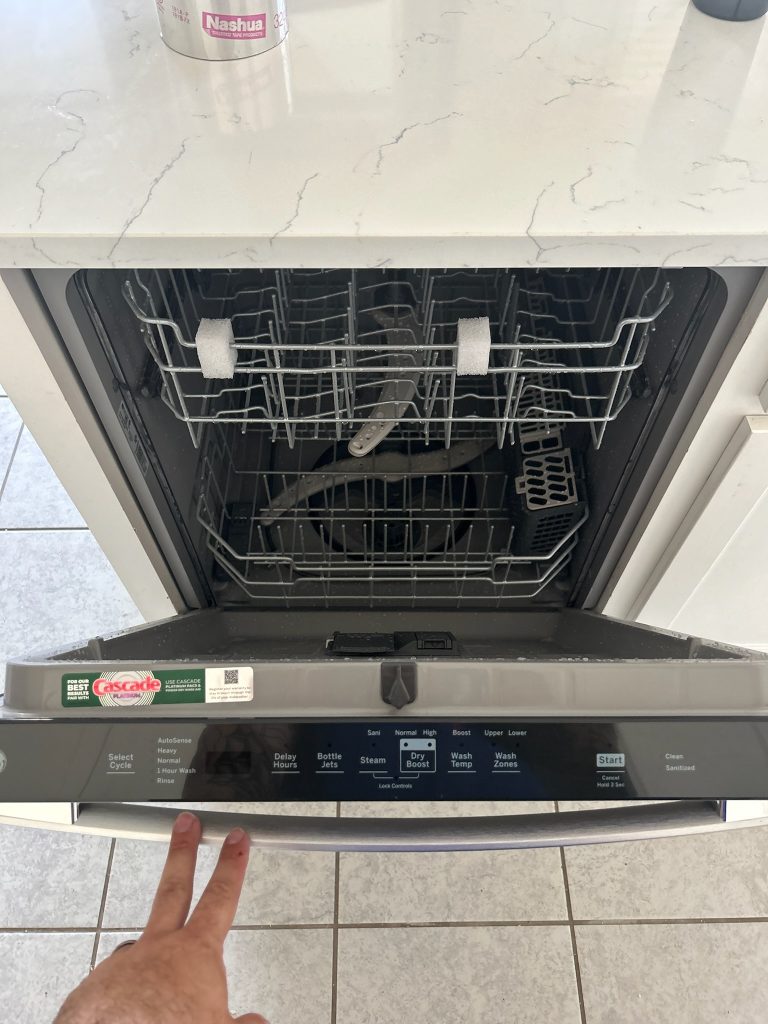
If your dishwasher in McKinney, TX starts leaving food behind, pooling water, or making unusual noises, it is usually not “normal wear.” This guide helps you identify the warning signs that point to a repair need, what to check first, and when to call Texas True Appliance Repair.
Last week your dishwasher ran normally, and today you are scraping plates again. Maybe the cycle is finishing but the dishes feel gritty, or there is water sitting at the bottom like the drain never fully completes.
If you are in McKinney, TX, you might also notice how quickly kitchen messes build up during busy weeks, especially when you run heavier loads. When a dishwasher stops cleaning consistently, it can be more than an annoyance. The issue can spread to other parts of the appliance and increase the time you spend re-washing.
This article will help you spot the most common signs of dishwasher trouble, understand what is worth checking yourself, and know when professional appliance repair services are the smarter next step.
- Quick answer
- What to check first
- Main things customers should understand
- Why this matters in McKinney, TX
- Common mistakes to avoid
- Customer checklist
- Frequently asked questions

Quick Answer
If your dishwasher is leaving residue, draining poorly, making repeated noises, or leaking water, it is time to troubleshoot and plan for professional appliance repair. Start with simple checks like the filter, spray arms, and visible blockages, then stop using the dishwasher if you see persistent leaks or burning smells. For consistent cleaning and to avoid bigger issues, contact a professional dishwasher repair technician for diagnosis of parts like the drain system, pump, or motor. For many homeowners, the fastest path is calling a local appliance repair company that services dishwashers in McKinney, TX and nearby cities.
What to Check First
Before you schedule service, take a few minutes to confirm whether the problem is something you can safely correct. These checks often resolve “bad cleaning” complaints without needing deeper repairs, and they also give your technician useful information.
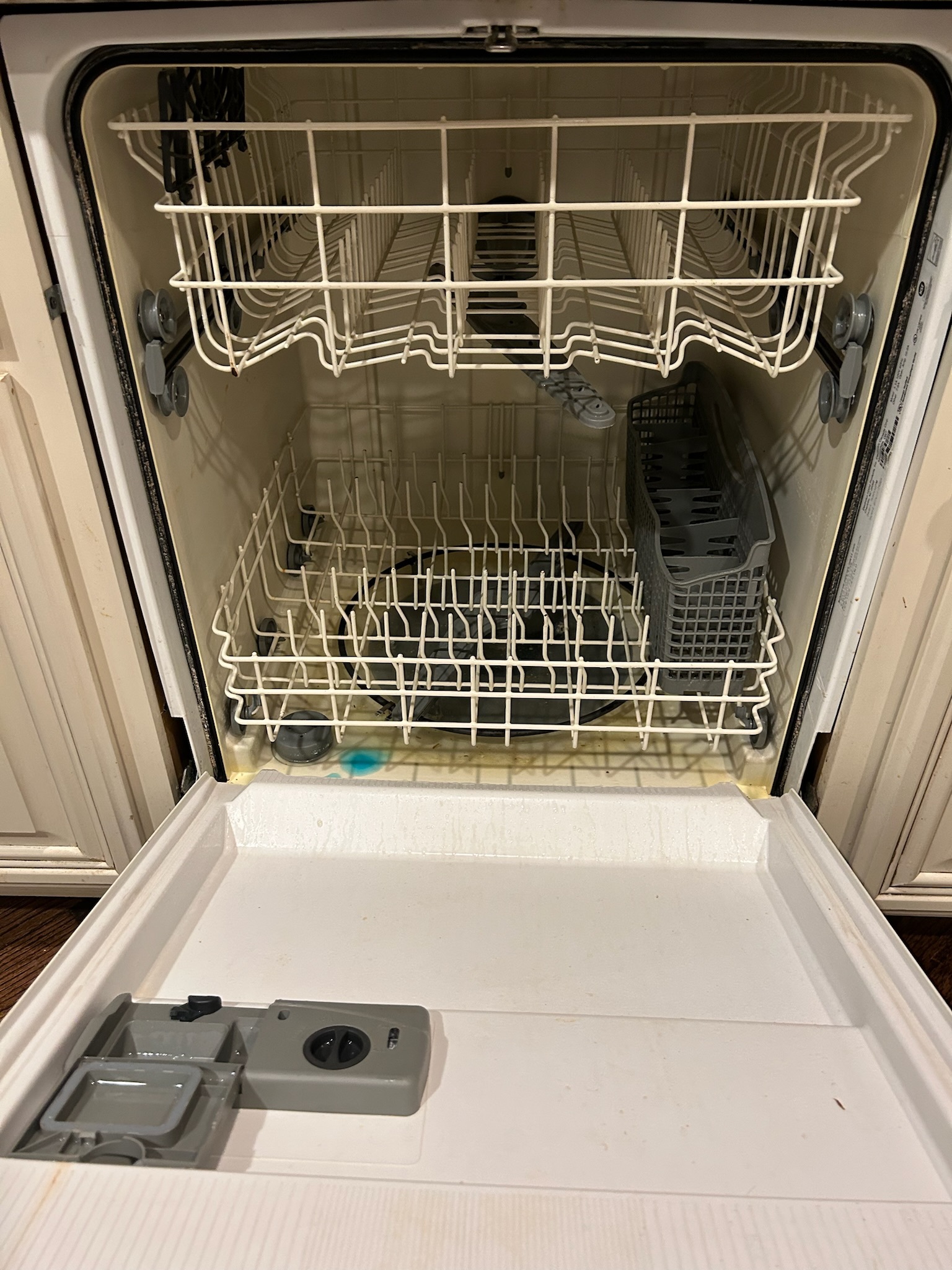
Check the filter and drain area
Remove the filter (per your manual), rinse it thoroughly, and confirm nothing is clogging the drain opening. Food particles that build up can reduce cleaning and prevent proper draining.
Inspect spray arms
Look for blocked spray holes. If the arms cannot spin or spray properly, dishes may come out with stuck-on debris even when the cycle “finishes.”
Look for small obstructions
Check the bottom rack area for labels, bones, seeds, or broken glass. These can interfere with drainage and trigger unusual sounds.
Professional observation: If the dishwasher repeatedly stops mid-cycle, drains slowly, or you notice water under the unit, the issue is often inside the wash and drain system. Those are areas where a technician can test components rather than guessing.
Main Things Customers Should Understand
Dishwashers fail in patterns. When you recognize the pattern, you can decide whether DIY checks are enough or whether you should move straight to professional dishwasher repair services.
| Symptom you notice | What it often points to | Why professional help matters |
|---|---|---|
| Dishes are still dirty after a normal cycle | Clogged spray arms, poor water circulation, or drainage-related issues | Components can wear over time, and clearing surface clogs may not fix circulation or pumping problems. |
| Water pooling at the bottom | Drain obstruction, drain pump issues, or a failing drain component | Persistent standing water can affect cleaning performance and may lead to odors and additional failures. |
| Leaking around the door or underneath the unit | Door seal problems, improper leveling, or internal leak points | Leaks can damage surrounding cabinetry or flooring, and correct diagnosis helps prevent repeat repairs. |
| Grinding, humming, or recurring unusual noises | Debris in the wash system, motor or pump wear, or failing parts | Noise can indicate a mechanical issue that may worsen if you keep running cycles. |
| Cycle takes longer than usual | Heating or circulation problems, or a drain that is not completing fully | Long cycles often mean the dishwasher is not performing key steps correctly. |
Firsthand-style industry observation
In real repair work, the most common “it still runs” scenario is a dishwasher that completes its cycle but does not actually clean as it should. Customers often describe it as “it is working, just not well.” When we inspect, the issue frequently ties back to water delivery or drainage performance, not just detergent use. That is why a technician looks beyond the control panel and checks how water moves through the wash cycle.
Why This Matters in McKinney, TX
Dishwashers in McKinney, TX see a lot of heavy everyday use, from family meals to quick weeknight cooking. When the dishwasher cannot keep up with grease, starch, and food residue, it can leave behind film and cause smells to build up faster than you expect. That is especially noticeable when you load tightly or run smaller loads frequently.
Another local reality is that many homes and apartments in the area rely on shared kitchen routines, so a dishwasher problem can quickly affect daily schedules. Getting the issue diagnosed early helps you avoid repeated rewashing and reduces the chance that a draining problem turns into a leak or odor issue that is harder to correct later.
Local tip: If your dishwasher is leaving detergent residue or cloudy spots, check whether the filter and spray arms are fully clear before you try a different detergent. If the problem persists, it often signals a circulation or drain-related repair need.
Need help diagnosing dishwasher issues?
Texas True Appliance Repair can help pinpoint what is causing poor cleaning, standing water, leaks, or unusual noises in your dishwasher.
Schedule dishwasher repair serviceCommon Mistakes to Avoid
When a dishwasher starts acting up, it is tempting to keep running cycles or to “fix it” by changing habits without addressing the root cause. These are a few common mistakes that can make the situation worse.
Ignoring standing water
Continued pooling at the bottom can lead to odors and can indicate a drain system problem that needs repair, not just a rinse.
Overloading and blocking spray coverage
Overpacked racks can prevent proper spray arm movement. If the dishwasher is already struggling, overloading can hide the real problem.
Running cycles while a leak is present
Leaking water can spread damage under the unit. It is usually better to stop using it until you know what is causing the leak.
If you are troubleshooting other kitchen appliances too, it can be helpful to address symptoms in context. For example, if you are also dealing with poor cooling or inconsistent performance, you may want to review refrigerator repair services separately rather than assuming a single issue is causing multiple appliance symptoms.
Customer Checklist
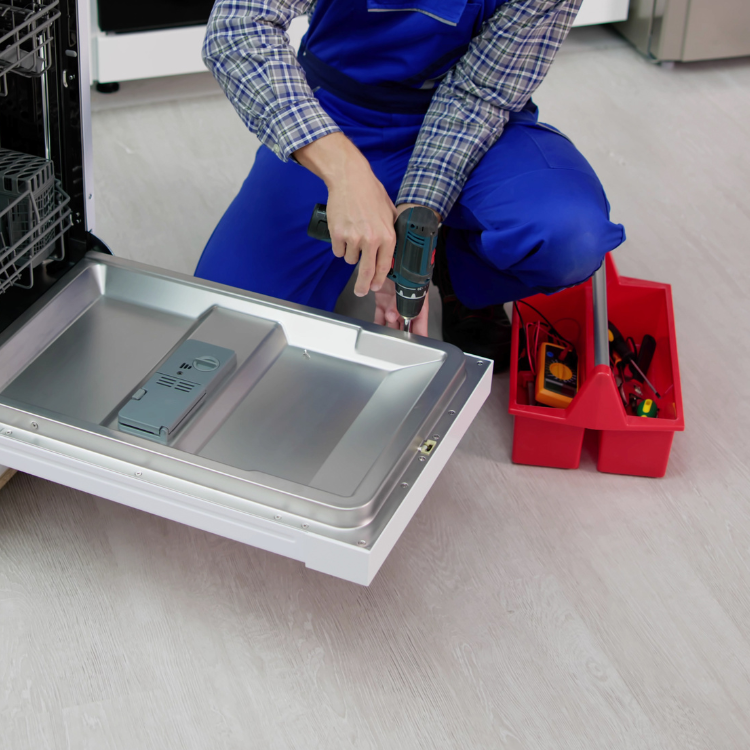
Use this checklist before service so you can describe what is happening clearly. Clear details help a professional appliance repair technician focus on the right diagnostic steps.
- Confirm when the problem started (after a change in detergent, loading habits, or a recent incident).
- Check whether dishes are dirty after the cycle or only after certain cycles.
- Note if water is pooling at the bottom or if the drain finishes slowly.
- Look for visible leaks around the door or underneath the dishwasher.
- Listen for repeating noises (humming, grinding, or unusual sounds during wash or drain).
- Verify whether the spray arms spin freely and whether spray holes appear blocked.
- Clean the filter and confirm whether the issue changes right away.
- Make a quick list of what you tried so far (for example, rinsing the filter, clearing a blockage, or adjusting loading).
Representative scenario
A homeowner in McKinney, TX reports that their dishwasher runs full cycles but dishes come out with a greasy film. After checking the filter, they notice the spray arm still rotates, but the bottom of the tub has a small amount of standing water after the cycle. Because the cleaning problem and drainage symptom happen together, they choose professional repair rather than only adjusting detergent. The technician focuses on the wash and drain performance, which helps prevent repeat “cleaning failures” and reduces the chance of a leak developing later.
Frequently Asked Questions
Can I fix dishwasher cleaning problems myself?
You can start with safe, basic checks like cleaning the filter and inspecting spray arms for blockages. If the dishwasher still leaves residue after those steps, the problem may be related to wash circulation or drainage performance. That is where a professional dishwasher repair technician can test components and identify worn parts. In McKinney, TX, homeowners often benefit from getting a clear diagnosis early because repeated rewashing is time-consuming and can mask the real cause.
What does it mean if my dishwasher is not draining fully?
Standing water usually points to an issue in the drain path, such as an obstruction, a drain component that is not moving water correctly, or a problem that prevents the cycle from completing normal draining. Even if the dishwasher eventually finishes, incomplete draining can lead to odors and reduced cleaning power. If you notice water pooling at the bottom consistently, it is a good idea to stop relying on DIY steps and call for professional appliance repair services.
Why is my dishwasher leaking?
Leaks can come from a few common places, including the door seal, internal leak points, or an installation issue that affects how the unit sits. Because leaks can damage surrounding cabinetry or flooring, it is smart to avoid running cycles until you identify the source. A technician can check the seal and internal components, and help you prevent repeated leaks. If you are also comparing symptoms across appliances, Texas True Appliance Repair can assist with related appliance problems, including garbage disposal repair when kitchen drainage issues overlap.
Should I keep using the dishwasher if it makes unusual noises?
Unusual noises can indicate debris in the wash system or wear in key moving parts. While a one-time sound might come from something small, repeated grinding or humming usually means the issue is not resolved. Continuing to run cycles can increase wear and may make the repair more complicated. If the noise happens during wash or drain and keeps returning, it is best to schedule professional dishwasher repair services so the technician can inspect the likely source.
Is there any connection between dishwasher issues and other kitchen appliances?
Sometimes. Poor drainage can overlap with other kitchen components, and a clogged area can affect how appliances behave together. Also, if you are noticing multiple appliances underperforming, it can be useful to address each appliance separately so you do not miss an underlying issue. For example, if your oven or stove and oven repair performance is also inconsistent, you can review oven repair services as a separate repair need.
Get your dishwasher back to reliable cleaning
If your dishwasher in McKinney, TX is showing warning signs like poor cleaning, pooling water, leaks, or recurring noises, Texas True Appliance Repair can help you troubleshoot and repair the root cause.
Contact Texas True Appliance Repair
Texas True Appliance Repair provides appliance repair services for homeowners and businesses across McKinney, TX and nearby areas including Allen, Carrollton, Celina, Frisco, Little Elm, Melissa, Plano, Prosper, and Richardson. If you need professional appliance repair technician support for dishwasher repair or other major appliances, our team focuses on practical diagnosis and careful repairs so your appliances can perform the way they should.
For dishwasher repair, you can also explore dishwasher repair or call (469) 596-1814.