
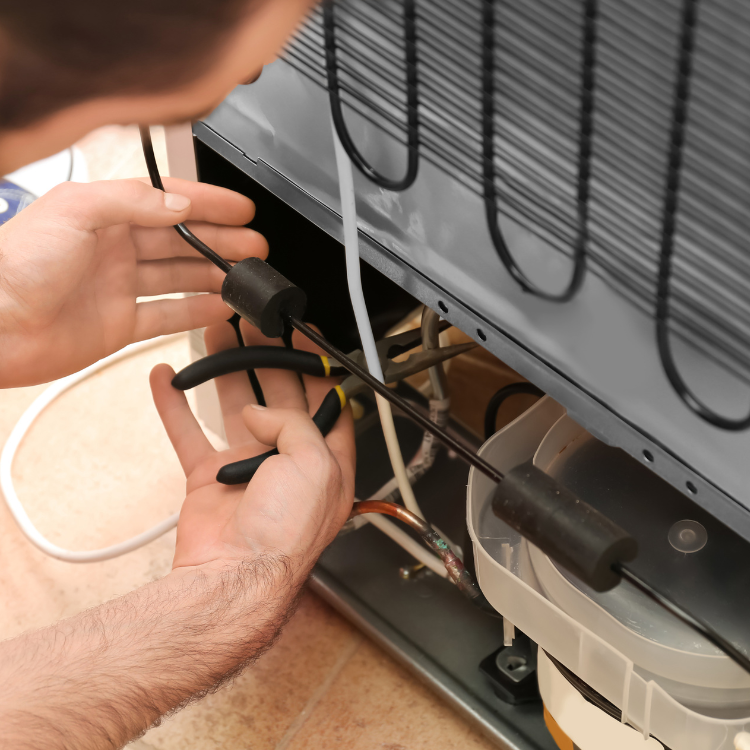
Refrigerator Not Cooling Repair: Common Causes Explained
If your fridge is running, but the food in the fresh-food section is getting warm, the cause is usually something specific you can narrow down. This guide walks you through the most common reasons a refrigerator stops cooling properly in McKinney, TX, what to check first, and when it is time to call a professional refrigerator repair technician.
Last night everything felt normal, but this morning the milk in your refrigerator feels warmer than it should. You can hear the unit running, and the freezer may even seem colder, yet the refrigerator section is not keeping up.
That situation is frustrating, especially with summer heat and long stretches between grocery runs in the McKinney area. This guide helps you understand why a fridge may not be cooling, what simple checks you can safely do at home, and which symptoms point toward the real repair work behind the scenes.
- Quick answer
- What to check first
- Main things customers should understand
- Why this matters in McKinney, TX
- Common mistakes to avoid
- Customer checklist
- Frequently asked questions
Quick Answer
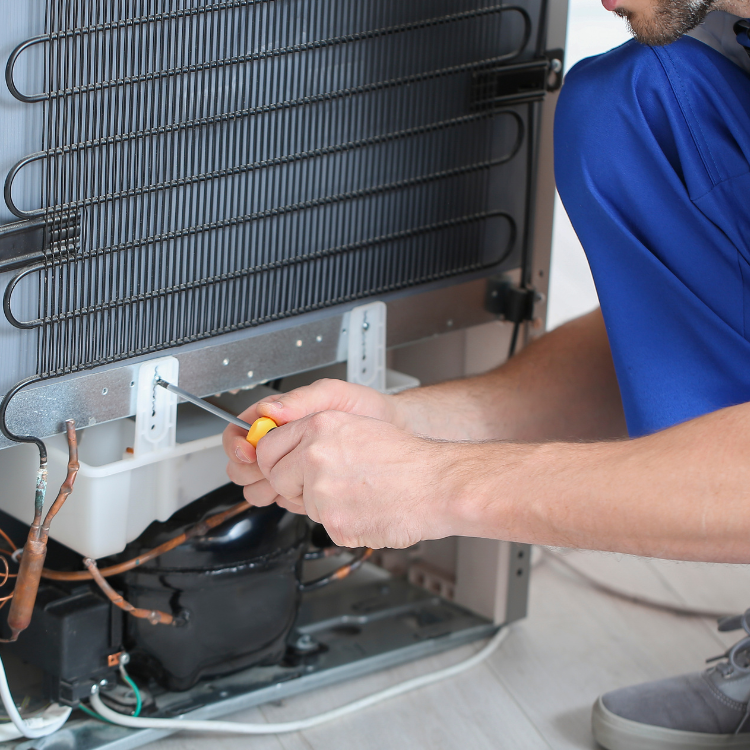
If your refrigerator is not cooling, start with the easiest causes: confirm the temperature settings, check that the door seals are closing fully, and verify that air is moving from the freezer area into the refrigerator section (you may notice weak airflow or unusual frost patterns). If the freezer is cold but the fridge is warm, common culprits include a blocked air path, a failing fan, or an issue with the defrost system. For best results, stop guessing once you see consistent symptoms and schedule professional refrigerator repair services so the technician can test the components instead of replacing parts blindly.
What to Check First
Before you pull the unit apart, focus on observations that tell you where the cooling process is breaking down. These checks are also useful when you call Texas True Appliance Repair, because you will be able to describe symptoms clearly.
1) Verify settings and airflow
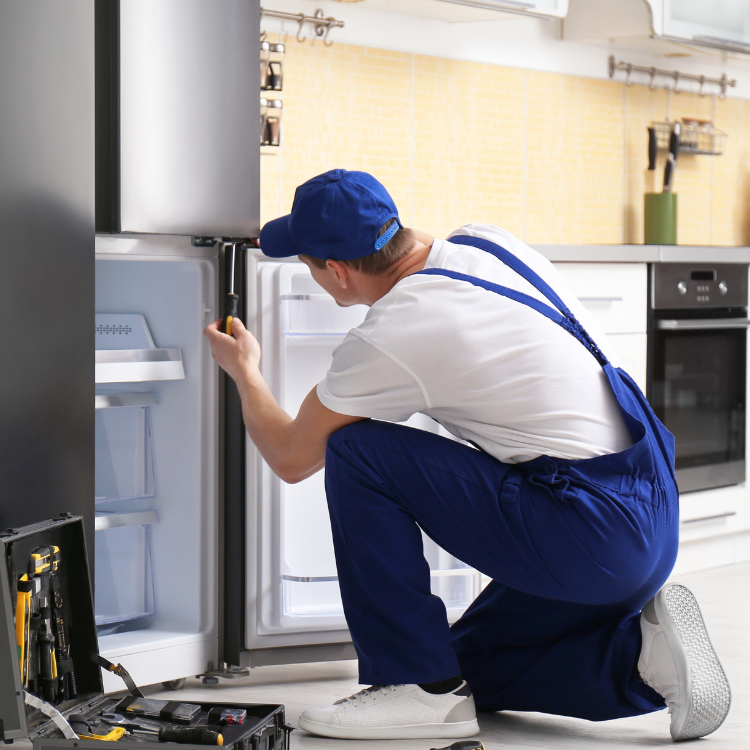
Confirm the refrigerator and freezer temperature controls are set correctly. Many fridges have separate controls, and accidental adjustments happen. Then listen for normal fan operation and pay attention to whether you feel air moving in the refrigerator section.
2) Check the door seal
If the gasket is loose or dirty, warm air can keep entering the refrigerator compartment. Wipe the seal and test the door closure by gently tugging on the gasket around the edges.
3) Look for frost patterns
Open the freezer area and check for excessive frost or ice buildup near the vents. Heavy frost can restrict airflow and prevent cold air from reaching the refrigerator section.
Professional observation: When the freezer seems colder than the refrigerator, it usually points to an airflow or defrost-related issue, not a simple “power problem.” A technician can confirm this by checking airflow paths, fan operation, and the defrost cycle.
Main Things Customers Should Understand
Refrigerators are complex systems that move cold air, control moisture, and manage ice buildup over time. When the fridge stops cooling, the cause is often one of a few repeat offenders. Below are common reasons a refrigerator is not cooling as expected, along with the symptoms homeowners typically notice.
| What you notice | Likely cause category | What a technician typically checks |
|---|---|---|
| Freezer is cold, fridge section is warm | Airflow restriction or fan issue | Air paths, damper/venting, and refrigerator or evaporator fan operation |
| Frost or ice buildup around vents | Defrost system problem | Defrost cycle function and components that prevent ice from blocking airflow |
| Both freezer and refrigerator are warm | Cooling system or temperature control issue | Proper temperature sensor readings and cooling performance of key components |
| Unit runs, but temperatures never stabilize | Temperature sensing or control issue | Temperature control inputs and consistency across refrigerator and freezer sections |
If you are dealing with a partially cooling refrigerator, pay special attention to whether you see ice accumulation and whether airflow seems weak. Those two clues often narrow the problem down quickly, which is why a careful symptom check is more valuable than “turning everything up.”
Practical recommendation: If you can safely access the freezer vents and you see persistent frost, do not keep opening the doors repeatedly to “see if it gets better.” Frequent warm air exposure can make the unit work harder and worsen ice buildup until the underlying issue is addressed.
Why This Matters in McKinney, TX
In McKinney, TX and nearby cities like Allen, Frisco, and Plano, refrigerators often run hard during stretches of high humidity and heat. That means door seals, airflow paths, and defrost performance get tested more often. If your household opens the refrigerator frequently, stores lots of warm leftovers, or you have a busy kitchen schedule, a small cooling issue can show up faster as “the fridge is not cooling” instead of gradually declining performance.
Common Mistakes to Avoid
It is easy to try fixes that seem reasonable, but they can lead to wasted time or additional damage. Here are common mistakes homeowners make when a refrigerator is not cooling properly.
Common mistake: Setting the temperature colder and leaving it there. This can increase compressor workload and does not fix an airflow or defrost restriction.
- Ignoring frost buildup: If ice is blocking vents, the refrigerator section can stay warm even while the freezer looks active.
- Overloading warm food: Putting hot items directly into the fresh-food compartment raises internal temperature and forces the unit to recover longer.
- Forgetting door gasket care: A dirty or misaligned gasket can cause warm air leaks that make the cooling problem appear worse.
- Not checking for blocked vents: Improperly arranged food can partially cover vents and reduce airflow to the refrigerator section.
Need help diagnosing your refrigerator not cooling?
Texas True Appliance Repair can help identify the real cause behind warm refrigerator compartments and weak airflow. Get in touch and describe what you are seeing, including whether the freezer is colder than the fridge.
Schedule refrigerator repair servicesCustomer Checklist
Use this quick checklist to prepare for repair day. It also helps you decide whether you are dealing with an airflow issue, a defrost-related problem, or something that needs more testing.
- Confirm both refrigerator and freezer temperature settings match what the manual recommends.
- Observe whether the freezer is staying colder than the refrigerator section.
- Check for frost or ice buildup near freezer vents.
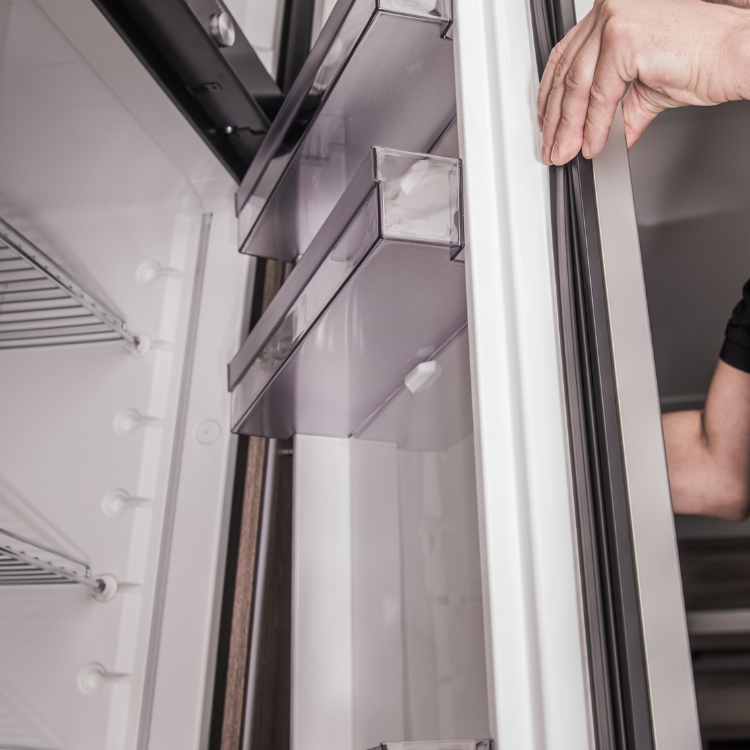
- Inspect the refrigerator and freezer door seals for gaps, tears, or debris.
- Make sure vents inside the refrigerator are not blocked by food containers.
- Write down when the cooling problem started and whether it has been getting worse.
Representative Scenario
A homeowner in McKinney noticed the freezer still felt cold, but the refrigerator section gradually warmed over two days. They checked the settings and confirmed the doors were closing normally. When they looked closer, they found heavy frost near the freezer vents, which explained why cold air was not reaching the refrigerator compartment. After careful inspection of the airflow path and the defrost cycle, the repair addressed the root cause instead of simply lowering the temperature. The refrigerator returned to normal cooling once airflow was restored and ice buildup stopped.
Frequently Asked Questions
Why is my freezer cold but my refrigerator not cooling?
When the freezer is colder than the refrigerator, the most common causes usually involve airflow or ice buildup. The refrigerator depends on cold air traveling from the freezer area through vents and internal channels. If those vents are restricted by frost or if a fan is not moving air properly, the refrigerator section can stay warm even while the freezer works. A technician can confirm this by checking airflow paths, inspecting frost patterns, and testing the components involved in moving cold air and managing defrost cycles.
What should I do if I see frost near the freezer vents?
Frost near the vents often signals a defrost-related problem, especially if the buildup is heavy or keeps returning quickly. You can start by minimizing door openings and ensuring food placement does not block vents. Avoid repeatedly turning the temperature down as a “test,” since it can make the unit work harder without fixing the restriction. Once you have a clear frost pattern, scheduling professional troubleshooting is the fastest way to prevent the refrigerator section from staying warm while the underlying issue continues.
Could a dirty door gasket cause my fridge to stop cooling?
Yes. A door gasket that is dirty, loose, or not sealing evenly can let warm air enter the refrigerator section. That increases the load on the cooling system and can make it feel like the fridge is not cooling properly. Start by wiping the gasket and checking for gaps when the door closes. If the seal looks damaged or does not sit evenly, the refrigerator may need service. A technician can inspect the gasket performance and also check whether the cooling problem is being aggravated by airflow or defrost issues.
Is it okay to keep food in the refrigerator if it is warm?
If the refrigerator section is not cooling, foods can reach unsafe temperatures faster than you expect. Focus on keeping perishable items as safe as possible until cooling is restored. If you notice sustained warmth, it is wise to move sensitive items to a cooler environment while you arrange repair. While you wait, avoid frequent door openings and do not overload the compartments with warm items. The goal is to reduce temperature swings while the technician diagnoses the cause of the cooling failure.
Do I need different repair help for commercial refrigerators?
Commercial refrigeration systems often operate differently than typical residential units and may be used more intensely. If you run a restaurant, office kitchen, or other business in the McKinney area, it can make sense to get service tailored to commercial appliance repair needs. Texas True Appliance Repair also supports commercial kitchen equipment repair and commercial appliance repair services, which can be helpful when you need the right approach for the equipment in your facility.
Get your refrigerator back to proper cooling
If your refrigerator is not cooling and you have already checked settings, seals, and basic airflow, a professional diagnosis is the most reliable next step. Texas True Appliance Repair serves McKinney, TX and surrounding areas including Allen, Frisco, Plano, and Prosper.
(469) 596-1814
Texas True Appliance Repair
Texas True Appliance Repair provides appliance repair services for homeowners and businesses across McKinney, TX and nearby areas. Whether you need refrigerator repair services or help with other major appliances, our approach focuses on practical diagnosis and professional appliance repair technician work that targets the real cause of the problem.
You can explore related services like dishwasher repair, washer repair, or commercial appliance repair services for additional appliance issues.
Related service options
If your cooling issue is only part of a larger kitchen problem, Texas True Appliance Repair can also help with refrigerator repair services and other appliance needs such as dishwasher repair services.