If your restaurant, office, or property’s kitchen equipment is acting “off,” the fix is often easier when you catch it early. This guide walks you through common warning signs, what to check first, and how to decide when to schedule professional help in McKinney, TX.
Last week, everything seemed fine until the prep fridge stopped running the way it usually does. This morning, the dishwasher cycle took longer than normal, and the oven is taking extra time to preheat. You can still cook and clean, but it’s costing time, raising food safety concerns, and making your staff troubleshoot instead of working.
This article helps you spot the early warning signs that your commercial appliances need repair soon, understand what those symptoms can mean, and decide what’s worth addressing right away versus what you can safely monitor. You will also get a practical checklist you can use before you call a technician.
- Quick answer
- What to check first
- Main things customers should understand
- Why this matters in McKinney, TX
- Common mistakes to avoid
- Customer checklist
- Frequently asked questions
Quick Answer
If a commercial appliance is running longer, cooling or heating inconsistently, producing unusual noises, or showing error codes, schedule repair before the problem escalates. Start with simple checks like power, door seals, and visible leaks, then stop using the unit if food safety or electrical concerns are involved. For restaurant equipment, temperature swings and poor cleaning can turn into bigger issues quickly, including ruined product and repeated cycle failures. A professional appliance repair technician can diagnose the root cause and address it while parts are still accessible and the damage is limited. For commercial help, contact Texas True Appliance Repair at (469) 596-1814.
What to Check First
Before you place a service call, you can narrow down what’s happening with a few targeted checks. These steps do not replace diagnostics, but they often help you describe the issue accurately and avoid unnecessary downtime.
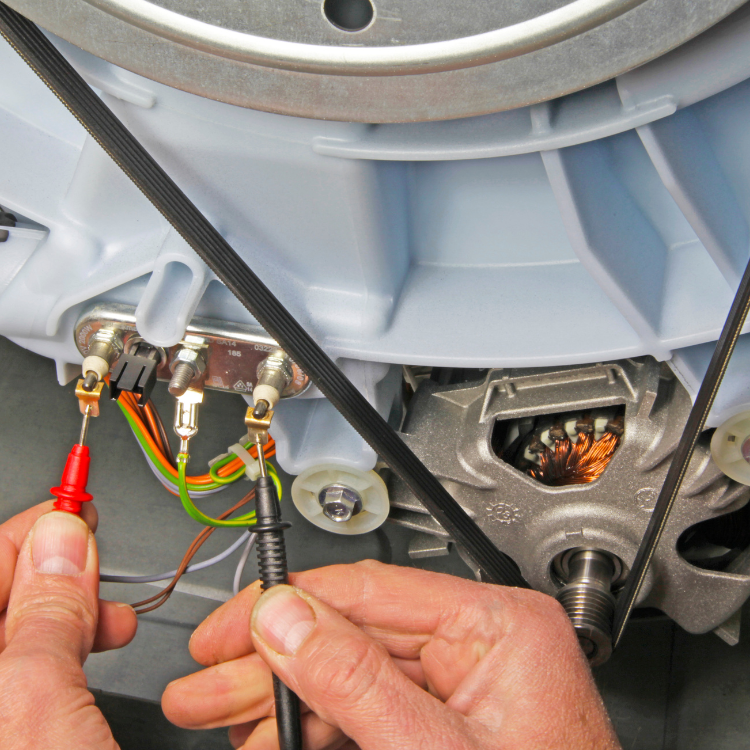
Professional observation: The fastest repairs usually start with clear, consistent symptom details. Note when the problem appears (during peak hours, after a power blip, after cleaning), and whether it happens every cycle or only on certain settings.
1) Confirm the basics
Check that the appliance has power, the correct mode is selected, and the unit is not overloaded. For cold storage, verify the door closes fully and that nothing is blocking airflow. For dishwashers, confirm the correct detergent and rinse aid are being used and that spray arms are not obstructed.
2) Look for early performance changes
Watch for patterns like longer heat-up times, weak water spray, slow draining, or repeated cycling. For ovens and ranges, note whether temperature seems off on the same setting. For refrigerators and fridges, note whether it is failing to recover after frequent door openings.
3) Watch for signs of active failure
If you notice water pooling, burning smells, sparking, or repeated tripping of breakers, stop using the unit and arrange professional service. Those symptoms can point to electrical or mechanical issues that should not be “tolerated” in an active commercial kitchen.
Main Things Customers Should Understand
Commercial appliances work harder than residential units. Even small problems can compound because they run through frequent cycles, cleaning routines, and constant opening and closing. Here are the most common categories of symptoms that typically mean repair is needed soon.
| Appliance or system | Common warning signs | What they can indicate | Why acting soon matters |
|---|---|---|---|
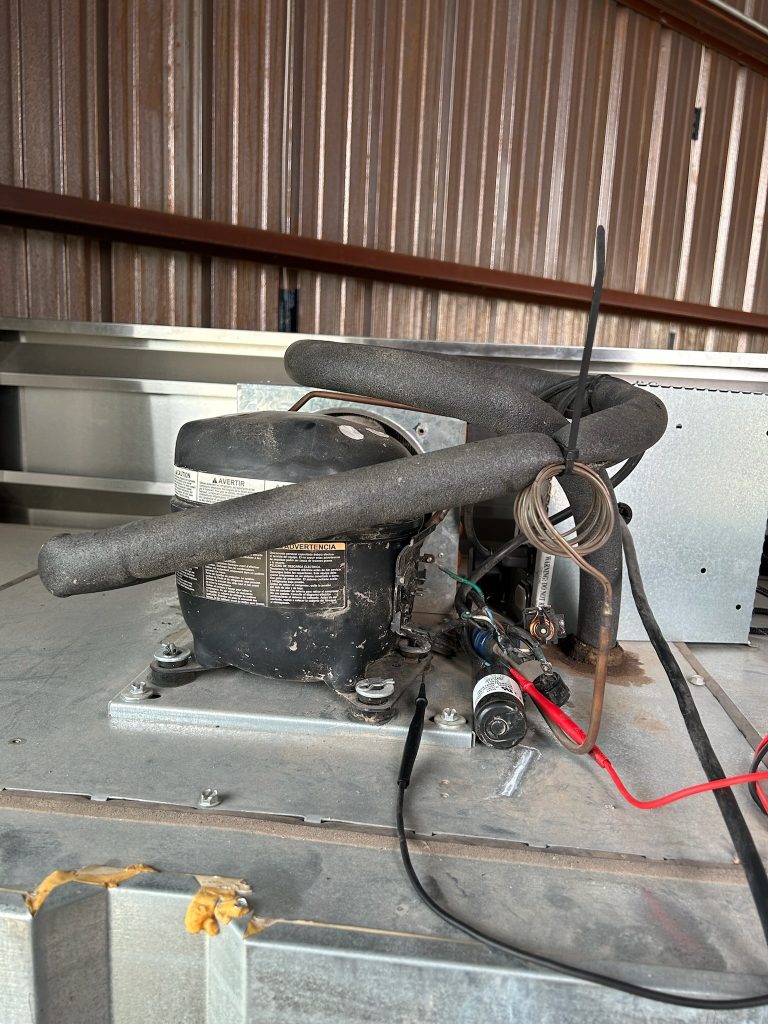
| Refrigerators and fridges | Inconsistent cooling, longer run cycles, food not staying at the right temperature | Cooling system performance issues, airflow problems, or sensor/control faults | Temperature swings can risk product quality and increase compressor strain |
| Dishwashers | Worse cleaning results, cloudy dishes, slow cycles, drainage issues | Spray performance, filtration/drain flow, or heating and control problems | Repeated poor cleaning increases rewash labor and can shorten component life |
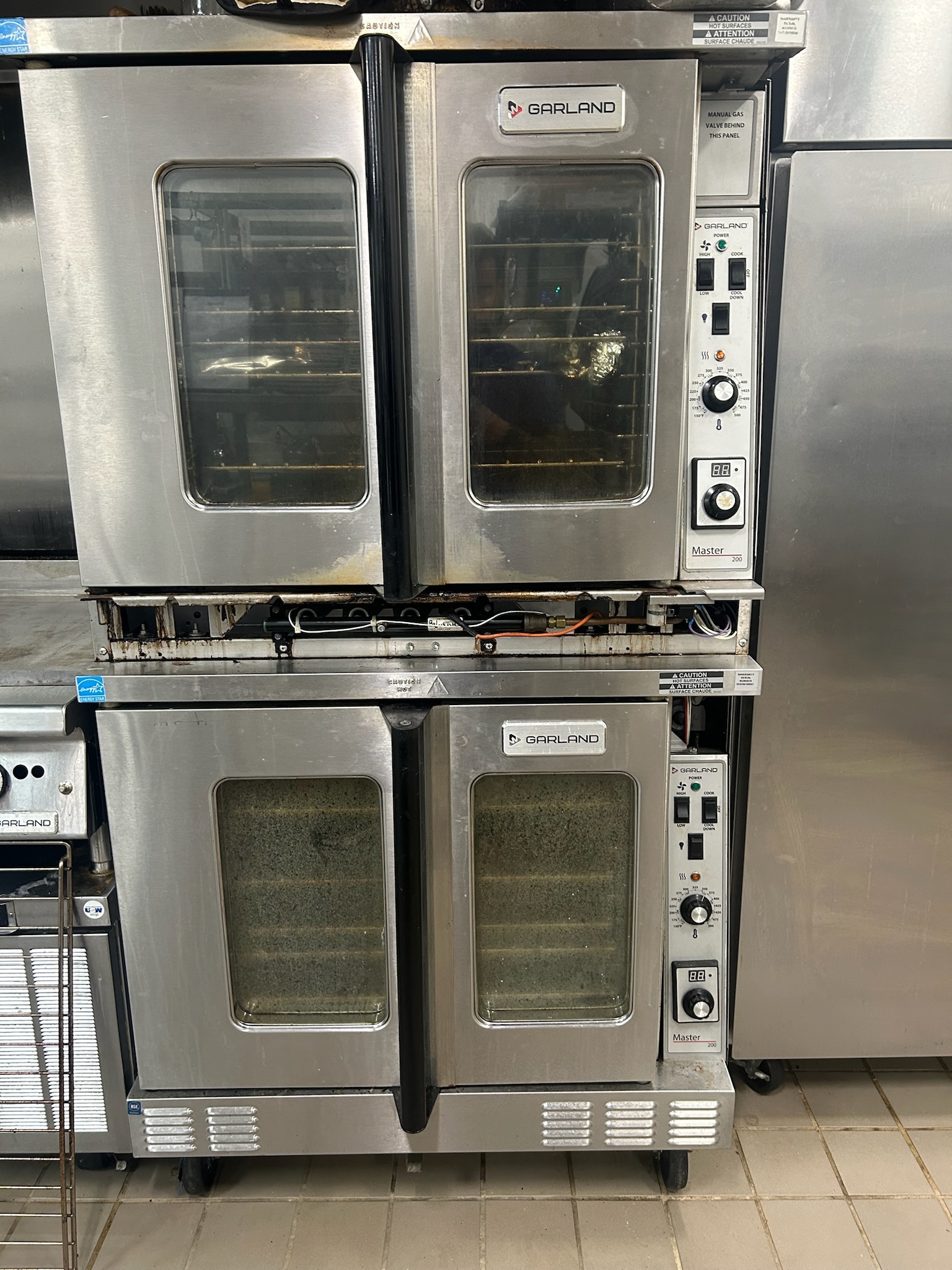
| Ovens, ranges, and stoves | Slow preheat, uneven temperatures, burner or heating irregularities | Heating element or ignition issues, control faults, or calibration problems | Inconsistent heat affects food output and can lead to more frequent failures |
| Microwaves | Uneven heating, weak power, cycle errors | Magnetron or control performance issues | Ignoring uneven heating often leads to repeated service calls |
| Garbage disposals | Jamming, grinding noises, slow draining | Blockage, motor strain, or component wear | Early attention can prevent damage that affects plumbing and workflow |
Early temperature issues
When cooling or heating performance drifts, the unit often keeps “trying” to reach the setpoint. That can increase cycle time and wear.
Dishwashing breakdowns
Dishwashers that clean poorly are more than an inconvenience. They can force extra rewash cycles and increase chemical use.
Oven and range inconsistency
Uneven heat can lead to inconsistent food prep. Fixing the source early helps protect output quality.
Why This Matters in McKinney, TX
In McKinney, TX, commercial kitchens and shared properties often run year-round with high usage during busy seasons and weekend events. When equipment starts acting up, it can be tempting to keep it going because staff can adapt. The problem is that small performance changes, like a refrigerator that takes longer to recover after frequent door openings, can become a daily food-handling headache.
Texas True Appliance Repair serves McKinney and nearby areas including Allen, Carrollton, Celina, Frisco, Little Elm, Melissa, Plano, Prosper, and Richardson. That local coverage matters because appliance downtime affects your schedule, not just one shift. Getting the right diagnosis sooner helps you plan repair around your operations instead of reacting to repeated failures.
Firsthand-style industry observation
In many commercial settings, the earliest “repair signals” show up as workflow friction. A dishwasher that takes longer, an oven that needs extra time, or a microwave that heats unevenly usually gets noticed by staff before it ever triggers a dramatic failure. By the time the unit stops working completely, the underlying cause has often been stressing components for weeks. Catching those symptoms early is one of the most practical ways to reduce downtime.
Get a diagnostic check for your commercial kitchen equipment
If you are seeing cooling, heating, draining, or cleaning issues, Texas True Appliance Repair can help identify what is actually going on and what to address next.
Talk to Texas True Appliance RepairCommon Mistakes to Avoid
Some habits feel harmless in the moment, but they often make commercial appliance problems worse. Here are the most common mistakes we see customers try before scheduling professional appliance repair services.
- Continuing to use a unit with temperature or heating inconsistency. If food is not being cooked or stored properly, the appliance issue can create a bigger operational risk.
- Ignoring drainage or water pooling in dishwashers. Small leaks and slow draining can lead to additional damage in surrounding components.
- Overloading cycles to “make up time.” Pushing more items through a dishwasher or oven can worsen performance and strain parts.
- Changing settings instead of diagnosing. Frequent adjustments can mask the symptom while the root cause continues.
- Using the wrong cleaning agents. For dishwashers, incorrect detergents or poor rinsing can interfere with performance and maintenance.
Customer Checklist
Use this checklist to prepare for service. The goal is to help your technician understand the issue quickly, reduce back-and-forth, and get your commercial equipment back to reliable operation.
Recommendation: Before calling Texas True Appliance Repair, write down your observations and bring them to the appointment. Even a short log can help a professional appliance repair technician pinpoint whether the problem is mechanical, electrical, or control-related.
- Which appliance is affected? Include the brand/model if you have it.
- What changed? Note the first day you saw the issue and what was different compared to normal.
- When does it happen? Every cycle, only during peak hours, or after cleaning?
- What is the symptom? Cooling/heating inconsistency, poor cleaning, unusual noises, draining issues, or error codes.
- Any visible signs? Leaks, residue buildup, loose parts, or burning smells.
- What have you already tried? Power reset, cleaning filters, checking seals, or changing settings.
Representative scenario (what this looks like on-site)
A property manager in McKinney reported that the on-site dishwasher was leaving dishes cloudy and taking longer to finish. Staff tried swapping detergent and running shorter cycles, which temporarily reduced the problem but did not fix it. After inspection, the underlying issue was tied to cleaning performance that affected how the unit heated and circulated water. Addressing it directly prevented repeated rewash cycles and reduced the chance of additional breakdowns. The key takeaway was that performance symptoms were consistent long before the unit fully failed.
Frequently Asked Questions
What are the earliest signs that commercial appliances need repair soon?
Early warning signs usually look like performance drift: longer run times, incomplete heating or cooling, weaker cleaning results, slow draining, or repeated cycling. You might also notice unusual noises or error codes that appear during certain settings. Because commercial equipment runs many cycles, these symptoms can escalate quickly if the underlying cause is left alone. A practical approach is to document what you see and check simple items like seals, spray arms, and visible leaks. If performance keeps getting worse or involves safety concerns, schedule repair before the appliance stops working.
Is it okay to keep using a dishwasher if it cleans poorly but still runs?
It depends on what “poorly” means in your operation. If dishes are coming out cloudy, not fully rinsed, or require frequent rewash, that points to a repair need because cleaning performance affects workflow and sanitation. If you also notice pooling water, persistent drainage problems, or error codes, stop using the unit and arrange service. Continuing to operate when cleaning and draining performance are off can increase chemical use, waste time, and potentially contribute to additional damage.
When should I schedule refrigerator repair services for a commercial fridge?
Schedule service as soon as you see inconsistent cooling, slower temperature recovery after frequent door openings, or food that does not stay at the expected temperature. Even if the unit still cools “enough” some of the time, inconsistent performance can increase compressor strain and create a daily food management problem. In a commercial setting, early repair helps reduce downtime and lowers the chance that a small issue turns into a bigger failure.
Can one appliance issue affect other equipment in the kitchen?
Yes. In commercial kitchens, appliances share workflow and sometimes building systems. For example, poor dishwasher drainage can create water issues that affect nearby equipment and cleaning routines. Refrigerator performance problems can change how staff manage prep and storage. Even when the equipment is independent, repeated downtime can overload other units and lead to additional strain. That’s why it’s helpful to address the first appliance showing warning signs rather than waiting for multiple items to fail.
Do I need residential-style repairs for commercial kitchen equipment?
Commercial appliances often require a different approach because they run more cycles, support higher output demands, and may involve equipment used daily by staff. Texas True Appliance Repair focuses on appliance repair services and commercial repairs, helping customers troubleshoot issues across common kitchen equipment. When you call, describe the appliance type, what it is used for, and the specific symptom pattern you’re seeing so the technician can come prepared.
Have a commercial appliance acting “off” in McKinney?
Texas True Appliance Repair can help you identify the cause and plan the next step for your equipment. If you want a clear path forward, contact us using the button below.
Contact Texas True Appliance Repair
Texas True Appliance Repair
Texas True Appliance Repair provides appliance repair services for customers in McKinney, TX and surrounding communities including Allen, Carrollton, Celina, Frisco, Little Elm, Melissa, Plano, Prosper, and Richardson. Whether you need commercial appliance repair services for kitchen equipment or support for appliances like refrigerators, dishwashers, ovens and ranges, microwaves, and more, our goal is to help you restore reliable performance based on the symptoms you are seeing.
For commercial repairs, visit commercial repairs. You can also explore specific service areas like garbage disposal repair.