
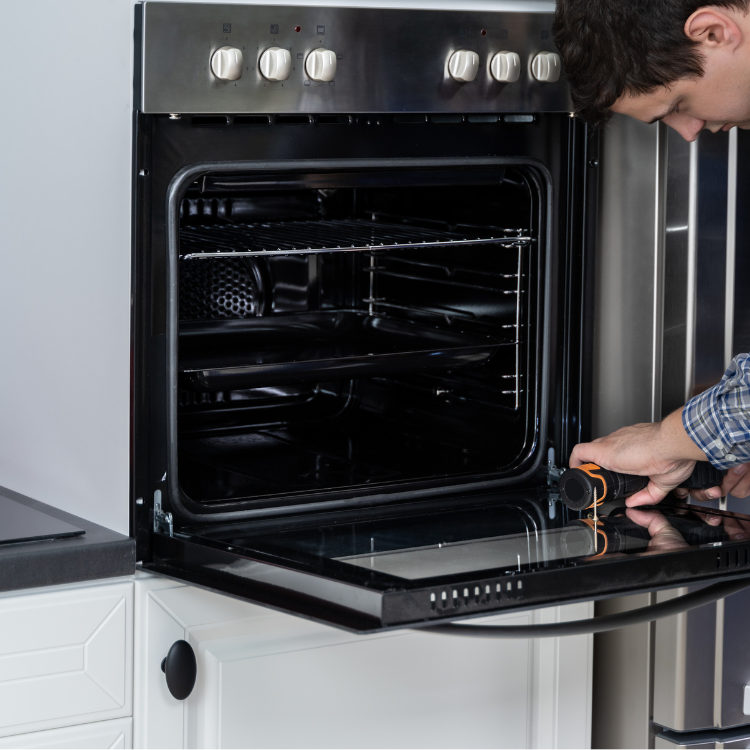
Commercial Appliance Repair: Reliable Repairs for Busy Kitchens
A busy McKinney restaurant can lose money in minutes when refrigeration goes down. I’ve seen it happen: the walk-in starts warming after a compressor cycles longer than usual, the ice machine stops producing, and suddenly prep schedules unravel. Even a “small” failure—like a dishwasher that won’t drain fully—can shut down service because staff can’t keep up with clean plates and sanitized glassware.
In North Texas, where kitchens run hard and schedules are tight, commercial appliance reliability isn’t just convenience. It’s revenue protection. That’s why commercial appliance repair services need to be more than a quick fix—they have to be diagnostic, repeatable, and fast enough to prevent downtime from snowballing.
Quick Answer
If your commercial refrigeration, dish machine, oven, or other kitchen equipment starts acting up, the safest path is professional diagnosis before parts get replaced blindly. Look for patterns like temperature swings, error codes, poor drainage, uneven heating, or repeated motor trips. A local technician can identify whether the issue is electrical, mechanical, airflow-related, or caused by installation and usage. For businesses, same day appliance repair and emergency commercial appliance repair can be critical—especially when food safety, sanitation, and prep timelines are at risk.
Commercial Kitchen Equipment Repair: What We Diagnose First
Most kitchen equipment failures come down to one of a few categories: power issues, airflow and ventilation problems, water quality/flow restrictions, failed components, or calibration/temperature control drift. The difference between a repair that holds and one that fails again is often how thoroughly those categories are checked.
A realistic service scenario we commonly run into
A restaurant called in because their dishwasher was “cleaning fine” but dishes were coming out with residue and the unit occasionally stopped mid-cycle. When we inspected it, the problem wasn’t the wash arms or the heating element alone—it was restricted water flow caused by partial blockage and a drain/recirculation issue that affected how well detergent and hot water mixed during the cycle. The unit would run, but the chemistry and temperature profile never fully matched what the cycle required.
That’s a common theme in commercial settings: equipment can appear “mostly working” while quietly failing the performance requirements that sanitation standards depend on.
Firsthand technician observation: the “normal until it isn’t” pattern
In kitchens, we often see equipment behave normally early in the day, then degrade as demand increases. That points to heat buildup, overloaded circuits, water pressure changes, clogged strainers/filters, or venting restrictions. When technicians only test the machine at rest (or at startup) without checking operation under load, the root cause stays hidden—and the repair doesn’t last.
Coverage matters: more than one appliance at a time
Commercial appliance repair services should coordinate across the kitchen because one failure can force staff to use backups differently. When that happens, other equipment gets stressed:
- Refrigeration works harder to recover after door openings and warm product loads.
- Ovens may run longer to compensate for temperature instability.
- Dishwashers may run with incorrect fill levels or longer cycles, increasing wear.
If you need commercial kitchen equipment repair, it’s smart to treat the kitchen like a system—not isolated devices.
For a service start point, you can review commercial kitchen equipment repair options at Texas True Appliance Repair.
Signs Your Commercial Appliances Need Repair
Commercial equipment doesn’t always “break” in an obvious way. Here are the patterns that usually mean a technician should check it soon:
- Refrigeration: temperature fluctuations, longer compressor run times, frost buildup where it shouldn’t be, or inconsistent ice production
- Dishwashers: residue, poor drying, slow drain, repeated cycle interruptions, unusual noises during wash
- Ovens and ranges: uneven baking, delayed preheat, burner issues, or inconsistent temperature readings
- Microwaves: weak heating, frequent errors, or arcing that doesn’t match normal operation
- Garbage disposals: jams, humming without grinding, or persistent drainage problems that affect sinks and prep areas
What Homeowners Often Overlook (and Businesses Too)
Even when the issue seems small, the wrong assumption can turn a manageable repair into a bigger one.
1) Waiting until the unit “stops completely”
Many failures progress from performance drift to shutdown. A refrigerator that slowly struggles to hold temp can still be “cold enough” for a while—until it isn’t. Same for dishwashers: residue and poor drying often worsen as scale builds, not improves.
2) Ignoring water quality effects
Hard water is common across North Texas. It doesn’t just leave mineral deposits—it affects:
- heating efficiency in dishwashers
- water flow and spray performance
- internal valves and sensors over time
3) Resetting without diagnosing
Clearing errors or cycling power might restart the unit, but it doesn’t fix the cause. If a control board or sensor is failing intermittently, repeated resets can shorten component life and confuse troubleshooting later.
4) Using the wrong cleaning chemicals or techniques
In a commercial environment, staff turnover and supply changes happen. Some chemicals can damage internal components or create residue that interferes with sensors and drainage.
Common Mistakes That Lead to Expensive Breakdowns
Here’s what we see most often when kitchens and homes end up calling for repairs after avoidable wear:
- Skipping preventive maintenance: filters, strainers, and venting get neglected until airflow or drainage becomes the problem.
- Overloading refrigerators and freezers: packed product blocks airflow and causes uneven temps—especially in high-traffic kitchens.
- Ignoring small drainage issues: a slow drain or gurgling sound in a dishwasher or disposal can lead to backups that damage pumps and seals.
- Assuming a “heating problem” is always the heating element: uneven heat can come from calibration, airflow issues, faulty temperature sensors, or relay problems.
- Letting technicians replace parts without testing the system: replacing a compressor, pump, or control can be costly if voltage, airflow, or water flow problems weren’t confirmed first.
If you’re trying to decide between repair and replacement, you’ll want to consider repair history, parts availability, and whether the underlying system issue has been addressed.
Repair, Maintenance, or Troubleshooting Checklist
Use this practical checklist to help you act quickly—especially in commercial kitchens where downtime matters.
Daily/Shift Checks (quick, low-disruption)
- Refrigeration: confirm actual cabinet temperature and watch for sudden swings during busy periods
- Dishwashers: check for standing water, unusual cycle length, poor drying, or residue patterns
- Ovens/ranges: verify preheat timing and whether the oven holds steady under normal use
- Listen and observe: note new grinding sounds, clicking patterns, or abnormal fan/compressor behavior
Maintenance Tasks That Prevent Repeat Calls
- Clean and inspect wash arms, strainers, and filters (as your model allows)
- Check drain performance: slow drainage often means clogged filters/hoses or pump strain
- Inspect door seals and gaskets on refrigeration units
- Verify venting/airflow around refrigeration and heat-producing equipment
- Confirm correct detergent and chemical use for dishwashers
When to call for same day appliance repair
Call quickly if you see:
- temperature rising in cold storage
- dishwasher failure to drain properly
- repeated tripping of breakers or persistent error codes
- burner won’t ignite consistently or oven won’t hold temperature
For businesses that can’t wait, same day appliance repair and emergency commercial appliance repair can make the difference between a short interruption and a full-service shutdown.
If your issue is tied to refrigeration, you can also start with refrigerator repair services to get the right diagnostic direction.
Quick Comparison: Repair vs Replacement (Commercial Context)
Sometimes replacing parts makes sense; sometimes equipment upgrades are the smarter move. Here’s a practical way to think about it:
| Situation | Repair is usually best when… | Replacement may be better when… |
|---|---|---|
| Refrigeration instability | one or two components are failing and airflow/water issues are resolved | multiple systems are failing, or efficiency is already very low |
| Dishwasher residue/drain issues | you can restore correct wash/rinse/drain performance | the unit is old with repeated failures and escalating downtime |
| Oven temperature inconsistency | calibration/sensor/control is the root cause | the oven is no longer stable and repairs keep returning |
In commercial kitchens, we often recommend repair first when the equipment is still structurally sound and the diagnostic points to a specific failing component. If the root cause is recurring (for example, repeated water flow restrictions or persistent calibration drift), then part replacement alone won’t solve it.
If you’re dealing with cooking performance issues, check oven repair services for diagnosis options and practical next steps.
What We Commonly See in North Texas Appliances (Seasonal Strain)
North Texas heat changes how appliances behave. In summer, refrigeration systems work harder, and that reveals weaknesses faster:
- Condenser airflow gets restricted (dust, grease, blocked vents)
- Compressor run times increase, which stresses start relays and capacitors
- Door openings increase during peak service, especially with warm incoming product
We also see dishwashers and water-heating systems struggle when kitchen demand rises—especially if water flow is inconsistent or scale buildup has reduced efficiency over time.
In McKinney, kitchens often run on tight schedules while facilities continue to expand (more staff, more prep, more batch cooking). That increased throughput makes early warning signs more obvious—if you catch them.
Our Experience Repairing Appliances in Texas Homes and Businesses
Texas True Appliance Repair works across residential and commercial needs, but the diagnostic mindset stays consistent: identify the cause, confirm it through testing, then repair in a way that prevents repeat failure.
For example, when a dishwasher troubleshooting issue shows up as “dirty dishes,” we don’t stop at the first visible part. We check water delivery, drainage behavior, wash cycle performance, and heating/drying systems. If you’re dealing with residue or cycle interruptions, dishwasher repair technician near me support can help you avoid guesswork.
Another anonymized service case (what solved it)
A small catering business reported their microwave “wasn’t heating right.” The unit powered on and the turntable worked, but food took noticeably longer and sometimes didn’t heat evenly. Inspection showed issues related to consistent energy delivery (not just “it needs a new magnetron” as many people assume). After correcting the underlying electrical/control fault and verifying operation under typical loads, heating returned to normal—without repeatedly swapping parts.
That’s why professional appliance repair services matter: the right test prevents the wrong replacement.
Ready to Restore Your Appliances or Commercial Equipment?
If your kitchen equipment is costing you time—whether it’s refrigeration instability, dishwasher performance issues, or oven temperature problems—fast, accurate diagnostics are the real advantage. You’ll get a clear repair plan, practical options for downtime reduction, and guidance to help prevent the same failure from coming back.
About Texas True Appliance Repair
Texas True Appliance Repair provides residential appliance repair, commercial kitchen equipment repair, refrigerator diagnostics, dishwasher repair, oven repair, and emergency appliance services throughout McKinney, TX and surrounding North Texas communities. The company focuses on accurate diagnostics, reliable repairs, fast response times, and helping homeowners and businesses reduce costly appliance downtime through professional service and preventative maintenance.
FAQ
How quickly can you handle emergency commercial appliance repair?
If the issue affects food safety or service continuity (like refrigeration temperature rise or dishwasher draining failure), we prioritize rapid diagnostics and response scheduling. The exact timeline depends on parts availability and the equipment model, but the goal is always to reduce downtime by confirming the fault quickly and repairing efficiently.
Why does my dishwasher leave residue even after I run it again?
Residue usually means the wash cycle isn’t achieving the correct water delivery, temperature profile, or detergent mixing—often paired with drainage or filtration restrictions. Running it again can waste time and water without fixing the cause. A technician should verify water flow, drain performance, and cycle components.
My refrigerator runs but the temperature won’t stay consistent. What does that indicate?
That pattern commonly points to airflow problems (blocked vents), door seal issues, condenser performance limitations, or failing electrical components like a start relay/capacitor. In some cases, the unit is working harder to compensate for a system restriction, which increases wear.
When should a business consider replacing commercial equipment instead of repairing it?
Replacement becomes more likely if the same equipment has repeated failures, multiple major components are aging at once, or the unit’s performance is no longer meeting operational needs. A professional diagnostic should also confirm whether the root cause is component failure versus install/setup or water/venting conditions.
What’s the best way to prevent repeat repairs in a kitchen?
Track symptoms, keep strainers/filters clean, address slow drains early, and ensure refrigeration airflow paths stay unobstructed. Also, don’t ignore small performance changes—especially in North Texas summer conditions—because they often predict larger failures later.