
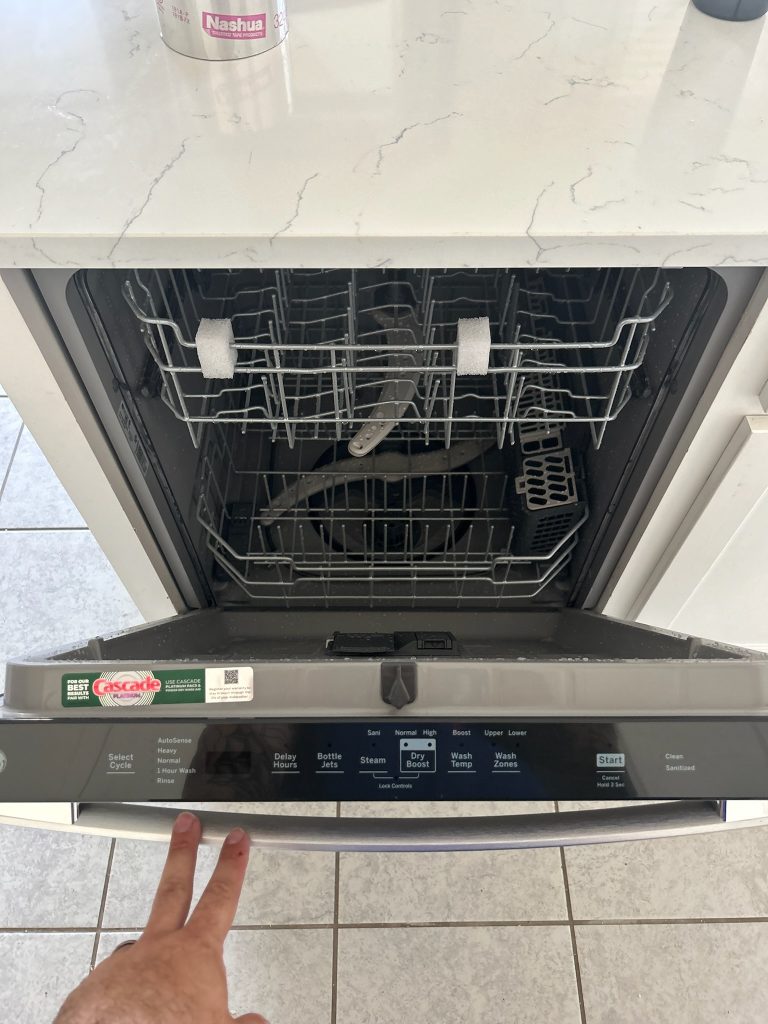
Professional Appliance Repair: Precision Troubleshooting You Can Trust
Last summer, a McKinney homeowner called Texas True Appliance Repair after their refrigerator started cycling nonstop—fans running, compressor humming, then shutting off and warming the next day. The family had just restocked groceries, and the real problem wasn’t only spoiled food. It was the uncertainty: Was the unit failing for good, or was it a simple fix they could avoid?
In North Texas heat, refrigeration issues can escalate fast. When airflow is restricted, sensors drift out of spec, or a defrost system malfunctions, the refrigerator may still “run,” but it won’t actually maintain safe temperatures. That’s why precision troubleshooting matters. A technician has to confirm what’s happening—temperatures, airflow, electrical loads, and component behavior—rather than guessing based on symptoms alone.
At Texas True Appliance Repair, we focus on accurate diagnosis for both residential appliances and commercial equipment—so you’re not paying for parts that don’t solve the root cause. If you’re dealing with refrigeration, dishwashing, cooking, laundry, or commercial kitchen downtime, you deserve the kind of repair process that holds up under real-world use.
Quick Answer
Professional appliance repair starts with diagnosis, not parts swapping. For most common failures (refrigerators not cooling, dishwashers not draining, ovens heating unevenly, washers/dryers failing mid-cycle), the fastest path to a reliable fix is:
- identify the specific system that’s failing (cooling, defrost, wash/drain, calibration/heat, water fill/pressure)
- test airflow and temperatures (for refrigeration), heater/thermostat behavior (for cooking), and pump/filter/drain function (for dishwashers)
- address the root cause and prevent recurrence (common culprits include restricted vents, hard-water scale, clogged filters, failing relays, and thermostat/sensor drift)
If you’re looking for same-day support, you can schedule diagnostics through appliance repair services.
A Real Technician Look at What “Precision Troubleshooting” Actually Means
Here’s what I mean by precision from a service call perspective.
Scenario (anonymized service case)
A restaurant manager in North Texas reported that their walk-in refrigerator “worked sometimes.” The temperature log showed swings of nearly 20°F overnight. The compressor would kick on, then off early, and product temperatures drifted upward by morning.
The first instinct is often to replace the thermostat or the compressor. But in this case, the real failure was airflow-related: a restriction at the evaporator area combined with a defrost cycle that wasn’t clearing properly. The system ran, but it wasn’t distributing cold air consistently. Replacing the “obvious” component would have been expensive—and it still wouldn’t have stabilized product temps.
That’s a key difference between guessing and troubleshooting:
- We verify what the system is doing, not what we assume it should do.
- We measure and test, then repair the part that’s actually causing the mismatch.
Signs Your Appliance Needs Repair
Most appliance failures don’t start as “dead.” They start as small performance changes that get worse if ignored.
For refrigeration
- refrigerator runs constantly but food still warms
- ice maker produces low ice or stops intermittently
- frost builds up in the wrong places (or not enough where it should)
- repeated clicking from the control area with no temperature stability
For dishwashers
- water doesn’t drain fully at cycle end
- dishes have residue or film even after running hot cycles
- leaks under the door or pooling near the front
For ovens and ranges
- uneven heating (hot spots or slow preheat)
- burners ignite but won’t maintain heat
- temperature reads “right” but food cooks unevenly
For washers and dryers
- wash cycles stop mid-cycle or fail to drain/spin
- dryer runs but clothes stay damp
- unusual noise from the drum or motor strain from overloading
For garbage disposals
- humming but no grind
- intermittent jamming
- slow drainage that points to clogged feed or impeller issues
If you’re seeing any of the above, stopping early often saves money. Delayed repairs frequently lead to secondary damage—especially with refrigeration and draining systems.
What Homeowners Often Overlook
Here are the oversights we see most in Texas homes:
1. Ignoring airflow restrictions in refrigerators
- When vents are blocked by food placement or drawers are overpacked, the unit can’t move cold air properly. The compressor works harder, and temperature swings follow.
2. Assuming a dishwasher “clean cycle” is enough
- In hard-water areas, scale builds on spray arms, heaters, and internal components. You can run detergent and still end up with residue because minerals are blocking performance.
3. Overloading laundry and repeating the same cycle
- Overloading doesn’t just reduce cleaning quality—it increases strain on belts, motors, and drain performance. The unit may still run, but it’s working beyond what it should.
4. Waiting for an oven issue to “go away”
- If an oven is out of calibration or a thermostat/heating element is failing, the heating pattern changes. That can ruin meals and push the unit toward more failures over time.
5. Resetting controls instead of diagnosing
- Power cycling can sometimes clear a fault, but it doesn’t fix the underlying issue—especially when sensors, relays, or thermistors are drifting.
What We Commonly See in North Texas Appliances
North Texas conditions add pressure to appliances in ways people don’t always associate with repairs.
Seasonal refrigeration strain (Texas heat)
During summer, refrigeration systems face higher load: warmer ambient air, more frequent door openings, and higher demand for consistent cooling. If a refrigerator is already running inefficiently—due to a weak fan, a partially blocked vent, a failing defrost component, or dirty condenser coils—it may only show its full symptoms once the weather turns hot.
Hard water and dishwasher performance
Hard water leads to scale buildup on heating elements and internal surfaces. Over time, that scale reduces heat transfer and can contribute to inadequate drying and residue.
Power fluctuations and control behavior
North Texas homes and commercial buildings can experience brief electrical inconsistencies. Many modern appliances respond by faulting, cycling oddly, or running longer to compensate. A good diagnostic checks for both component failure and control behavior.
Common Mistakes That Lead to Expensive Breakdowns
1) Replacing parts without confirming the system’s cause
A “new part” doesn’t fix a blocked vent, restricted airflow path, clogged drain line, or bad calibration.
2) Using the wrong maintenance approach
- Cleaning with the wrong products can damage seals and components.
- Skipping basic cleaning (like filters) turns minor issues into pump failures.
3) Treating error codes as a diagnosis
Error codes guide troubleshooting, but they don’t tell the whole story. A code can appear because a sensor is failing or because the system conditions are wrong (like airflow or drainage restrictions).
4) Delaying commercial repairs until products are lost
Restaurant equipment downtime costs real money: food spoilage, lost sales, and rushed replacements. The longer an issue persists, the more likely it becomes a multi-component failure.
5) Not scheduling targeted help for specific appliances
Trying to use general service advice for a fridge, dishwasher, and oven at the same time often leads to repeated missteps. Different systems fail differently—so repairs should be system-specific.
Repair vs Replacement: When Professional Advice Matters
You don’t have to guess whether to repair or replace. A technician should evaluate:
- the failed component and whether it’s likely to be a one-off issue
- how long the appliance has been in service
- whether replacing the part would restore performance to expected specs
- the risk of secondary failures (especially in refrigeration and dishwashers)
Quick decision guide (general rule of thumb)
| Situation | Repair is usually the better choice | Replacement may be the better choice |
|---|---|---|
| Failure is isolated (sensor/relay/valve) | Yes | If multiple systems are failing |
| Appliance is relatively newer | Yes | If it’s older and reliability is declining |
| Parts cost is reasonable | Yes | If repair approaches replacement cost |
| Root cause is maintenance-related buildup | Yes | If repeated issues indicate deeper wear |
| Commercial equipment affects daily operations | Often repair sooner to reduce downtime | If ongoing repairs won’t stabilize performance |
If you want to compare options for a specific unit, the best first step is diagnostic testing. For refrigeration, you can explore refrigerator repair services and get a clear plan based on what’s actually failing—not what’s easiest to guess.
Appliance Maintenance Checklist (Do This Between Service Visits)
Use this checklist to reduce repeat failures and catch issues early:
Monthly (quick checks)
- Refrigerator
- confirm vents aren’t blocked by food placement
- check door seals for gaps and consistent closing
- Dishwasher
- run hot water briefly before starting (helps temperature stability)
- remove food debris from the filter area
- Oven/Range
- watch for cold spots or inconsistent preheat
- Washer/Dryer
- listen for unusual noises and check for damp loads after normal cycles
- Garbage Disposal
- avoid fibrous items and run water long enough after grinding
Every 3–6 months
- inspect dryer vent accessibility and clean lint buildup around the unit
- clean refrigerator condenser area if accessible per manufacturer guidance
- check dishwasher spray arms for mineral buildup or restricted movement
Before peak seasons
- schedule diagnostics if you notice performance drift (cooling weaker, drying worse, draining slower)
- for commercial kitchens, confirm refrigeration stability and drain reliability before rush periods
When You Need Help Fast: Same-Day Diagnostics and Practical Next Steps
Some problems can’t wait—especially when food safety, storage temperatures, or kitchen operations are involved.
If you’re dealing with urgent breakdown symptoms, Texas True Appliance Repair supports fast scheduling through same day appliance repair options based on availability. The goal is simple: get eyes on the unit, test the system, and recommend the most reliable fix.
For homeowners, same-day service often prevents food loss and reduces the chance the issue spreads to adjacent components. For businesses, it reduces downtime and limits the cost of emergency workarounds.
Refrigerator Repair Services: What We Test Before Replacing Anything
Refrigerators fail in patterns. A professional refrigerator diagnostic should check:
- Cooling performance: temperature stability over time, not just “it runs”
- Airflow: fan operation and obstruction points
- Defrost behavior: whether frost is forming where it shouldn’t
- Thermistor/sensor readings: drift can cause incorrect cycle decisions
- Condensing efficiency: condenser cleanliness and airflow around it
- Drain pathway: blocked drains can cause recurring issues and moisture problems
If your unit is struggling, you can get appliance-specific support through fridge repair near me type service planning (we’ll confirm the actual issue first, then recommend parts and labor accordingly).
Dishwasher Repair Services: Common Root Causes We See
Dishwashers often look “simple” until you start testing.
Typical causes include:
- clogged filter and debris buildup limiting spray effectiveness
- drain pump issues that leave standing water
- failing heating component that reduces drying performance
- worn door latch or poor sealing that affects cycle behavior
- hard water scale limiting spray arm movement and cleaning power
If you’re troubleshooting residue, pooling water, or inconsistent cycles, you may benefit from targeted support from dishwasher troubleshooting assistance and professional dishwasher repair technician evaluation.
Oven and Range Repair: Uneven Heat Isn’t Always a “Bad Burner”
Uneven cooking is one of those problems people blame on recipes or cookware—until it happens repeatedly.
Common causes include:
- thermostat or control board drift
- faulty temperature sensing
- heating element degradation
- miscalibration after maintenance or power interruptions
- inadequate heat distribution on certain models
For reliable evaluation and repair planning, consider oven repair services with technician-led calibration and component testing.
Commercial Appliance Repair: Protecting Revenue, Not Just Equipment
When a business calls for help, the goal isn’t just fixing a broken item—it’s reducing downtime and stabilizing production.
Texas True Appliance Repair supports commercial service through commercial appliance repair services for businesses that can’t afford repeated breakdowns.
Restaurant equipment repair priorities we focus on
- keeping refrigeration stable for food safety and inventory protection
- ensuring dishwashing systems drain and sanitize correctly
- restoring cooking capacity without uneven heat that ruins product consistency
- minimizing repeat failures through root-cause diagnostics
For a commercial kitchen, emergency repairs can be the difference between a controlled fix and a chaotic scramble. If you’re dealing with a failure that’s already impacting service, ask about emergency commercial appliance repair scheduling options.
Quick Case Example: A Dishwasher That “Wasn’t Cleaning”
A homeowner reported that their dishwasher “still runs” but dishes came out with a cloudy film. They tried new detergent and increased cycle time. The next step was a diagnostic: the technician checked the filter condition, inspected the spray arm movement, and tested drain performance.
The root issue was restricted spray due to mineral buildup and partial drain behavior that left water behind at the end of the cycle. That combination prevented full wash action and reduced drying. After addressing the buildup and the drainage fault, cleaning performance returned to expected results—without replacing the entire dishwasher.
McKinney and North Texas Relevance: Why Local Conditions Matter
In McKinney and surrounding North Texas areas, refrigeration and dishwashing issues tend to show up more aggressively due to:
- summer temperature load increasing refrigeration demand
- frequent door openings in busy households
- hard water affecting dishwasher performance and internal heating efficiency
- heavy usage cycles that accelerate wear on drainage and heating components
That’s why “same symptom, different cause” is so common locally. A refrigerator that struggles in July may not be failing in the same way as one that struggles in winter. A technician should factor in seasonal strain and usage patterns when deciding what to test first.
FAQ
How do I know if my refrigerator is worth repairing?
If the compressor is running but temperatures won’t stabilize, it’s often repairable—especially when the issue is airflow, defrost behavior, sensors, or control components. A diagnostic should confirm temperature performance, airflow, and defrost function before recommending parts. If multiple sealed-system components are failing or the unit is consistently out of spec, replacement may be more cost-effective.
Why does my dishwasher keep leaving residue on dishes?
Residue is commonly tied to poor spray action (clogged filters/spray arms), hard-water scale limiting heating, or drain issues that leave water behind. Even with the right detergent, restricted spray and incomplete draining can cause film. Testing the filter, spray arms, and drain performance usually reveals the root cause quickly.
What causes ovens to heat unevenly?
Uneven heating often comes from thermostat/control drift, failing temperature sensing, degraded heating elements, or calibration issues. If one side heats faster or preheat takes longer than it used to, a technician should verify heat output and control behavior—not just replace a burner blindly.
How quickly should commercial kitchen equipment be repaired?
As soon as it impacts service or food safety. Refrigeration instability and dishwashing sanitation issues can create immediate operational risk. The best time to repair is when performance begins drifting, before it becomes a full downtime event.
Ready to Restore Your Appliances or Commercial Equipment?
If your refrigerator isn’t keeping temperature, your dishwasher isn’t draining or cleaning properly, or your business can’t afford equipment downtime, precision troubleshooting is the difference between a temporary fix and a reliable repair.
About Texas True Appliance Repair
Texas True Appliance Repair provides residential appliance repair, commercial kitchen equipment repair, refrigerator diagnostics, dishwasher repair, oven repair, washer and dryer troubleshooting, and emergency appliance services throughout McKinney, TX and surrounding North Texas communities. The company focuses on accurate diagnostics, reliable repairs, fast response times, and helping homeowners and businesses reduce costly appliance downtime through professional service and preventative maintenance.