
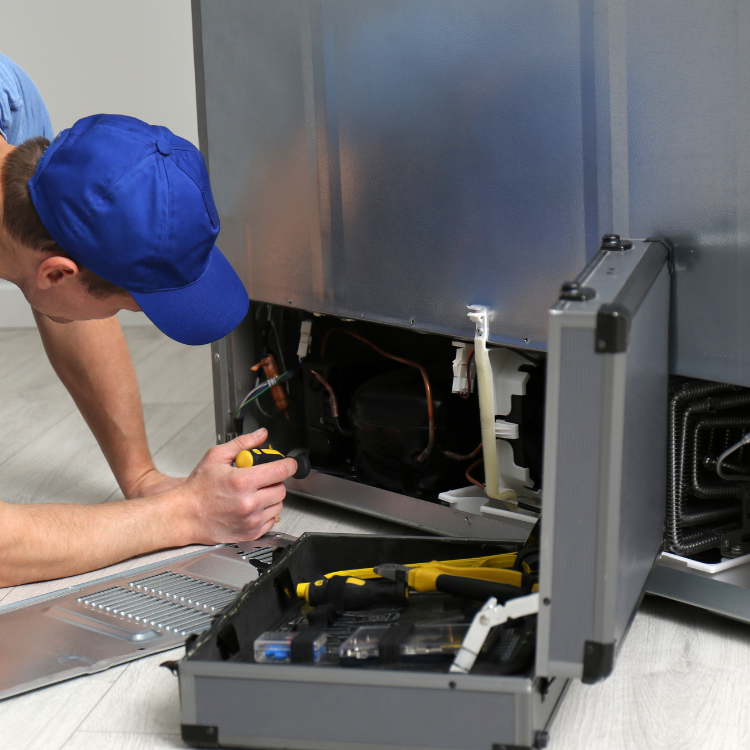
Dishwasher Repair: Solve No-Drain and Error Code Headaches
The call usually starts the same way in North Texas: “Our dishwasher won’t finish the cycle—water just sits there.” Last month, a homeowner in McKinney told us their unit stopped mid-cycle with a standing pool at the bottom and a blinking error code. The kitchen smelled like old rinse water within hours, and every attempt to “run it again” only made the problem worse.
Dishwashers that won’t drain are more than an inconvenience. They trap food debris, can trigger repeated error codes, and—if you have hard water—can speed up buildup in the pump and drain lines. For busy households (and especially for businesses that rely on clean dishes), that downtime adds up fast.
Quick Answer
A dishwasher that won’t drain is commonly caused by one of these: a clogged filter, failed drain pump, obstruction in the drain hose/garbage disposal connection, or a float/sensor issue that tells the unit the tub is still full. Error codes often point to the same root problem, just with different wording by brand/model.
If you’re seeing standing water, don’t keep restarting cycles. The safest approach is to stop the unit, remove standing water if possible, check the filter/sump area, and then call for diagnostics if the pump or control is suspected—especially if the dishwasher repeatedly throws the same code.
What We Commonly See in North Texas Dishwashers (and why)
The technician “first look” I do
When I open a dishwasher that won’t drain, the first thing I check isn’t the control panel—it’s the sump area (where the filter sits) and the drain path immediately around it. In many no-drain calls, the filter is packed with fine food particles and grease film that you can’t see from the top rack. That sludge restricts water flow and can prevent the drain pump from moving water efficiently.
If the unit is also flashing an error code, it usually means the dishwasher detected “no water evacuation” within a timed window. Brands vary, but the logic is similar: the machine expects the tub to clear, and if it doesn’t, it stops and alerts you.
Hard water makes the problem show up faster
McKinney homes and many areas across North Texas deal with hard water. Hard water doesn’t just leave scale on glassware—it also forms mineral buildup inside drain components over time. Even if your dishwasher “seems to run fine,” restricted drain passages can turn a small clog into a full no-drain situation.
Signs Your Dishwasher Needs Repair
You don’t always need a full breakdown to justify service. Look for patterns like:
- Standing water in the tub after the cycle ends
- Error codes that return after the same steps (especially after reset/restart)
- Water backing up into the sink when the disposal runs
- A humming sound during drain attempts but no water movement
- Repeated wet spots under the filter area
- Unusual odors that don’t clear even after cleaning
If you’ve had to “manually bail out” water or you’re repeatedly running short cycles to compensate, it’s time for diagnostics rather than more trial-and-error.
Common Mistakes That Lead to Expensive Breakdowns
1) Re-running cycles on a no-drain dishwasher
A lot of people try this: cancel the cycle, hit start again, and hope it clears. If the drain pump is already struggling against a blockage or restriction, re-running can overheat the pump motor or aggravate a jam.
2) Ignoring the filter and sump area
Dishwashers aren’t self-cleaning. Food particles and grease build up in the filter and sump. If the filter is overdue, the drain pump works harder and fails sooner.
3) Skipping the garbage disposal check (if connected)
Many dishwashers drain through a disposal. If the disposal is clogged, slow, or not draining properly, the dishwasher can’t evacuate water. Some homeowners assume the dishwasher is “the only problem” and miss the real restriction.
4) Using the wrong cleaning approach
Scraping out the filter is fine. Pouring harsh chemicals repeatedly isn’t. Over time, aggressive cleaners can damage seals, degrade components, and create more issues than they solve.
Dishwasher Troubleshooting & Maintenance Checklist
Use this checklist to narrow down the cause before you schedule service. If you find anything that suggests a damaged pump or persistent blockage, stop and get a technician—no-drain problems are one of those issues where “guessing” can cost you.
Quick troubleshooting checklist (safe to do)
- Turn off power (or unplug) before reaching into the sump area.
- Remove and inspect the filter and rinse it thoroughly.
- Check the drain area around the sump for food particles, broken glass, labels, or debris.
- Look for blockages in the drain hose connection (if accessible).
- Check the garbage disposal (run it and confirm it drains freely if your dishwasher is connected).
- Inspect for standing water: if it remains after multiple attempts, the issue is likely mechanical (pump/hose/sensor) rather than detergent-related.
- Confirm the float/sensor moves freely (some models use a float mechanism that can stick from residue).
What typically needs professional diagnostics
If the basics don’t restore drainage, these are common culprits:
- Drain pump failure (weak pump, seized motor, or electrical issue)
- Obstruction in the drain hose or hard-to-reach line areas
- Faulty drain sump components or internal valves
- Control board or sensor faults related to water level detection
In many cases, the “error code headache” is really the dishwasher trying—and failing—to clear water within the programmed time.
A Realistic Service Case (Anonymized)
We recently diagnosed a dishwasher that threw the same no-drain code after every cycle. The homeowner cleaned the filter twice, which improved the smell but didn’t fix the standing water. On inspection, we found mineral buildup and a partial blockage in the drain path that wasn’t visible from the top.
The drain pump was still running, but it was fighting restricted flow. The pump sounded normal for a short time, then slowed as load increased—exactly the kind of situation that makes the dishwasher “give up” and throw an error.
Repair outcome: We cleared the restricted drain section and replaced the pump once we confirmed wear from repeated overworking. After the repair, the unit drained normally and the error code stopped returning.
That’s a good example of why no-drain issues often aren’t solved by filter cleaning alone.
Repair vs Replacement: What Makes Sense?
Dishwasher replacement is tempting when it’s out of service, but many no-drain problems are repairable—especially if the unit is otherwise functioning well.
A simple decision guide
| Situation | Likely Best Option |
|---|---|
| Pump is failed or drain path is obstructed, unit is clean otherwise | Repair |
| Multiple components failed (pump + multiple sensors/controls) | Repair with caution / evaluate age |
| Extensive leak damage, rusted tub, or repeated electrical faults | Replacement often wins |
| Unit is very old and parts are hard to source | Replacement may be more practical |
A technician can usually tell quickly whether the issue is localized (common) or systemic (less common). The goal is reliable performance without paying twice.
McKinney & North Texas Relevance: Why timing and service matter
In McKinney, dishwashers see heavy use year-round—busy weekends, family gatherings, and frequent cooking create more grease and food load. Then add North Texas patterns: hard water, seasonal changes that affect household plumbing behavior, and occasional power fluctuations that can trigger control resets.
From what we commonly see on the service side, the biggest risk isn’t just the immediate standing water—it’s delayed repair. When a dishwasher can’t drain properly, it keeps circulating dirty water during repeated attempts, which increases odor, residue, and sludge. That often turns a manageable clog into pump damage.
If you want the best long-term reliability, getting the right diagnosis early is usually cheaper than replacing a worn-out pump later.
Ready to Restore Your Appliances or Commercial Equipment?
If your dishwasher is throwing an error code and leaving standing water, don’t keep cycling it and hoping it “clears itself.” Fast diagnostics help prevent pump damage and reduce repeat service calls.
About Texas True Appliance Repair
Texas True Appliance Repair provides residential appliance repair, commercial kitchen equipment repair, refrigerator diagnostics, dishwasher repair, oven repair, and emergency appliance services throughout McKinney, TX and surrounding North Texas communities. The company focuses on accurate diagnostics, reliable repairs, fast response times, and helping homeowners and businesses reduce costly appliance downtime through professional service and preventative maintenance.
dishwasher repair services
garbage disposal repair
commercial appliance repair services
washer repair
Key Takeaway
No-drain dishwasher error codes usually point to a drainage restriction—often filter/sump buildup, a hose blockage, disposal connection issues, or a failing drain pump. The quickest path to a durable fix is early troubleshooting and professional diagnostics when the basic checks don’t restore proper evacuation.
Quick FAQ
Why does my dishwasher drain slowly and then stop with an error?
Slow drainage usually means the water path is partially restricted—common causes include a clogged filter/sump, grease buildup, or a drain hose connection that’s not flowing freely. If it then stops with an error, the dishwasher’s control likely detected that the tub didn’t clear within the expected time. That’s when pump wear or a deeper blockage becomes more likely.
What should I check first when there’s standing water at the bottom?
Start with the filter and sump area. Remove and rinse the filter thoroughly, then check for debris around the drain opening. If your dishwasher drains through a garbage disposal, confirm the disposal drains correctly too. If the unit still won’t clear water after these checks, the next step is usually pump/hose/sensor diagnostics.
Can a bad garbage disposal cause dishwasher error codes?
Yes. If the disposal is clogged, slow, or not draining properly, the dishwasher can’t push water out through the connection. The dishwasher may continue to run briefly, then throw a no-drain error once it detects the tub isn’t emptying. Checking the disposal flow is often a faster fix than assuming the dishwasher itself is defective.
Should I clean my dishwasher with chemicals before calling for service?
Occasionally, manufacturer-approved dishwasher cleaners are okay for routine maintenance. But repeatedly pouring harsh chemicals into a dishwasher that’s already failing to drain can make troubleshooting harder and may damage components over time. If you have standing water or repeated error codes, focus on mechanical causes first (filter/sump/drain path), then get diagnostics if it persists.
How quickly should a commercial dishwasher be repaired?
If you run a restaurant or any business that relies on dishwashing, downtime affects throughput and can increase labor costs. A dishwasher that won’t drain should be diagnosed as soon as possible—ideally the same day—because unresolved drainage issues can damage the pump and lead to longer repairs later.