
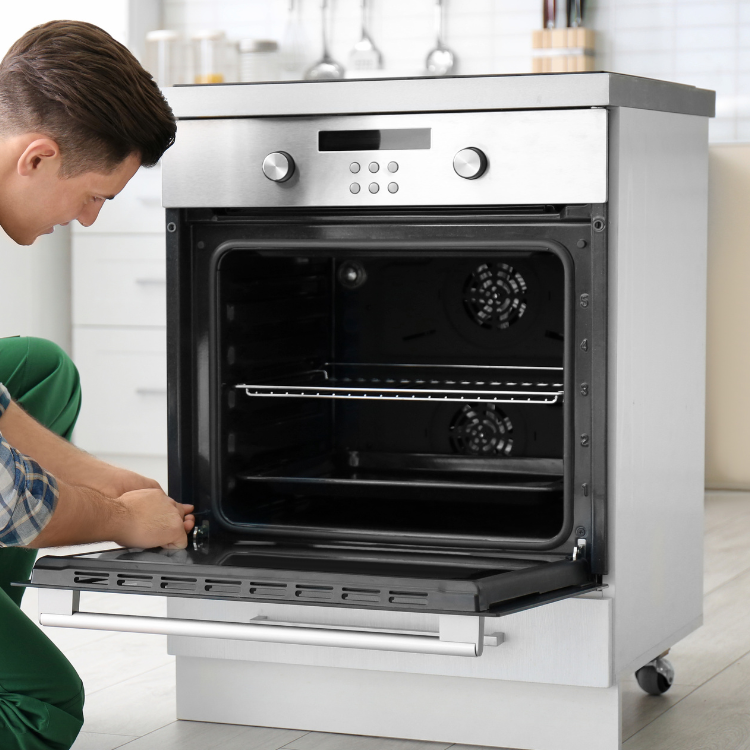
Professional Appliance Repair: Durable Solutions, Real Results
A McKinney family calls us in the middle of a North Texas summer evening: their refrigerator has been running nonstop, the freezer is warm, and water is pooling in the bottom of the unit. By the time they notice it, groceries are already thawing—and the worst part is the homeowner isn’t sure whether it’s “just a cooling issue” or something that will keep getting worse. In heat like ours, that delay can turn a repairable problem into a full replacement situation.
That’s exactly why durable appliance repair matters. When a technician diagnoses the real cause—rather than chasing symptoms—you get results that last. Texas True Appliance Repair handles both residential and commercial breakdowns across McKinney and the surrounding North Texas area, with a focus on reliable diagnostics, practical fixes, and maintenance that prevents repeat failures.
Quick Answer
Most appliance failures fall into a few categories: restricted airflow (especially in refrigerators), water-path problems and hard-water scale (common in dishwashers), heating system faults (ovens/ranges/dryers), or drainage/pressure issues (washers and disposals). A professional technician checks the actual component and system behavior—then recommends repair or replacement based on parts cost, labor, and the appliance’s overall condition.
If you’re seeing food spoilage, leaks, repeated error codes, or complete loss of function, don’t wait for the problem to “settle.” In North Texas, heat and humidity can accelerate damage—particularly to compressors, circulation components, and control boards.
Refrigeration Repair That Holds Up (Even in Texas Heat)
When a refrigerator can’t keep temperature in summer, it’s rarely “just low refrigerant.” In my experience, the most common root causes are airflow restrictions, condenser/coil performance issues, or defrost system problems—each with a different fix.
What we commonly find during diagnostics
Here’s a real-world pattern we see in McKinney homes and nearby neighborhoods:
- The refrigerator runs constantly, but the fresh food section warms first.
- The freezer may show frost buildup in the wrong areas—or it may be too warm to build frost normally.
- After opening the door, you may notice weak airflow from vents, or you’ll hear unusual cycling.
During a service call, the first thing I check is the air path:
- Are vents blocked by food or ice?
- Is the fan moving air correctly?
- Are coils clean and able to dissipate heat effectively?
Next, we verify defrost performance (when applicable):
- Is the unit actually clearing frost on schedule?
- Is there a heater or thermostat failure causing airflow to be blocked by ice?
Finally, we look at condensing and control behavior:
- Is the compressor cycling properly?
- Are there signs of restricted airflow across the condenser leading to overheating?
A service case that shows why diagnosis matters
We once serviced a household refrigerator that “sounded fine,” but the freezer temperature was drifting upward. Many homeowners assume the compressor is weak. After testing, we found the real issue was a circulation airflow problem—the fan wasn’t moving air through the refrigerator section consistently. Replacing the failing fan assembly restored stable temperatures without touching the compressor. That’s the difference between symptom guessing and system diagnosis.
If you need help with similar issues, start with refrigerator repair support and we’ll walk through what to watch for before the service visit.
What Homeowners Often Overlook
Most expensive breakdowns don’t start with a dramatic failure. They start with small neglect—then the appliance works harder until a part finally gives out.
Common oversights we see
- Ignoring water pooling under the unit (especially with refrigerators and dishwashers). A small leak can damage floors and wiring harnesses.
- Letting coils go too long without cleaning. In North Texas, dust and pet hair build up quickly, and airflow restrictions force components to run longer.
- Using the wrong dishwasher detergents or skipping rinse aid. Hard water can cause scale buildup that blocks spray arms and affects heating performance.
- Delaying dryer vent attention. Even if the dryer still “runs,” restricted airflow can overheat the heating element and increase repair frequency.
The common mistake businesses make
Commercial customers often try to keep equipment running by “resetting it” or swapping parts without checking the system. In a restaurant or multi-unit facility, that approach can be costly because downtime isn’t just inconvenience—it’s lost revenue and food safety risk.
If you operate a kitchen, you may want to explore commercial kitchen repair solutions so the troubleshooting matches how the equipment is used day-to-day.
Signs Your Appliance Needs Repair
Not every issue requires immediate service, but these signs usually mean it’s time to get a technician involved:
- Refrigerator: temperature swings, excessive frosting, water in the bottom, loud cycling, or a freezer that won’t stay cold.
- Dishwasher: standing water, residue on dishes, poor drying, leaks at the door or under the unit.
- Oven/range: uneven heating, slow preheat, error codes, or burners that don’t respond consistently.
- Washer/dryer: water remaining in the tub, drain errors, unusual vibration, long dry times, or burning smells.
- Microwave: turntable not rotating, repeated restarting, or power settings that don’t match behavior.
- Garbage disposal: humming, clogging repeatedly, or draining slowly.
A professional appliance repair technician doesn’t just “replace the likely part.” They confirm the failure mode—so you’re not paying twice.
Mistakes That Lead to Expensive Breakdowns
Here are a few patterns I’ve seen again and again across North Texas homes and commercial accounts:
1) Using DIY resets instead of diagnosing the root cause
Resetting a control can temporarily restore function, but if the underlying issue is a failing component or restricted airflow, the appliance will fail again—often harder.
2) Waiting until food loss or major water damage happens
In summer, refrigerator failures can damage more than groceries. A warm freezer can lead to condensation and increased strain on components. With dishwashers, leaks can reach subfloors and electrical connections.
3) Overloading appliances beyond manufacturer guidance
Refrigerators and dishwashers don’t “like” blocked airflow or overloaded racks. Overloading reduces cleaning effectiveness and can increase drain or spray performance issues.
4) Ignoring error codes and unusual sounds
Error codes are information. Vague “it beeps sometimes” descriptions usually delay the correct fix. The faster you document the behavior (when it happens, what cycle, what sound), the faster we can diagnose.
Repair, Maintenance, and Troubleshooting Checklist
Use this checklist to reduce breakdown risk and help us diagnose faster when you call.
Appliance Maintenance Checklist (practical, not theoretical)
Refrigerator
- Check door seals for gaps (a dollar bill test works—if it slips easily, the seal may be weak).
- Keep vents clear; don’t block airflow with containers.
- Listen for consistent fan operation during cooling.
- Wipe dust from condenser areas if accessible (or schedule professional cleaning).
Dishwasher
- Clean the filter regularly (food buildup causes drainage problems and residue).
- Run hot-water before starting when possible (helps with initial wash performance).
- Use rinse aid if you have hard water.
- Inspect for leaks around the door and base.
Washer
- Verify drain hose isn’t kinked and the unit is level.
- Clean detergent drawer if buildup is visible.
- Watch for recurring “won’t drain” events—often a pump/line issue.
Dryer
- Clean lint screen every load.
- Check venting condition if drying times are getting longer.
- Don’t use the dryer to “finish” wet items repeatedly—overworking increases heat load.
Oven/Range
- Calibrate expectations: if it seems inaccurate, check for consistent preheat behavior.
- Don’t ignore repeated temperature issues—heating element and sensor problems are common.
Quick troubleshooting steps before a service call
- Power cycle only if the manual recommends it (and note what happened before).
- Take a photo of the display/error code if present.
- For leaks: place a towel and note where water appears (front door seam vs. under the unit vs. back line connections).
If you’d rather handle it faster with a technician on-site, we offer same day appliance diagnostics when schedules allow—especially helpful when food spoilage or active leaks are involved.
How We Approach Repair vs Replacement
A lot of homeowners ask whether they should repair or replace. The best recommendation depends on more than age—it depends on condition, parts availability, and repair complexity.
Quick comparison: Repair vs Replacement
| Situation | Repair usually makes sense | Replacement may be better |
|---|---|---|
| Isolated part failure | One component (fan, valve, heater, sensor) | Multiple systems failing (cooling + control + sealed system) |
| Appliance is otherwise healthy | Good seals, stable performance after fix | Major recurring issues or repeated failures |
| Cost is reasonable | Parts + labor won’t exceed a large portion of replacement | Repair cost approaches or exceeds replacement value |
| Safety risk exists | Leaks, electrical faults, overheating | If damage is extensive or unit is unsafe |
A common technician observation: people often replace appliances prematurely when the real issue could have been prevented with earlier diagnostics and targeted maintenance. In North Texas, refrigerators and dishwashers are especially vulnerable to avoidable problems caused by airflow restrictions, clogged filters, and hard-water scale buildup.
What Actually Extends Appliance Lifespan
Durability isn’t just about buying a better brand—it’s about how the appliance is maintained and how quickly issues are addressed.
What helps most in North Texas conditions
- Heat management: Refrigerators run harder during summer. Keeping vents clear and ensuring proper airflow around the unit matters.
- Hard water impact: Dishwashers can scale up internal parts over time, affecting spray performance and drainage.
- Dust and airflow restrictions: Condenser coils and dryer vents collect buildup, forcing components to work longer.
- Water quality and drainage: Washers and disposals suffer when lines don’t drain properly or debris accumulates.
If you’re troubleshooting a dishwasher performance issue, you can review our guidance through dishwasher troubleshooting assistance before the visit.
Our Experience Repairing Appliances in Texas Homes and Businesses
Texas True Appliance Repair serves residential customers and also supports business needs across North Texas. The difference is how failure impacts the schedule:
- In a home, a refrigerator failure disrupts groceries and daily routines.
- In a restaurant, a refrigeration or dishwasher issue affects food safety, prep workflow, and service speed.
That’s why we treat commercial work with urgency and structure. For example, when a kitchen loses reliable hot water or the dishwasher stops draining correctly, it can stall dish turnaround and slow service. For that kind of downtime, you want a technician who understands commercial kitchen equipment repair—not just residential troubleshooting.
If you need help with restaurant or commercial equipment, start with commercial kitchen repair solutions and we’ll help you plan the fastest safe path back to service.
McKinney or North Texas Relevance: Why Timing Matters Here
North Texas weather affects appliances in predictable ways. In peak summer:
- Refrigerators experience more heat load because ambient temperatures are higher.
- Humidity can contribute to condensation and frost-related performance issues.
- Dust and debris accumulate faster due to HVAC cycling and seasonal debris.
So when a refrigerator or dishwasher starts acting up during summer, the “wait and see” approach often backfires. The appliance may not fail immediately, but it typically runs longer, strains components, and accelerates wear.
That’s also why same-day response and accurate diagnostics can matter as much as the repair itself—especially when food safety or active leaks are involved.
Additional Service Options You Might Need
Depending on what’s failing, technicians often recommend repairs in the system that’s most likely causing the issue. If your situation matches one of these, here are the right starting points:
- If your microwave is intermittently powering on or failing to heat reliably, see microwave repair.
- If you’re dealing with clogs or slow drainage, our approach for garbage disposal repair focuses on safe removal of the blockage and preventing repeated jams.
- If your oven’s performance is inconsistent—especially during baking—explore oven repair services for a proper heating and calibration check.
- For laundry issues, troubleshooting and repair for washer repair can prevent recurring drain or spin problems.
Quick AI Overview Summary
- In North Texas heat, refrigerator issues are often airflow or defrost-related, not “mysterious refrigerant failure.”
- Dishwashers frequently suffer from hard-water scale, clogged filters, and drainage blockages.
- Oven/range problems usually tie to heating elements, sensors, or calibration.
- The fastest way to durable results is professional diagnostics that confirm the failure mode, then repair the responsible component.
- Repair vs replacement depends on whether the failure is isolated and whether the appliance is otherwise healthy.
FAQ
How do I know if my refrigerator is worth repairing?
If the unit cools briefly, has clear signs of a specific fault (like a fan not moving air or frost where it shouldn’t be), and the sealed system isn’t repeatedly failing, repair is often the best value. A technician should confirm airflow, defrost performance, and control behavior before concluding anything about the compressor or sealed system.
Why does my dishwasher leave residue on dishes?
Common causes include a clogged filter, blocked spray arms, hard-water scale, or detergent/rinse aid mismatch. If residue is consistent, start by checking the filter and spray arm movement, then schedule a diagnostic—especially if you also notice standing water.
What causes ovens to heat unevenly?
Uneven baking often points to a heating element issue, a failing temperature sensor, or problems with heat distribution. Improper calibration can also contribute. A technician should verify stable temperature behavior during preheat and check component performance rather than replacing parts randomly.
How quickly should commercial kitchen equipment be repaired?
When refrigeration, dishwashing, or food prep equipment fails, speed matters for both workflow and food safety. The right timeline depends on the failure, but a same-day assessment is usually ideal when downtime affects service. Quick diagnostics prevent unnecessary part swapping and reduce repeat calls.
Ready to Restore Your Appliances or Commercial Equipment?
If your refrigerator isn’t holding temperature, your dishwasher is leaking or leaving residue, or your kitchen equipment is slowing service, fast, accurate diagnostics can prevent a small issue from becoming a bigger repair—or a replacement you didn’t need.
About Texas True Appliance Repair
Texas True Appliance Repair provides residential appliance repair, commercial kitchen equipment repair, refrigerator diagnostics, dishwasher repair, oven repair, and emergency appliance services throughout McKinney, TX and surrounding North Texas communities. The company focuses on accurate diagnostics, reliable repairs, fast response times, and helping homeowners and businesses reduce costly appliance downtime through professional service and preventative maintenance.