
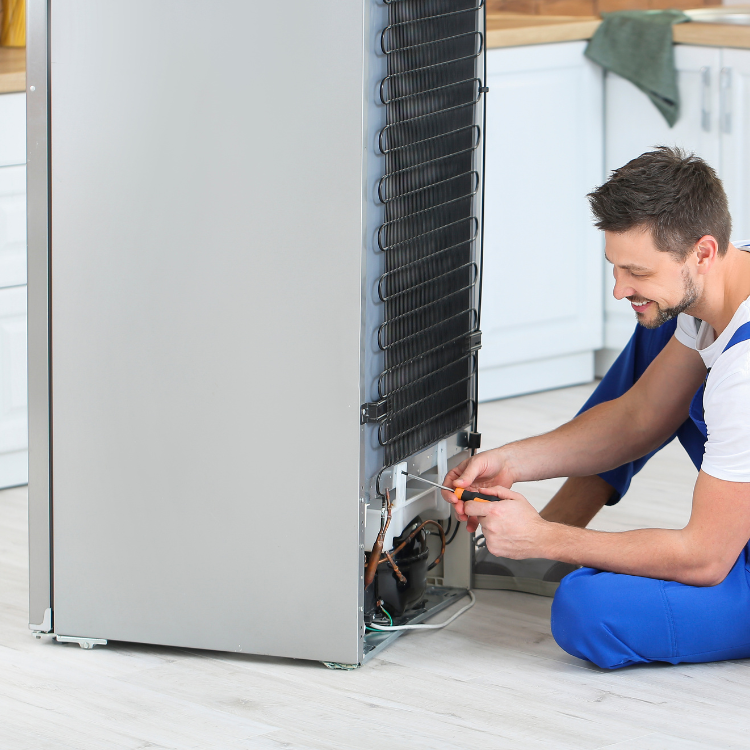
Commercial Appliance Repair: Minimize Downtime with Skilled Service
It’s 6:45 a.m. at a busy McKinney restaurant—dinner rush is still hours away, but prep is already underway. The walk-in fridge temp has been creeping up overnight, and the dishwasher is cycling longer than usual. By the time the manager notices the plates coming out warmer and wetter, the kitchen staff is already losing time: reruns of cycles, slower line service, and backups in the dish area. That’s how “just a small issue” turns into lost sales.
Commercial appliance problems don’t behave like household breakdowns. They’re often driven by heavier usage, tighter schedules, and less tolerance for downtime. Skilled diagnostics matter because the wrong part—or the wrong assumption—can keep equipment down while you wait.
At Texas True Appliance Repair, we handle everything from commercial appliance repair services to refrigeration and built-in kitchen equipment issues across North Texas. The goal is simple: get you back to reliable operation with repairs that address the root cause, not just the symptom.
Quick Answer
For commercial kitchens and facilities, the fastest path to fewer interruptions usually looks like this:
- Diagnose quickly and accurately (temperature logs, error codes, voltage checks, heater/thermostat testing, water inlet analysis).
- Repair based on root cause (often it’s airflow, drainage, hard-water scale, or control board inputs—not “wear and tear” alone).
- Avoid repeated breakdown cycles by addressing the conditions that caused the failure.
- Plan maintenance so the next busy week doesn’t start with another surprise outage.
What We Commonly See in North Texas Appliances
In North Texas, we get a mix of older rentals, newer construction, and long-running commercial spaces. The patterns we see are consistent:
Seasonal strain on refrigeration and cooling
Texas summers push refrigeration systems harder. When doors are opened frequently (delivery restocks, staff traffic, loading/unloading), the evaporator can ice over faster. That leads to warm cabinets, inconsistent temps, and eventual compressor stress.
Hard water and detergent chemistry
Dishwashers and ice machines don’t just “use water”—they fight scaling. Hard water deposits can insulate heating elements, reduce spray effectiveness, and restrict flow through filters and valves. The result is longer cycle times, poor cleaning performance, and premature failures.
Power fluctuations and sensitive controls
Commercial appliances rely on stable input for controls, relays, and motors. Even if the unit turns on, inconsistent voltage can cause intermittent faults—especially on electronics-heavy equipment.
A technician’s firsthand observation
One of the most common things I notice on service calls: many “refrigerator temp problems” aren’t actually a compressor-only issue. When we inspect the unit, we often find restricted airflow from an iced evaporator, dirty condenser coil, or a door seal that’s letting warm air leak in just enough to trigger the wrong cycle behavior.
That’s why we don’t guess. We test, measure, and confirm.
A Realistic Commercial Failure Scenario (And How It’s Usually Fixed)
In one anonymized case, a restaurant reported that their dishwasher “wasn’t getting hot enough.” The staff changed detergent and kept running longer cycles. The dishes came out clean enough at first, then residue returned after peak hours.
When we arrived, we checked three things before touching any parts:
1. Water inlet performance (flow rate and temperature stability)
2. Heater circuit function (not just “does it heat,” but whether it heats consistently under load)
3. Drain and sump condition (standing water can affect heating and wash chemistry)
The root cause ended up being scale buildup impacting heat transfer, plus a partially restricted drain that left the sump too dirty to behave normally. After cleaning the scale and correcting the flow restriction, the unit returned to proper cycle temps and cleaning performance.
The staff didn’t need a whole new dishwasher—they needed the right diagnosis and maintenance that restores normal heat transfer and wash action.
Common Mistakes That Lead to Expensive Breakdowns
Commercial teams are busy, and it’s understandable to try to keep equipment running. But a few “common fixes” often make downtime worse or cause repeat failures.
1) Replacing parts without confirming the system condition
Swapping a thermostat or control board can be a waste if the real issue is airflow restriction, a clogged filter, or water temperature problems. Parts fit the symptom, but they don’t always fix the cause.
2) Ignoring error codes or logging temperatures inconsistently
A refrigeration unit that’s off by a few degrees might not trip alarms immediately. If the team isn’t tracking temps and cycle behavior, the problem can progress quietly until something fails.
3) Overloading equipment to “finish faster”
In dishwashers and undercounter units, overloading blocks spray coverage and increases cycle load. That can increase heating time and stress components—especially when scale has already reduced performance.
4) Delaying venting and airflow maintenance
Commercial appliances—especially dryers and vented units—depend on airflow. Restricted airflow increases heat and component strain. In residential calls we see it too, but in commercial settings it happens faster due to usage volume.
5) Assuming it’s “just old”
Age affects expected lifespan, but it doesn’t automatically mean the unit is beyond repair. Many failures are triggered by maintenance neglect: dirty coils, clogged drains, worn seals, or hard-water scaling.
Repair vs Replacement: What Decision-Makers Should Ask
When a commercial appliance fails, the question often becomes: repair or replace? The best answer depends on condition, parts availability, and the cost of downtime.
Here’s a practical way to decide:
| Scenario | Repair often makes sense | Replacement may be better |
|---|---|---|
| Failure is isolated | A sensor, valve, thermostat, or drainage issue | Multiple systems failing (controls + heating + motor) |
| Unit passes basic health checks | Correct temperatures and airflow after repair | Compressor/major components are failing repeatedly |
| Downtime is costly but parts are available | You can restore operation quickly | Lead times are long and downtime is unacceptable |
| Maintenance history is decent | Coils cleaned, filters serviced, seals checked | Heavy neglect causing repeated scale/airflow issues |
In many cases, we recommend repair with corrective maintenance—meaning we fix the component and also address the condition that caused the failure. That’s how you avoid “repair loops.”
Signs Your Appliance Needs Repair
Whether you’re managing a restaurant or a multi-unit property, these signs usually mean it’s time for diagnostics:
- Refrigeration temp swings or warm spots
- Longer dishwasher cycles or residue left on dishes
- Uneven cooking temperatures in ovens/ranges
- Water pooling under appliances or draining issues
- Tripped breakers or repeated error codes
- Burning smell, unusual noise, or overheating
- Dryer performance dropping (common when airflow is restricted)
If you notice performance drift—not just a total failure—call sooner. That’s when technicians can often fix the underlying cause before it escalates.
Appliance Maintenance Checklist (Commercial + Busy Homes)
Maintenance isn’t about “doing everything.” It’s about hitting the items most likely to drive breakdowns.
Daily / Shift Checks
- Confirm refrigeration temps match your storage requirements.
- Watch for dishwasher cycle changes (time, cleanliness, drainage).
- Note any unusual sounds or error codes.
- Ensure doors close fully and seals aren’t visibly damaged.
Weekly
- Inspect door gaskets and wipe down visible buildup.
- Check filters and spray arms in dishwashers.
- Look for standing water or slow drainage signs.
- Verify that cooling fans and vents aren’t blocked.
Monthly / Quarterly
- Clean condenser coils (refrigeration performance depends on airflow).
- Descale where hard water affects heating performance.
- Check drain lines and sump condition.
- Inspect venting and airflow paths (especially dryers).
If you’re troubleshooting a specific appliance type, you’ll save time by starting with the most likely failure points. For example, if your issue is tied to wash performance, you’ll want to focus on drainage, spray coverage, and heating consistency. If it’s refrigeration, airflow and defrost behavior are usually central.
Quick references for common service paths
- For refrigeration issues, we often start with diagnostics that support refrigerator repair services and temp stability testing.
- For wash performance and cycle problems, we handle dishwasher repair services with a focus on heating, drainage, and scale.
- For cooking reliability, we support oven repair services including temperature calibration and burner/ignition checks.
Why Some Appliance Repairs Fail Early
A repair can “work” and still fail early if the underlying system condition isn’t corrected. Common examples we see:
- Refrigerators: A leaking door seal or blocked airflow can keep pushing the system into improper cycles, icing evaporators and stressing components.
- Dishwashers: Cleaning only the symptom (like changing detergent) without addressing scale and drainage can lead to recurring residue and heating complaints.
- Ranges and ovens: Uneven heating can be caused by calibration drift or faulty sensor feedback—not just a worn heating element.
The technician’s job is to separate what’s causing the failure from what’s merely showing up because of it.
McKinney and North Texas Relevance: Why Timing Matters Here
In McKinney and across North Texas, weather swings and heavy usage change how appliances behave. Summer refrigeration load is one of the biggest drivers of service calls—especially when staff traffic increases door openings and when outdoor deliveries bring warmer product in.
At the same time, many commercial properties operate on tight staffing. Even a short outage can impact food safety processes, dish turnaround, and prep schedules. That’s why we focus on fast, accurate diagnosis and clear next steps—whether you need a part, a service adjustment, or a maintenance plan to prevent a repeat.
Emergency Commercial Appliance Repair: What to Expect
When a unit goes down during business hours, the “how fast can you come” question matters. The next question is usually, “Can you get it running correctly, not just temporarily?”
Our process is designed for speed and accuracy:
- Confirm symptoms and error codes (if present).
- Test likely failure points in a logical order (power → sensors/controls → heating/cooling → drainage/flow).
- Identify whether the issue is isolated or part of a bigger condition.
- Recommend repair, maintenance, or replacement based on performance and downtime costs.
If you’re dealing with an urgent situation, we can help coordinate emergency commercial appliance repair options when applicable to the equipment type and system constraints.
Ready-to-Use Troubleshooting Tips (Before the Technician Arrives)
These don’t replace diagnostics, but they can prevent delays:
- Refrigeration: If temps are rising, check whether the unit is cycling excessively or if the door is sealing properly.
- Dishwashers: Look for standing water and confirm whether cycles are completing normally.
- Ovens/ranges: If baking is uneven, avoid repeated “high-heat testing.” That can worsen sensor or calibration issues.
- Washers/dryers: If you suspect drainage issues, don’t keep running cycles repeatedly—water problems can escalate quickly.
If your equipment is down right now, gathering basic details (error codes, when it started, what changed recently) helps the technician move faster.
FAQ
How do I know if my commercial refrigerator is worth repairing?
If the compressor is healthy and the issue is isolated (door seal, defrost behavior, airflow restriction, fan motor, thermostat/sensor), repair is usually the right call. The best indicator is whether the unit can achieve stable temps after the underlying cause is corrected. If multiple major components are failing in short succession, replacement may become more cost-effective.
Why does my dishwasher keep leaving residue even after changing detergent?
Residue is often caused by scale buildup, poor water heating, blocked spray arms, or drainage/sump issues that prevent proper wash circulation. Hard water can insulate heating elements and reduce cleaning performance over time. A technician should verify wash temperature, flow, spray coverage, and drainage behavior before replacing parts.
What causes ovens to heat unevenly in commercial use?
Uneven heating can result from calibration drift, faulty temperature sensors, inconsistent power delivery, or burner/element issues. In some cases, improper cookware placement or blocked airflow can contribute, but the most reliable approach is to test temperature performance with the oven’s actual control behavior.
How quickly should we schedule repairs for kitchen equipment?
If food safety, storage temps, or dish turnaround are affected, schedule diagnostics as soon as possible—ideally within the same day or the next business day. Early repair often prevents secondary damage (like compressor stress from prolonged refrigeration warm-ups or heat/scale escalation in dishwashing systems).
Ready to Restore Your Appliances or Commercial Equipment?
If you’re managing a restaurant, property, or any operation that can’t afford downtime, skilled diagnostics are the difference between a quick fix and repeated failures. Texas True Appliance Repair focuses on root-cause repairs, practical maintenance, and dependable performance—so your equipment runs the way it’s supposed to.
About Texas True Appliance Repair
Texas True Appliance Repair provides residential appliance repair, commercial kitchen equipment repair, refrigerator diagnostics, dishwasher repair, oven repair, and emergency appliance services throughout McKinney, TX and surrounding North Texas communities. The company focuses on accurate diagnostics, reliable repairs, fast response times, and helping homeowners and businesses reduce costly appliance downtime through professional service and preventative maintenance.