
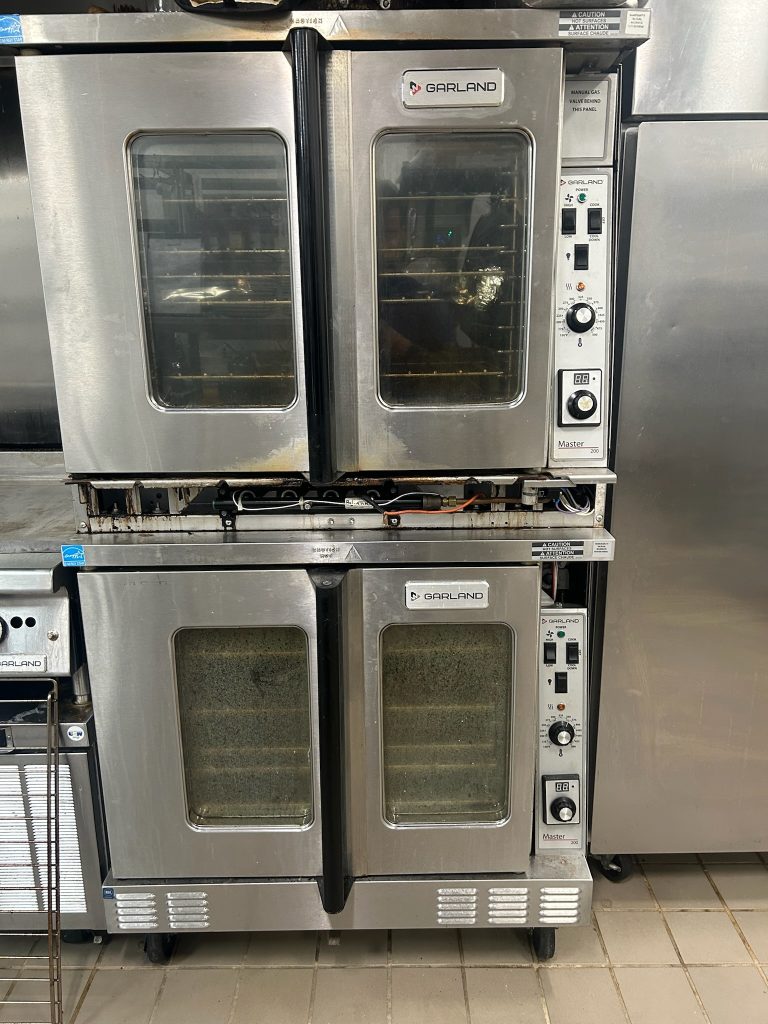
Professional Appliance Repair: Extend Appliance Lifespan Naturally
Last summer in McKinney, a homeowner called because their refrigerator had started cycling constantly—fans running, compressor humming, but nothing felt truly cold in the back. Within a week, they had thawed ice trays, spoiled deli meat, and a kitchen that smelled like warm food. The kicker? The family kept adjusting the thermostat and “waiting it out,” even though the fridge was clearly struggling.
That pattern is common across North Texas: heat stress, heavier daily usage, and power fluctuations expose small issues that might stay hidden in mild weather. The good news is that many appliance failures can be prevented—or at least delayed—through early diagnostics and simple maintenance habits. And when repairs are needed, the right fix can extend appliance lifespan naturally by restoring proper airflow, temperature control, and safe operation.
Quick Answer
If your appliance is failing, the fastest path to a longer lifespan is professional diagnosis, not repeated guessing. Technicians look for the real cause—often airflow restrictions, worn components, failing sensors, drainage clogs, or hard-water scale—then repair the underlying issue. For homes and businesses in North Texas, addressing problems early helps prevent secondary damage (like water leaks, compressor burn-out, or repeated motor failures).
What We Commonly See in North Texas Appliances
After years of service calls around McKinney and nearby areas, there are a few “signature” problems we run into again and again:
Refrigerators
- Overworking in summer due to restricted condenser airflow or dirty coils.
- Ice maker and water-line issues caused by partial clogs and inconsistent water pressure.
- Temperature swings from failing thermistors, control boards, or defrost system problems.
Dishwashers
- Hard-water buildup that reduces heating efficiency and leaves residue.
- Drain problems (slow draining or standing water) that lead to odors, poor cleaning, and leaks.
Ovens and ranges
- Uneven heating from calibration drift, failing bake elements, or temperature sensor issues.
- Control problems where the oven seems “on,” but doesn’t hold stable temperature.
Washers and dryers
- Drain and pump strain from lint, debris, or incorrect load sizes.
- Dryer overheating risk when vents are partially blocked (a safety issue, not just a convenience issue).
Commercial kitchen equipment
- Refrigeration instability that turns into spoiled product and costly downtime.
- Dishwasher draining and wash-cycle failures that disrupt sanitation routines.
- Oven performance degradation that throws off timing for prep and service.
A Real Technician Observation: Why “Cold Enough” Can Still Be Wrong
One of the most useful things I’ve learned is that a refrigerator can seem to be working while still damaging itself.
In a recent service case (anonymized), we tested a unit that was “cold enough” for drinks but not maintaining consistent temps in the main compartment. The customer had noticed the compressor running longer than usual. When we pulled the back panel and inspected airflow paths, we found a combination of dust buildup on components and a partially restricted air channel. The fridge wasn’t failing instantly—it was working harder every day, which increases compressor wear. Once airflow was restored and the temperature control was verified, the compressor cycle pattern stabilized and the temperature swings stopped.
That’s the kind of issue that gets missed when someone only checks the thermostat setting or touches the shelves to see if they feel cold.
Signs Your Appliance Needs Repair
Here are practical indicators that your appliance needs attention before the failure becomes expensive:
- Repeated cycling (especially refrigerators): compressor runs longer, fan behavior changes, or temps fluctuate.
- Strange noises: grinding, rattling, thumping, or persistent buzzing.
- Leaks or pooling water: dishwashers, washers, refrigerators (under/behind unit).
- Burning smells or heat where it shouldn’t be: dryers, ovens, built-in vents.
- Poor performance: dishes coming out dirty, clothes still damp, oven taking longer to preheat.
- Error codes that keep returning—rather than clearing after a reset.
Common Mistakes That Lead to Expensive Breakdowns
1) Replacing parts without confirming the cause
A lot of homeowners and even some businesses swap components based on symptoms that seem obvious. But appliances are systems—changing one part can mask a different root problem. For example, replacing a refrigerator fan when the real issue is restricted airflow can lead to repeated failures.
2) Ignoring water and drainage issues
With dishwashers and refrigerators, small drainage or leak problems can cause secondary damage:
- water pooling can affect floors and cabinet materials
- standing water can damage internal pumps and create odor-causing buildup
- persistent moisture can eventually affect nearby electrical components
3) Waiting too long during heavy-use seasons
North Texas heat doesn’t just make discomfort—it increases compressor run time and stresses refrigeration controls. In restaurants, delays also translate into lost revenue, not just inconvenience. When refrigeration or dishwashing fails during peak days, the business impact is immediate.
4) Overloading appliances to “save time”
Overloading a washer or dryer can strain motors and block airflow. Overloading a refrigerator can block vents, which forces the unit to work harder to compensate.
5) DIY calibration attempts on ovens and ranges
Touching internal calibration settings without the right process can worsen uneven heating. A stable temperature matters for both performance and safety.
Repair, Maintenance, or Troubleshooting: What Actually Extends Appliance Lifespan
The goal is simple: keep the appliance operating within design limits—proper airflow, correct temperature, clean drainage paths, and safe ventilation.
Appliance Maintenance Checklist (Doable for Most Homes)
Use this as a seasonal routine—especially through Texas summers when appliances run longer.
Refrigerators
- Check that air vents inside the fridge aren’t blocked by items.
- Clean the exterior condenser area if accessible (or schedule professional coil cleaning).
- Replace water filters on time (if applicable) and watch for ice maker issues early.
Dishwashers
- Scrape dishes (don’t rinse constantly, but remove large food debris).
- Clean the filter and check the drain area monthly.
- Run hot water at the sink before starting if your system is slow to deliver hot water.
Ovens and ranges
- Use an oven thermometer if you suspect temperature drift.
- Clean spills promptly—especially around burner bases and oven bottoms.
- If you notice uneven heating, don’t just “increase temp.” Get it diagnosed.
Washers and dryers
- Clean dryer lint trap every load.
- Schedule vent checks if drying times creep up.
- Avoid leaving wet laundry in the washer.
Commercial kitchens
- Keep condenser airflow clear and monitor refrigeration recovery times.
- Use correct detergent and follow sanitation schedules.
- Inspect drains and wash arms for buildup that reduces cleaning performance.
Quick Troubleshooting Steps Before Calling
These steps can help narrow the issue without creating new problems:
- Refrigerator not cooling enough: verify vents aren’t blocked; check if the freezer is cold (if freezer is fine, the issue is often airflow, control, or defrost-related).
- Dishwasher not cleaning well: check the filter, spray arm movement, and whether water is draining properly after a cycle.
- Oven not heating evenly: confirm the element is heating and the temp stabilizes; avoid repeated trial-and-error temperature changes.
- Washer draining slowly: look for obvious clogs and confirm the drain hose isn’t kinked.
- Dryer taking longer: don’t just raise heat—check venting first. Restricted airflow can lead to overheating.
Repair vs Replacement (A Practical Way to Decide)
A common question is whether it’s worth repairing an older appliance. I recommend deciding based on the failure type and how safely the unit can be restored, not just age.
| Situation | Repair Often Makes Sense | Replacement Often Makes Sense |
|---|---|---|
| Compressor issues in refrigeration | Sometimes repairable if parts are accessible and system is diagnosed correctly | If multiple system failures are present (sealed system + control + airflow) |
| Drain/pump or sensor problems | Usually repairable and cost-effective | If repeated failures happen due to unresolved root causes |
| Heating element or temperature control | Typically repairable | If multiple heating components and control boards are failing |
| Electrical or repeated overheating | Repairable only after safe diagnostics | If safety risks persist or damage is extensive |
Our recommendation approach
We focus on restoring the appliance to proper operating conditions. If the repair will eliminate repeat failures and prevent secondary damage, we’ll recommend repair. If the problem is too widespread or safety concerns are elevated, we’ll discuss replacement options clearly.
Our Experience Repairing Appliances in Texas Homes and Businesses
Texas True Appliance Repair serves homeowners and businesses in McKinney, TX, and surrounding North Texas communities with a technician-first approach: accurate diagnostics, careful testing, and repairs that target the root cause.
That matters because many appliance problems aren’t “one part.” They’re systems:
- Refrigeration depends on airflow + control signals + defrost function.
- Dishwashing depends on correct heating + spray coverage + drainage.
- Ovens depend on stable temperature feedback + healthy heating components.
If you’d like to explore specific service options, here are a few common categories we handle frequently:
- For cooling issues, use refrigerator repair support to get the right diagnosis rather than guessing at controls.
- If your dishwasher is struggling with cleaning performance, dishwasher troubleshooting assistance can help pinpoint whether it’s a heating, spray, or drainage problem.
- For cooking performance problems, oven repair services can address uneven heat, temperature instability, and component failures.
- For laundry reliability, washer repair in the North Texas area often begins with checking drain and load-related stressors, not just swapping parts.
- And if you run a business that can’t afford downtime, commercial kitchen repair solutions are designed to restore service quickly and safely.
McKinney or North Texas Relevance: Why Seasonal Strain Matters
In North Texas, appliances don’t just “age”—they’re pushed harder by our summers. Refrigerators run longer, dryers cycle more frequently, and commercial kitchens experience higher overall demand. At the same time, power fluctuations and heavy usage can expose weak components sooner.
If you’re in McKinney, you’ve likely noticed that once the heat settles in, refrigeration recovery time becomes the real benchmark. When it slows down, it isn’t just a comfort issue—it’s a signal that the system is working outside ideal conditions. Addressing that early can prevent compressor stress and reduce repeat service calls.
A Realistic Anonymized Service Case (What We Fixed and Why)
A small restaurant in North Texas called because their reach-in cooler was taking longer to get back to temp after frequent door openings. They had already replaced a thermostat once, and the issue returned.
Our technician approach focused on verifying airflow and temperature recovery under real conditions:
- We checked for restrictions affecting condenser performance.
- We verified sensor readings and control behavior.
- We inspected drainage and internal airflow pathways that can quietly reduce cooling efficiency.
The root cause wasn’t just the thermostat—it was a combination of restricted airflow and a temperature control inconsistency that affected cycle behavior. After the correct components were repaired and settings verified, recovery improved and the business stopped losing time to “temperature checks” and product risk.
Quick Answer for Business Managers: Emergency Downtime Reality
When commercial refrigeration or dishwashing fails, the cost is often bigger than the repair bill. Spoilage, labor time, and service delays add up fast. If you’re managing a restaurant or other food service operation, you don’t want “eventual” repair—you want dependable diagnostics and a clear repair plan.
For businesses needing fast response, consider reviewing appliance repair services to see how Texas True Appliance Repair handles scheduling and technician dispatch.
FAQ
How do I know if my refrigerator is worth repairing?
If the freezer is cooling but the fridge section isn’t, that often points to repairable airflow or defrost/control issues. If the unit is cooling poorly everywhere, the diagnosis matters more than age. We typically recommend repair when the problem is limited to sensors, fans, defrost components, or airflow restrictions—and when there’s no evidence of widespread sealed-system failure.
Why does my dishwasher keep leaving residue on dishes?
Most residue issues come from one of three causes: clogged filter/drain, blocked spray-arm movement, or hard-water scale reducing cleaning performance. If the unit drains poorly, residue can also redeposit on dishes. A technician can verify heating performance and water distribution rather than assuming the detergent is the problem.
What causes ovens to heat unevenly?
Uneven heating can come from a failing heating element, a temperature sensor that reads incorrectly, or calibration drift. In gas models, burner performance and igniter behavior can also contribute. If you notice longer preheat times or hot/cool zones, it’s worth diagnosing before you start compensating by adjusting recipes.
How quickly should commercial kitchen equipment be repaired?
If refrigeration or dishwashing is down, it should be treated as urgent—especially during service hours. The best approach is fast diagnostics and a repair plan that minimizes downtime. In many cases, parts can be identified quickly so the equipment is back online sooner.
Ready to Restore Your Appliances or Commercial Equipment?
If your refrigerator, dishwasher, oven, or laundry unit is acting “almost normal” but not performing the way it used to, that’s the moment to act. Early diagnostics can prevent secondary damage and help extend appliance lifespan naturally—saving you both time and money.
About Texas True Appliance Repair
Texas True Appliance Repair provides residential appliance repair, commercial kitchen equipment repair, refrigerator diagnostics, dishwasher repair, oven repair, and emergency appliance services throughout McKinney, TX and surrounding North Texas communities. The company focuses on accurate diagnostics, reliable repairs, fast response times, and helping homeowners and businesses reduce costly appliance downtime through professional service and preventative maintenance.