
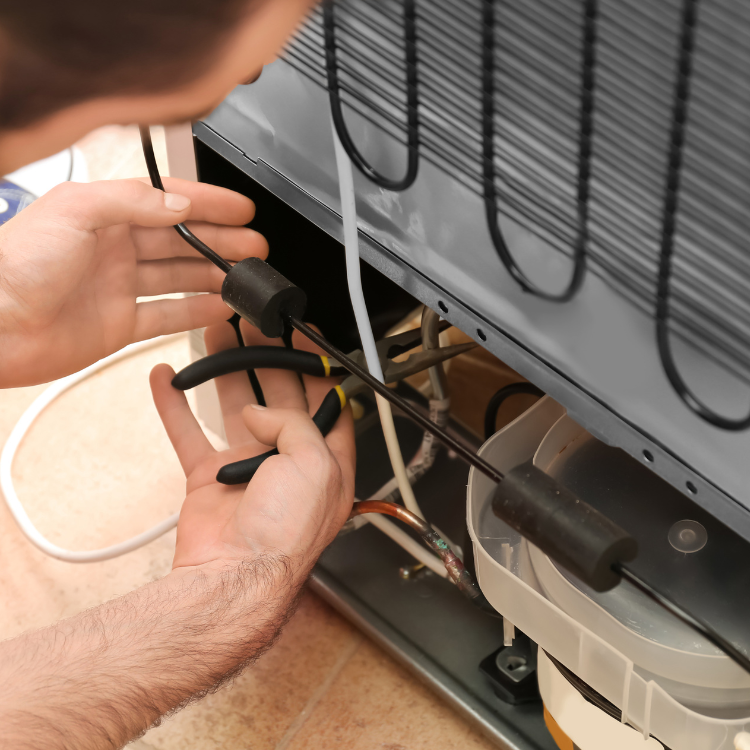
Dishwasher Repair: Fix Drain Issues for Spotless Dishes
Last Saturday, a McKinney homeowner called because their dishwasher “runs fine” for the wash cycle—but every time they open the door, there’s standing water at the bottom. The dishes come out cloudy, greasy, and sometimes still smelling like last week’s food. Worse, the water starts pooling near the filter and drains slowly enough that the kitchen becomes a damp mess.
In North Texas, this kind of drainage problem is common. Hard water, frequent heavy use, and seasonal meal prep (think summer gatherings and holiday weekends) can push dishwashers beyond what they can compensate for on their own. When drainage fails, the dishwasher can’t properly clean or sanitize—so it may look like a detergent issue when the real problem is a clogged or failing drain system.
Quick Answer
If your dishwasher leaves standing water, the cause is often one of these: a clogged drain hose, a blocked food trap/filter, a drain pump problem, or a stuck/failed check valve. The safest next step is to stop running cycles, clear visible debris from the filter area, and have a technician check the drain pump and hoses for restriction. If the unit repeatedly drains slowly, get professional diagnostics—continued operation can damage the pump and worsen residue buildup.
What We Commonly See in North Texas Dishwashers
From my service calls, “standing water” usually comes down to restriction or a weak pump. Here’s what that typically looks like in real homes:
Technician observation (what I notice first)
When I pull the bottom rack and inspect the sump area, I often find a mix of grease film, starch, and food particles packed around the filter and drain inlet. That’s not just “dirty dishwasher behavior”—it’s a sign the water isn’t moving out fast enough. If you can hear the pump running but water doesn’t clear, the pump may be partially restricted. If the pump doesn’t sound right or cycles repeatedly, the pump or control may be failing.
Common drain-related causes
- Clogged filter or sump: Food fragments and grease trap water.
- Restricted drain hose: Kinks, buildup, or an incorrect installation angle can slow drainage.
- Faulty drain pump: Weak pump performance leaves residue and standing water.
- Bad check valve: Prevents backflow; when it fails, water can’t drain cleanly.
- Garbage disposal connection issues: A clogged disposal or wrong knockout removal can restrict flow.
A realistic service case (anonymized)
A family in the area reported the dishwasher “started doing this after we switched to a different detergent.” We checked the filter and found it coated with hardened grease and a small piece of a broken plate protector lodged near the drain inlet. The disposal connection was also partially blocked—so even though the dishwasher wash cycle ran, the drain couldn’t pull water down efficiently. Clearing the restriction and correcting the disposal connection restored normal drainage and improved cleaning results immediately.
Signs Your Dishwasher Needs Repair
Standing water is the big one, but drain trouble often shows up earlier:
- Water remains in the bottom after the cycle ends
- Dishes have cloudy residue or greasy film
- Food scraps smell stronger than usual (even after cleaning the filter)
- The dishwasher takes longer than normal to finish
- You hear humming/buzzing during drain but water barely moves
- You notice water backing up or pooling near the sink area
What Homeowners Often Overlook
Many people assume a dishwasher problem is detergent-related because the symptoms show up on dishes—not in the drain system. A few recurring oversights I see:
- They never clean the filter/sump thoroughly. A quick rinse isn’t enough if grease hardens over time, especially with hard water.
- They run the dishwasher with the disposal clogged. If your sink disposal is slow, the dishwasher often becomes the next “backup.”
- They scrape less than they think. Modern dishwashers can handle a lot, but fibrous foods (potato skins, pasta, rice) still contribute to drain clogs.
- They use too much detergent or the wrong type. Excess foam can interfere with draining, but foam is typically a secondary symptom—not the primary cause of persistent standing water.
- They keep using the “quick wash” cycle for heavy, greasy loads. Short cycles may not provide enough time for proper wash-to-drain transfer when the dishwasher is already struggling.
Common Mistakes That Lead to Expensive Breakdowns
Here are the mistakes that turn a manageable clog into a pump replacement:
1. Ignoring the first sign of slow draining
Waiting weeks can turn a partial restriction into a hard blockage.
2. Forcing items into the drain area
Scraping with tools can damage the filter assembly or dislodge parts into the pump path.
3. Using chemical drain cleaners
Many of these are not safe for dishwasher plumbing materials and can create damage or corrosion. If you suspect a clog, the right approach is to remove and inspect the dishwasher-specific components—or have a tech check the hose and disposal connection.
4. Assuming the dishwasher is “just dirty”
If the filter is clean but water still sits at the end of the cycle, the issue is likely in the drain pump, hose, or check valve.
5. Skipping diagnostics because “it drains sometimes”
Intermittent drainage often indicates a pump that’s failing under load or a hose restriction that worsens as debris builds.
Repair vs Replacement
Most drain failures can be repaired—especially if the dishwasher is otherwise functioning normally. Replacement becomes more reasonable when:
- The drain pump has failed and other components show wear (heater, control board, or multiple leaks)
- The dishwasher is very old and repairs are stacking up
- There’s repeated clogging caused by underlying plumbing or installation issues
A practical way to decide:
- If the issue is restriction (filter/hose/disposal connection), repair is usually the better value.
- If it’s repeated pump or valve failure, you may still repair, but it’s worth inspecting the whole drain path to prevent the same problem from coming back.
Appliance Maintenance Checklist (Drain-Focused)
Use this checklist to reduce drain issues and catch problems early:
- Clean the filter and sump area at least once a month
- Remove debris, rinse thoroughly, and ensure it seats correctly.
- Check for standing water after cycles
- If it’s draining slowly, address it before it becomes a full pump issue.
- Inspect the spray arms
- Blocked jets reduce wash performance and increase residue that feeds drain clogs.
- Run hot water at the sink before starting the dishwasher
- Cold inlet water can affect performance and contribute to residue buildup.
- Scrape—not pre-rinse everything
- Remove large food chunks, but avoid fully washing everything like it’s going into storage.
- Watch the disposal connection (if you have one)
- If the disposal struggles, the dishwasher drain system is likely taking the hit.
- Avoid overloading
- Overpacked racks restrict water circulation, which leads to heavier debris and more strain on draining.
Our Experience Repairing Appliances in Texas Homes and Businesses
Dishwasher drain problems aren’t just “a part issue”—they’re usually a system issue. In real-world diagnostics, I look at how water moves from wash circulation into the sump, then through the drain pump and out through the hose and disposal connection.
That’s why a proper inspection matters. If we only clean the filter and don’t address the drain pump restriction or check valve behavior, the dishwasher may drain a little better for a week and then slip back into standing-water symptoms.
If you manage a home with frequent entertaining—or you’re responsible for a rental property where dishwashers get heavy use—this is exactly the kind of problem that benefits from professional diagnosis rather than repeated “try this cleaner/try that cycle” attempts.
McKinney or North Texas Relevance: Why Drain Issues Spike Here
North Texas households often deal with:
- Hard water buildup that accelerates grease film accumulation
- Frequent dishwasher use during summer cookouts and weekend hosting
- Power and temperature swings that can affect how components cycle and respond
- Older plumbing/disposal setups in established neighborhoods, where drainage connections aren’t always installed ideally for modern dishwashers
The result: a dishwasher that might handle “normal” use in another region can struggle here—especially if small drain restrictions are allowed to build up.
For homeowners who want a broader appliance repair overview, you can start with dishwasher repair services to understand how we diagnose drain, wash, and leak-related issues in the same visit.
When You Need a Professional Dishwasher Repair Technician
If you’ve cleaned the filter and you still see standing water, it’s time to check the components that a homeowner can’t easily verify:
- Drain pump performance under load
- Hose blockage or improper routing
- Check valve function
- Disposal connection restriction
A professional dishwasher repair technician can also confirm whether the issue is causing secondary damage. For example, when water isn’t fully draining, residue can build up around seals and internal components, increasing the chance of leaks and persistent odors.
If you’re searching for dishwasher troubleshooting assistance because you’re tired of guessing, our team can help you narrow down the likely cause quickly: dishwasher repair technician near me.
For faster service scheduling, ask about same day appliance diagnostics so you can stop the cycle of testing and restore reliable drainage sooner.
Commercial Note: If It’s a Business Dishwasher
In restaurants, break rooms, and high-traffic settings, drain issues become a downtime problem fast. If a commercial unit can’t drain properly, you lose time on re-washing and sanitizing, and that impacts workflow.
If you manage commercial equipment, you’ll want a service approach built for uptime. Texas True Appliance Repair supports commercial needs through commercial kitchen repair solutions—including troubleshooting that considers how dishwashers work as part of a larger workflow.
Ready to Restore Your Appliances or Commercial Equipment?
If your dishwasher is leaving standing water, don’t assume it’s “just dirty dishes.” Drain issues are usually mechanical or plumbing-related, and the earlier you address the root cause, the more likely you can avoid pump damage.
About Texas True Appliance Repair
Texas True Appliance Repair provides residential appliance repair, commercial kitchen equipment repair, refrigerator diagnostics, dishwasher repair, oven repair, and emergency appliance services throughout McKinney, TX and surrounding North Texas communities. The company focuses on accurate diagnostics, reliable repairs, fast response times, and helping homeowners and businesses reduce costly appliance downtime through professional service and preventative maintenance.
FAQ
Why does my dishwasher leave water in the bottom even after it finishes?
Standing water usually points to a restriction or failure in the drain path—most commonly a clogged filter/sump, a blocked drain hose, a weak/failing drain pump, or a problem with the check valve. If you also have a garbage disposal, a disposal restriction can prevent proper drainage. Cleaning the filter helps when debris is the cause, but if water remains after cleaning, it’s typically time for professional drain diagnostics.
Can hard water cause dishwasher drain problems?
Hard water doesn’t usually “block” the drain by itself, but it accelerates grease and residue buildup. That residue can clog the filter area and contribute to drain restrictions over time. In North Texas, hard water effects often show up as persistent cloudiness, stronger smells, and slower drainage—especially when the dishwasher handles heavy, greasy loads frequently.
Is it safe to use chemical drain cleaners for a dishwasher?
In most cases, it’s not recommended. Dishwasher plumbing materials and internal components may not tolerate harsh chemicals, and you can create damage or corrosion. The better approach is to inspect and clear the dishwasher-specific drain components (filter/sump, hose routing, pump, and disposal connection) or have a technician do it safely and correctly.
How quickly should a technician diagnose a dishwasher drain issue?
If you’re seeing standing water at the end of the cycle, you should address it promptly—ideally as soon as you can stop repeatedly running the unit. Delayed repairs allow residue to harden, increasing the chance of pump strain or repeated clogs. Fast diagnostics also prevent unnecessary part replacements when the true cause is a restriction in the drain line or disposal connection.
My dishwasher drains slowly sometimes—does that still mean repair?
Yes. Intermittent slow drainage often indicates a component that’s failing under certain conditions (pump weakness, partial hose restriction, or a check valve that doesn’t behave consistently). Even if it “works” sometimes, it can worsen quickly once more residue accumulates. A proper inspection can identify what’s changing and fix it at the source.