
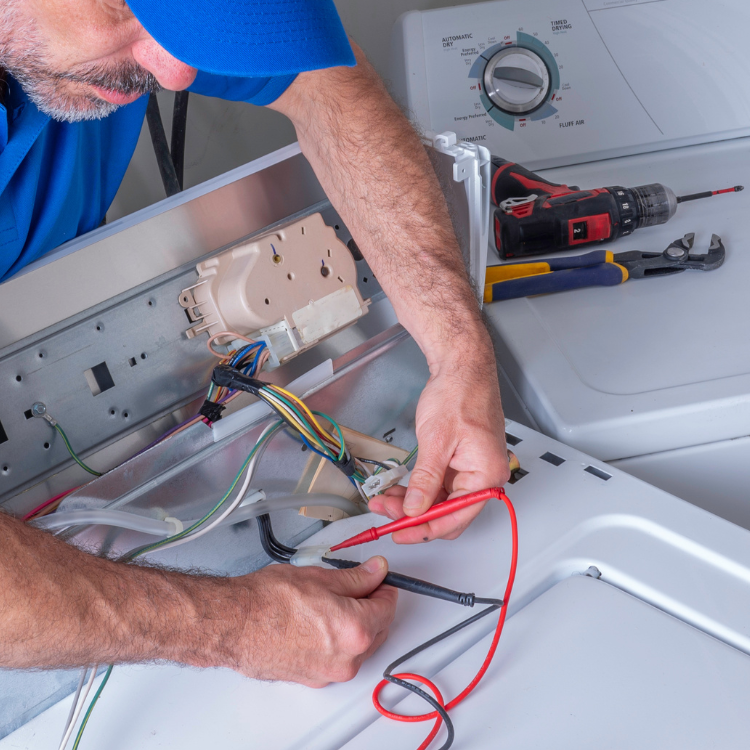
Commercial Appliance Repair: Keep Your Business Running Smoothly
Last week, a local restaurant in McKinney called because their walk-in cooler started cycling too long—fans ran, compressor kicked on, then the temperature slowly drifted up during the dinner rush. The manager did what most people do: they reset the unit, checked the thermostat, and hoped it would “settle.” It didn’t. By the time the kitchen closed for the night, they’d already thrown out a few pans of prep food and lost enough cold storage time that tomorrow’s service was at risk.
That’s the real issue with commercial refrigeration and kitchen appliances: downtime isn’t just inconvenient—it’s expensive. And in North Texas, the problem can be amplified by heat load, frequent door openings, and power fluctuations that stress refrigeration and cooking equipment. When your appliances fail, the solution has to be fast, accurate, and grounded in real diagnostics—not guesswork.
Quick Answer
If your commercial appliances are acting up, the best next step is a professional diagnosis that checks the system’s actual failure path (power, sensors, airflow, drainage, temperature control, and component health). Many issues are repairable—especially when caught early. For restaurants and busy businesses, fast response matters because every hour of downtime affects food safety, production schedules, and revenue.
What Commercial Appliance Problems Look Like in the Real World
Commercial equipment rarely fails in a clean, textbook way. You’ll often see “symptoms” that point in multiple directions:
- Refrigeration: long run times, warm spots, frosting on the wrong areas, or ice buildup that blocks airflow
- Dishwashers: poor cleaning, residue on glassware, water not heating properly, or draining problems
- Ovens and ranges: uneven heating, burners cycling weirdly, or temperature drift during service
- Microwaves: inconsistent heating or intermittent operation
- Garbage disposals: jams from grease and food buildup, or slow drainage that impacts prep sinks
In my experience, the biggest difference between a home appliance and a commercial one is usage rate and “tolerance for failure.” A home dishwasher might be okay for a day with mild residue. A restaurant can’t. If your cleaning cycle is weak, you’re not just dealing with dirty dishes—you’re dealing with sanitation risk and rework for staff.
Signs Your Appliance Needs Repair
Here’s what we commonly see when it’s time to stop troubleshooting and start repairing:
Refrigeration / Fridge performance red flags
- Temperature drifting upward after the unit has been stable
- Condenser area or evaporator airflow restricted (dust, debris, blocked vents)
- Ice forming where it shouldn’t, or frost patterns that keep changing
- Compressor running longer than usual with weak cooling
Dishwasher red flags
- Dishes come out still greasy or with cloudy film
- Water isn’t reaching the correct temperature (or heating takes too long)
- Leaks at the door, pooling underneath, or recurring drain backups
Ovens and ranges red flags
- Hot spots or undercooking in the same spots every shift
- Burner igniters cycling repeatedly
- Knob adjustments don’t change output the way they should
- Temperature “feels” right but the final product consistently fails
What Homeowners Often Overlook
Even when the complaint is “it stopped working,” many failures begin as wear-and-care problems. The common oversights I see:
- Ignoring airflow restrictions
For refrigerators and freezers, blocked vents, dusty coils, or poor air circulation can force the compressor to work harder. That accelerates component wear.
- Assuming power issues are “someone else’s problem”
In North Texas, power can fluctuate—especially during peak weather demand. If your equipment is resetting or cycling strangely, it may be reacting to unstable voltage or bad connections.
- Using the wrong cleaning approach
For dishwashers and disposals, staff may use certain chemicals or rinse practices that create buildup. Over time, that affects drainage, heating efficiency, and wash performance.
- Waiting until the unit “fully dies”
A small leak or weak heating element becomes a cascade. Moisture can damage controls, grease can clog drain lines, and temperature drift can ruin product.
Why Some Appliance Repairs Fail Early
A repair can fail early for a few predictable reasons:
1. The diagnosis targets the wrong system
Example: replacing a thermostat or sensor without confirming airflow and defrost performance. If airflow is restricted, the new part may still fail—or the symptom returns quickly.
2. The tech doesn’t confirm the root cause
In refrigeration, ice buildup can come from defrost problems, door seal issues, or airflow obstruction. Replacing a part without addressing the cause turns into repeat service calls.
3. Commercial units need tighter performance checks
Home appliances sometimes “tolerate” minor calibration drift. Commercial cooking and refrigeration don’t. Even small deviations can impact consistency and safety.
Mistakes That Lead to Expensive Breakdowns
Common mistake for businesses
Delaying repairs because “it’s still working.”
If a refrigerator is trending warm slowly, it’s tempting to wait until it fails completely. But temperature swings can compromise food quality long before the unit fully stops. You end up paying twice: once in wasted product and again in emergency repair.
Common mistake for homeowners
Overusing reset buttons and ignoring repeated faults.
Resetting a dishwasher or fridge repeatedly can mask the underlying problem—like a failing heating element, blocked drain, or a control board that’s detecting a failing sensor.
Common mistake for both
Not cleaning the “easy-to-miss” parts on schedule.
Grease filters, venting paths, drain hoses, condenser surfaces, and seals are often overlooked. Those are also the areas where problems start.
Repair vs Replacement: What Makes Sense for Commercial Equipment?
Here’s a practical way to think about it:
| Scenario | Repair is usually the best choice when… | Replacement may be smarter when… |
|---|---|---|
| Refrigerator/freezer | The compressor and sealed system check out, airflow issues are fixable, and parts cost is reasonable | The compressor or major sealed system components are failing repeatedly |
| Dishwasher | Heating/drain issues are isolated, and the unit maintains water levels and proper wash temp after repair | The unit has repeated leaks, major control failures, or multiple systems failing at once |
| Oven/range | Temperature regulation, igniters, or calibration issues are fixable | The oven cavity has consistent performance problems due to failing major components |
| Microwave | A specific magnetron or control issue is confirmed | The unit has recurring intermittent failures and repeated component replacements |
A technician should confirm which category you’re in by testing inputs, checking error behavior, and verifying actual performance after parts are installed.
Our Experience Repairing Appliances in Texas Homes and Businesses
In McKinney and across North Texas, we see a predictable pattern during summer: refrigeration systems run longer, and airflow problems get worse fast. One firsthand observation from the field—after pulling the access panel on a warmer-than-normal reach-in unit, we often find dust-choked airflow paths and restricted drain performance that weren’t obvious from the thermostat setting alone. The customer thinks, “The thermostat must be bad.” In reality, the system is fighting a physical restriction.
That’s why we don’t just replace parts based on symptoms. We verify what the unit is actually doing: temperatures, airflow, defrost behavior, drainage, and electrical input.
Appliance Maintenance Checklist (Use This Between Service Calls)
Whether you manage a home or a commercial kitchen, these checks reduce breakdown frequency:
Daily / shift checks
- Listen for unusual cycling, rattling, or fan irregularities
- Watch for temperature drift in refrigerated zones
- Confirm dishwasher drains completely after the cycle
Weekly checks
- Inspect door seals and ensure doors close fully
- Clean visible debris from condenser access areas (where safe/accessible)
- Check for standing water under dishwashers and around drainage points
Monthly checks
- Test oven and range performance with simple benchmarks (consistent cook results)
- Inspect spray arms and wash filters (dishwasher performance depends on flow)
- For disposals, run cold water properly and avoid grease-heavy disposal habits
Quarterly checks (or schedule with a technician)
- Professional diagnostics for refrigeration performance and defrost efficiency
- Venting and heat-system inspection for cooking appliances
- Drain line and pump performance checks for dishwashing systems
If you’d like support building a maintenance plan for your facility, see our commercial-focused services at commercial appliance repair services.
McKinney or North Texas Relevance: Why Timing Matters Here
North Texas summer heat increases the load on refrigeration and can push cooking equipment harder than usual. Add frequent door openings during peak restaurant traffic, and you get longer compressor run times and higher demand on airflow and defrost systems. In the real world, that means:
- small refrigeration issues escalate faster
- dishwasher performance drops sooner under heavy use
- oven calibration becomes more noticeable during busy service
If you manage a business, the goal isn’t just to “fix it.” It’s to restore stable performance before you lose product, sanitation consistency, or cooking reliability.
A Realistic Service Case (Anonymized)
A mid-size restaurant reported that their dishwasher was leaving residue on plates and utensils. They assumed the detergent was the issue and changed products twice. When our technician arrived, we found two things:
1. Heating performance was weak—the unit was running cycles, but water temperature was not holding properly.
2. Drain flow was partially restricted, which can cause redepositing of soil and cloudy film even when wash chemistry is correct.
The repair focused on restoring proper heat and correcting the drainage restriction. After testing cycle performance, the residue problem didn’t return. The restaurant stopped wasting time re-washing items and reduced the risk of sanitation setbacks.
Recommendations: What We’d Do Next for Your Situation
If you’re dealing with any of these patterns—warm refrigeration, poor dishwasher cleaning, uneven oven heat, or repeated cycling—don’t wait for a full failure. The most reliable path is:
1. Get a performance-based diagnostic (not just a parts swap guess)
2. Repair the root cause (airflow, drainage, temperature control, and electrical reliability)
3. Verify performance after repair so your equipment runs the way it did before the problem started
For homeowners who are troubleshooting their own kitchen appliances, we often start with specific diagnostic targets. For example, if you’re dealing with refrigeration instability, you can review refrigerator repair services as a starting point.
If the issue is dishwashing, our technicians frequently address both cleaning and draining performance. Visit dishwasher repair services for common symptoms and repair pathways we see in North Texas homes.
For cooking equipment, uneven results usually point to calibration, burner behavior, or sensor feedback. For that, use our oven repair services resources.
And if your business needs rapid troubleshooting before service falls apart, we’re built for urgency—especially when you can’t afford downtime. For fast response options, check emergency commercial appliance repair availability.
FAQ
How do I know if a commercial refrigerator is worth repairing?
If the unit isn’t failing the sealed system repeatedly and the issue is tied to airflow/defrost/drain or a specific component, repair is often the right move. A technician should confirm cooling performance and check for restricted airflow, defrost behavior, and electrical input before concluding it’s “just old.”
Why does my dishwasher leave residue even after I switch detergents?
Residue commonly comes from wash temperature not holding properly, spray arm or filter restrictions, or partial drain problems that cause redepositing. If the unit isn’t heating and draining correctly, changing detergent won’t fix the underlying performance.
What causes ovens to heat unevenly during a busy shift?
Uneven heating is frequently caused by burner behavior, calibration drift, faulty sensors, or issues with heat circulation components. Consistent “hot spots” are a strong sign the problem is repeatable and repairable—not random.
How quickly should commercial kitchen equipment be repaired?
As quickly as possible—especially for refrigeration and dishwashing. If a unit is affecting food safety, sanitation, or production timing, priority scheduling is usually justified. Fast diagnostics reduce the chance of compounding damage.
Ready to Restore Your Appliances or Commercial Equipment?
If your business is losing time—or your home appliances are acting up in a way that keeps coming back—get a real diagnostic first. Fast troubleshooting helps prevent repeat failures and reduces unnecessary parts swapping.
About Texas True Appliance Repair
Texas True Appliance Repair provides residential appliance repair, commercial kitchen equipment repair, refrigerator diagnostics, dishwasher repair, oven repair, and emergency appliance services throughout McKinney, TX and surrounding North Texas communities. The company focuses on accurate diagnostics, reliable repairs, fast response times, and helping homeowners and businesses reduce costly appliance downtime through professional service and preventative maintenance.